


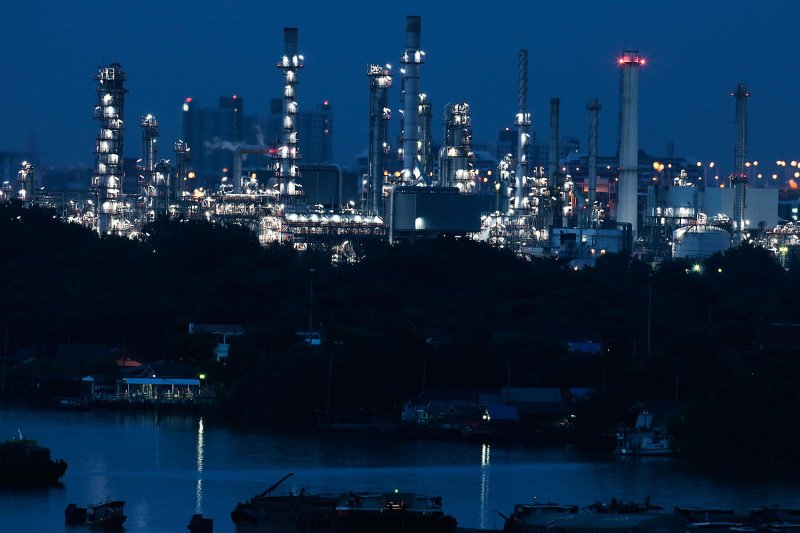
The Petroleum and Energy Institute of Thailand (PTIT) has denied an allegation that oil refineries are reaping a profit following a surge in their gross refinery margin (GRM) during the Mideast conflict, which is driving up domestic oil prices.
The clarification came before the government announced a hike in retail oil prices by 6 baht a litre on Thursday, igniting worries over pricier consumer goods.
The GRM soared to 6.31 baht a litre during March 1-26, up from an average of 2.09-2.14 baht a litre between January and February.
This is causing people to question whether oil companies are gaining from the global oil price surge.
"GRM is not the net profit for oil refineries," said Kurujit Nakornthap, executive director of PTIT.
GRM is the difference between prices of crude oil and refined oil, referring to costs added during the refining process.
In addition to the refinery cost, there are other "implicit costs" that are usually not high, but they increased significantly during the Israel-US war on Iran, said Mr Kurujit.
The costs include insurance premiums and shipping costs, which rose because oil tankers cannot pass through the Strait of Hormuz during the crisis.
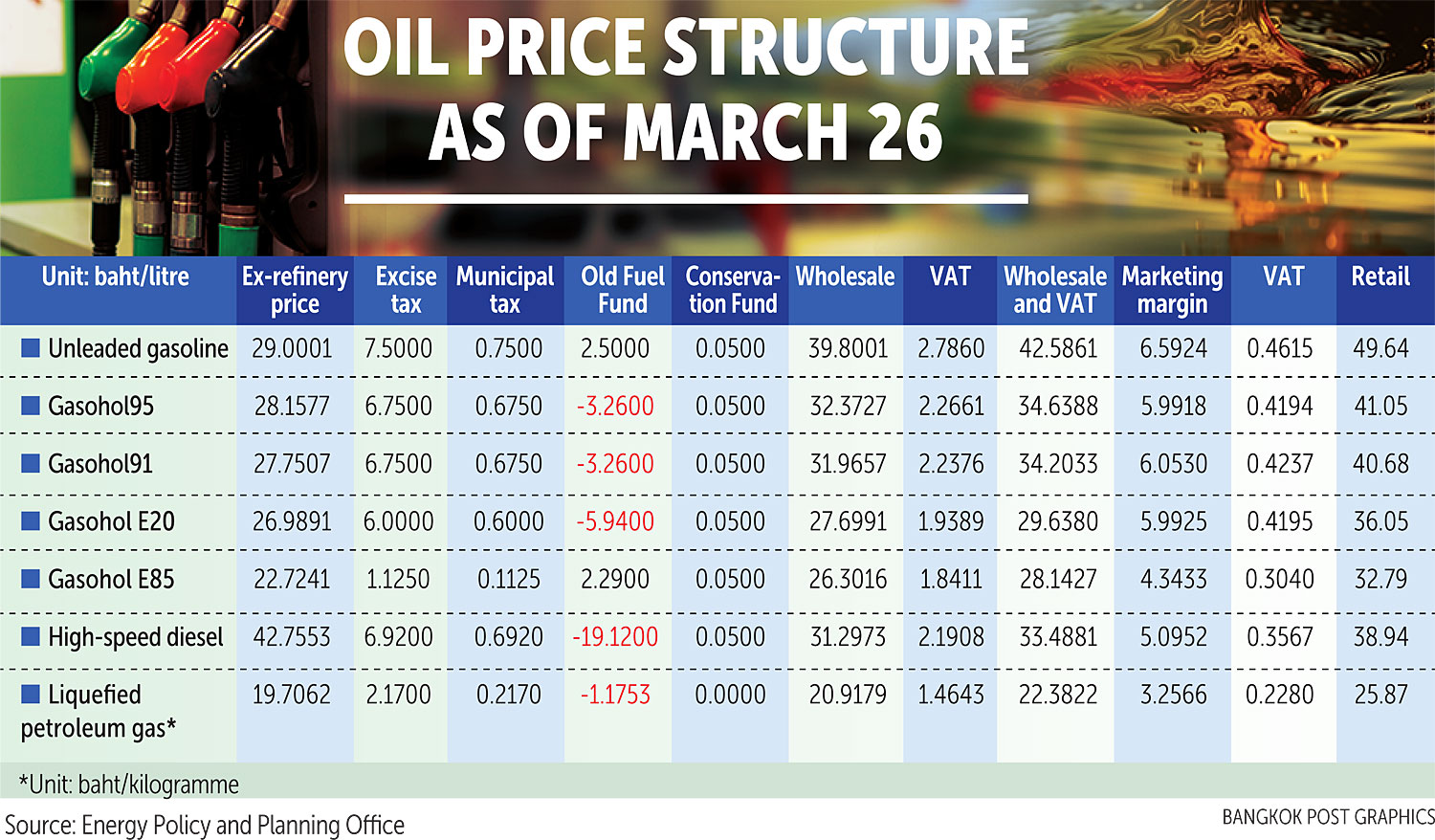
Once these costs are taken into consideration, oil refineries have the ability to set ex-refinery prices, which are based upon the reference price of refined oil in Singapore.
"These costs, estimated at a range of 3-6 baht a litre, will eventually become part of retail oil prices," he said.
Regarding why Thailand needs to base ex-refinery prices on the Singapore reference, Mr Kurujit said Singapore is a major refined oil market, comprising both physical oil and oil futures markets. Singapore reference prices reflect supply and demand of refined oil daily.
If Thailand's ex-refinery prices are lower than Singapore's, oil traders who buy oil from refineries will export oil to Singapore to benefit from the price difference, he said.
But if Thailand's ex-refinery prices are higher, oil traders will import refined oil from Singapore to compete with local refineries.
In a related development, Deputy Prime Minister Phiphat Ratchakitprakarn, in his capacity as chairman of the Joint Management and Monitoring Centre for the Situation in the Middle East, said the government plans to borrow 120 billion baht to support the Oil Fuel Fund, which will continue to subsidise fuel prices only for vulnerable groups.
