

Political Developments in Myanmar
Yangon- April 4, 2026
Controversies surrounding the 2021 election results and subsequent events in Myanmar have significantly impacted national stability, the economy and the socio-economic development of its people.
Furthermore, these developments have posed substantial challenges within the Asean community and for neighbouring countries in the region.
Amid these challenges, and in line with its traditions, Myanmar has seen the emergence of new governing bodies following the 2025 multi-party general election, conducted under the constitution.
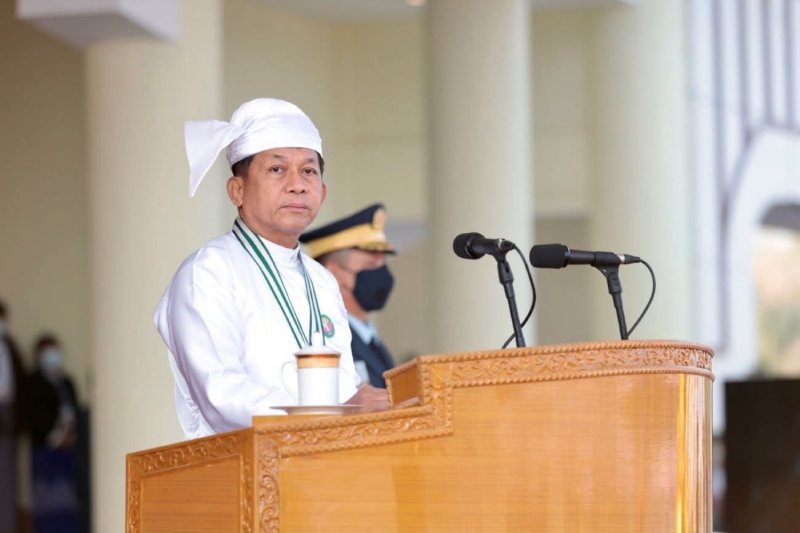
Three individuals — retired military officers U Min Aung Hlaing and U Nyo Saw, along with Daw Nan Ni Ni Aye from Kayin State — have been appointed vice-presidents.
For new government leading, U Min Aung Hlaing becomes the leading candidate. U Nyo Saw and Daw Nan Ni Ni Aye are expected to serve alongside him as vice-presidents.
As leaders emerging through formal processes aimed at restoring regional and national stability, they may be received within the framework of political culture and constructive engagement. The restoration of the executive, legislative and judicial pillars marks a return to a democratic path — a move many are likely to welcome with cautious optimism.
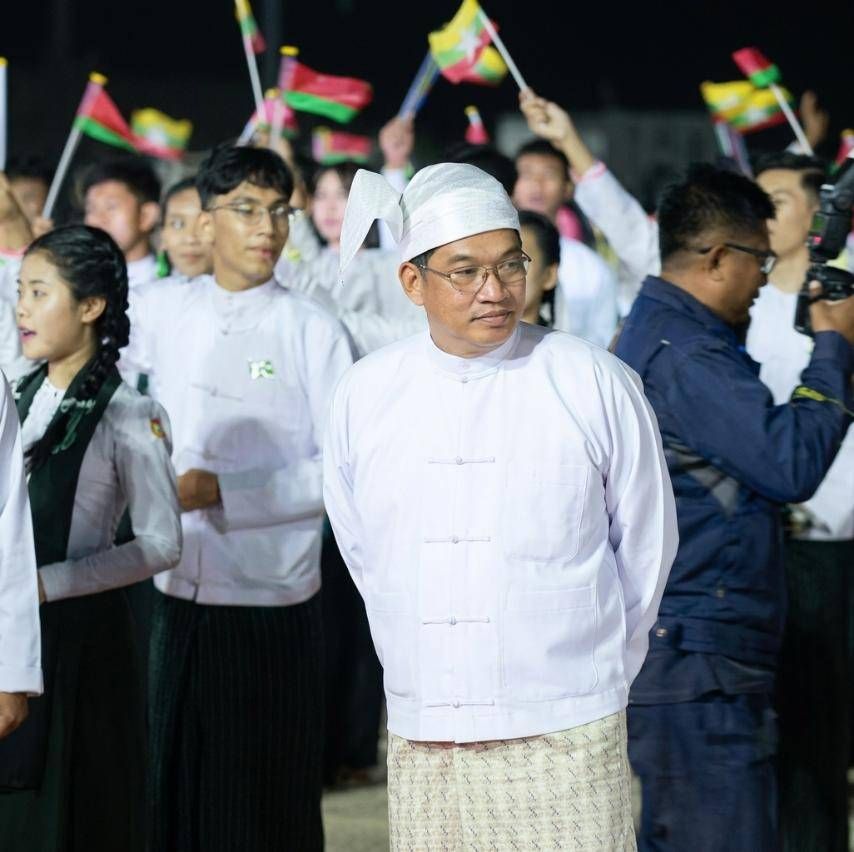
U Nyo Saw, former prime minister of Myanmar, has been appointed a vice president. The country hopes his leadership will serve as a positive driver of economic growth.
To ensure national stability and economic recovery following these political developments, all pillars of the state, including the new government, must work together with a people-centred approach and reconnect with established international trade routes.
In the face of economic sanctions imposed by global powers and organisations, the country must strive to overcome these challenges by promoting transparent governance while advancing towards a federal democratic system that reflects the will of the people.
The nation continues to watch with hope and anticipation for an end to conflict across its regions and states, as well as for the prospects of lasting peace and the rule of law.
Thar Ba Tun
