


Northern tourism operators expect a poor showing during the Songkran holiday as the region remains choked by smog, amid weak spending attributed to the war in the Middle East and the subsequent oil shock.
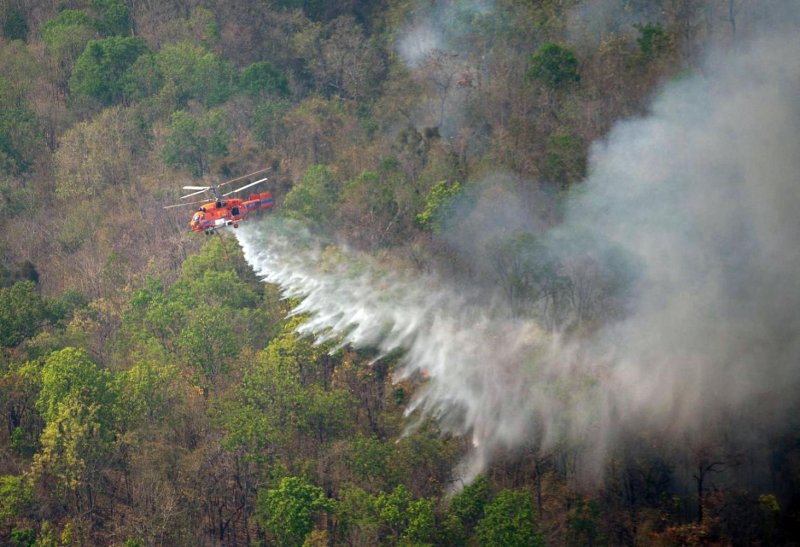
This week Chiang Mai ranked as the most polluted city in the world, while other northern provinces such as Mae Hong Son continue to suffer from smog caused by wildfires.
Punlop Saejew, vice-president of the Chiang Mai Chamber of Commerce, said forward bookings for the province have been very slow and the Songkran holiday might not be as robust as last year.
Concerns about smog and rising oil prices are influencing tourists' decisions, he said.
Many Thais, foreign visitors and expatriates may choose seaside destinations instead, leaving only locals in the North or business operators who need to visit the city, said Mr Punlop.
Regarding tour groups, travel agents planned months in advance to sell fewer packages during this period based on predictions of seasonal smog.
The occupancy rate in Chiang Mai has hovered at 30-40% after the smog emerged, he said.
Operators are reluctant to increase their room prices and service fees despite rising costs and might have to scale down their operations to trim expenses, said Mr Punlop.
The smog this year is mainly caused by wildfires and cross-border fires, he noted.
With a new cabinet formed, Mr Punlop said the government should accelerate passage of the Clean Air Act, which was being read in the Senate last year when parliament was dissolved.
The law makes polluters take more responsibility and incentivises those who reduce carbon emissions.
He said authorities in the northern provinces must collaborate in order to address smog issues, as a fire occurring in one province can impact the air quality in another.
Chaivit Summachewawat, vice-president of the Pai Tourism Business Association, said smog has affected tourism in Mae Hong Son as Thai and foreign visitors continue to cancel their bookings.
During the Songkran holiday, foreign visitors from certain countries, particularly the top markets for Pai such as the UK and Israel, may pivot to Phuket or Samui, he said.
The association and local authorities are cooperating to reduce hot spots and plan suitable burning periods, resulting in less pollution peaks in recent years, said Mr Chaivit.
Burning combined with cool weather this week caused smog to blanket the city.
He urged authorities to react quickly by curbing burning.
The government should also implement measures to prop up tourism for the remainder of the year, easing persistent low purchasing power and rising operational costs, said Mr Chaivit.
