


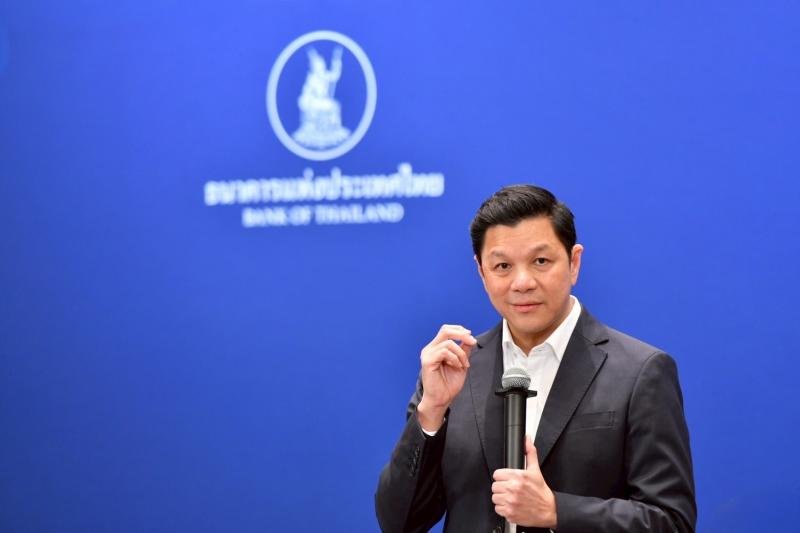
Thailand's central bank chief said there was no need for a drastic monetary policy adjustment at the moment, despite expectations of a rise in inflation driven by higher oil prices amid the war in the Middle East.
An immediate rate hike would hurt demand and would not help address the problem, Vitai Ratanakorn told an online news show aired on Thursday, adding there was no plan for an unscheduled policy meeting.
"Raising interest rates too quickly is not beneficial. It could hurt the economy as it affects demand, not supply. It doesn’t lower oil prices or reduce the price of goods”, he said.
Mr Vitai said the war might reduce Thailand's economic growth by 0.5 to 0.7 percentage points and push up inflation to 3%, based on the current assumption that the war would end within three months.
Exports were expected to rise 2% to 3% this year, compared with a rise of 3% to 4% seen earlier, Mr Vitai said.
Mr Vitai said there was no stagflation and the impact of the war on the economy and inflation remained manageable.
Monetary policy would look through short-term factors, Mr Vitai said.
The depreciation of the baht was still in line with regional currencies, and helping exports, he said.
The central bank would intervene to prevent excessive volatility, ensuring the baht does not strengthen or weaken too sharply, he said.
The central bank unexpectedly cut its key interest rate in February to support Southeast Asia's second-largest economy, which grew 2.4% last year, lagging regional peers. The next policy meeting is on April 29.
