


Several state-owned enterprises (SOEs) are expected to raise a combined 40 billion baht through infrastructure funds, helping to ease the government's public debt burden as such liabilities are not classified as public debt, says the chief of the State Enterprise Policy Office (Sepo).
The plan aligns with the finance minister's policy encouraging SOEs with investment needs to raise funds through infrastructure funds to reduce budgetary pressures and public debt, said Tibordee Wattanakul, director-general of Sepo, adding the office recently held discussions with executives from 15 large SOEs, all of whom agreed with this fundraising approach.
Sepo also proposed allocating 10-20% of investment units in infrastructure funds to employees and cooperatives of the respective SOEs to foster a sense of ownership, while also creating a channel for stable returns for unitholders.
An expected return of around 5% is considered attractive compared with current interest rates, leading to strong support from SOEs for the initiative, he said.
Sepo wants to encourage around nine SOEs to establish infrastructure funds and raise more than 40 billion baht through the capital market as a tool for budget management and reducing the country's public debt burden. The move is expected to make the capital market more vibrant, said Mr Tibordee.
Raising funding through infrastructure funds provides greater financial flexibility as SOEs would receive a lump sum of capital immediately for use in their operations, he noted.
However, SOEs need to select investment projects with clear and predictable cash flows as the underlying assets, ensuring that fundraising costs properly reflect the actual risk and build investor confidence.
Although the financial cost of raising capital through an infrastructure fund may rise from the previous 3% borrowing cost to a 5% payout to fund investors, Sepo will compensate for the higher cost through key performance indicators, allowing SOEs to continue receiving bonuses under the existing criteria, said Mr Tibordee.
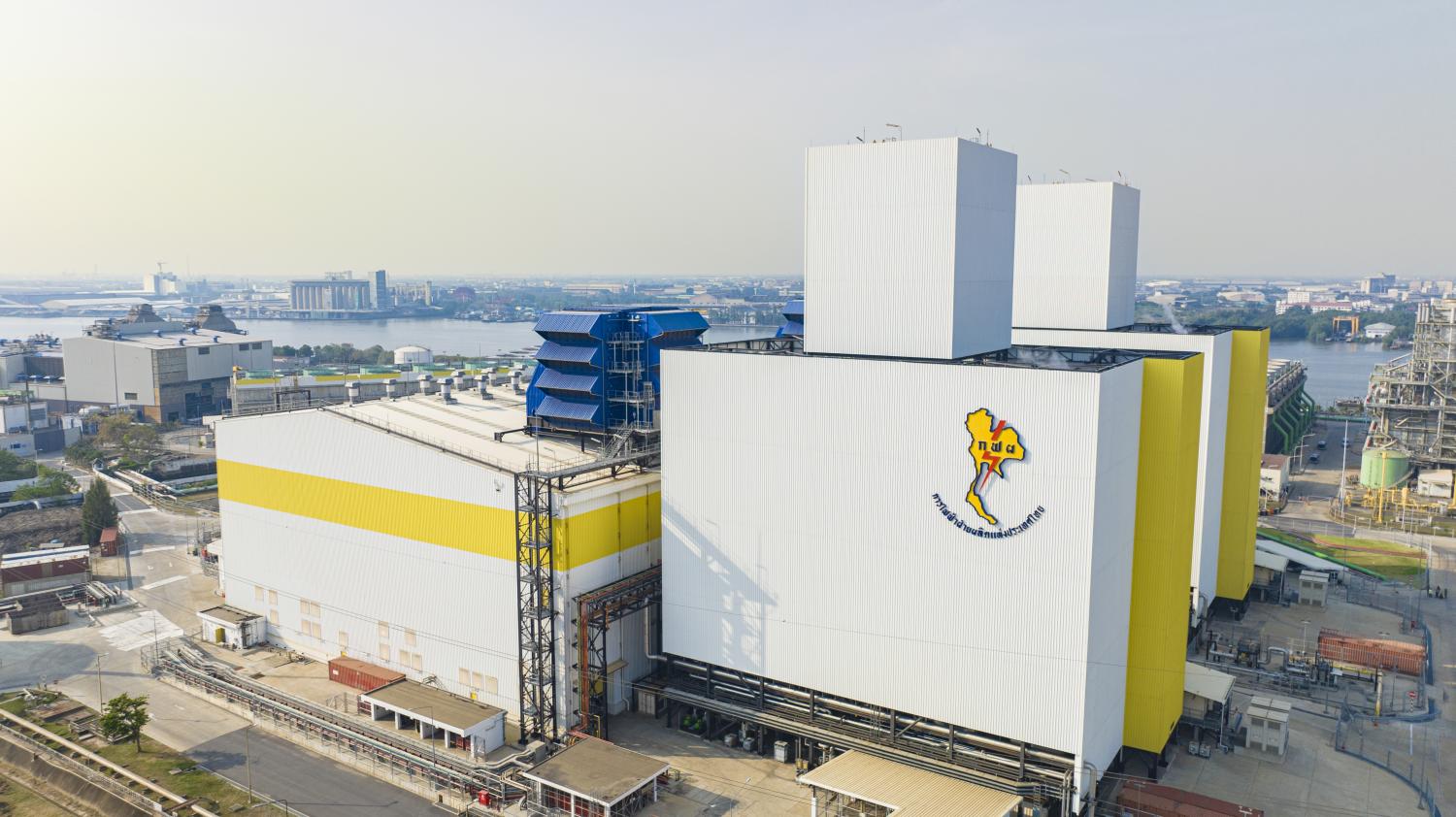
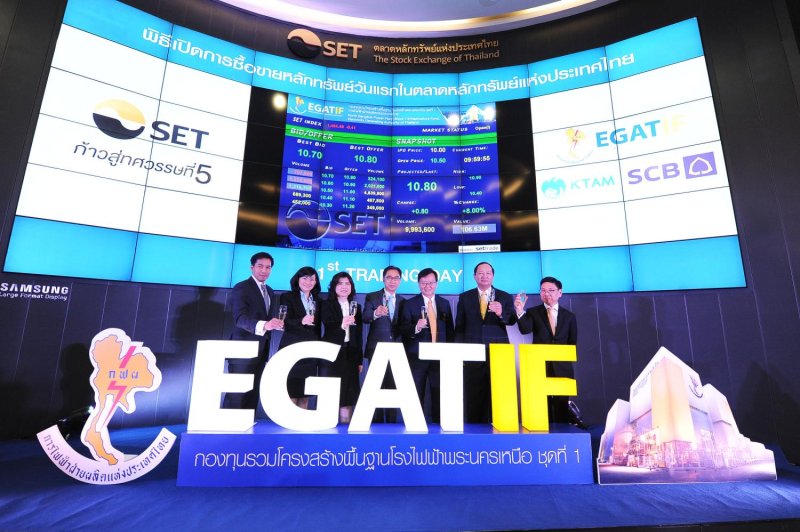
North Bangkok power plant. The North Bangkok Power Plant Block 1 Infrastructure Fund of EGAT, or EGATIF, Thailand's first SET-listed state enterprise infrastructure fund, was set up in March 2015. It was listed on the SET in July in the same year and was warmly received by investors.
As for the establishment criteria, regulations set by the Securities and Exchange Commission require a minimum fund size of 2 billion baht per fund to ensure cost-effectiveness in fundraising.
This policy is expected to upgrade the stock market and strengthen fiscal stability, forming part of the country's medium-term fiscal framework, he noted.
Existing infrastructure funds include the Electricity Generating Authority of Thailand's (Egat) North Bangkok Power Plant Block 1 Infrastructure Fund and the Thailand Future Fund, both of which support national infrastructure investment.
Infrastructure funds can also raise debt financing independently, beyond simply issuing investment units.
The Finance Ministry acknowledged a key challenge lies in communicating with internal staff and labour unions, ensuring they understand that transferring cash flows into a fund is not an asset sale or misconduct, but rather a financial management strategy designed to improve liquidity and accelerate organisational growth.
Investment projects that could immediately raise cash through infrastructure funds include Egat's floating solar projects. In such cases, the fundraising is backed by the issuing agency's cash flow. The clearer and more reliable the supporting cash flow, the lower the cost of raising capital through the infrastructure fund as it increases investor confidence, said Mr Tibordee.
