


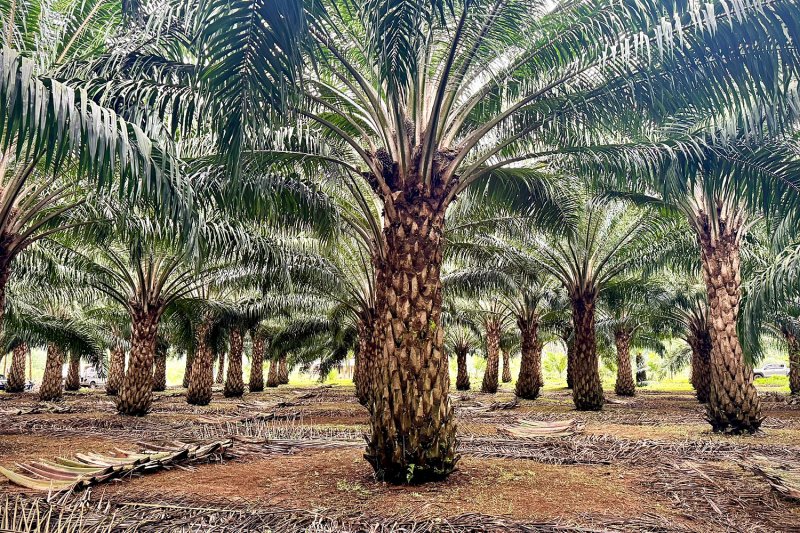
Thailand is accelerating efforts to reduce reliance on imported oil by expanding sales of biodiesel B20, aiming to make the fuel available at 1,000 filling stations within a month.
B20, a blend of diesel and 20% methyl ester derived from palm oil, is currently sold at 600 stations nationwide.
Authorities first introduced the fuel on a pilot scale in March but have now shifted to long-term commercial sales, offering it at a retail price of seven baht per litre lower than diesel B7, subsidised by the state Oil Fuel Fund.
Sarawut Keawtathip, director-general of the Department of Energy Business, said 17 car assemblers and manufacturers from Japan, South Korea, China, Europe and the US have certified that B20 does not affect engine performance in many car models.
Thailand previously promoted B20 in 2022 following the Russian invasion of Ukraine, which sent oil prices soaring. Authorities used a surplus of palm oil to produce the fuel, but B20 disappeared from the market once global crude prices stabilised.
Mr Sarawut said the government is preparing strategic petroleum reserves to ensure continued B20 sales, even after geopolitical tensions ease.
However, an Energy Ministry official noted that subsidies face legal hurdles, as the 2019 Oil Fuel Fund Act stipulates that biofuel subsidies are scheduled to end on Sept 24 this year.
Officials argue that B20 must remain a long-term solution to address three challenges: volatile energy prices driven by global conflicts, worsening PM2.5 dust pollution, and Thailand's commitment to achieving net-zero emissions by 2050 under the UN Development Programme.
Industry leaders have voiced support, as Yupin Boonsirichan, chairwoman of the Thai Automotive Industry Association, said the sector welcomes alternative energy derived from domestic production to strengthen energy security.
Suchat Ramarch, president of PTT Oil and Retail Business, said the company is already selling B20 at 246 stations and expects to expand to 800 by year-end.
If B20 gains popularity, demand for methyl ester could more than double to nearly 7 million litres per day, potentially saving Thailand 72 billion baht annually in oil import costs.
Adisak Choosuk, deputy director-general of the Department of Alternative Energy Development and Efficiency, said crude palm oil output this year is projected at 3.94 million tonnes, with allocations for consumption, methyl ester production and exports.
