 Listen


 Facebook
 Reddit
 Copy Link



Avaya’s technology chief explores how AI can handle routine contact centre tasks, helping businesses deliver more memorable customer experiences while retaining control over decisions that matter.
After a car accident, a customer calls their insurer. While an employee asks whether everyone is safe, artificial intelligence (AI) agents could open the claim, arrange a breakdown truck and reserve a replacement car.
David Funck, chief technology officer at Avaya, a provider of enterprise communications and customer experience technology, describes this scenario with the Bangkok Post. It shows how AI could give employees more time for the human side of service. While technology handles the practical arrangements, the person on the phone can listen and offer reassurance.
For businesses, that could mean fewer repeat calls, less administrative work and more problems resolved at first contact. Achieving it, Mr Funck argues, means connecting information across the organisation, knowing when AI should hand over to a person and building new capabilities around systems that keep daily operations running. Avaya calls this collaboration “tandem care”. It offers Thai enterprises a way to think about AI investment through the everyday experience of the people they serve.

Knowing when people should step in
But allowing AI to arrange services and act across business systems brings a harder question into view. How much freedom should it have—and when should a person step in?
Mr Funck’s answer offers a useful starting point for business leaders: “The appropriate level of autonomy should be based on two factors: confidence and consequence.”
When a task is well understood, performance can be evaluated continuously and the cost of a mistake is low, AI can work more independently. As uncertainty or the potential for harm rises, people need to become more involved.
Human oversight should serve a clear purpose, Mr Funck says. Requiring approval for every low-risk action can strip AI of much of its value. High-risk decisions involving payments, sensitive data or potential harm need clear points for human intervention. Accountability ultimately remains with the organisation deploying the technology.

Consider another scenario, a bank customer reports a suspicious transaction while travelling. An AI agent could verify their identity, retrieve the transaction history, open a fraud case and take permitted action, such as temporarily freezing the card.
Then the customer asks for a replacement card to be sent to an unfamiliar address. The risk has changed. A human specialist could take over, with the conversation, verification status and actions already completed and available for review.

The customer would not have to explain everything again. Once the specialist approves the request, AI could update the relevant systems and send confirmation.
For businesses considering agentic AI—systems that can act on a user’s behalf—this is a practical way to think about delegation. The boundaries need to be clear before work begins.
Mr Funck says governance must be built into the architecture from the beginning. Organisations need clear rules on what data AI can access, which actions it can take independently and when a person must intervene. Role-based access controls, monitoring, evaluation and a traceable record of actions are essential.
These considerations also informed Avaya’s decision to partner with Databricks, which provides data management and governance tools for enterprise AI, he says. Avaya has adopted Model Context Protocol, or MCP, within its Infinity platform to give AI structured, standardised access to enterprise tools and current context. As Mr Funck explains, those connections still operate within permissions set by the organisation.
A business that remembers
For Mr Funck, human connection should anchor the relationship between a business and its customers. That belief underpins Avaya’s idea of a “connection centre”.
“Customers feel a connection when the business ‘remembers’ the relationship,” he says.
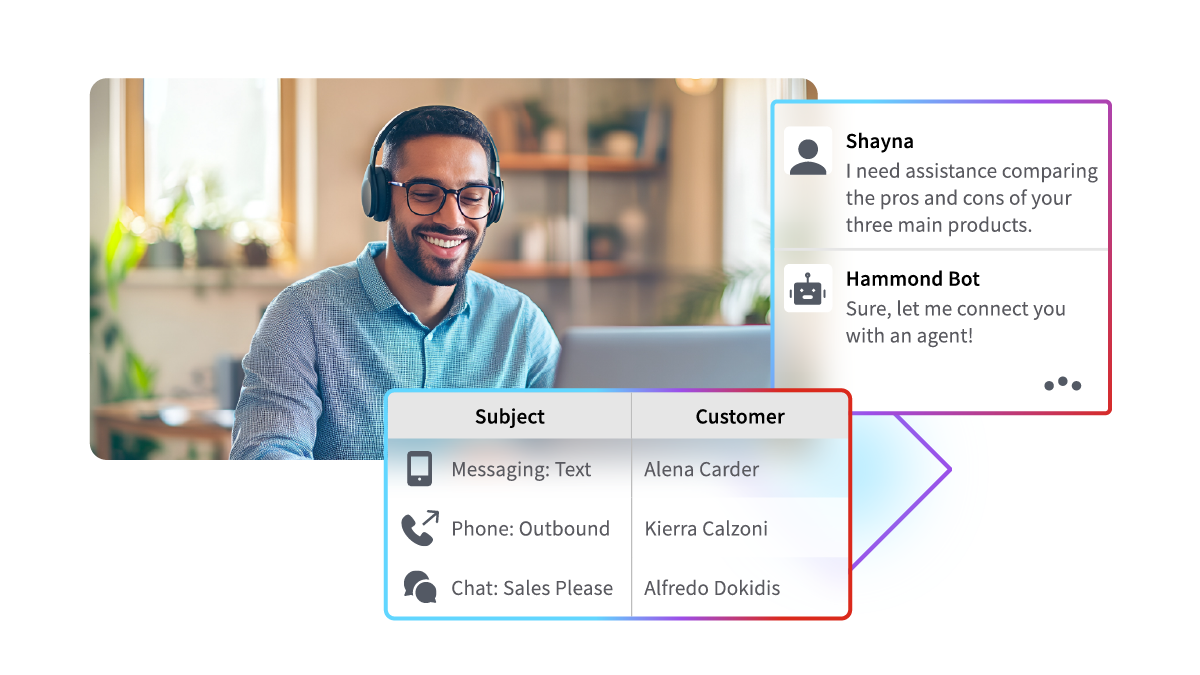
Whether someone starts in an app, makes a call, sends a message or moves to a human agent, the details of what they have already done should follow them. They spend less time repeating information, receive faster answers and get more consistent service across channels.
For businesses, Mr Funck points to fewer avoidable transfers and repeat contacts, shorter handling times, less after-call work, better first-contact resolution and greater agent productivity.
The gains also extend beyond daily efficiency. He says this approach allows the contact centre to contribute more directly to customer satisfaction, loyalty and long-term business value.
Modernise without starting over
For Thailand’s banks, telecom operators, airlines, hospitals and government agencies, getting there also means working with substantial existing IT investments.
“Modernisation does not have to begin with wholesale replacement,” Mr Funck says.
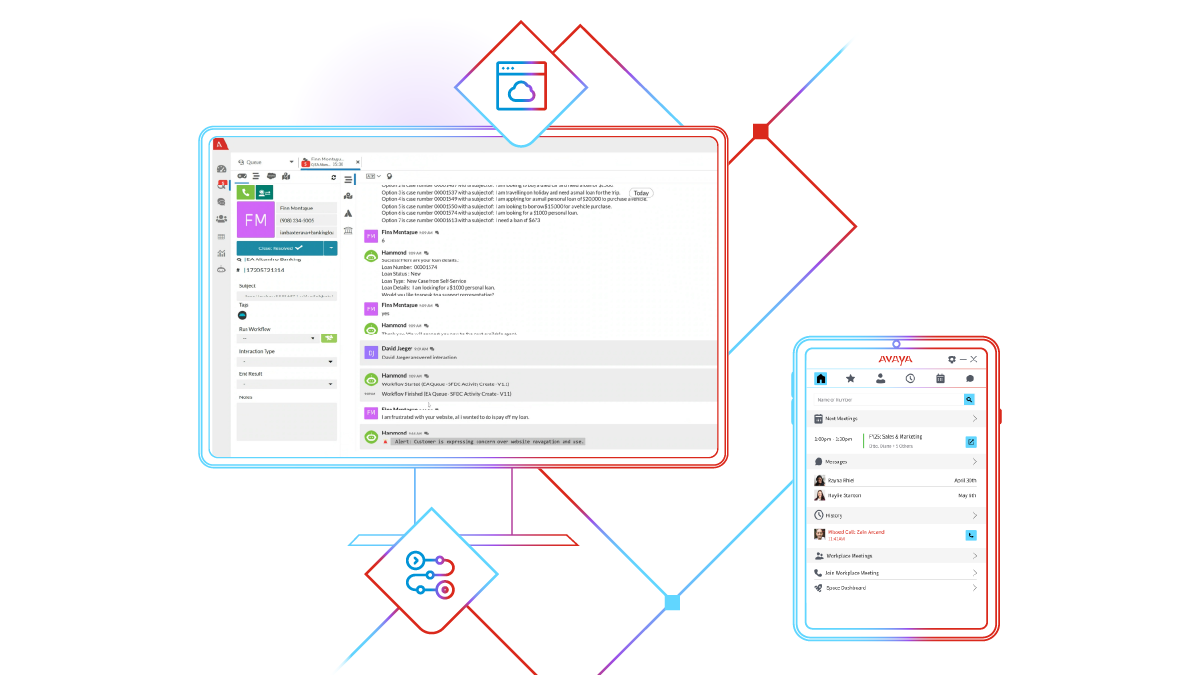
He says Avaya Infinity is designed to work alongside the voice systems, workflows and integrations organisations already depend on. Enterprises can add digital, orchestration, analytics and AI capabilities without disrupting critical operations.
The work begins with understanding processes built over many years. Mr Funck says Avaya has developed AI-powered tools that analyse existing workflow logic and translate it into plain language for human review. The reviewed output can then be used to build updated Infinity workflows automatically.
Teams can decide what to preserve and what to change, moving forward in manageable stages. This allows organisations to modernise at their own pace, choosing an on-premises, hybrid-cloud or full-cloud path that meets their security, data-sovereignty and operational requirements.
Mr Funck sees opportunities to connect complex customer journeys involving large numbers of interactions in banking, telecommunications, travel, healthcare and public services. AI can identify what a customer needs, bring together information from earlier interactions, assist employees in real time and coordinate authorised actions across enterprise systems.
That can mean less waiting and less repetition for customers, while employees focus on judgement, empathy and accountability.
In Thailand, he stresses choosing AI models and deployment approaches that fit local language, regulatory and operational requirements. The objective is faster, more personalised service without compromising reliability, governance or trust.
Beyond the screen
His vision extends beyond screens and phone calls. Through its collaboration with avatarin Inc, a Japan-based AI and robotics company, Avaya is working to connect physical robots with AI agents, digital channels and human employees, allowing customer context to follow each interaction and a person to step in when needed.
In the airport scenario he describes, a robot could offer alternative routes to a passenger facing a flight delay. If special assistance or a difficult connection required human judgement, a specialist could join through the robot’s interface, with the booking details and conversation history already at hand.
The real test is how smoothly responsibility passes between technology and people: AI needs clear authority to act, employees need the context to make decisions, and customers need their problems resolved.
For someone calling after an accident, that could mean help is already on its way while a person stays on the line to ask: “Are you all right?”


