 Listen


 Facebook
 Reddit
 Copy Link


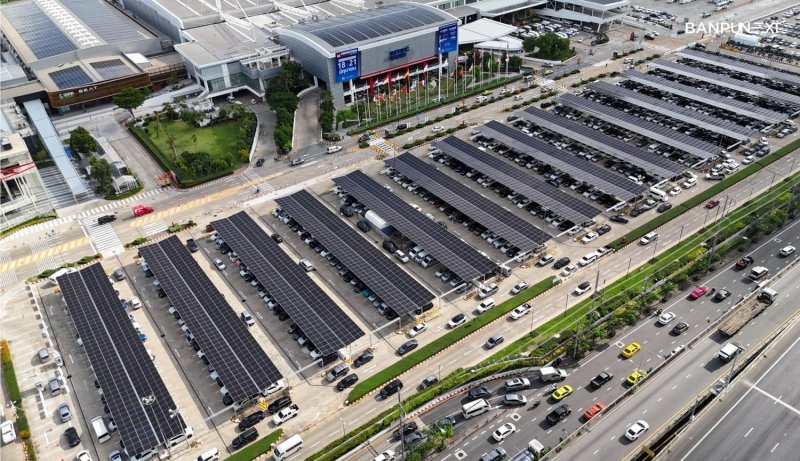
The booming data centre segment is prompting Banpu Next, a clean and smart energy solution provider under energy conglomerate Banpu Plc, to scale up its solar and battery energy storage system (BESS) businesses to serve industrial estates and large-scale businesses, targeting more than 300 megawatts of clean power generation capacity in Thailand by 2030.
Artificial intelligence (AI) and data centre investments in Thailand are power-intensive, requiring clean, reliable energy to support operations.
Smittipon Srethapramote, chief executive of Banpu Next, said scalability builds on the company's success in delivering net-zero solutions to more than 200 commercial and industrial customer projects nationwide, spanning solar and BESS, energy efficiency and commercial fleet management.
These projects are expected to reduce carbon emissions by up to 100,000 tonnes annually and reinforces the company's position as a long-term partner and integrated energy player in Thailand, he said.
Banpu Next has delivered solar systems and BESS to industrial customers, leveraging its energy technology expertise.
The company recently installed a solar rooftop system with BESS at Green Rubber Energy's tyre recycling plant in Samut Prakan. This type of battery stores excess solar power and reduces the volatility of solar output, ensuring a stable, continuous power supply for the plant's operation.
The sun is an intermittent source of renewable energy as electricity generation is determined by weather conditions.
BESS also improves energy efficiency while lowering electricity costs and carbon emissions.
Mr Smittipon said Thailand's 2026 power development plan intends to increase the share of renewable energy with BESS to strengthen power system flexibility and stability.
Industries face mounting challenges from carbon regulations, environment, social and governance requirements, and Thailand's 2050 net-zero target.
Banpu Next also plans to join the government's pilot direct power purchase agreement (PPA) scheme to serve large-scale data centres.
Direct PPA allows power companies to directly supply electricity to businesses, bypassing the country's ban on peer-to-peer renewable power trade.
Banpu Next is also exploring investment that supports AI infrastructure and emerging technologies aimed at advancing Thailand's low-carbon economy.
