


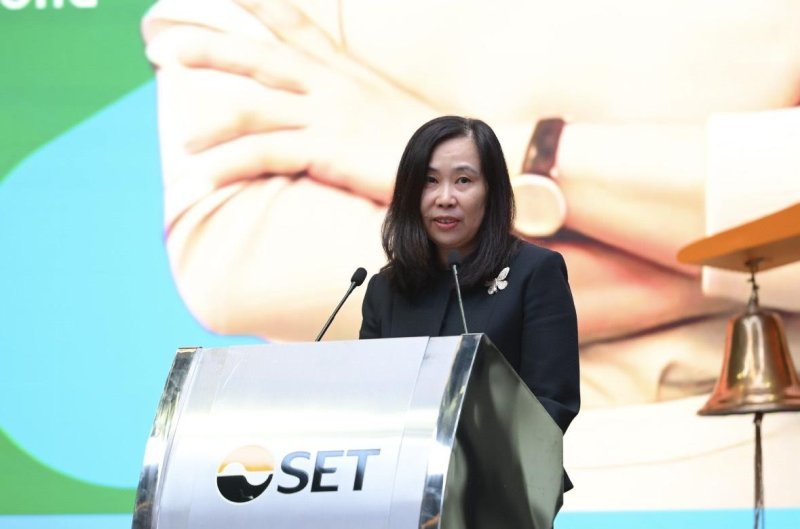
The International Finance Corporation (IFC) is urging stronger action to advance women’s economic empowerment in Thailand, highlighting gender equality as a key driver of long-term growth and competitiveness in the corporate sector.
Speaking at the forum “Ring the Bell for Gender Equality 2026” co-hosted by UN Women, Yuan “Jane” Xu, IFC country manager for Thailand and Myanmar, said removing gender barriers could increase economic output by as much as 15%, noting greater female participation in leadership and the workforce yields economic benefits.
Her remarks came during a discussion between regulators and market participants in the Stock Exchange of Thailand (SET) and the Securities and Exchange Commission (SEC) exploring how gender equality can strengthen Thailand’s capital market and corporate governance.
Ms Xu said Thailand has made notable progress in female leadership. Data cited by UN Women indicate Thailand has the highest share of women chief executives among listed companies in Asia.
Women account for 14% of chief executives at firms listed on the SET, double the regional average of 7%, while the regional average for women serving on corporate boards is 18%.
This trend reflects the growing capability and influence of women leaders in shaping the corporate landscape, she said.
“Women today are more educated and more skilled than ever before,” said Ms Yuan Xu, adding that empowering women in the workforce would help strengthen productivity, resilience and long-term economic sustainability.
Thailand’s next step is to ensure women leaders have greater influence in shaping corporate strategy, investment decisions and sustainability agendas.
Inclusive leadership has been shown to strengthen competitiveness, improve decision-making and enhance innovation capacity within organisations, she said.
Pornanong Budsaratragoon, secretary-general of the SEC, said the regulator is promoting gender equality and human rights integration across corporate operations.
“The SEC is committed to supporting women’s empowerment and facilitating the integration of human rights and gender equality across listed companies’ business operations and value chains,” she said, noting these initiatives aim to produce tangible outcomes that support the sustainable growth of the capital market.
SET president Asadej Kongsiri said gender equality is an important economic driver.
“Gender equality is not merely a social aspiration; it is a fundamental driver of economic strength and sustainable growth,” he said, adding the bourse is committed to advancing the “Women. Leadership. Action.” initiative to promote a more inclusive and sustainable economic future.
SET data indicates 66% of listed Thai companies have adopted human rights policies that include provisions against discrimination towards women, reflecting a growing awareness of gender-related issues in corporate governance.
