 Listen


 Facebook
 Reddit
 Copy Link


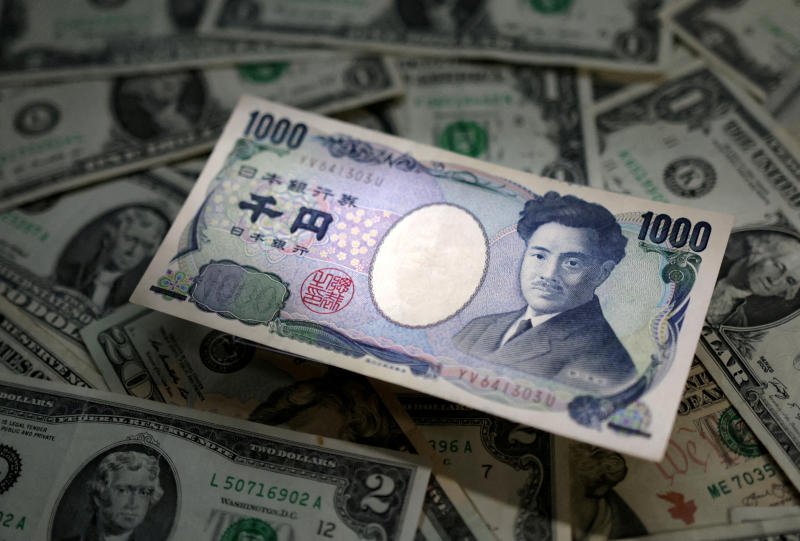
TOKYO — With the recent surge in Japan's currency to a seven-month high, investors are wondering if this is the beginning of the end of the yen carry trade that has been a pillar of global markets.
That trade, which involves borrowing yen at a low cost to invest in higher-yielding assets, is being undermined by expectations of accelerated rate hikes by the Bank of Japan (BOJ), as early as its meeting next week.
Here is a deeper look at the yen carry trade.
How does the carry trade work?
The strategy involves borrowing the yen, or any other currency with similarly low interest rates, then using it to buy currencies with better yields, such as US dollars, Mexican pesos, New Zealand dollars and other emerging market currencies.
The yen has been the funding currency of choice for years, with investors buying higher-yielding currencies with the borrowed funds to invest in bonds or other instruments.
At the end of a usually short-term trade, the investor converts the proceeds back into yen and repays the loan.
Annualised returns typically can be around 2.5% to 3.5% on dollar-yen carry trades, which is the difference between US and Japanese rates, with scope for more gains were the yen to depreciate during that term. That is lower than the 5% to 6% the trade was garnering back in 2024.
Following yen-buying intervention by Tokyo and Washington at the end of July, carry trade investors appear to be switching over to the Swiss franc as a funding vehicle.
The carry trade of today, which involves yen borrowing by largely international investors, kicked off in 2013 under Prime Minister Shinzo Abe's quantitative and qualitative easing that coincided with rising rates in the United States and a depreciating yen.
Those trades reached large new proportions over 2022 and 2023 as the US Federal Reserve (Fed) raised rates rapidly to rein in inflation even as the BOJ kept its short-term rates negative, and as the yen swooned.
How large is the yen carry trade?
Nobody knows for sure. The overall amount of yen-funded carry trades is difficult to pin down, but there are proxies to estimate its size.
Cross-border yen borrowing jumped to a record ¥360 trillion ($2.34 trillion) as of March, according to a Jefferies analysis of data from the Bank for International Settlements, marking the largest carry-trade build-up of the past three decades.
Another method is to look at yen short bets. Figures from the US Commodity Futures Trading Commission showed net shorts on the yen were 92,227 contracts in the week to Sept 1, a third weekly increase but still down from a two-year high of 163,412, seen in the week to July 1.
Actual positions for the carry trade could be amplified because of how hedge funds and computer-driven funds use leverage.
How is this time different to the 2024 unwind shock?
However big the carry trade is, a sudden reversal of it would have major ramifications for global markets.
That is what happened when the BOJ delivered a surprise rate hike in July 2024 to what was then a 15-year high, triggering a surge in the yen from about 154 per dollar to the 141 level in a matter of days.
Carry traders were forced to unwind their positions, leading to cascading sell-offs of global equities, including a calamitous 12.4% one-day drop in Japan's Nikkei.
There is no indication that's happening now. BOJ policymakers have been flagging for weeks that a rate hike was imminent and more increases would likely be needed.
Equity markets have taken in stride the monetary tightening signals along with gains in the yen. Analysts highlight that moves in Japan's currency have been orderly, suggesting a shift in investor mindset ahead of the pivotal BOJ meeting next week.


