An industrial growth pioneer
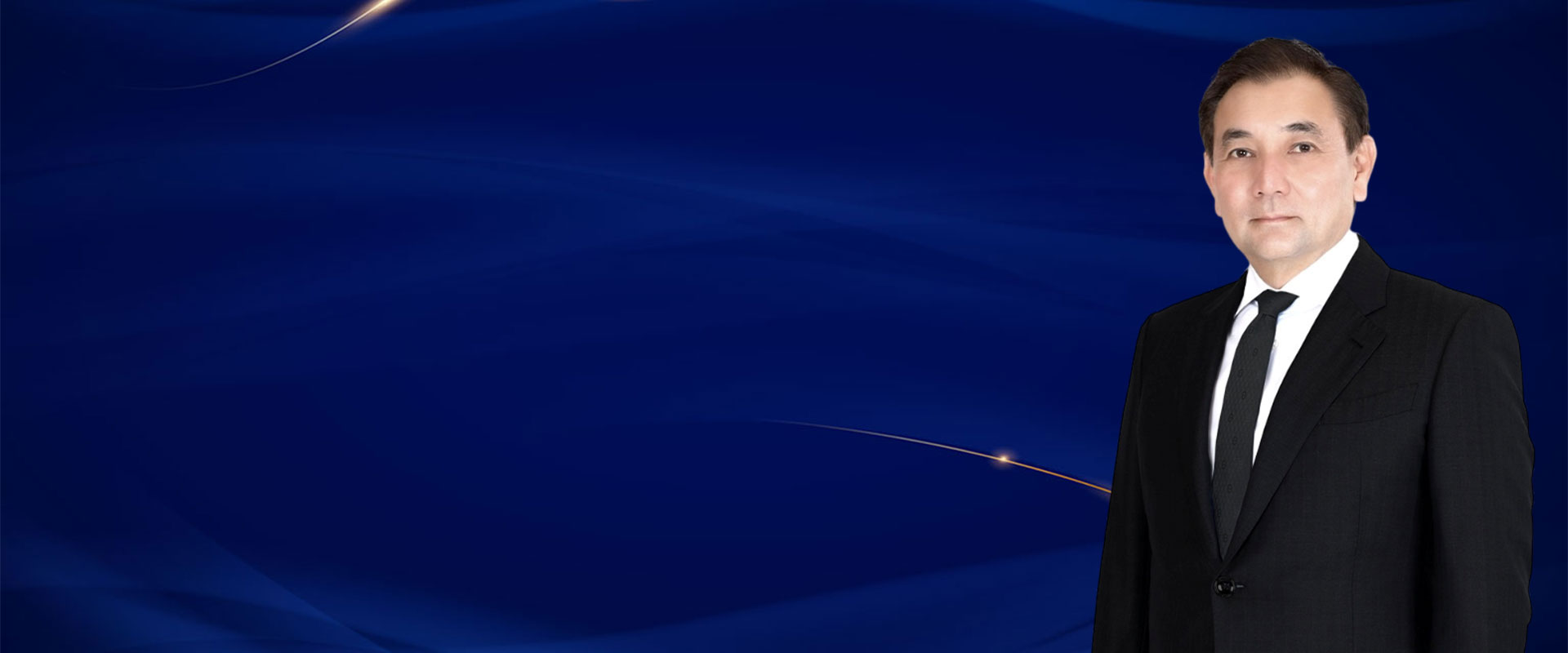
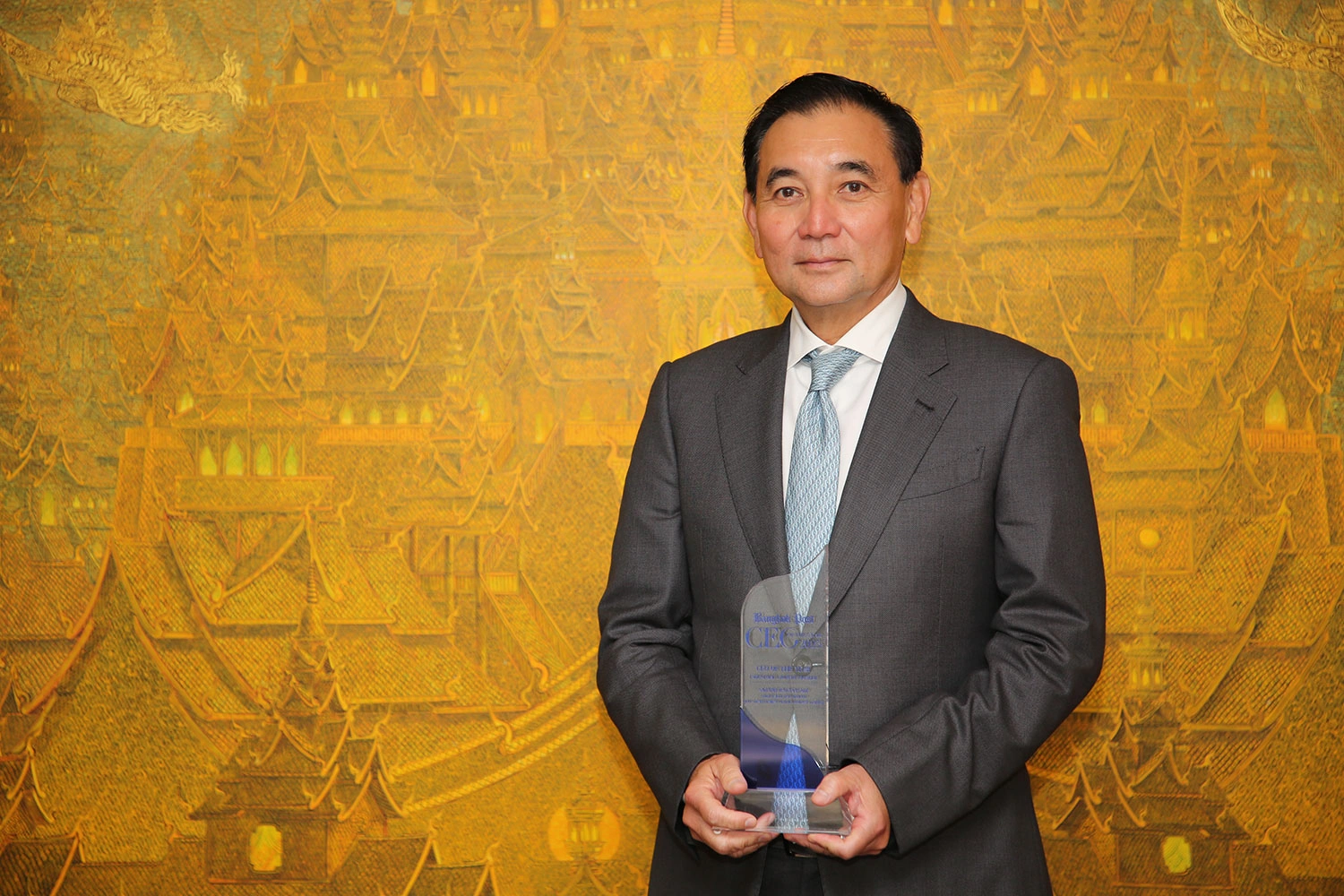
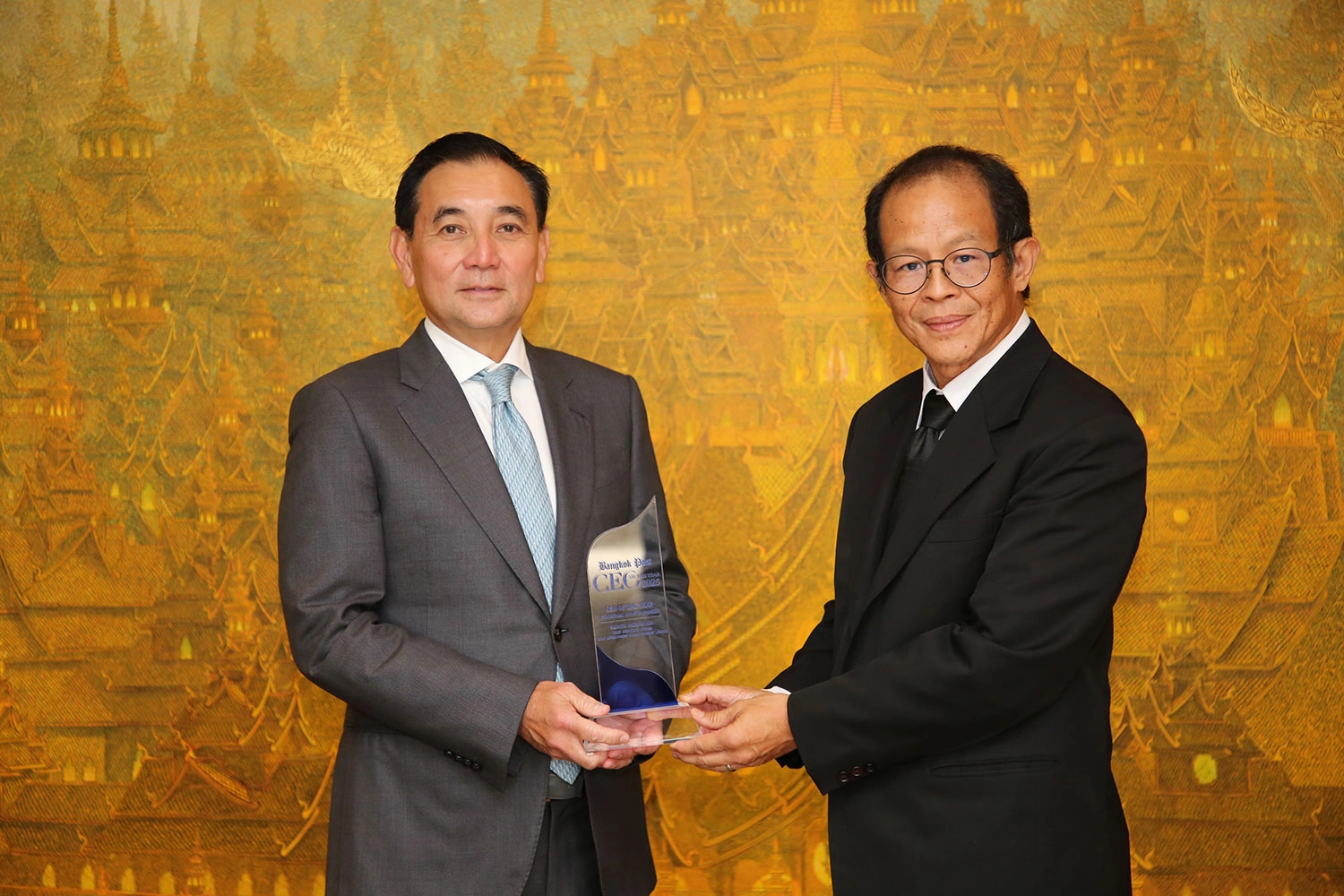
Sarath Ratanavadi did not set out to become a cryptocurrency strategist or a telecom mogul. But as chief executive officer of Gulf Development Plc, he has built a reputation for spotting growth potential in unfamiliar sectors and acting decisively.
Originally rooted in electricity generation and trade, Gulf under Mr Sarath’s leadership has evolved into a multi-sector powerhouse. In recent years, the company has expanded into transport infrastructure, digital services, and even cryptocurrency — fields far removed from its energy origins.
For Mr. Sarath, the lack of prior expertise is no barrier.
“We need to be educated about them,” he said of cryptocurrencies. “They may be a future trend, offering cashless transactions and potentially becoming an international reserve fund.”
Gulf’s entry into the crypto space came in 2024 through a joint venture with Binance, the world’s largest cryptocurrency exchange. It was a bold move, but one consistent with Mr. Sarath’s vision of future-facing growth.
That same vision is driving Gulf’s push into data infrastructure. With the rise of cloud computing and generative AI, the company is developing data centres, the first of which, with an IT load of 20 megawatts, already opened in mid-2025.
Mr. Sarath now oversees a portfolio that spans energy, transport and digital infrastructure, positioning Gulf at the intersection of Thailand’s industrial transformation.
Energy remains Gulf’s core, but the focus has shifted towards renewables. The company aims to increase its renewable power supply from 10% to over 40% by 2035.
Clean development is a key focus, Mr. Sarath said, citing climate action and decarbonisation as strategic imperatives.
He is guiding investments into next-generation energy projects such as the development of 12 industrial waste-to-energy plants nationwide.
Gulf is also commissioning large-scale gas-fired power plants like Gulf Pluak Daeng and expanding its liquefied natural gas imports to support both its power plants and industrial clients.
While renewables are essential to combat global warming, Mr. Sarath argues that natural gas remains vital during Thailand’s energy transition. He emphasises the need for policymakers to balance fuel types while ensuring stable supply, affordable electricity and environmental integrity.
Beyond energy and digital ventures, Gulf has made strategic moves in telecommunications. Its investment and eventual merger with Intouch Holdings Plc, the parent of Advanced Info Service (AIS), gave Gulf a strong foothold in Thailand’s digital economy.
“Telecommunication systems go beyond telephone calls,” Mr. Sarath noted. “They’re basic infrastructure, and they’re data-driven.”
Infrastructure development is another pillar of Gulf’s growth. The company has invested in two major motorway projects: Bang Yai-Kanchanaburi and Bang Pa-in-Nakhon Ratchasima.
He said these ventures not only support industrial expansion but also contribute to national economic resilience.
“I want to contribute to the continued growth of the Thai economy,” Mr. Sarath said.
“I also want to ensure Thailand doesn’t become a country that’s forgotten by the public.”
From energy to AI, Mr. Sarath is reshaping Thailand’s industrial landscape — not by following trends, but by pioneering them.
