Listen


 Facebook
 Reddit
 Copy Link


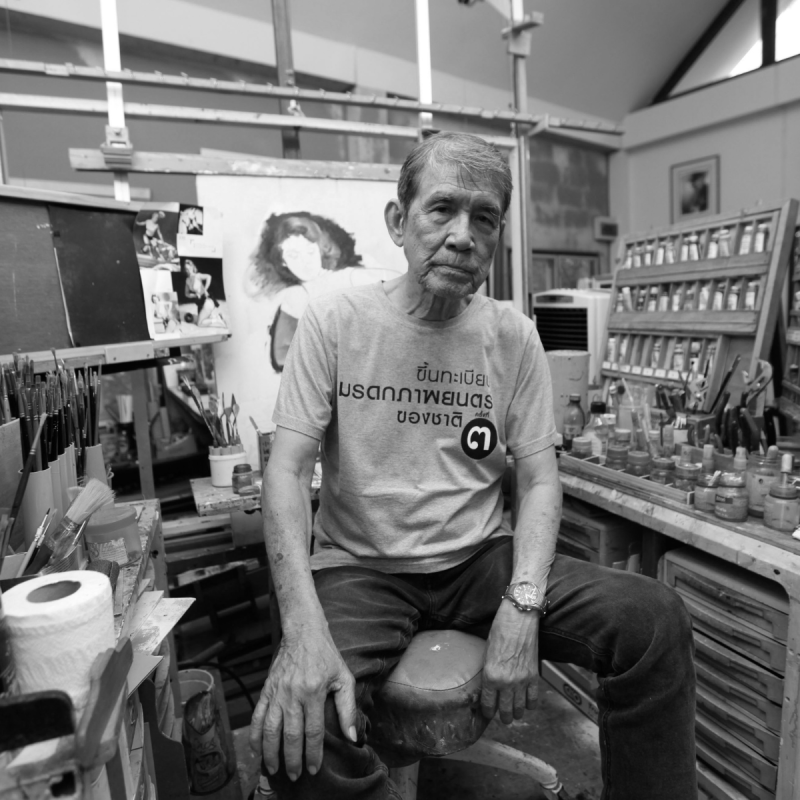
Somboonsuk Niyomsiri, the Thai National Artist better known by his professional name, Piak Poster, died peacefully on Sept 24 at the age of 93. He painted more than 1,000 Thai film posters before becoming one of the country’s most celebrated directors.
The Facebook page "Dara Phapphayon" announced that Somboonsuk died at 1.15pm, 24 days short of his 94th birthday.
He was named a National Artist in performing arts (film and television) in 2015.
The poster boy
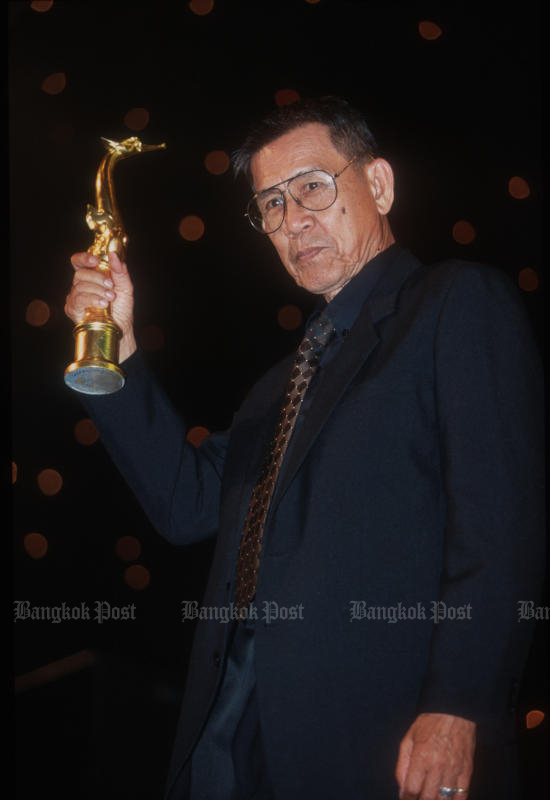
Veteran director Piak Poster was honoured with a lifetime-achievement award. (Photo: Taweechai Tawatpakorn)
Born in Bangkok, Somboonsuk showed an interest in painting from childhood. He studied at Poh Chang Academy of Arts and began painting advertisements at the age of 17.
His breakthrough came in the early 1950s when a movie promoter asked him to paint actors for cinema billboards.
His first film was Pi Chai (Brother), starring Sor Assanachinda. He went on to paint large-scale hand-painted cut-outs and posters for Thai and foreign stars, and his colourful, montage-style work made 'Piak Poster' a household name.
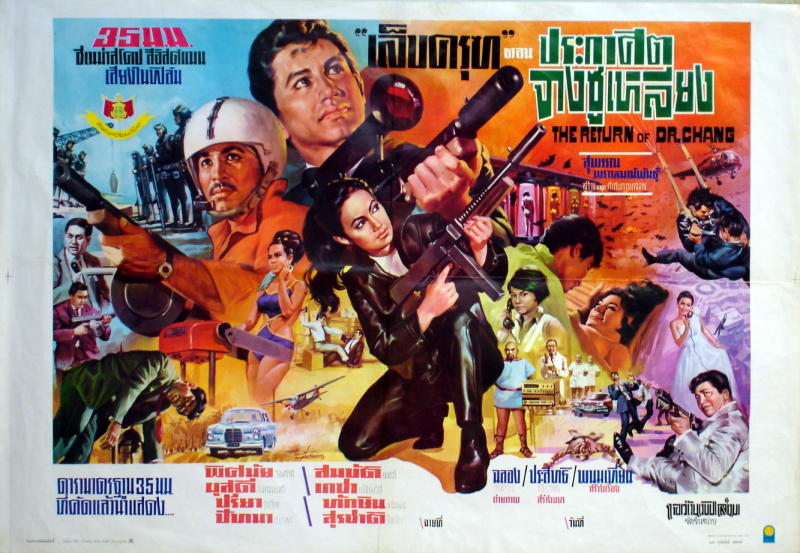
A movie poster painted by Piak Poster in the 1960s.
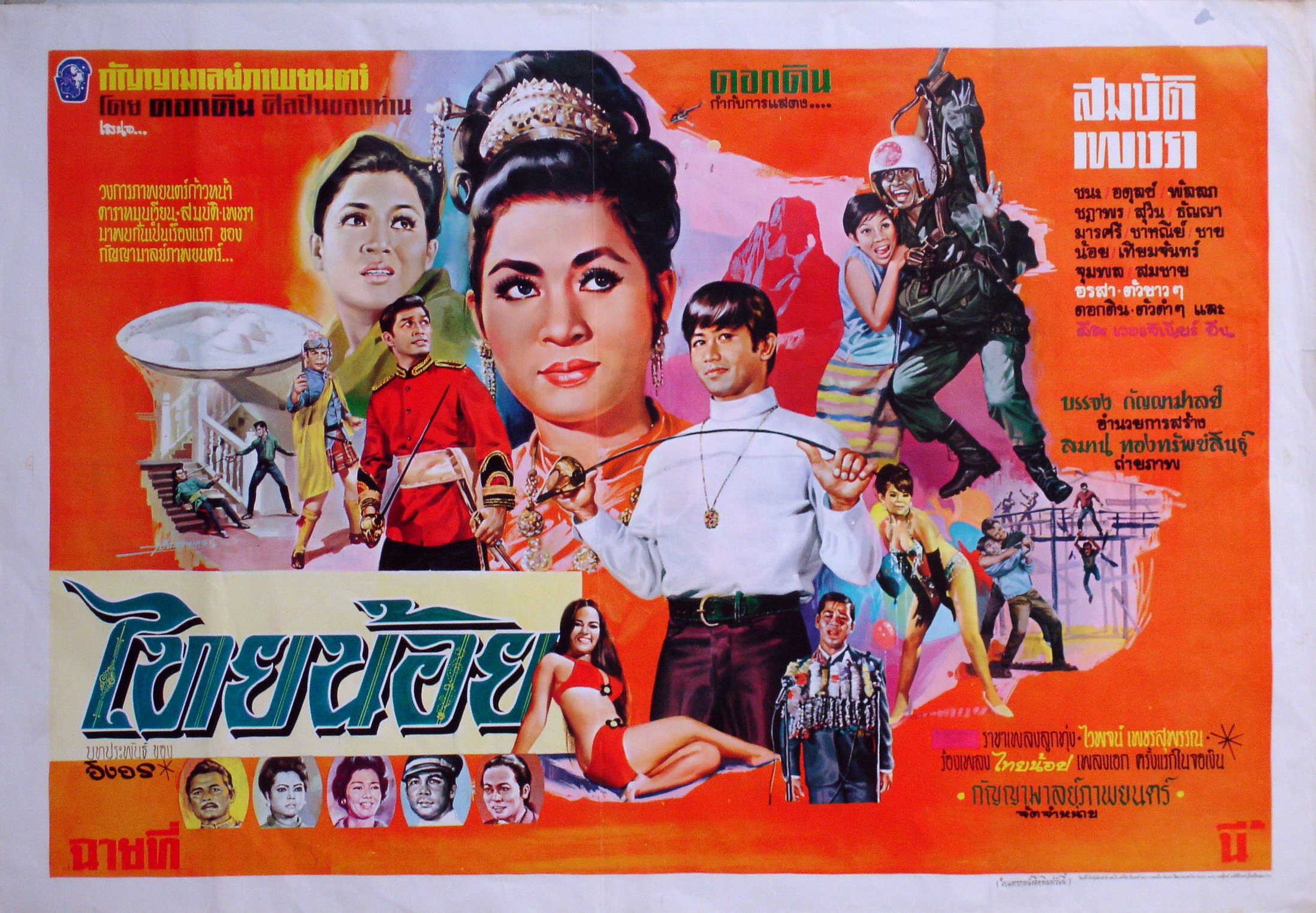
A Piak Poster piece for the film Thai Noi.
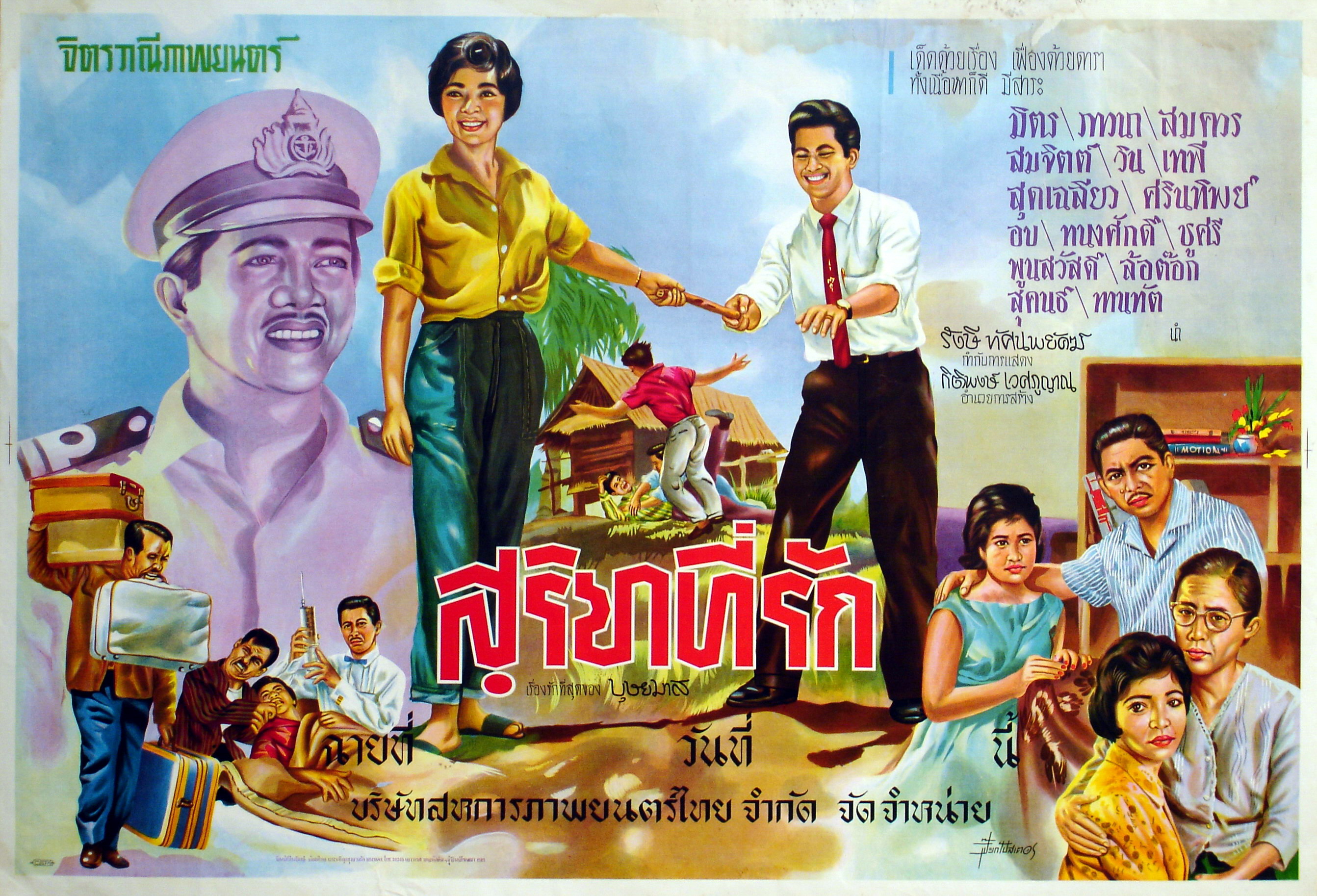
An example of Piak Poster's work.
He turned to directing in 1970 with Tone, a drama about a poor temple boy's life in Bangkok. Made without the backing of a major studio or top-name stars, it was a surprise box-office hit and has come to be regarded as a milestone of Thailand's 35mm era.
He followed it with Duang (1971) and Choo (The Adulterer, 1972), and the three are now considered classics of Thai cinema.
His teen comedy Wai Olawon (1976) helped launch a wave of films aimed at young audiences.
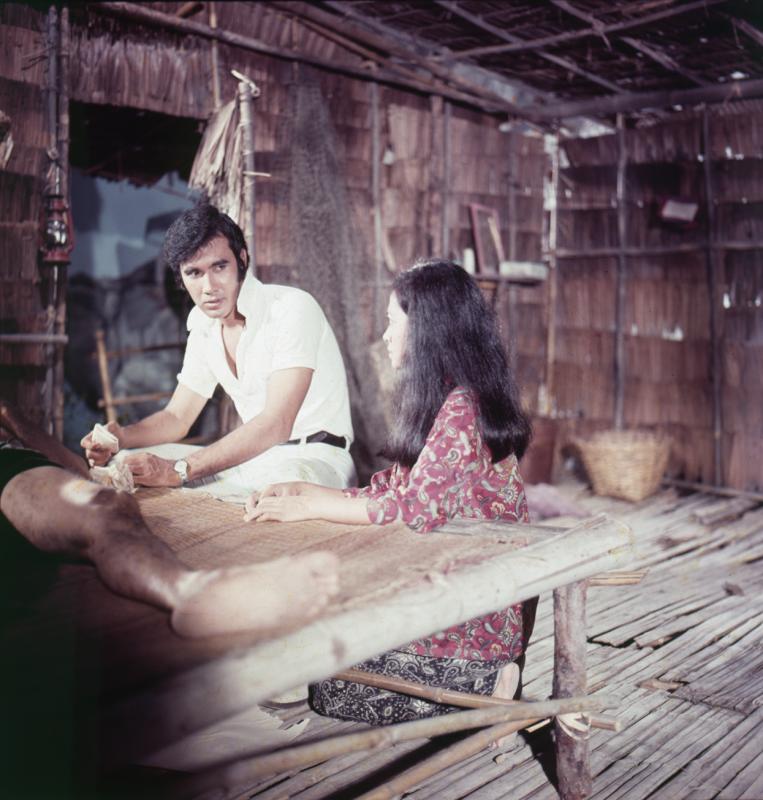
Krung Srivilai, left, and Wandee Sritrang in Choo, a 1972 film by Piak Poster.
Somboonsuk made 29 films in all, ending with Bin Laek in 1995. He was also credited as a pioneer of storyboarding in Thai cinema, a technique he brought back from a three-month internship at Daiei Film in Tokyo. He would even win a best supporting actor award from the Bangkok Critics Assembly Awards for Top Secret: Wairun Phan Lan.
He was also a key figure in preserving Thai film history. He sat on the committee that established the Thai Film Archive and in 1984 became its first donor of film reels, along with documents and filming equipment for future generations.
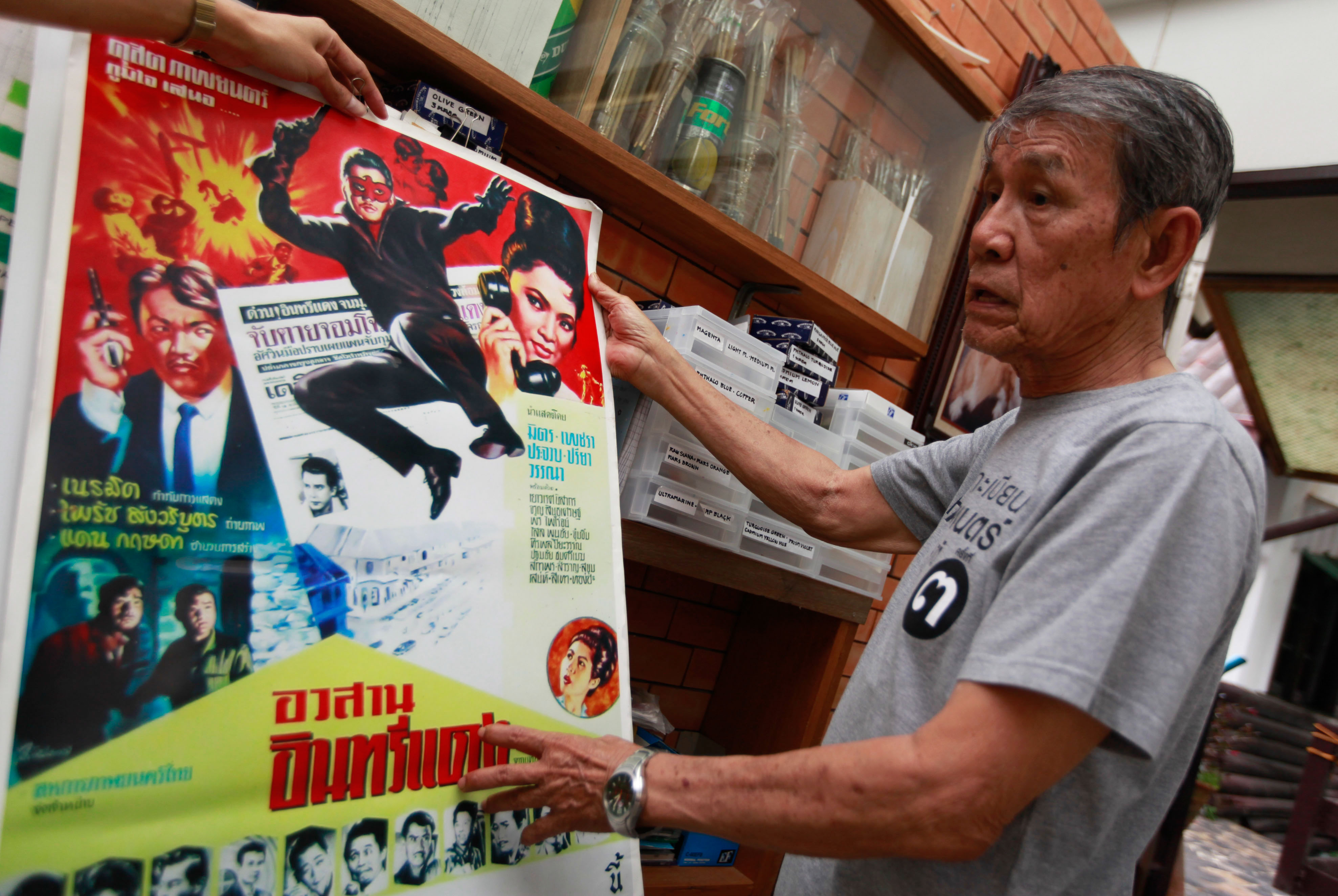
Piak Poster during an interview with the Bangkok Post ahead of receiving his National Artist honour in 2015. (Photo: Jiraporn Kuhakan)
After retiring from film, Somboonsuk moved to Pak Chong in Nakhon Ratchasima province and returned to painting portraits for clients.
"Making movies was a great ride, but now I am happy to do what I love again," he told the Bangkok Post ahead of receiving his National Artist honour.