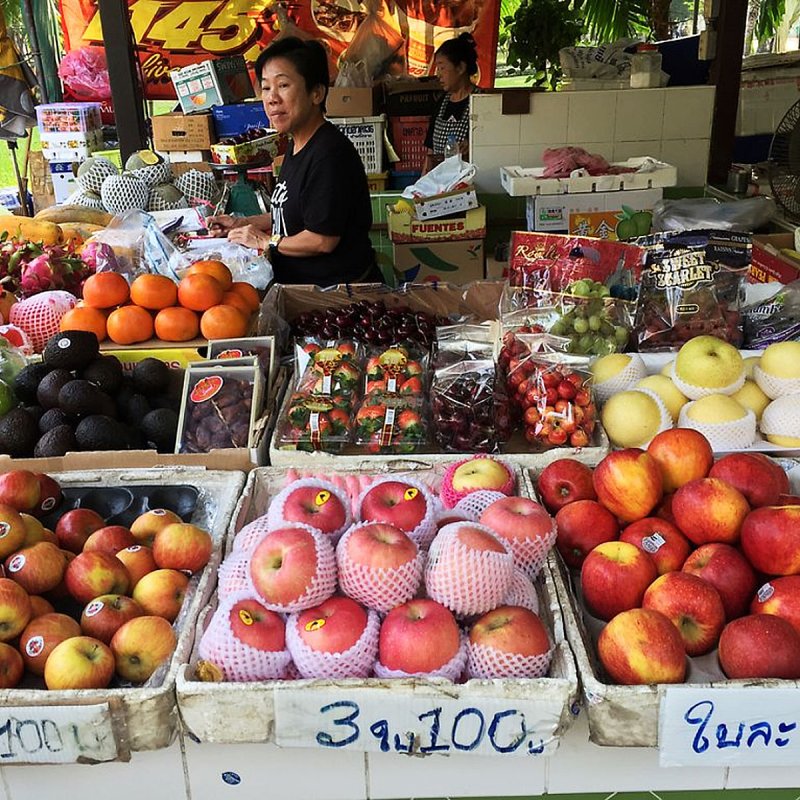
The pad kra pao cart that used to be outside the office is gone. So is the one near the mouth of the soi, and the noodle place that operated out of what appeared to be a converted shopping trolley. Since 2022, 10,000 street vendors have vanished from Bangkok’s pavements as the BMA accelerates its push to clear major roads and move vendors into designated hawker centres as part of a broader effort toward better urban management and pedestrian flow.
Mourning it is understandable. Street food in Bangkok is not just a dining option but a social infrastructure, the affordable daily meal available to everyone regardless of income, the lunch that an office worker and a motorcycle taxi driver can eat at the same cart for the same price. The pavements were never just transit corridors. They were, in their chaotic and congested way, social space, and the carts were part of what made them worth being on.
The official rationale, though, is not without merit. Bangkok's pavements are famously difficult to navigate, and the argument that clearing them improves accessibility, particularly for the elderly and people with disabilities, is a real one. The question was always whether the carts would find a new home that worked, for them and for the people who depended on them, and the early signs from the city's newest hawker centre suggest the answer might be yes.
The BMA opened its hawker centre near Lumphini Park in April, with around 130 stalls operating in morning and evening shifts, at a rental rate of approximately 60 baht per stall per day, an intentionally low figure designed to keep the space accessible to vendors who could not absorb higher overheads. Vendors who previously struggled with relocation and informal street fees have described feeling more financially secure, no longer subject to unexpected costs or unofficial payments. One noodle vendor who had been selling to morning runners near the park since 2004 said the move had been an upgrade, with reliable water and electricity access and a roof over her head during the worst of the heat. The BMA has also partnered with LINE MAN to support vendors with payment systems and online sales channels, which is the kind of practical infrastructure support that makes the difference between a relocation that works and one that doesn't.
Governor Chadchart has described the project as being not only about organising street vendors but about creating opportunity, ensuring food affordability, and strengthening the grassroots economy while shaping the city's identity in the long term, and there is a version of this that works: a city where the food is still there, still affordable, still run by the same people, just under a roof and with a functioning drainage system. The BMA has indicated the hawker centre model may be expanded to other areas of Bangkok, which would mean more vendors brought in from precarious street operations into something more stable.
What Bangkok is attempting, cautiously and imperfectly, is a version of the same thing Singapore figured out decades ago: that street food culture and urban order are not mutually exclusive, and that the carts do not have to disappear, only find a better home.