
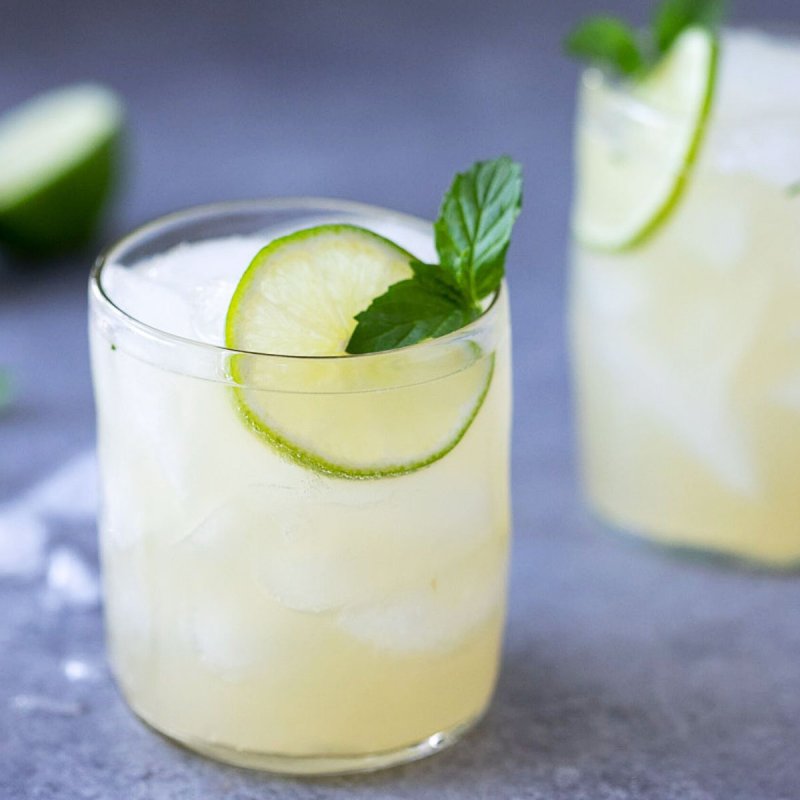
The mocktail menu used to be an afterthought, three items at the bottom of the drinks list sitting between the soft drinks and the water, there for the pregnant woman at the table and nobody else. Bangkok's better bars now treat the zero-proof section with the same attention as the cocktail programme, and some have gone further, building entire menus around the premise that a drink without alcohol is not a lesser drink but a different one. Bangkok's leading mixologists have embraced the shift, crafting thoughtfully layered drinks that make liberal use of botanicals, herbs, and fresh fruits, and the MICHELIN-recognised bars producing them are not doing so as a gesture toward inclusion but because the demand is real.
The narrative driving this is that Gen Z doesn't drink, and it is only partially true. IWSR data shows Gen Z alcohol consumption actually rose from 66% in 2023 to 73% by early 2025, suggesting the earlier dip had more to do with financial constraints than cultural shift. The generation is not sober so much as it is sober-curious, which is a meaningfully different thing: interested in controlling how they drink, when they drink, and what the experience costs them the next morning, without necessarily committing to abstinence. 61% of Gen Z said they planned to cut alcohol consumption in 2025, up from 40% the year prior, but planning to cut back and actually stopping are different decisions, and the non-alcoholic beverage industry has been smart enough to position itself for both.
What has changed in Bangkok is less the drinking behaviour than the infrastructure around drinking. The coffee and matcha rave, the zero-proof cocktail bar, the gym social that replaces the post-work drink: these are not signs of a generation abandoning alcohol so much as signs of a generation that has more options for how to socialise and is exercising them. Thailand's strict alcohol advertising laws and restricted sale hours have always pushed a portion of the market toward alternatives, and the current wellness wave has given that push a cultural vocabulary it did not previously have. Being sober-curious now comes with an identity attached, and identities, in Bangkok, generate their own consumer ecosystems.
Thailand's non-alcoholic beverage market is growing, with significant opportunities in the sober-curious segment, and flavoured drinks represented 88% of all new launches between 2024 and 2025, a rise of 31% from the previous period. The products filling Bangkok's convenience store shelves and cafe menus are not replacing alcohol so much as expanding the category of drinks worth paying attention to. The kombuchas, the botanical sodas, the adaptogen drinks promising calm focus: these are not direct substitutes for a glass of wine but a parallel track, and the consumer who buys them on a Tuesday is not necessarily the same consumer who orders a Negroni on Friday.
The more accurate picture of Bangkok's drinking culture right now is one of segmentation rather than abstinence. The craft cocktail scene is thriving, the wine bar has become a serious institution, and the non-alcoholic menu has grown sophisticated enough to sit alongside both. Zero-proof cocktails are being designed with the same intent and technique as their alcoholic counterparts, with bartenders noting that without alcohol there is nowhere to hide and the drink becomes a genuine test of skill.
Bangkok is not going sober, and the data suggests it never really was. What has shifted is that choosing not to drink no longer requires an explanation, and the mocktail at a serious bar, ordered without apology, is a reasonable measure of how far that has come.