Listen


 Facebook
 Reddit
 Copy Link


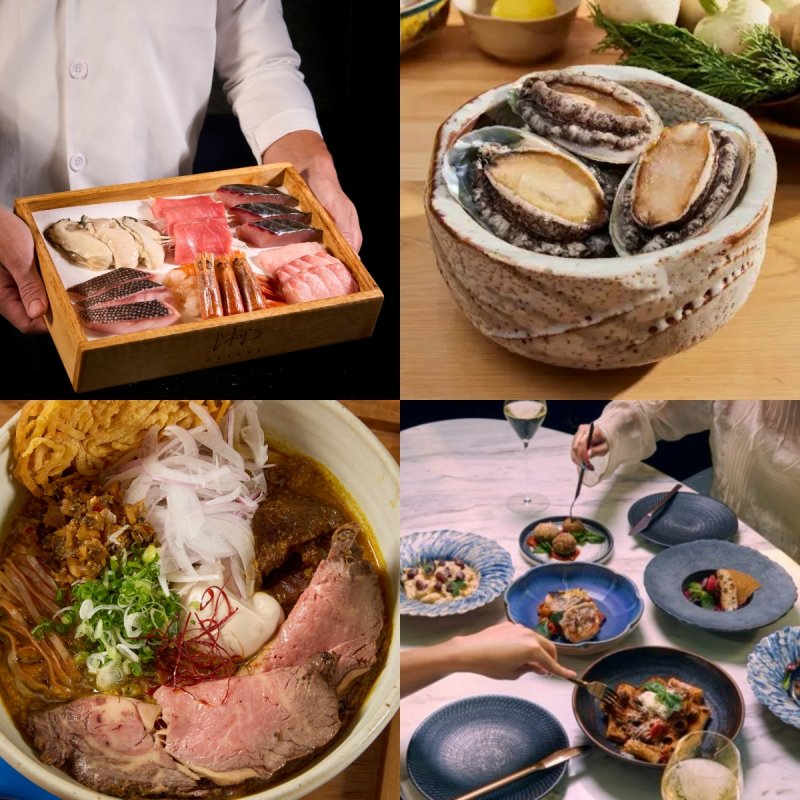
Bored of eating the same thing twice? Fear no more, here's a list of restaurants and bars that have shuffled things up to make sure you're never bored or short of choices while dining out.
Ginza Tenharu Bangkok
Ginza Tenharu Bangkok celebrates its 9th anniversary in Thailand, marking nearly a decade dedicated to the craft of tempura omakase.
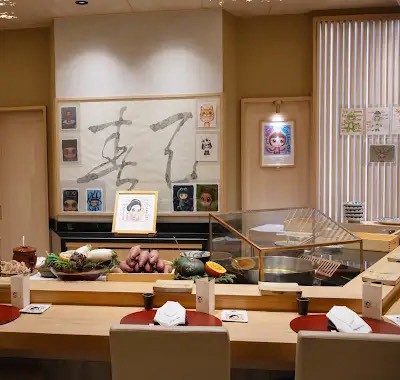
Since opening in 2017, the restaurant has continued to focus on the details that define high-level tempura — from ingredient selection and batter preparation to oil temperature, frying time and the precise moment each piece is served — with the aim of bringing out the natural flavour and texture of every ingredient.
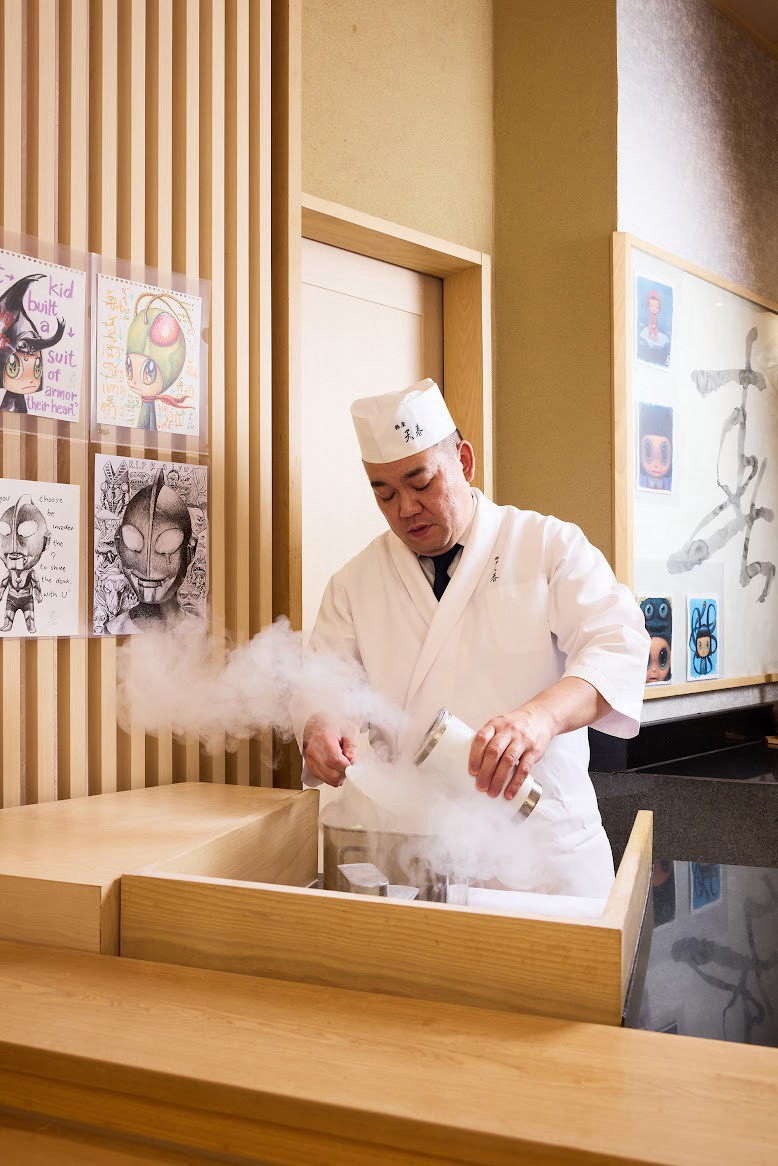
One of the developments introduced this year is the use of liquid nitrogen as part of Tenharu's tempura batter preparation. Taking advantage of its ability to reduce temperature rapidly, liquid nitrogen gives the chef another degree of control over the condition and temperature of the batter before it meets the hot oil — one of the many variables that can influence the final expression of tempura.
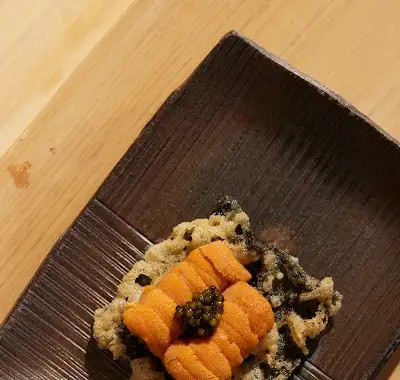
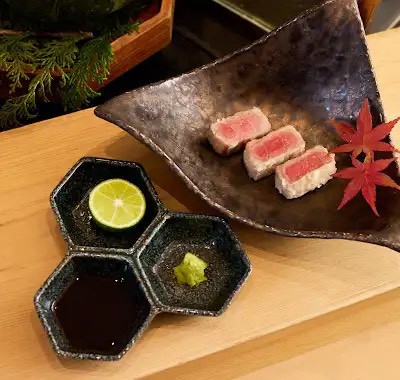
To mark its 9th anniversary, Tenharu also collaborated with Thai contemporary artist PEX — Pitakpong Jiamsripong, whose work has been featured in cultural projects in Japan including Godzilla The Art and, more recently, a project commemorating the 60th anniversary of Ultraman. For Tenharu, PEX interpreted Kisu, one of the classic ingredients of tempura, through a new abstract line artwork titled “Kisu Girl", offering a different perspective on an ingredient that the chef expresses through flavour, temperature and texture.
Jing
Jing the modern, casual Chinese restaurant at Andaz One Bangkok celebrates one of China’s most iconic culinary treasures: Traditional Beijing Roasted Duck. More than a signature dish, Jing’s Traditional Beijing Roasted Duck reflects centuries of heritage, craftsmanship and dedication to authentic preparation.
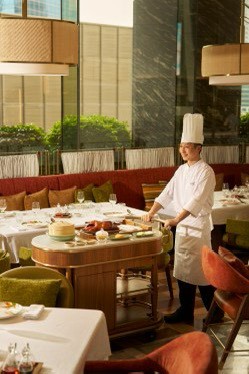
The preparation begins with the careful selection of Peking ducks of an ideal size, prized for their tender meat and balanced ratio of meat, fat and skin. Each duck undergoes a meticulous three-day drying process, allowing the skin to dry naturally before being roasted in a traditional hanging oven for approximately one hour. This method creates golden, crisp skin while retaining the succulent tenderness of the meat beneath.
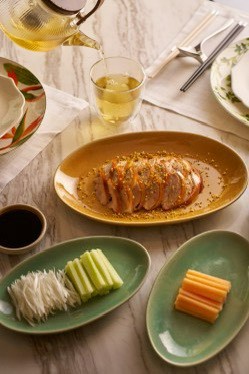
The roasting technique is one of the characteristics that sets Jing’s Traditional Beijing Roasted Duck apart from Cantonese-style roast duck. While the Cantonese method may use hot oil to help crisp the skin, the Beijing method achieves this through the roasting process itself, creating the crisp skin and tender meat characteristic of this Beijing classic.
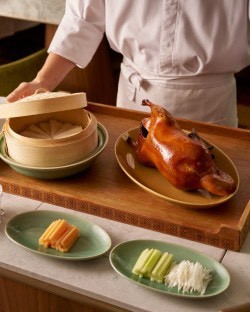
At Jing, the dish takes on a subtle touch of its own through the use of osmanthus, a flower with deep roots in Chinese culture and associations with success, honor, and achievement. At the table, diners begin with homemade osmanthus sugar served alongside the crisp duck skin. Thinly-sliced roasted duck is then served with pancakes and Beijing-style sauce.
The Slow-cooked duck soup offers a warm and comforting conclusion, while the Salt and pepper stir-fried duck presents a savoury alternative. Overseeing each stage is chef Hangqi "Jack" Sun, a roasted duck specialist.
Igniv Bangkok
Igniv Bangkok introduces its new Autumn Menu, a journey of 19 sharing plates that takes guests through Europe and is available through Nov 30, under the helm of new chef Dominik Falk.
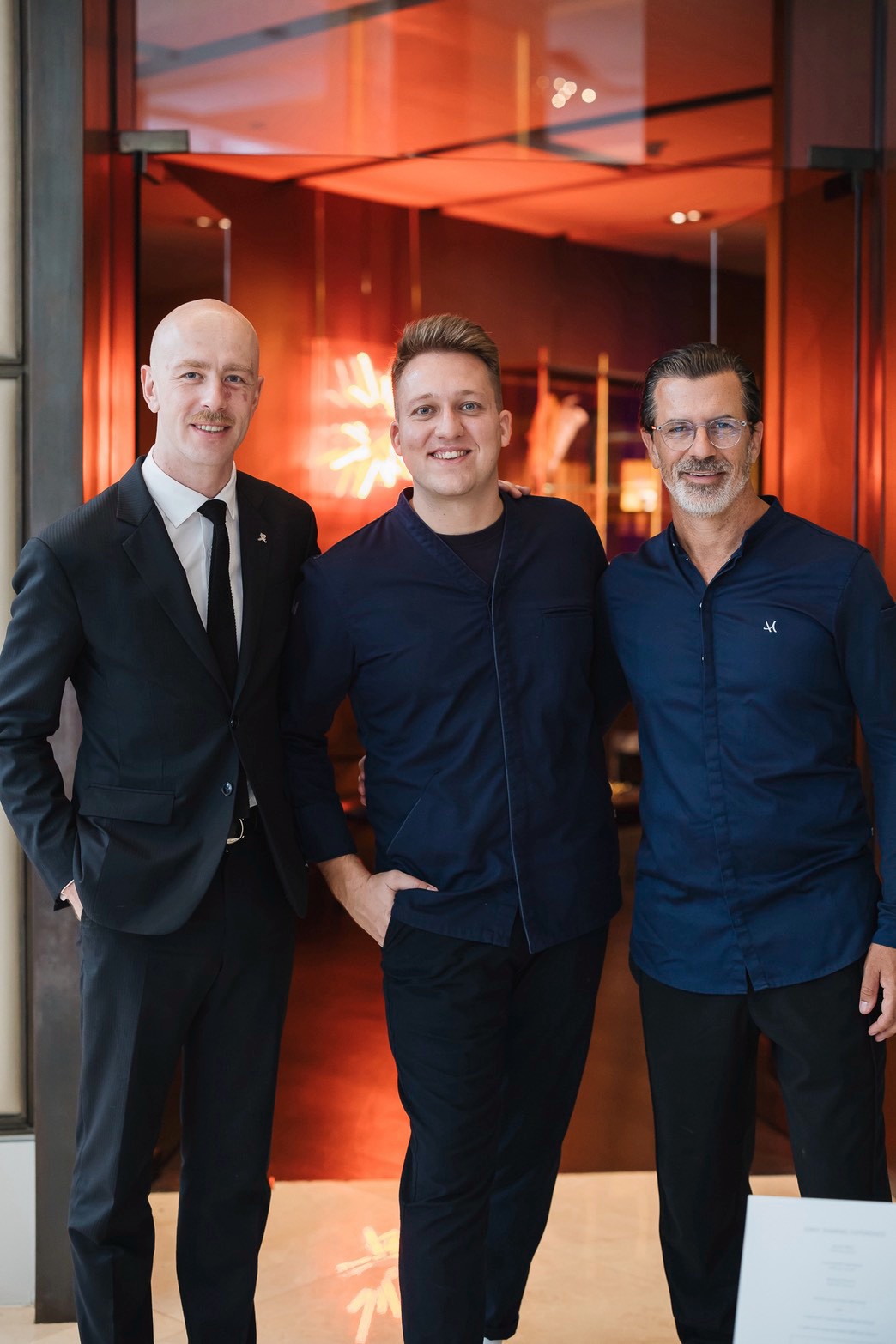
Executive chef Andreas Caminada introduced chef Falk to Bangkok and along with restaurant manager and sommelier, Christian Hotz, chef Falk will lead the restaurant into its next chapter, though still rooted in Swiss heritage and signature philosophy of sharing. “I’ve learnt a lot during my years at the castle [Schloss Schauenstein, chef Caminada’s three-star flagship in Fürstenau, in the Swiss canton of Graubünden], and now it’s my turn to put my ideas on a plate. I am really excited to do that. For me, cooking should be done with a heart full of passion. I think every guest will feel that on the plate. This is really important for me,” says chef Falk.
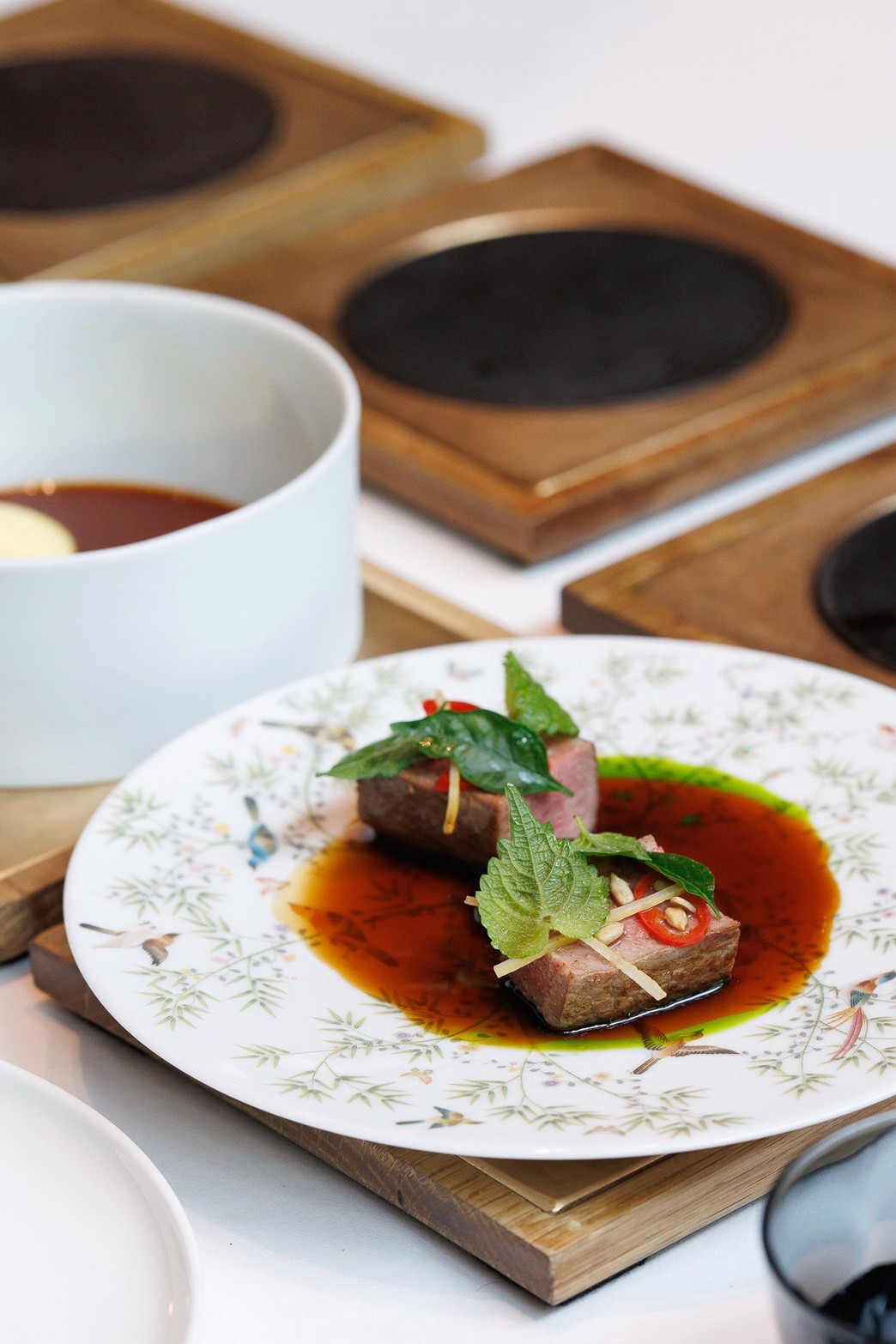
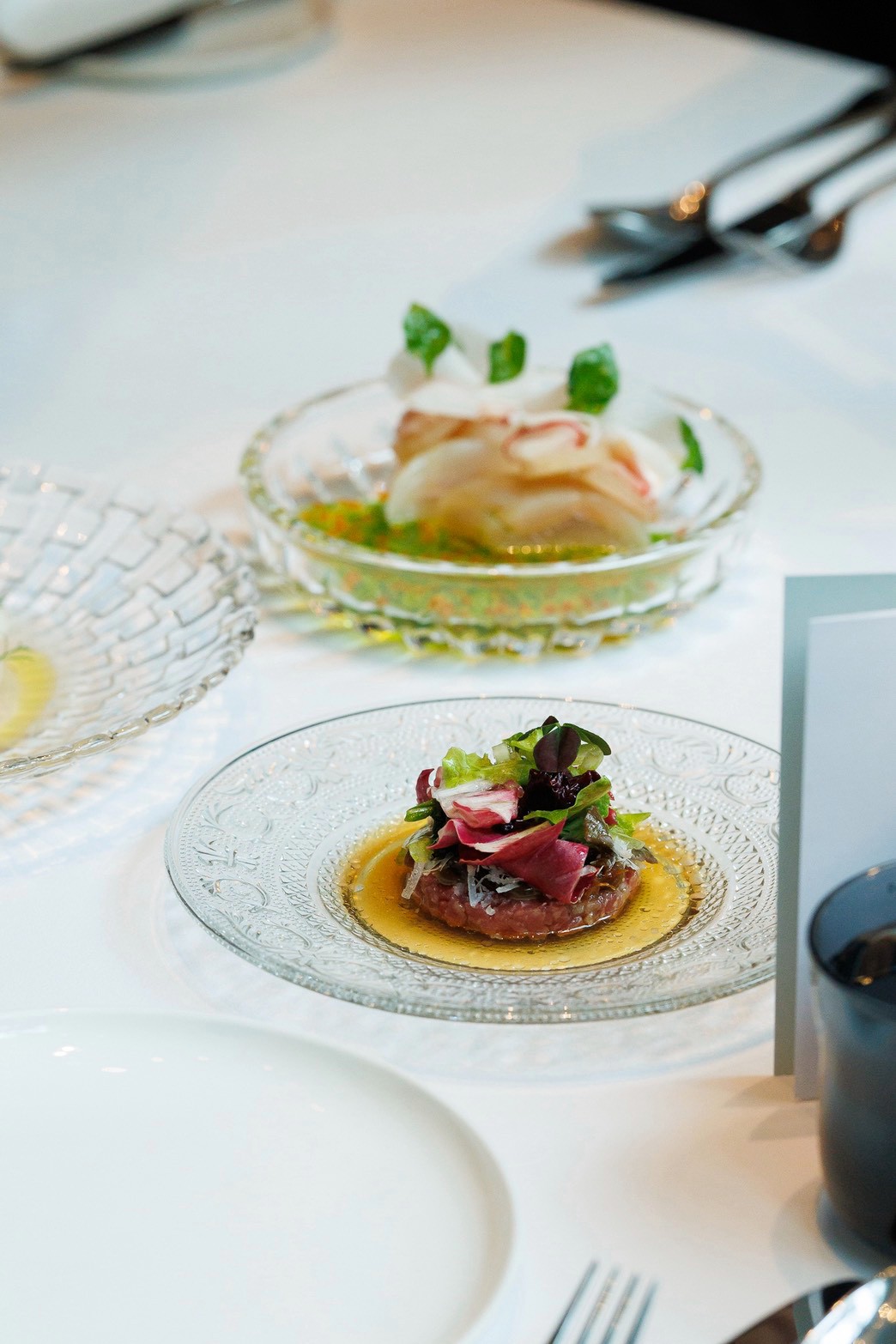
For autumn, he showcases European culinary techniques with Asian influences, using local ingredients presented through IGNIV’s distinctive lens in surprising combinations and contrasts. Banana blossom, trout, mountain kombu and beef feature alongside East Asian influences such as madai, ponzu, and kimchi, creating delicate yet dynamic flavours throughout the menu. Among the highlights, French turbot paired with a mountain kombu beurre blanc that brings umami to a classic French sauce, while Banana blossom, apple and macadamia transforms the local Thai ingredient into a rich yet fresh Italian-Swiss-inspired dish. Thai influences also appear in foie gras dishes, showcasing ingredients served at contrasting temperatures with Makhwaen and Thai plum, before Vermicelles – Cherry draws inspiration from the Swiss chestnut classic with a vibrant cherry accent, bridging Swiss culinary tradition with the familiar appeal of chestnuts in Thailand.
Ms.Jigger
Ms.Jigger at Kimpton Maa-Lai Bangkok welcomes a new season with a wide-ranging menu update. Discover new additions to the à la carte menu, refreshed weekday and weekend set lunches and the latest autumn-themed afternoon tea.
Carefully curated dishes span the full arc of an Italian meal. Cicchetti opens with frittata di spaghettoni, a guanciale ham linguine frittata paired with stracciatella and tuna tartare, finished with sesame. From the antipasti comes Cavolfiore cacio e pepe roasted cauliflower in a cacio e pepe sauce with organic mixed leaves and toasted pine nuts, while the soup course introduces Zuppa di carote e zenzero, a Royal Project baby organic carrot and ginger soup topped with buffalo mozzarella and sunflower seeds. Primi sees two new pastas: Gnocchi con porcini, crema al tartufo e mascarpone, homemade gnocchi with porcini mushrooms, mascarpone and black truffle sauce, and Fusilli alle vongole veraci con pesto e stracciatella, Manila clam fusilli tossed with pesto and stracciatella. The pizza menu welcomes Fior di latte, a pizza topped with buffalo mozzarella, Mortadella ham, balsamic reduction and pistachio. From the main course grill presents Filetto di salmone al forno, baked salmon with caviar, oyster martini sauce, Manila clams, mashed cauliflower and baby carrots, alongside carré d'agnello al pistacchio, pistachio-crusted lamb chops served with black truffle potato croquette, onion jam, red wine sauce and wild mushroom Marsala sauce.
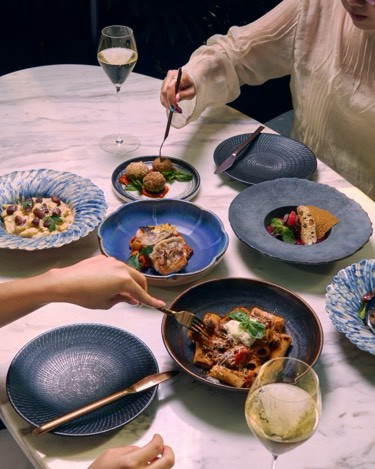
Ms.Jigger's set lunch gets a refresh across both weekday and weekend offerings. The Weekday Set Lunch offers a three-course meal, with a choice of appetiser, main course and dessert, plus a soft drink, coffee or tea. The Weekend Set Lunch adds a free-flow spread of cold cuts and cheese, salad and many delicious Italian appetisers ahead of the main course.
Ojo Bangkok
“Domingos en Ojo” is a new dining experience on the last Sunday of every month, bringing together Mexican flavours, drinks, live music and panoramic views of Bangkok at Ojo.
The first edition welcomed Delia from Bangkok and Los Tacos from Manila for a one-day collaboration, bringing their own take on Mexican flavours to Ojo. Guests can enjoy unlimited tacos and a Frozen Ojo Margarita, alongside live music by Siam Cubanos. Domingos en Ojo will continue on the last Sunday of every month, with guest chefs from restaurants in Thailand and around the world joining the line-up every other month to create new dishes and experiences for guests to discover.
Kayaki
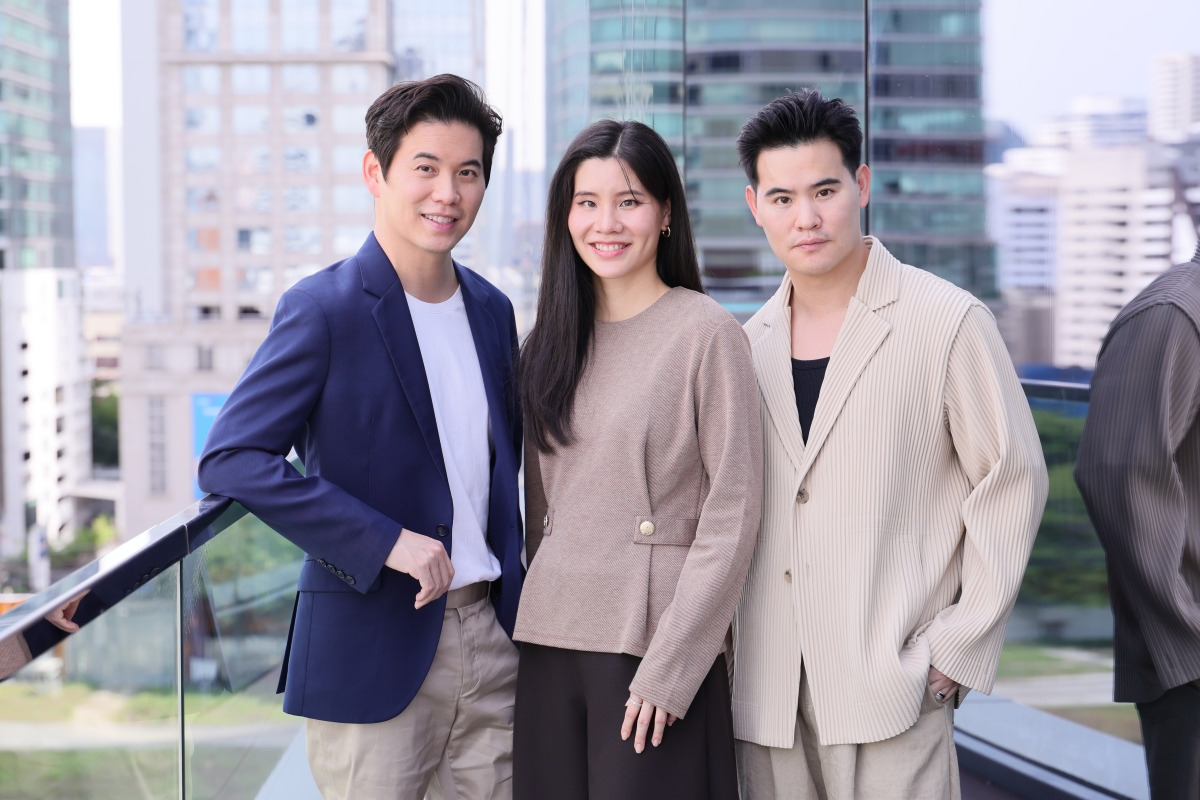
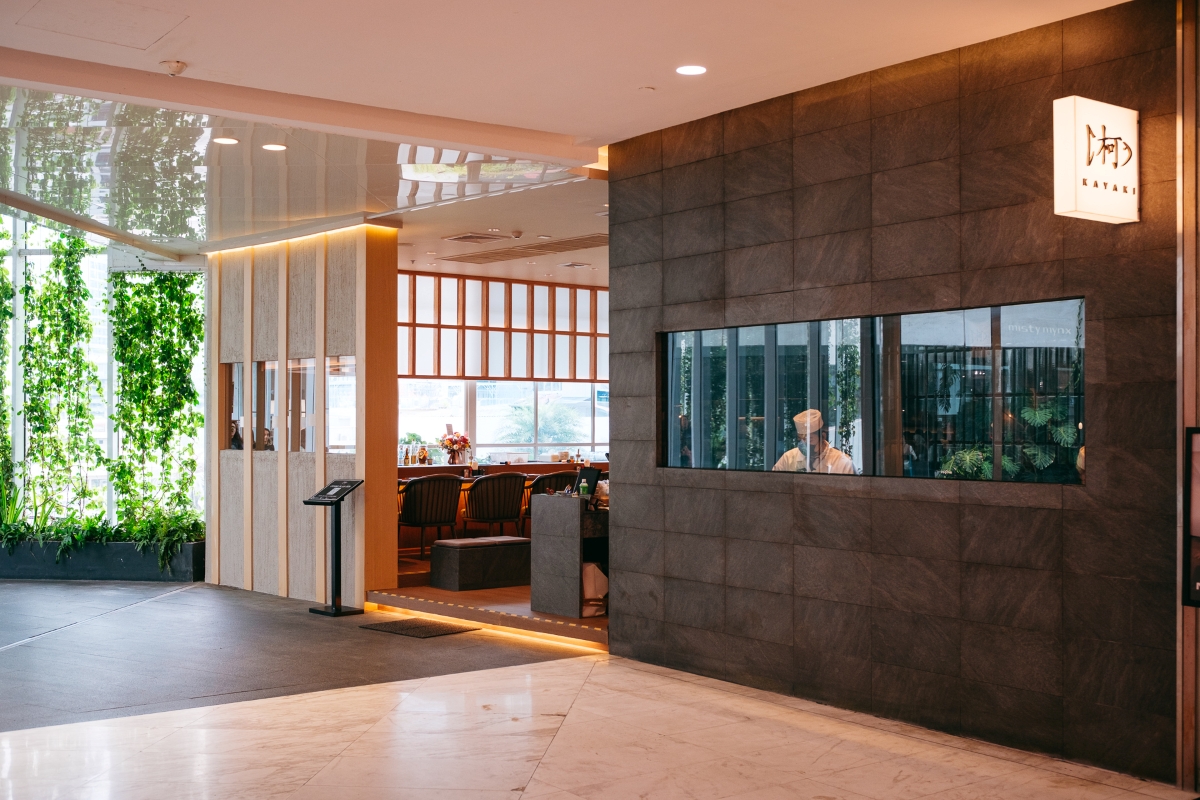
The Kobkulsuwan sibling restaurateur trio — Panitan, Paniti and Pavitra — brings the yakizakana concept to a new location. Premium Japanese grilled fish and seafood specialist Kayaki has opened in The EmQuartier's Building C, marking its third Bangkok branch. The branch seats 34 with different setups for solo, couple and family diners.
The branch keeps the same minimalist vibe but introduces a new set menu called Toyosu. If the name rings a bell, it's because the new set is named after the famous fish market in Tokyo.
The set's four highlights are oyster, live hokkigai, sawara and abura bouzu. As usual with Kayaki, deep-pocketed diners get to have a little show of live cooking before them by a chef assigned to their seat. They are going to be showing you prized ingredients and advising you on how to enjoy each bite.
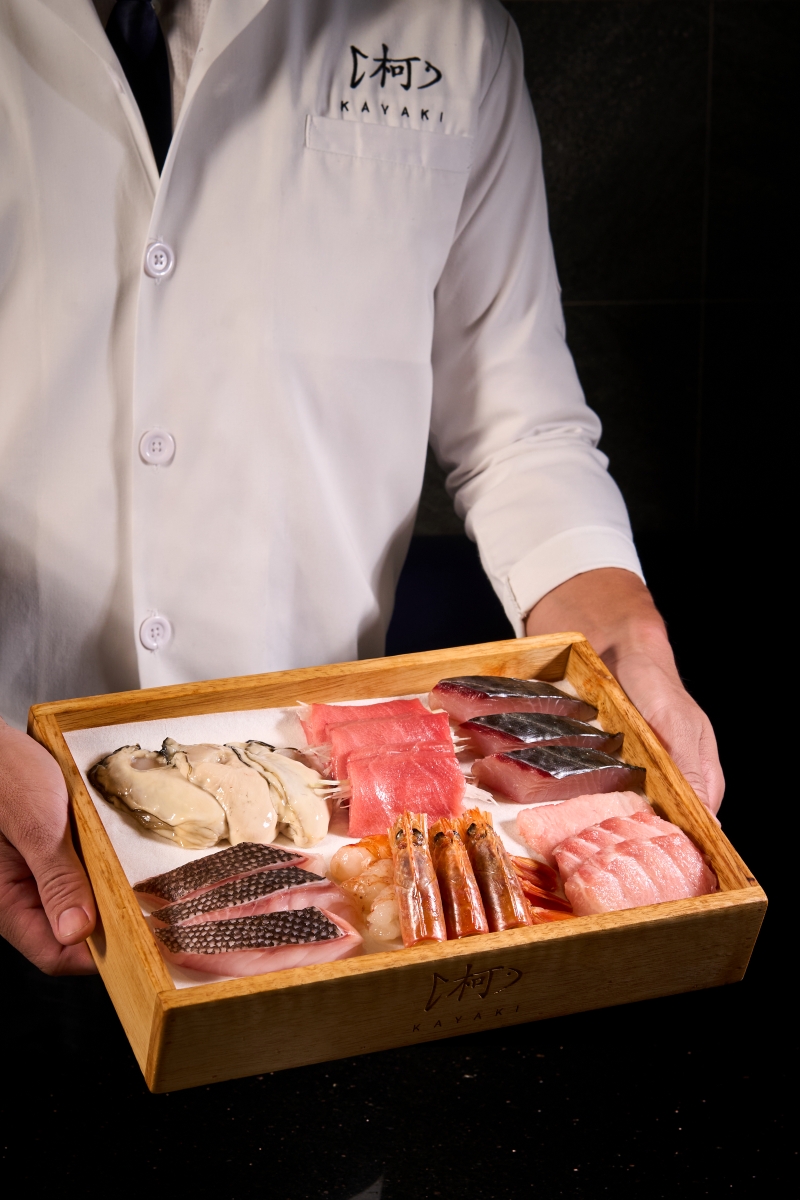
The six-bite Toyosu begins with Oyster, which can be upgraded to live hokkigai for an additional fee. While the oyster is served with the restaurant’s signature ponzu sauce, the hokkigai is paired with scallions cooked in sesame oil. Up next is Chutoro Leek, which is fatty tuna interleaved with fresh scallions. The tuna's richness is then followed by Sawara, a white-fleshed fish that cleanses the palate, enjoyed with grated daikon, ginger and shoyu.
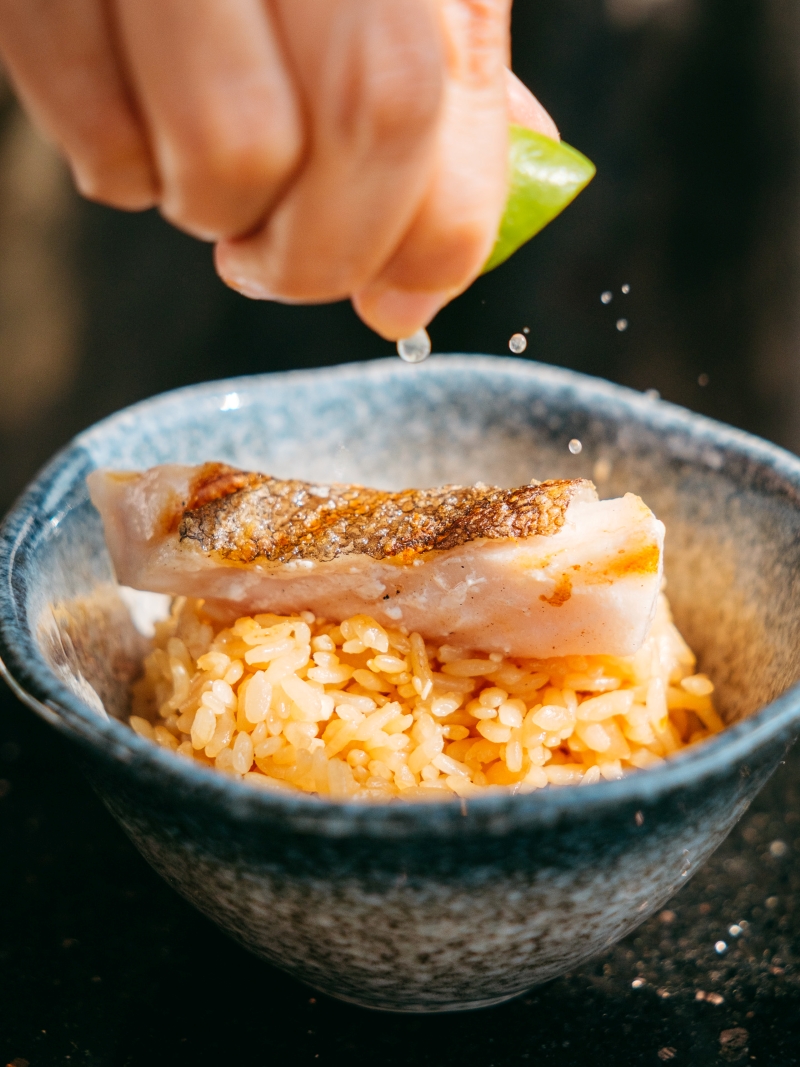
The melt-in-the-mouth moment comes aplenty with Abura bouzu, which is the "oily boy" served with wasabi and lime. Up next is the delicate sweetness of Aka ebi, Argentine red shrimp paired with wasabi and lime. Capping off the meal with richness from Otoro suki, premium tuna belly served with raw egg and sukiyaki sauce.
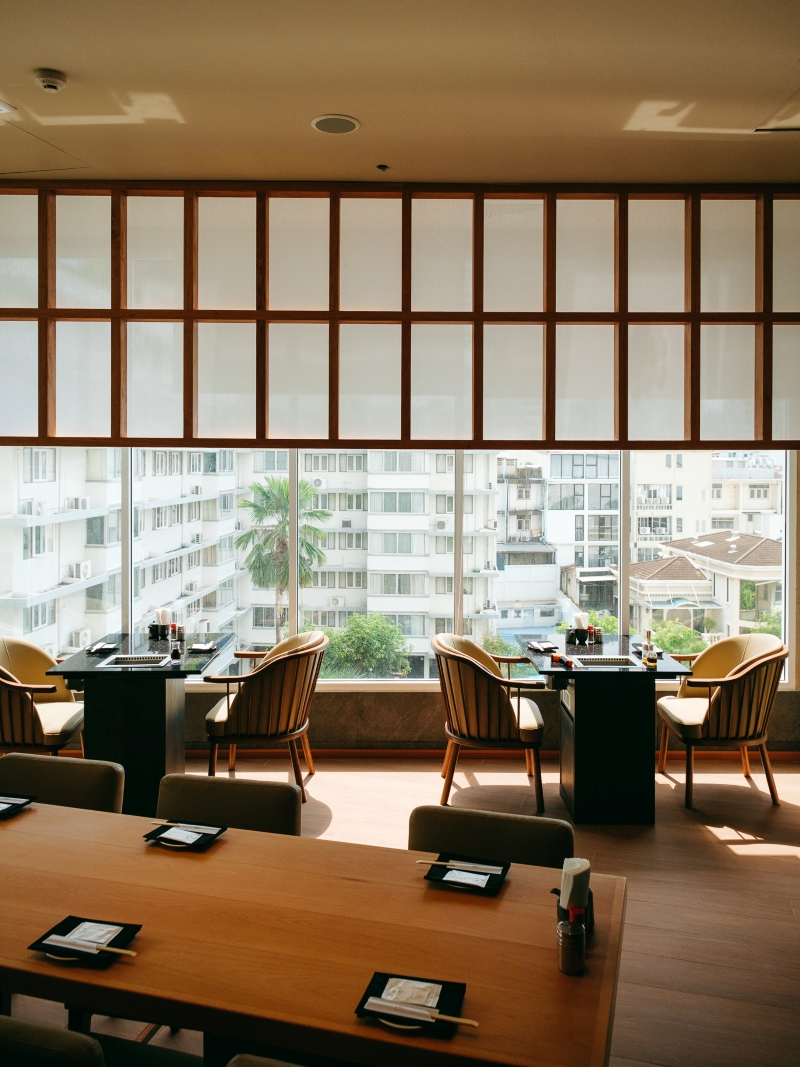
Moreover, Kayaki has launched a delivery service for homebodies. For those with inner chefs, Kayaki can also offer them fresh ingredients accompanied by detailed grilling instructions so they can try their hand at yakizakana.
Wiang
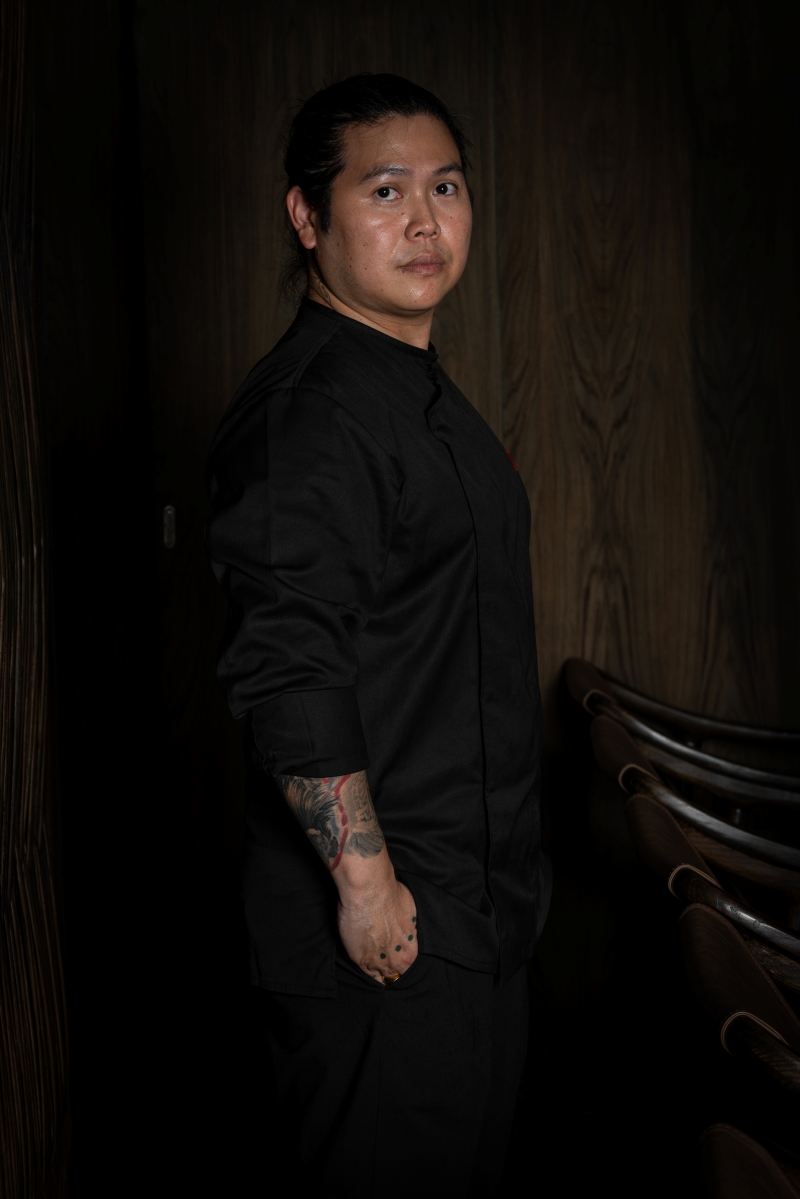
Sharing the same address with Taang in Erawan Bangkok, Wiang is a less formal concept compared to the former but both are run by chef Kongwut Chaiwongkachon of now-defunct Locus Native Food Lab.
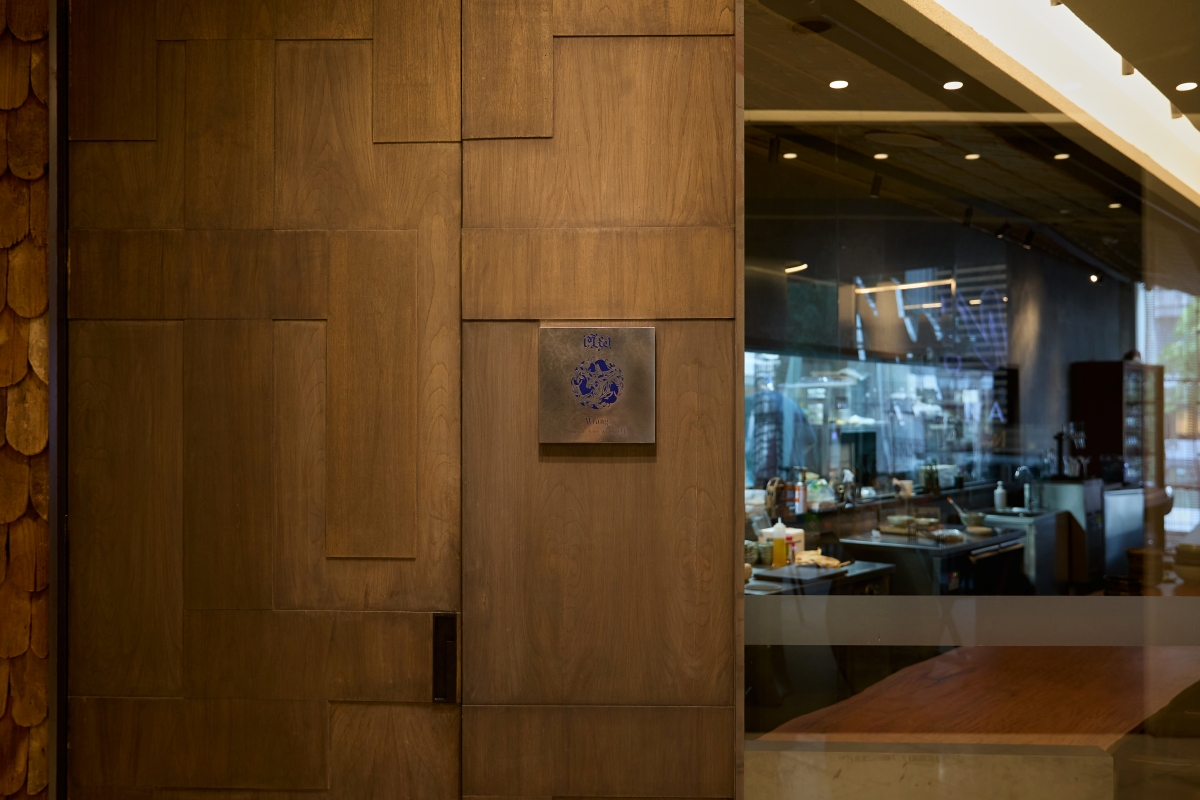
Wiang is a kind of place you drop by for a deep dive into five versions of khaosoi. Derived from the northern Thai word for "city”, Wiang presents the iconic northern dish not as a single, fixed recipe but explores how it has evolved through centuries of cultural exchange along ancient trade routes linking Yunnan, the Shan States, Lanna, India and the Islamic world. Basically the same concept as Taang.
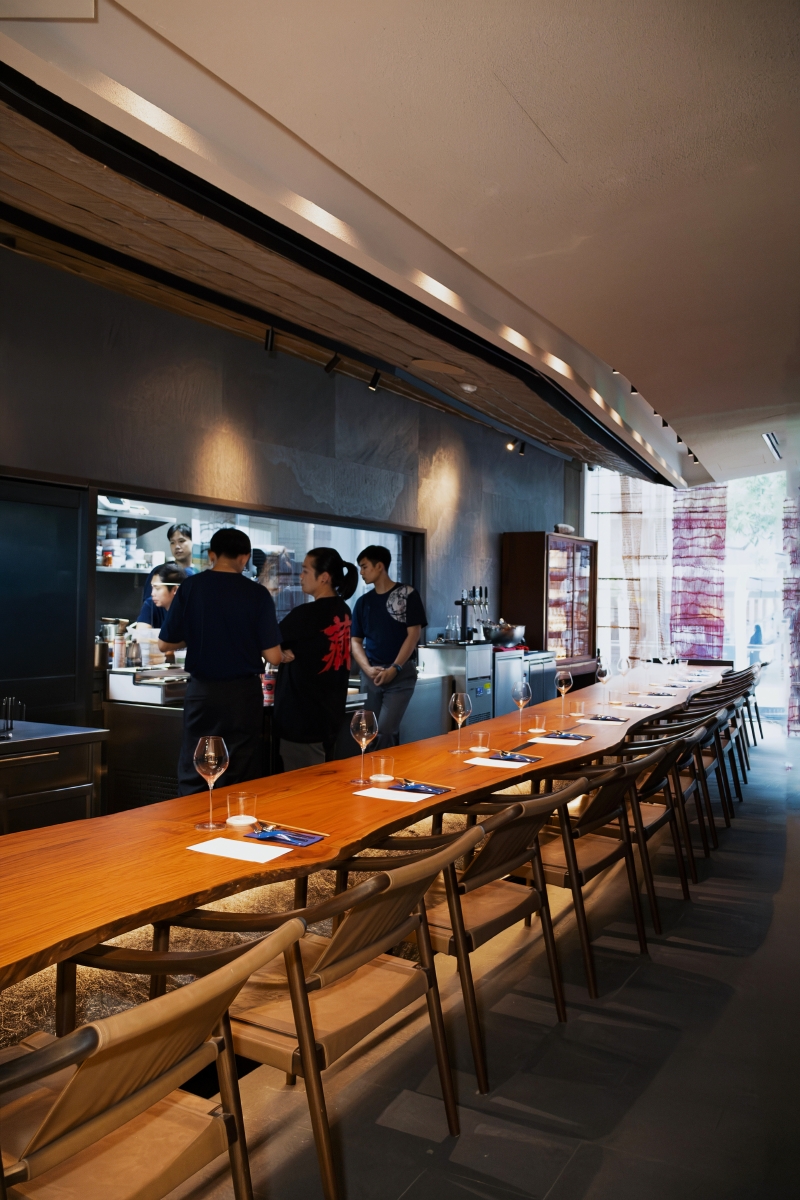
Inspired by the earliest wheat noodle traditions introduced by Chinese Muslim traders, Papa soi is handmade wheat noodles served in a delicate beef consommé. The journey continues with Sultan's spice khao soi, which represents the era before coconut milk became integral to the dish. A clear, spice-forward broth and slow-cooked beef. Shan's creation celebrates the introduction of coconut milk into northern Thai cuisine. Soft wheat noodles are paired with a rich coconut curry, while grilled Aussie Wagyu adds depth through the smoky character of open-fire cooking.
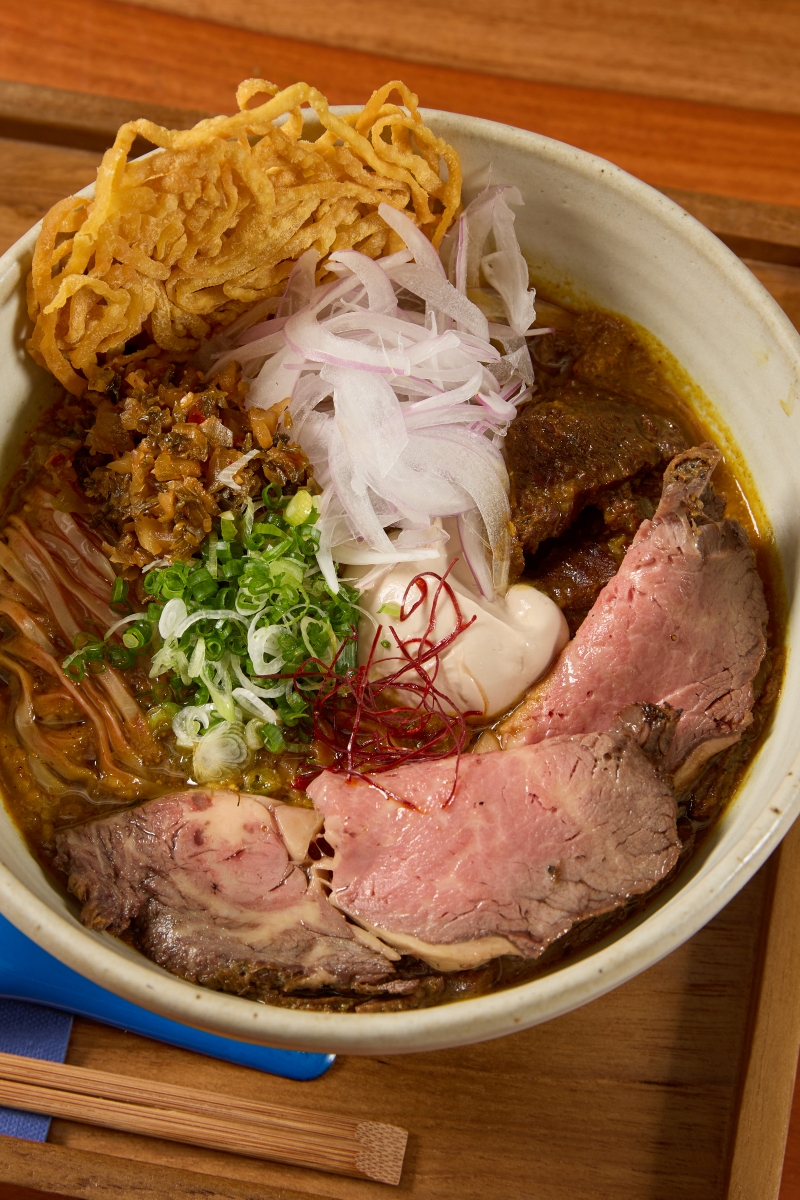
Khao soi today is the version of Khao soi most familiar today. Rounded noodles are served in a velvety coconut curry, complemented by smoked sour cream, pickled mustard greens and house-made chilli oil. Cold khao soi is Wiang's vision for the next chapter of khao soi. Served chilled, the dish reimagines familiar flavours through a lighter, more refreshing composition.
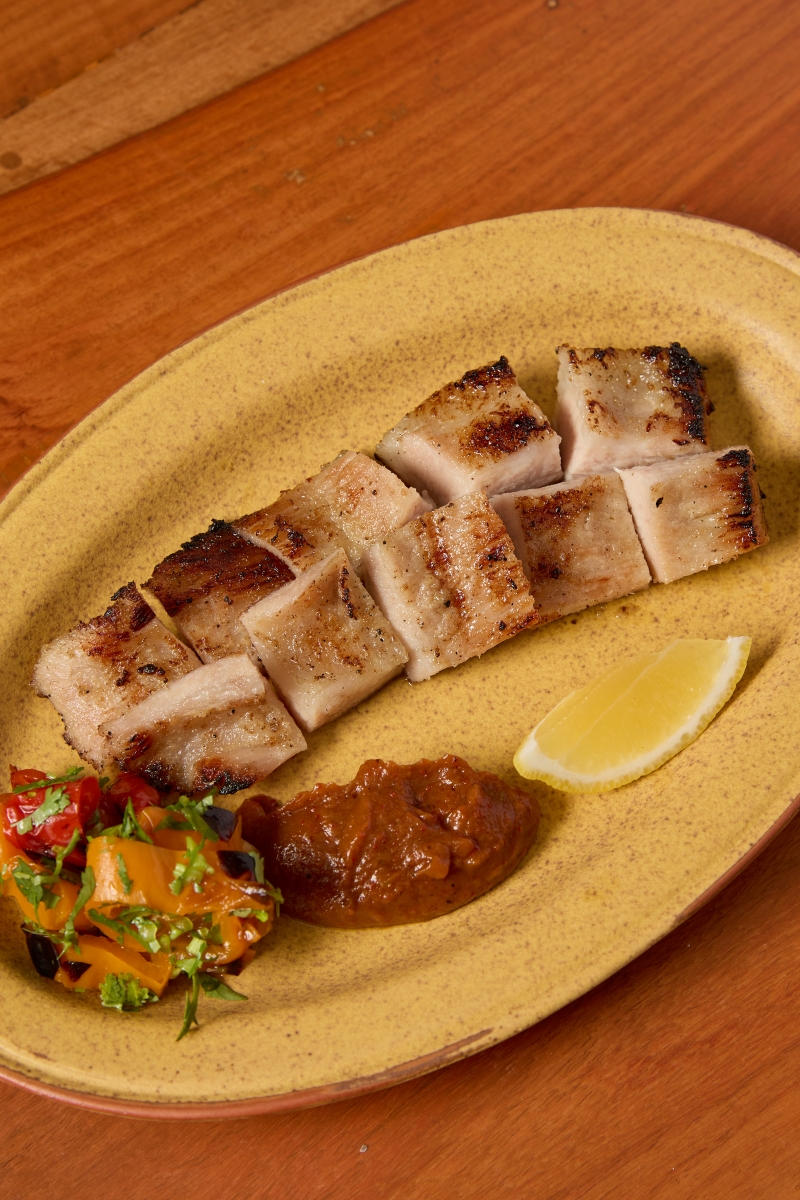
Besides khao soi, Wiang turns into a grill bar during dinner service. Northern Thai flavours meet open-fire cooking and an extensive wine selection. The menu features charcoal-grilled specialities alongside seasonal dishes designed for sharing.