 Listen


 Facebook
 Reddit
 Copy Link


After years of conspicuous consumption, luxury is changing.
The ultra-wealthy have spent decades collecting mega-yachts and Richard Mille watches. Now, they are paying to improve their biological age, on the yachts with a Mille on their wrist.
It is the price of detachment to the outside world, what they can leave behind, that the top percentile is now showing off.
For Thailand, investment in the modern luxury industry moving towards the nation presents an opportunity to position itself as more than a destination for indulgence. Its next luxury offering may be the ability to escape.
“Twenty years ago, affluent consumers were searching for luxury goods: bags, fashion, jewellery, watches. Then, this type of affluent people started to search for experiences,” said Simone Gibertoni, chief executive of Swiss wellness brand Clinique La Prairie. “Now, these people, they want something more.”

Simone Gibertoni, CEO of Clinique La Prairie. (Photo: Simone Gibertoni)
Thailand’s established tourism industry, medical capabilities and hospitality culture make it an attractive destination, Gibertoni said during an interview at the Nikkei & Financial Times Live Business of Luxury Summit. For guests, the appeal is not simply access to expensive treatments. It is the chance to step away from their usual routines and devote time to their health. It is something that can be difficult to prioritise in everyday life.
The numbers suggest there is growing demand for this kind of escape. According to the Global Wellness Institute, Thailand’s wellness tourism spending reached US$14 billion (about 471 billion baht) in 2024, up 36.4% from the previous year.
For Thailand, this shift presents an opportunity to turn its reputation for hospitality into something more valuable: a luxurious escape.
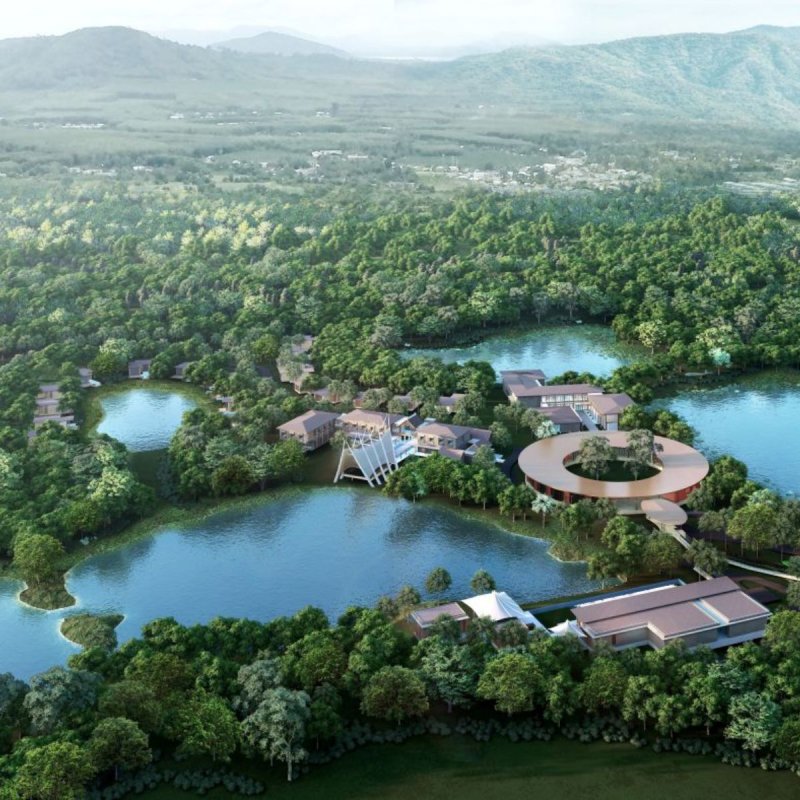
Clinique La Prairie is betting on that demand with its first full-service resort in Southeast Asia, located in Phuket province, where the island’s substantial tourism revenue—reaching nearly 400 billion baht in the first nine months of 2026—and expanding air links make it an attractive destination.
Following the success of the company's flagship in Montreux, Switzerland, and their Asian debut in China's capital of Beijing, the facility combines medical care, nutrition, wellbeing and movement through a week-long programme designed to support longevity.
Gibertoni said Thailand’s established tourism industry, medical capabilities and hospitality culture made it an attractive destination.
'The luxury of time'
For decades, Thailand's international appeal has been closely associated with affordability, from street food and budget accommodation to nightlife.
While these remain part of the country's tourism appeal, an expanding luxury sector is changing the conversation. International hotel groups are establishing a stronger presence, Thai chefs are gaining global recognition, and wellness operators are investing in experiences that promise more than a conventional holiday.
“Thailand transformed its reputation from cheap street food and prostitution to a global luxury destination where visitors spend high-end budgets at luxury hotels,” playfully said Gaggan Anand, chef and owner of Gaggan, an acclaimed progressive Indian fine-dining restaurant in Bangkok’s Sukhumvit area.
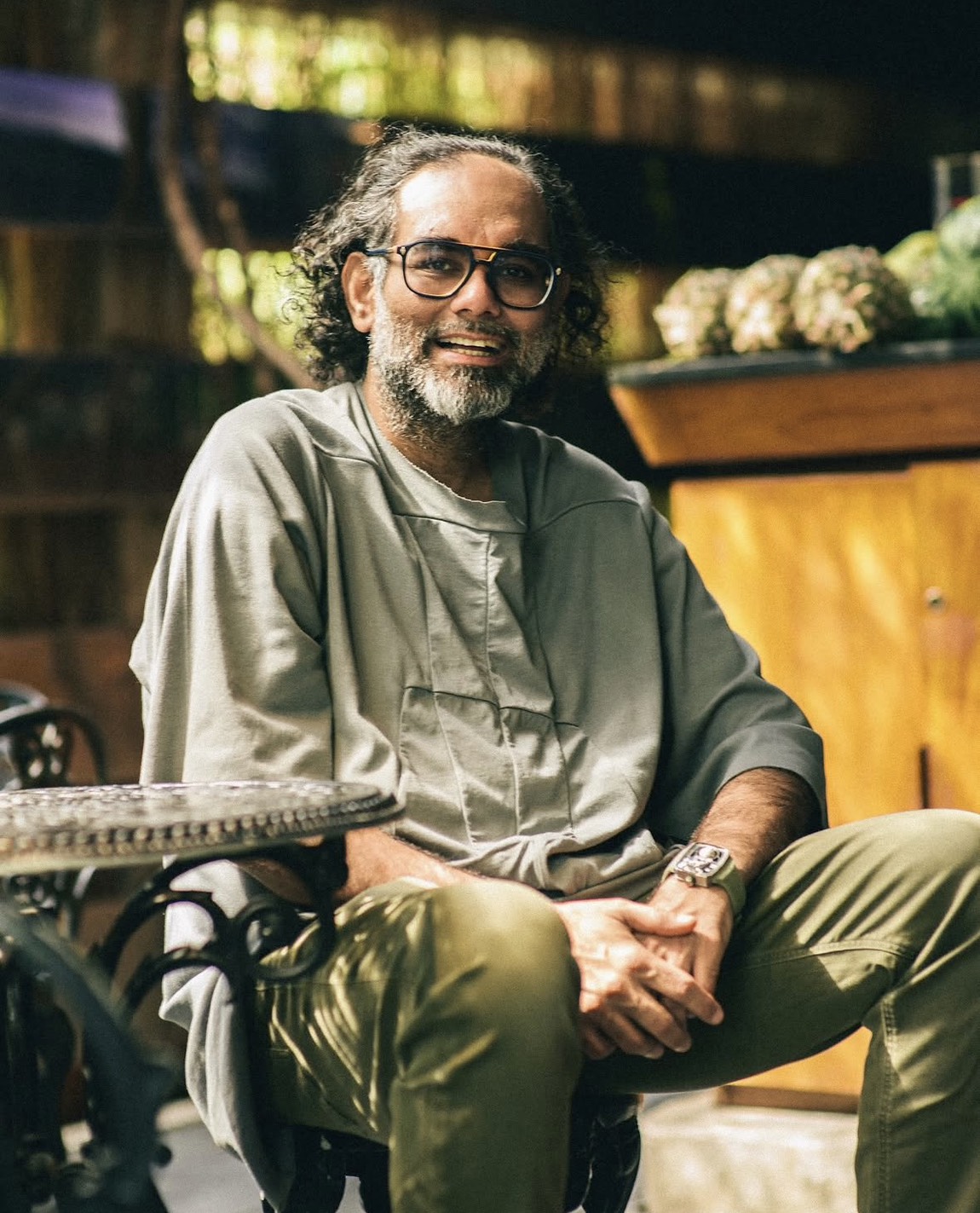
Chef and owner Gaggan Anand. (Photo: Gaggan Anand)
“What sets Bangkok apart from cities like Paris or New York is the luxury of time and peace of mind,” he said during a separate interview, contrasting Thailand’s dining culture with cities where diners can feel rushed to finish and leave.
In Bangkok, he believes, restaurants can offer warmth and the freedom to linger. That sounds simple, but in an age when everything is calibrated, uninterrupted time has become a luxury in itself.
Of course, the industry has its own excesses. Anand warned that the proliferation of luxury restaurants and hotels risks diluting their value, particularly when supply grows faster than demand.
The Michelin-starred chef quipped that if he opened one Basque cheesecake shop, 50 others would soon appear.
There is another problem with the modern luxury experience: sometimes, the customer is too busy documenting it to enjoy it.
“It has become a culture where ‘the phone eats first’,” he said. Mobile phones are banned at his restaurant, offering diners a rare escape from the digital world that has come to dominate everyday life.
At Gaggan, guests are expected to put their phones away and be present. One dish, the Som Tum flower, takes five hours to prepare, yet diners cannot photograph it.
Thailand's challenge is therefore not simply to build more luxury properties or attract bigger spending. It is to offer experiences that justify their price, whether through better health, memorable food or the rare pleasure of feeling genuinely cared for.
As the Indian-born chef and restaurateur put it, Thai hospitality comes down to “a smile from the heart”.


