 Listen


 Facebook
 Reddit
 Copy Link


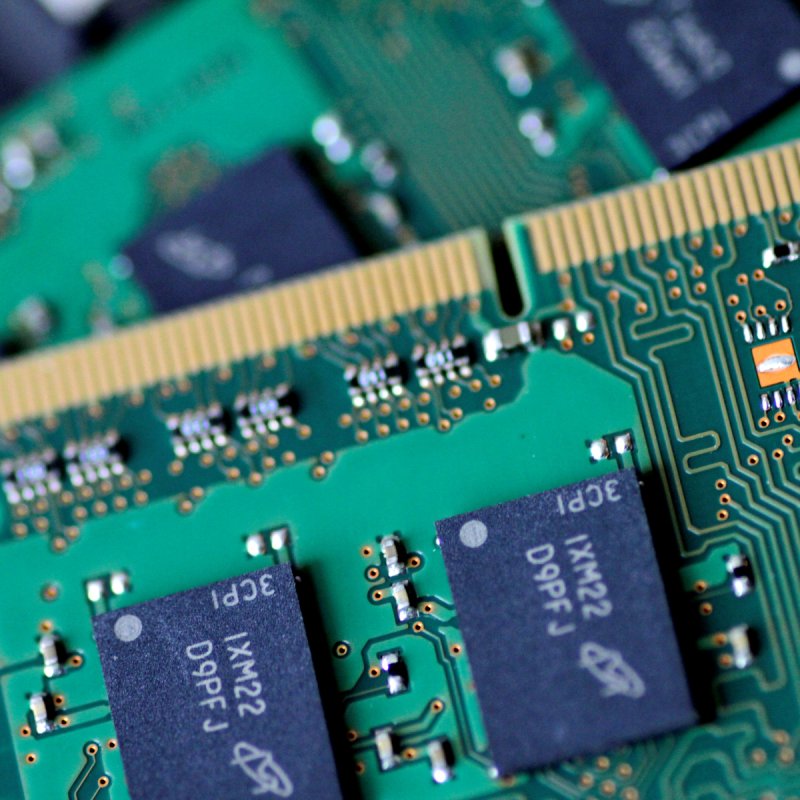
Microsoft has acknowledged that rising RAM prices across the tech industry are a key driver behind its push to cut Windows 11 memory usage, prioritising system optimisation so low-end PCs can run more smoothly.
Back in May 2026, Pavan Davuluri, head of Windows at Microsoft, revealed that memory efficiency had already become a top priority for his team due to escalating component costs across the PC industry.
The core principle of the overhaul is straightforward: Windows should not consume memory on features users have not activated, nor should it permanently reserve memory resources.
Microsoft is currently refactoring several key areas of the operating system, ranging from File Explorer and Widgets to WinUI 3 and WebView2, which power numerous core applications and system components.
WebView2, which relies on Chromium behind the scenes, is particularly notorious for high memory consumption. Microsoft is actively working to reduce its memory overhead while refining various frameworks to ensure they only use memory when strictly necessary.
This strategy aligns with Microsoft’s 2026 roadmap, where optimising memory usage for machines with 8GB of RAM or more was highlighted as a critical objective.
Many entry-level PCs on the market are still equipped with just 8GB of RAM. If Windows consumes too much memory at the system level, it leaves precious little space for applications and games to run effectively.
However, high memory usage in Windows does not inherently signal a problem. The operating system often utilises available RAM as a cache to speed up application launches and data retrieval, automatically freeing up memory when other programs demand it.
What Microsoft aims to eliminate is unnecessary memory consumption, such as unoptimised system components or background features running idle, rather than reducing memory usage purely for aesthetic reasons. In practice, Windows will continue to leverage RAM for caching and background tasks to keep the system fast and responsive.
Source: windowslatest


