
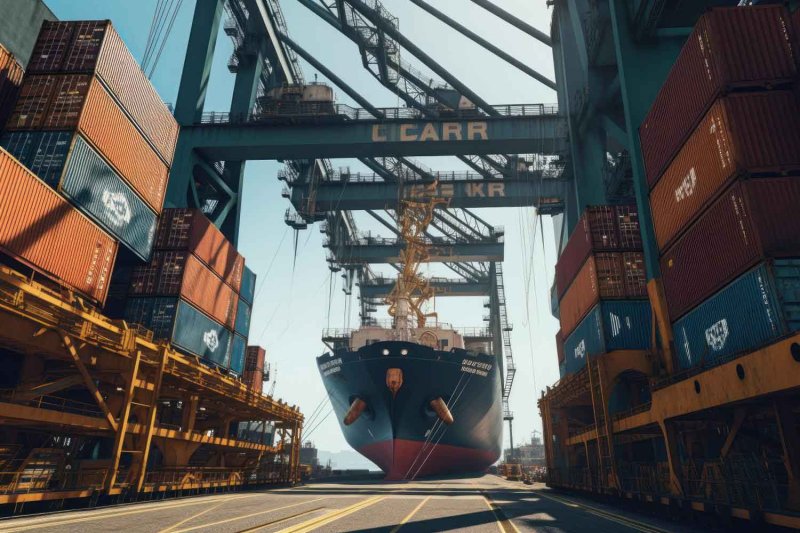
Thai exporters are under growing pressure to accelerate their transition to low-carbon production, as the EU's Carbon Border Adjustment Mechanism (CBAM) came into force on Jan 1, though its effects have been felt for several years.
The trade measure was designed to prevent "carbon leakage" and push global supply chains towards sustainability, and it has reshaped export dynamics well before importers are required to pay for carbon emissions.
Studies show Thai shipments to the EU, particularly in carbon-intensive sectors, have already taken a hit since the bloc first signalled its intentions.
These findings were highlighted at a recent discussion hosted by the Puey Ungphakorn Institute for Economic Research (PIER), under the umbrella of the Bank of Thailand, which examined how CBAM is affecting Thai exporters as international standards shift.
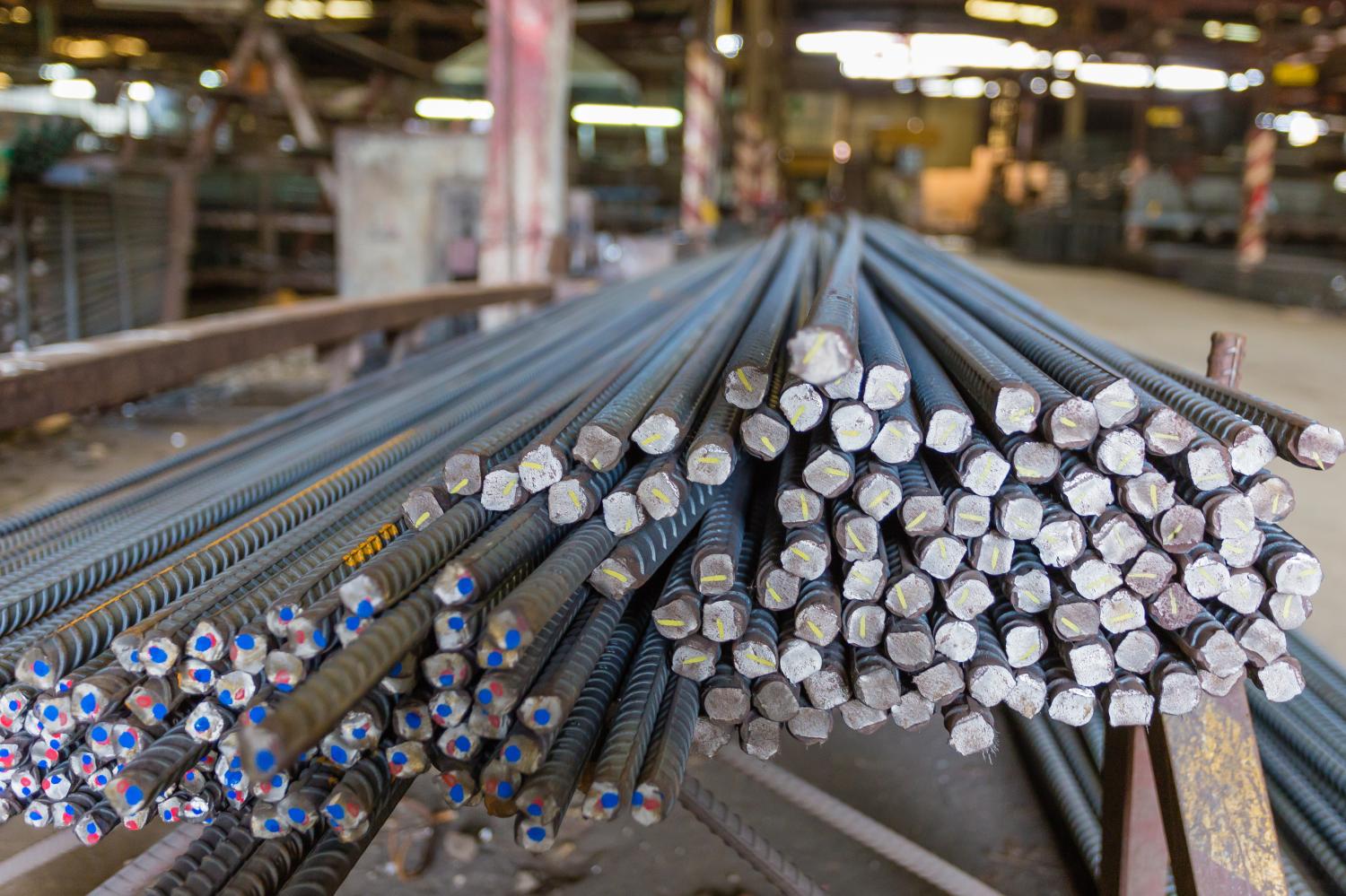
Thai exports to the EU of steel rod for construction remain limited.
Long runway
The EU first announced plans to implement the CBAM in 2020, requiring importers in the bloc to purchase CBAM certificates corresponding to the amount of greenhouse gas emissions embedded in imported goods, as part of its effort to promote global sustainability.
Since Oct 1, 2023, the EU has mandated importers of the first phase of products to report data on embedded greenhouse gas emissions. Products in the first phase comprise cement, iron and steel, aluminium, fertilisers, electricity and hydrogen.
From January 2026, the EU began requiring importers to purchase CBAM certificates in line with the reported level of greenhouse gas emissions.
PIER studied how Thai exports have adapted since the EU announced the CBAM law in 2020, and during its initial rollout in 2023, said Kannika Thampanishvong, section head for economic research at the think tank.
During the transition period from 2023 to 2025, EU importers were exempt from purchasing CBAM certificates, although exporters were required to report embedded emissions. From Jan 1, 2026, EU importers are required to purchase CBAM certificates if emissions exceed the EU's benchmark thresholds.
The analysis draws on detailed export data from the Thai Customs Department from 2016 to 2024, covering 52,394 items. The average price of carbon certificates ranges from €60-100 per tonne of carbon, representing an additional cost for business operators.
Following the introduction of CBAM, EU importers are expected to increasingly favour products with lower carbon footprints because they bear the cost of purchasing the carbon certificates.
"If Thai exports cannot meet the required standards, they will lose competitiveness and potentially access to export markets," she said.
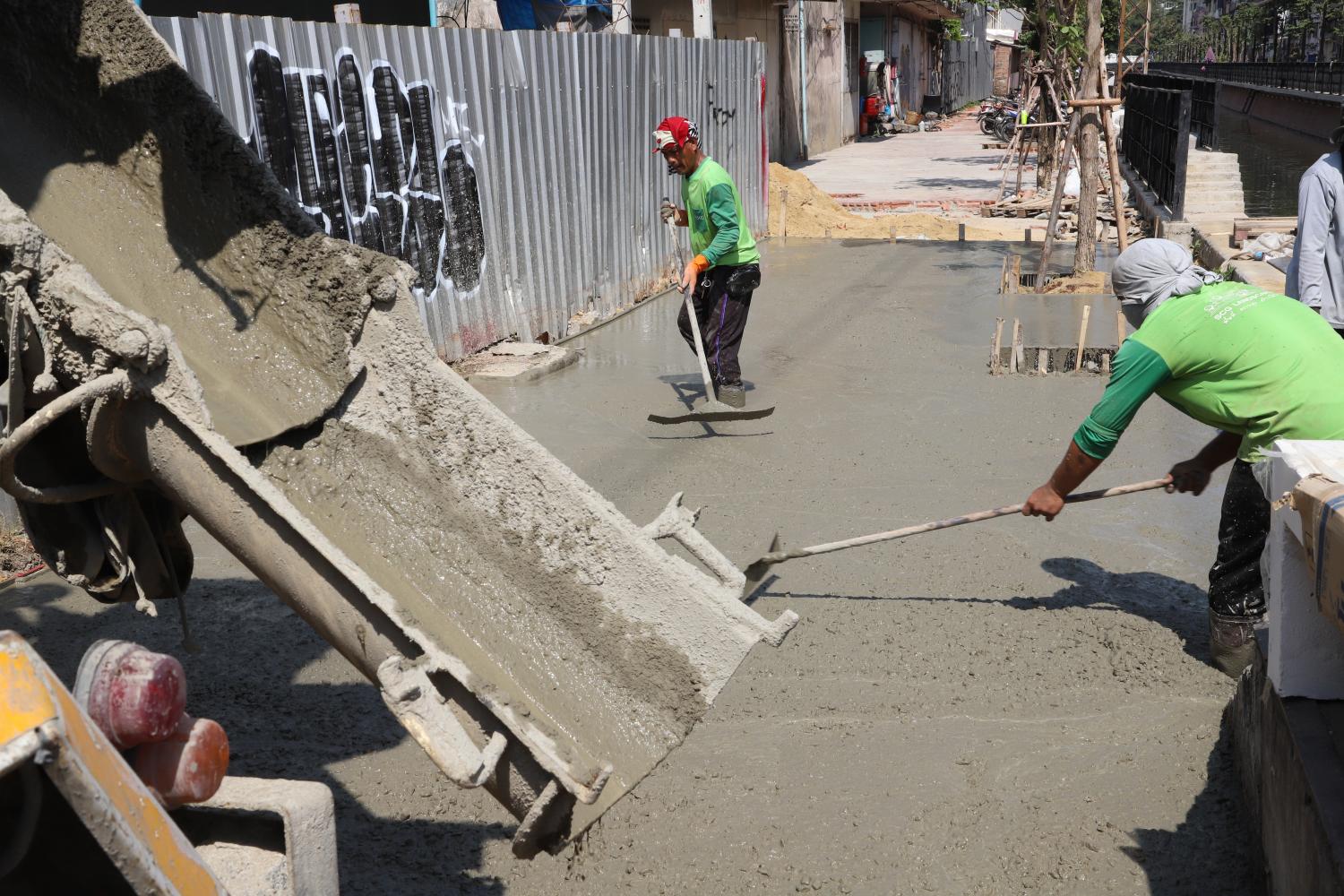
Workers smooth cement at a Bangkok construction site. Cement is one of the first three sectors to be regulated by CBAM. Apichart Jinakul
Feeling the squeeze
According to Ms Kannika, PIER's study identified five impacts from CBAM on Thai exporters. First, the export value of CBAM-covered goods from Thailand to the EU declined by 14% relative to other Thai exports to the EU following the CBAM announcement in 2020, and by a further 24% after implementation began in 2023.
This suggests Thai exporters of CBAM-covered goods have already been adversely affected by the law, even though the requirement to purchase CBAM certificates only started on Jan 1, 2026.
Second, CBAM generated indirect effects on exports of non-CBAM goods to the EU. As exporters often ship multiple products together in bulk consignments to reduce transport costs, exports of other goods to the EU have declined significantly.
Third, some Thai exporters of CBAM-covered goods have responded by diverting exports of non-CBAM products to non-EU markets. However, this strategy appears insufficient to fully offset export revenue losses, as gains from non-EU markets are smaller than the decline in revenue from reduced exports of both CBAM and non-CBAM goods to the EU.
Fourth, the CBAM has prompted EU importers to reduce imports of CBAM-covered goods from countries with higher carbon-intensive production in favour of suppliers with lower emissions. This highlights the urgent need for Thai exporters to accelerate adjustments in production processes to reduce greenhouse gas emissions in order to maintain access to the EU market.
Finally, the impacts of CBAM are uneven for Thai exporters, with small firms experiencing more severe negative effects than large firms. This disparity likely reflects multiple constraints, including limited financial resources and technical capabilities that hinder timely investment in production upgrades needed to comply with CBAM requirements.
The analysis found Thailand's export value has not yet been greatly affected by CBAM, as the number of companies in the three main regulated product categories -- cement, iron and steel, and aluminium -- remains limited. For example, in the steel sector there are 452 large firms and 230 small firms subject to CBAM.
"Although both the number of affected firms and the level of exposure are currently limited, the CBAM could have broader and more prolonged impacts on Thai exports over the longer term, particularly for small exporters and the vulnerability of Thai small and medium-sized enterprises [SMEs]," said Ms Kannika.
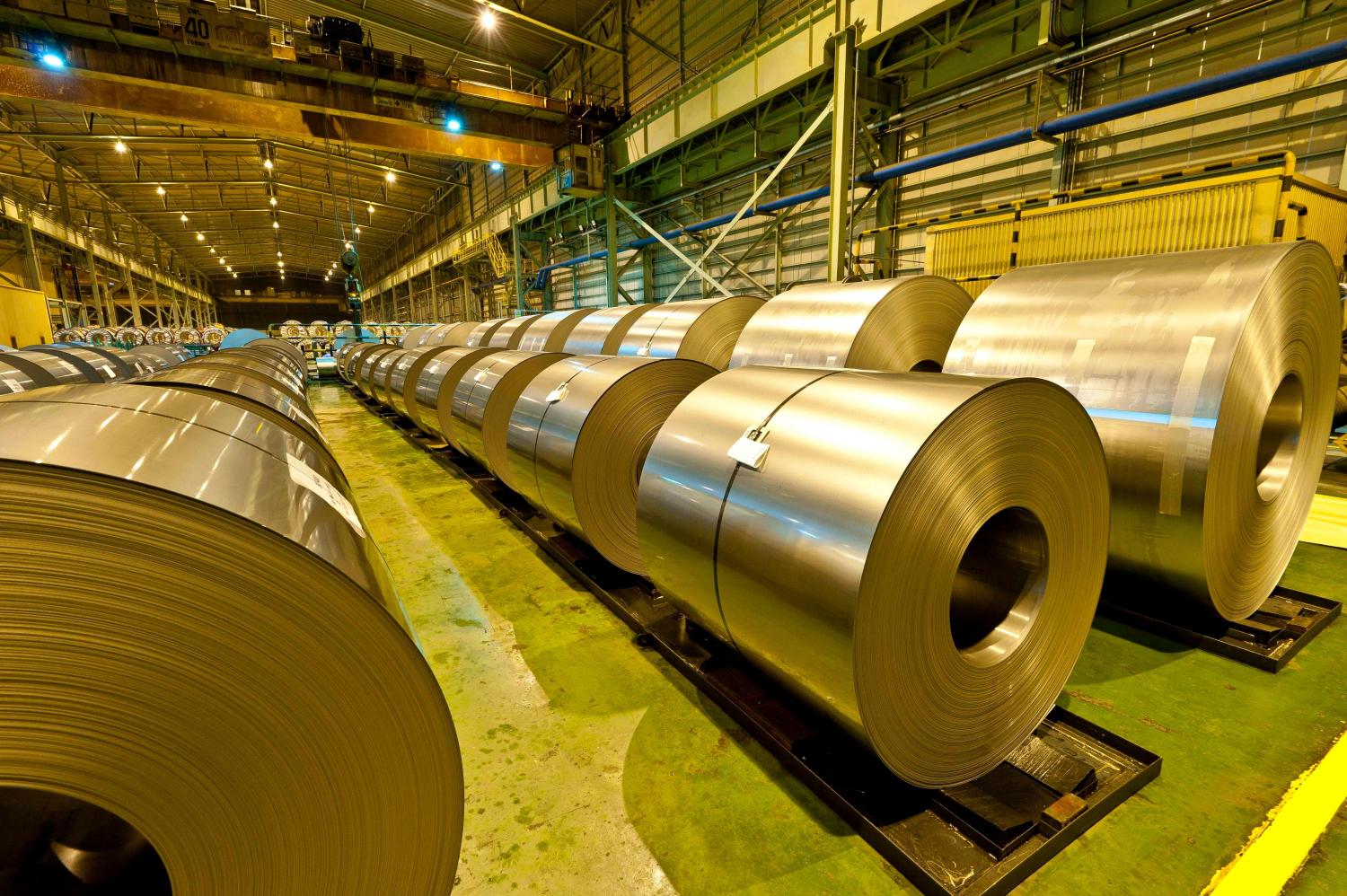
Thai shipments of cold-rolled steel sheet have not been greatly affected by CBAM.
Shifting trade patterns
Data already point to structural changes in trade flows. In recent years, Thai exporters have begun adjusting to the CBAM by increasing exports of non-CBAM products to markets outside the EU, which recorded growth of 2.8%.
The CBAM has also started to exert indirect effects on non-CBAM products exported to the EU, with shipments contracting by 1.5%, reflecting spillover challenges affecting other product categories.
Meanwhile, EU importers have adjusted their sourcing patterns. Global trade data indicate when countries exporting CBAM-covered products to the EU are grouped into high- and low-carbon emission producers, EU imports from high-emission countries declined by 6.1% relative to imports from low-emission countries during 2016-2024.
"The data show CBAM-related penalties have already begun to materialise, and their impacts are uneven. Smaller firms are more severely affected than large companies due to various constraints, such as limited investment capacity for emissions reduction and insufficient technical expertise in carbon footprint assessment," she said.
The number of accredited verifiers remains limited and their services are costly, underscoring the need for authorities to support the development of carbon certificate trading, expand access to financing, and establish dedicated funds to help SMEs transition and reduce their greenhouse gas emissions, said Ms Kannika.
Looking ahead, effective responses to CBAM will require stronger awareness-building and proactive communication on compliance requirements and adaptation strategies, noted PIER. These include carbon-reduction efforts aligned with firms' financial capacity, diversification into new export markets, and improved measurement and reporting of greenhouse gas emissions.
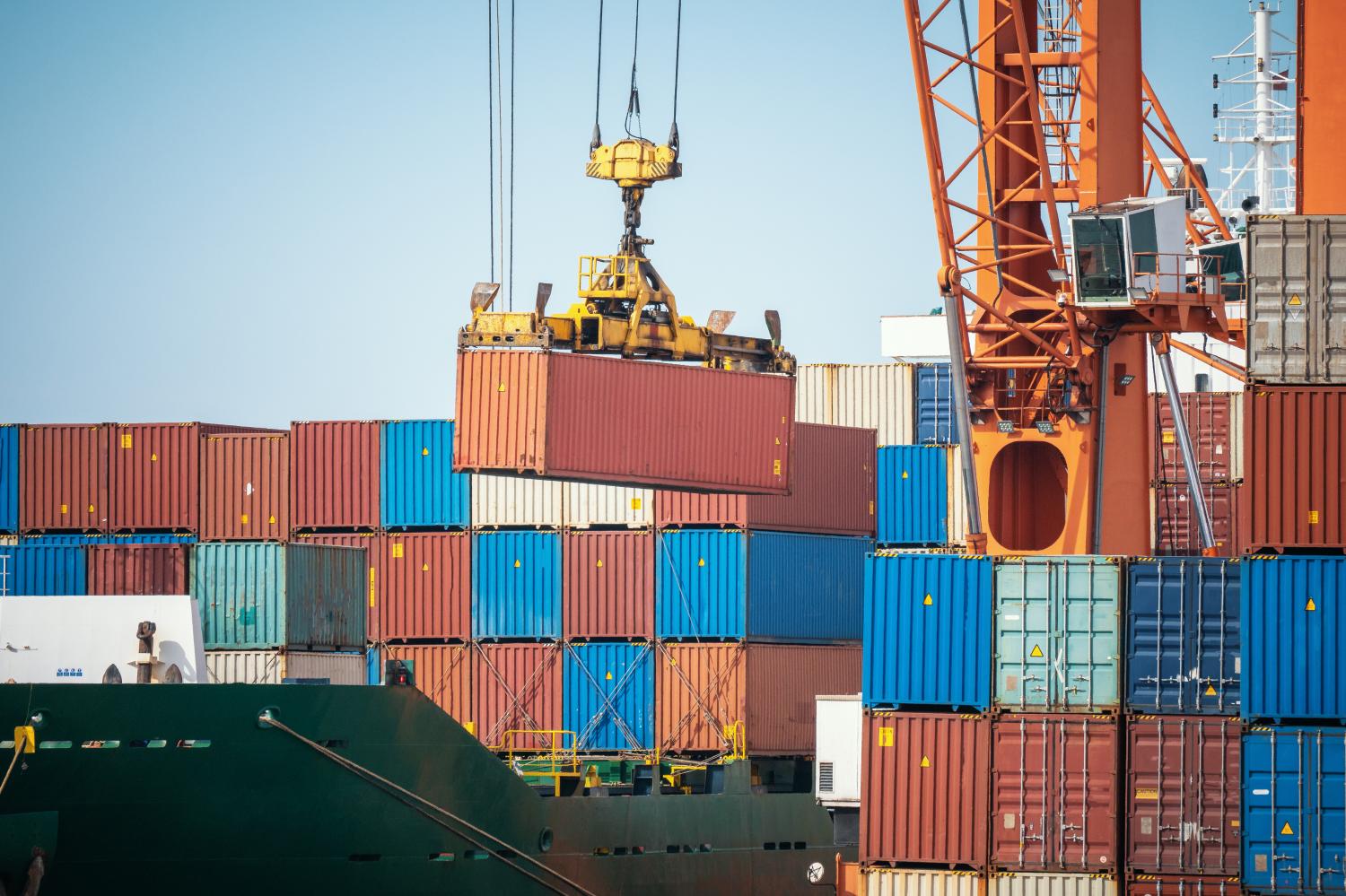
Studies show Thai shipments to the EU, particularly in carbon-intensive sectors, have already taken a hit since the bloc first signalled its intentions.
Banks to support SMEs
Commercial banks are beginning to play a larger role in helping exporters adapt.
Chartsiri Sophonpanich, president of Bangkok Bank (BBL), said Thai exporters have begun adapting to the CBAM regulations. While large corporations generally have greater capacity to comply with the requirements than SMEs, adjustments typically take place across the entire supply chain, he said.
"Large companies normally support smaller businesses within their supply chains in transitioning to global standards, including CBAM, as part of a partnership strategy that creates a win-win outcome. Our bank is ready to support customers of all sizes in complying with the standards," said Mr Chartsiri.
BBL, the country's largest lender by total assets, offers the Bualuang Green Financing for Transition to Environmental Sustainability Loan to SMEs investing in environmentally friendly businesses that produce low or no pollution.
The loan is designed to help businesses avoid or reduce greenhouse gas emissions, support climate-related adaptation, and reduce or prevent pollution. The maximum loan amount is determined by the investment project, with a repayment period of up to eight years.
For the loan, BBL offers an interest rate of the minimum lending rate (MLR) minus 1.25% per year for the first two years, followed by MLR minus 1% thereafter.
Climate change is becoming a pivotal factor shaping business operations, he said. EU regulations such as CBAM and the EU Deforestation Regulation are accelerating the shift towards low-carbon supply chains, requiring businesses to adapt and develop long-term transition plans for net-zero emissions, said Mr Chartsiri.
The bank is working with regulatory agencies to support local businesses and SMEs to transition to Thailand's new S-curve industries, including through the Bank of Thailand's SME Credit Boost scheme, which leverages loan guarantees. The scheme focuses on high-potential industries aligned with the Reinvent Thailand initiative, including tourism, medical and wellness services, agriculture and agro-processing, automobiles and auto parts, intelligent electronics, retail and logistics.