


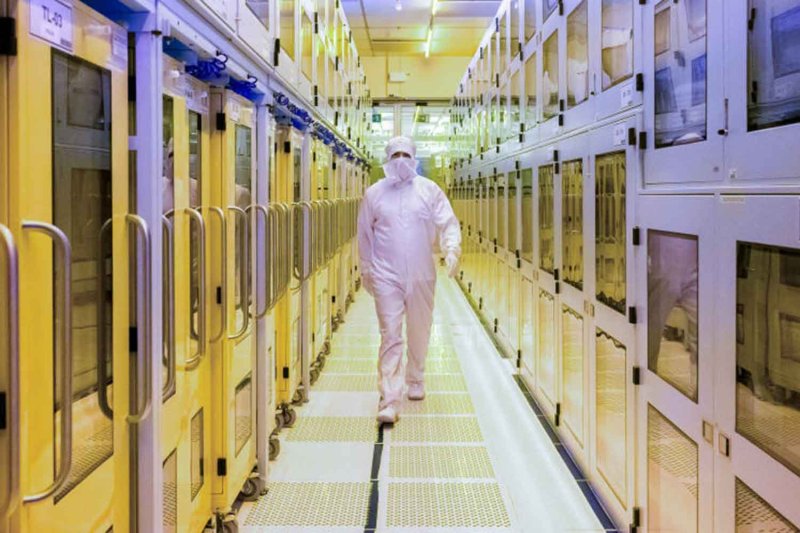
Prime Minister Anutin Charnvirakul has unveiled a plan to position Thailand as Asean's hub for advanced chip manufacturing, with the goal of producing "Made in Thailand" semiconductors by 2050.
Mr Anutin has signed an order creating the National Semiconductor and Advanced Electronics Policy Committee as part of the government's efforts to expand the semiconductor industry.
The move supports a broader strategy to strengthen competitiveness and develop future industries, including semiconductors, artificial intelligence, robotics and clean energy, he said.
The government views semiconductors as critical to long-term economic growth and aims to attract investment while building domestic capabilities, with a target of bringing "Made in Thailand" semiconductor products to market by 2050, he added.
The plan targets investment worth 2.5 trillion baht and the development of more than 230,000 highly skilled workers.
The committee is intended to help turn those objectives into substantive outcomes.
The policy, says the government, will strengthen supply-chain security for targeted industries, support workforce development and investment promotion and contribute to broader industrial restructuring.
The committee will be chaired by the PM, with Deputy Prime Minister Ekniti Nitithanprapas serving as vice-chairman.
Its responsibilities include setting policy directions, master plans and development targets; reviewing projects related to semiconductor and advanced electronics development for cabinet approval; monitoring and evaluating implementation; reporting progress to the cabinet; and appointing subcommittees or working groups as necessary.
A source with the Board of Investment said Thailand has benchmarked semiconductor strategies in regional hubs such as Singapore and Malaysia and competitors including Vietnam and the Philippines.
Despite its industry remaining at an early stage, Thailand sees strong potential based on its infrastructure, skilled workforce and manufacturing base, the source added.
