


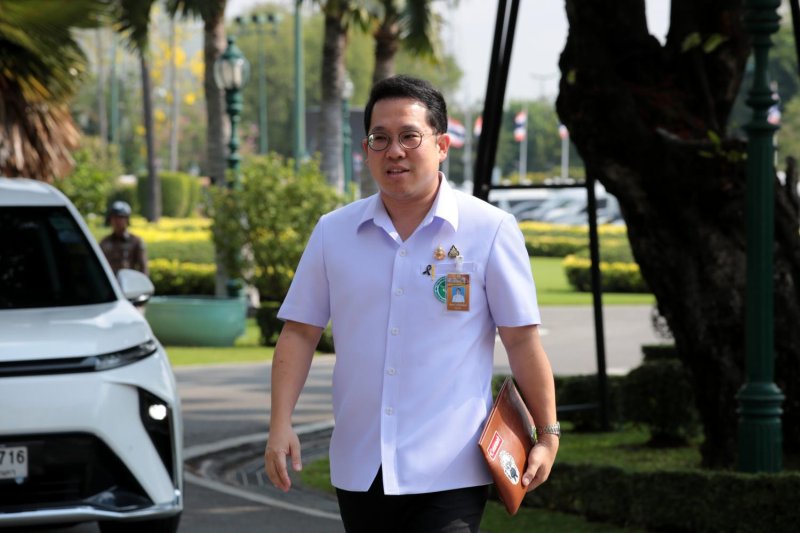
The Ministry of Public Health plans to streamline decision-making by the National Health Security Office (NHSO) to ensure the universal healthcare system remains sustainable amid growing budgetary pressure.
Public Health Minister Pattana Promphat, chairman of the National Health Security Commission, said discussions on reforming the NHSO's committee structure had been under way for some time and were not linked to the recent debate over a 145-million-baht funding for gender-affirming hormone therapy.
Speaking after a meeting on Wednesday, he said the review will initially focus on three subcommittees responsible for benefits and service development, medicine procurement planning and financial management, which play a central role in determining healthcare benefits under the universal healthcare scheme.
Somlerk Jeungsmarn, the ministry's permanent secretary, has been assigned to lead the review, with proposals expected to be submitted to the NHSO board next month.
Mr Pattana said the current structure needed to be updated to reflect today's healthcare environment, where rising demand, limited financial resources and government policy priorities require faster and more coordinated decision-making.
He said the NHSO's process relies largely on a bottom-up model, with proposals originating from working groups before progressing through multiple layers of committees. While public participation remains important, the system must also incorporate stronger policy direction from the NHSO board and government.
Another factor behind the proposed reforms is the volume of meetings held within the NHSO system. Mr Pattana said the NHSO board and its sub-committees convene over 365 times a year, which can slow decision-making.
