 Listen


 Facebook
 Reddit
 Copy Link


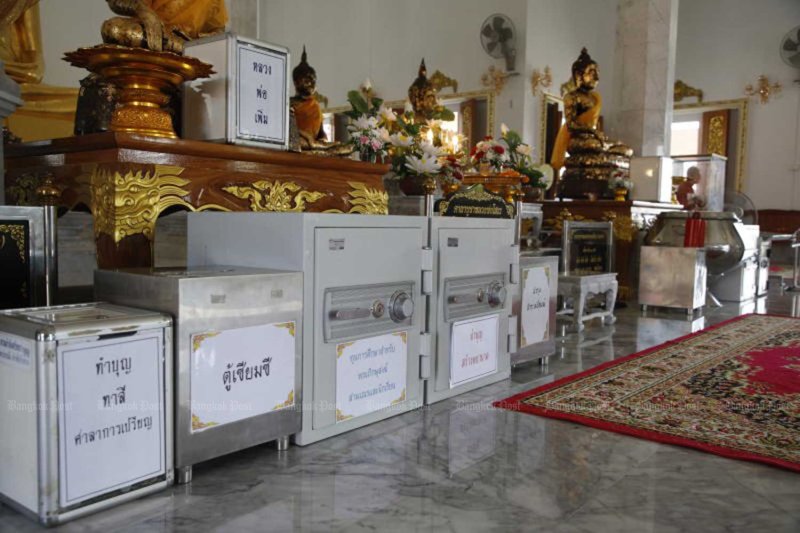
A senator on Monday urged tighter financial controls and oversight of monks after more than 92 million baht was allegedly embezzled from an Ayutthaya temple.
Senator Parinya Wongcherdkwan questioned the National Office of Buddhism's (NOB) effectiveness in overseeing the monastic community and temple finances. He raised concerns about the monitoring of temple donations and the activities of foreign monks, including some Myanmar monks who he said appeared to be seeking financial gain in Thailand.
His remarks followed the arrest last week of former monk Atichot Tanprasert, former abbot of Wat Phutthaisawan in Ayutthaya, and his close aide Punyavee Rungrueang, 47, over the alleged embezzlement.
Mr Parinya said proactive measures were needed to prevent a repeat of the scandal and restore public confidence. While supporting e-donations, he said most donations were still made in cash, making them difficult to trace.
He also backed a proposal to limit the amount of cash temples may hold to 100,000 baht, but questioned how it could be enforced because the Supreme Sangha Council (SSC) lacks authority to intervene or conduct inspections.
Deputy Prime Minister Pakorn Nilprapunt, who oversees the NOB, told the Senate that the office is developing a central electronic database of monks to help the SSC check their backgrounds.
About 180,000 of the country's 200,000 monks, or 89%, have been registered. The project has secured fiscal 2027 funding and is expected to be completed this year, he said.
The NOB is also developing digital systems covering temple assets, central religious assets, monks' monthly allowances, legal matters and SSC resolutions.
Temple accounts will be converted into electronic form and linked to a central system, allowing the NOB to conduct checks and replace the current manual system, Mr Pakorn said.


