 Listen


 Facebook
 Reddit
 Copy Link


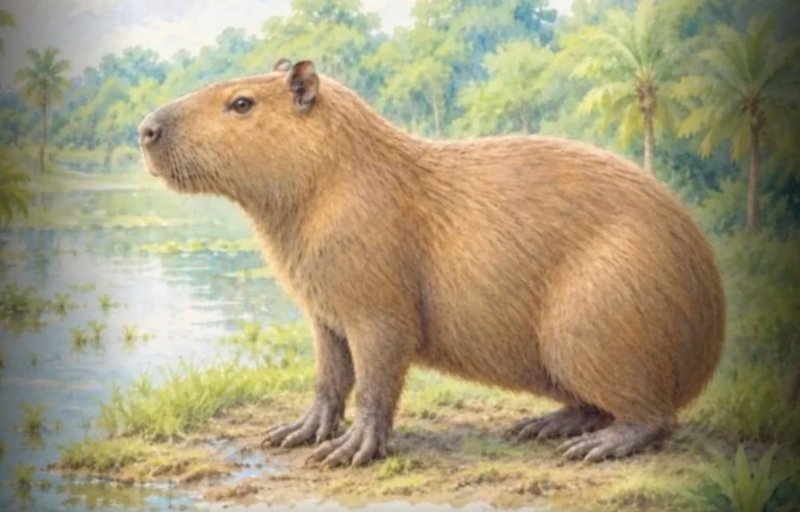
The fossil of a giant rat believed to have weighed about 30 kilogrammes has been discovered in Krabi province in southern Thailand, according to the Ministry of Natural Resources and Environment.
Named “Sirindhorn’s Giant Rat” (Yakamys sirindhornae), the fossil dates back between 33 million and 35 million years and was discovered in the Bang Mak coal basin in Krabi, the ministry said on Wednesday. The research findings were published this week in the international academic journal Scientific Reports.
“This discovery is significant for the study of mammalian evolution and offers new insights into the historical changes in body size among rodents,” said Suchart Chomklin, the minister of Natural Resources and Environment.
He said the name was bestowed with royal permission to honour Her Royal Highness Princess Maha Chakri Sirindhorn, in recognition of her enduring dedication and patronage of science, geology and paleontology in Thailand.
The research was a collaborative effort between the Department of Mineral Resources and researchers from France and Canada, led by Dr Yaowalak Chaimanee, an expert in mammalian paleontology from the French National Centre for Scientific Research.
The study involved the analysis of molar and incisor fossils discovered in the sediment layers of the Bang Mak coal mine in Krabi. The findings identify the specimen as an ancient rodent from the late Eocene epoch.
Weighing approximately 30 kilogrammes, it ranks as the largest rodent ever discovered from the Paleogene period.
The discovery serves as significant evidence that rodents evolved toward larger body sizes 15-20 million years earlier than previously understood, the researchers said.
The fossil specimens are currently housed at the Department of Mineral Resources.
