 Listen


 Facebook
 Reddit
 Copy Link


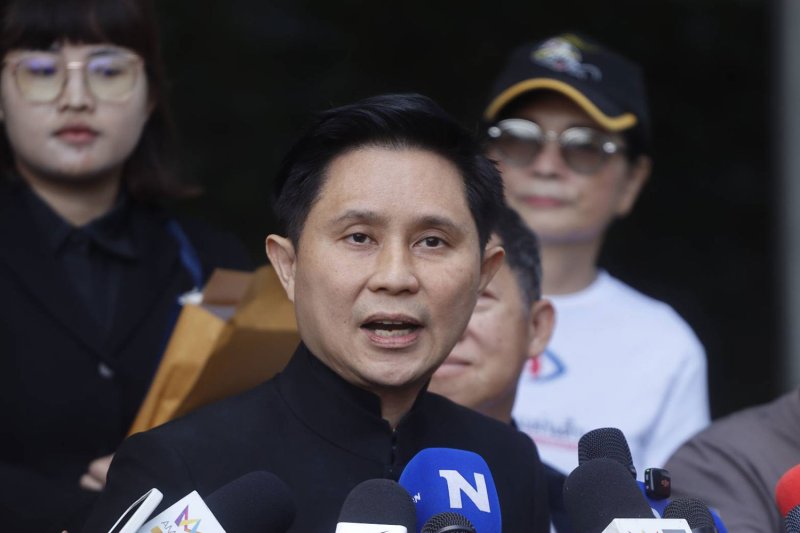
The chairman of the Thailand Watch Foundation has defended its procurement of drones for the military during the Thai-Cambodian conflict and is suing high-profile lawyer Sittra Biabungkerd for making a false police report about the issue.
Panthep Puapongpan, accompanied by foundation lawyer Achara Saengkaew, met on Thursday with Economic Crime Suppression Division (ECD) investigators to provide evidence related to the drone procurement project.
A large volume of documents to support the foundation’s explanation of its fundraising campaign to purchase the drones was also handed over to investigators.
Mr Panthep also filed a complaint against Mr Sittra, widely known as “Lawyer Tum”, accusing him of making a false report and accusing the foundation of fraud, money laundering and computer crimes.
Mr Panthep expressed confidence that the evidence would demonstrate the foundation’s innocence and support the legal case against Mr Sittra.
He also responded to allegations made by the lawyer that the drones were of poor quality and made using PVC pipes. The actual specifications called for carbon-fibre materials, and no PVC was used, he said.
The manufacturing and procurement processes complied with licences and standards set by the Ministry of Defence, he added.
The drones had undergone research, performance testing and practical training before being deployed on missions. They were also capable of overcoming Cambodian radio-frequency jamming measures, said Mr Panthep.
The foundation had consistently maintained transparency by holding press conferences and livestreaming donation campaigns and equipment handovers, allowing the public and the media to scrutinise its activities, he said.
Legal fees explained
He also dismissed Mr Sittra’s allegation that the foundation used donation money to pay lawyers a monthly salary of 100,000 baht, saying the claim was an attempt to divert attention from the main issue.
He explained that the foundation had worked with the Arun Amarin law office since its establishment to provide legal assistance in numerous public-interest cases brought by members of the public.
“The funds used to support the legal team are kept in a separate account and have nothing to do with donations for the drone project,” said Mr Panthep.
“The foundation has received sufficient financial support from its sponsors since the beginning, so there has been no need to use donations intended for other purposes.”
Ms Achara said there was nothing wrong with the foundation hiring legal professionals, given the public benefits of its work.
She said the foundation assisted people from across the country, not just those involved in high-profile cases. Issues affecting large numbers of people, such as city planning disputes, required substantial legal resources.
The foundation needed lawyers who were committed to integrity, honesty and public service, she said, criticising Mr Sittra for what she described as personal mockery rather than engaging with substantive issues.
In a pointed remark directed at Mr Sittra, Ms Achara said he should focus on equipping himself with legal knowledge rather than resorting to ridicule and personal mockery.
Mr Sittra was convicted in June this year of fraud and sentenced to six years in prison following a complaint brought by a wealthy Thai woman who lives in France. He is currently free on bail while he appeals the ruling.
The lawyer and his wife, Patthitta Biabungkerd, were apprehended on a highway in Chachoengsao in November 2024 and detained until the end of the trial. Ms Patthitta was acquitted of the charges.
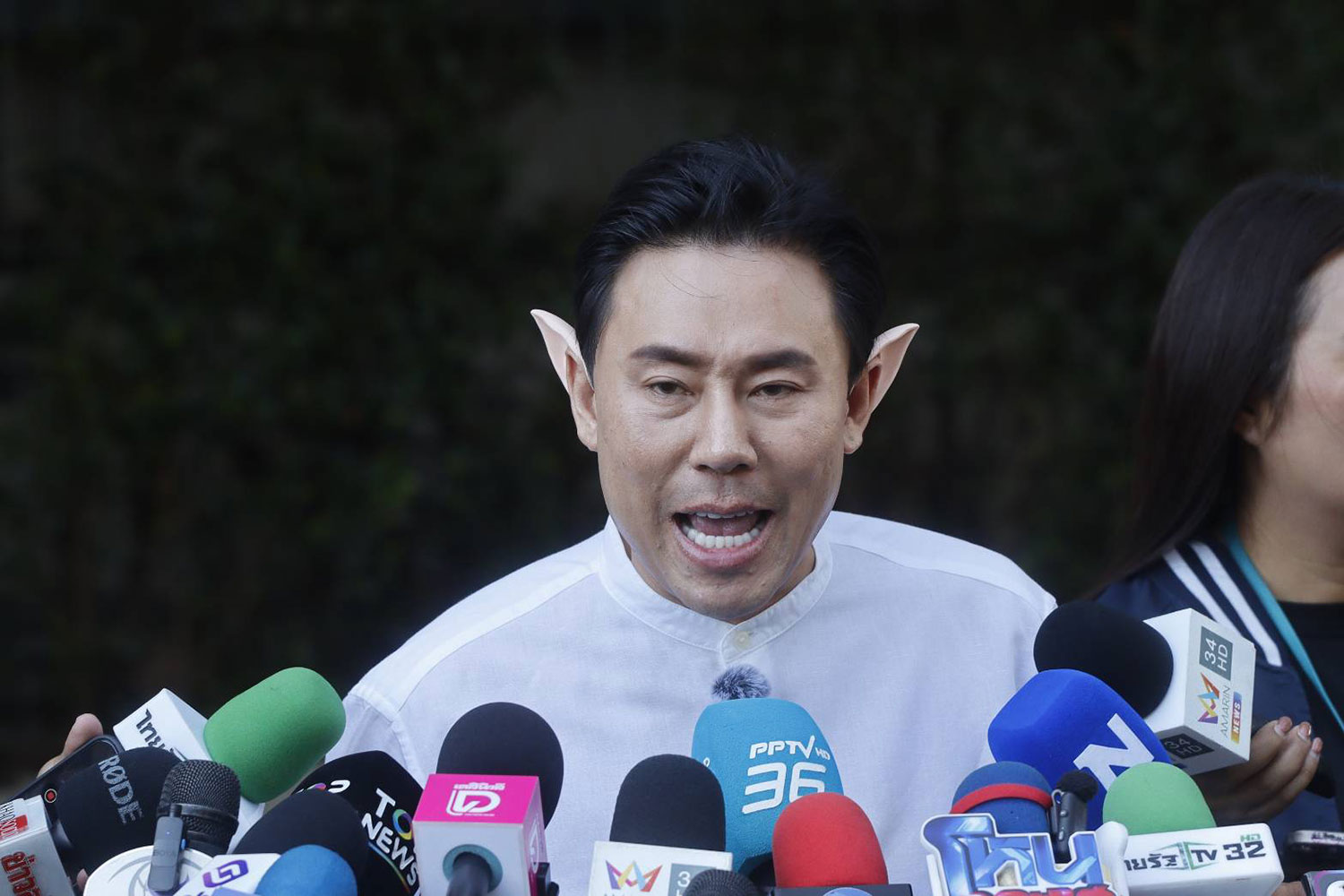
Lawyer Sittra Biabungkerd speaks to reporters on Nov 10 before filing complaints with Economic Crime Suppression Division investigators against three foundations, including the Thailand Watch Foundation, accusing them of fraud and related offences. (Photo supplied/Wassayos Ngamkham)
