



The recent HEAT International Congress on Wellness Management 2025 focused on the theme of “Blue Zone Wellness,” with an emphasis on healthspan, longevity and wellness.
Such concepts were introduced by Asst Prof Dr Patana Teng-umnuay, CEO of Health Education & Academics Thailand (HEAT), at the event, which was held from Thursday to Saturday at the Athenee Hotel, A Luxury Collection hotel, Bangkok, Thailand.
Inspired by global “Blue Zones” like Okinawa and Sardinia, the congress examined how regular activity, low stress, social bonds and whole food diets promote longevity and vitality. Many in these regions live past the age of 100 in good health.
Conversely, “Red Zone” populations face obesity, chronic disease and poor lifestyles. The congress urged a shift from pharmaceutical reliance to holistic, integrative approaches, developing medical interventions to help both healthy and ill individuals achieve Blue Zone-level wellness without depending solely on medication.
Dr Patana said that elders who rely less on medication tend to enjoy longer health spans. He pointed out that Thailand ranks among the countries with the highest rates of kidney disease, largely due to long-term drug use and poor dietary habits.
During the event, several new medical interventions were introduced, and their potential benefits and side effects were discussed in depth.
Prof Dr Nick Finer, a British consultant in obesity medicine and endocrinology, spoke on the significance of semaglutide — a GLP-1 receptor agonist — which plays a key role in regulating appetite, particularly in individuals who eat due to hunger.
He said hedonic or pleasure-driven eating is more complex, as it is tied to GLP-1 produced by PPG neurons and their synaptic release. In obesity, the expansion of adipose tissue leads to inflammation and metabolic dysregulation, which are closely associated with ageing and chronic conditions.
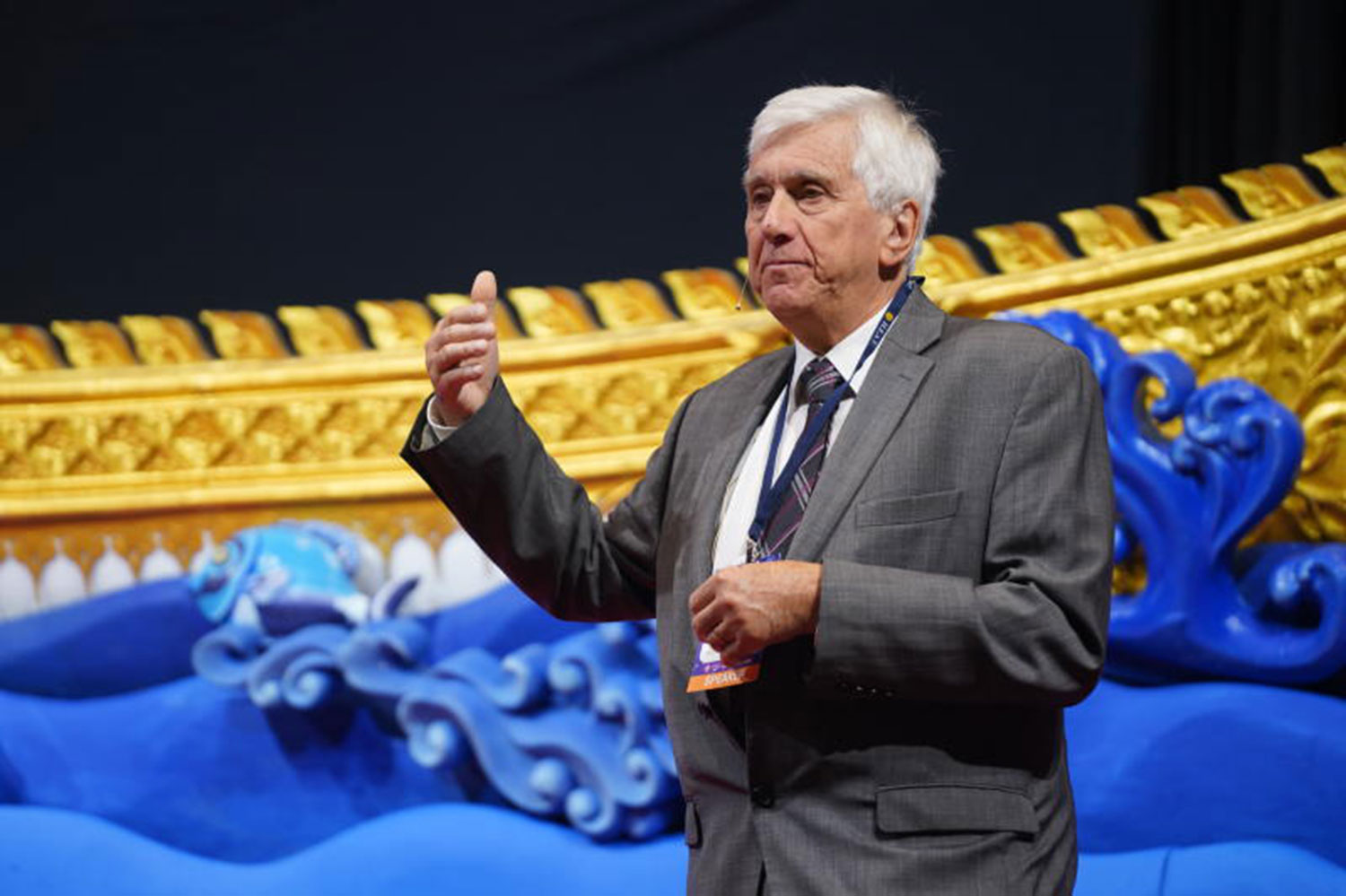
Prof Dr Nick Finer, a British consultant in obesity medicine and endocrinology, speaks on the significance of semaglutide — a GLP-1 receptor agonist — which plays a key role in regulating appetite, particularly in individuals who eat due to hunger. (Photo: Wisuttipong Rodpai)
A clinical trial conducted in Korea and Thailand using 2.3mg of semaglutide combined with a 500 kcal/day reduction through lifestyle intervention yielded promising results, such as 12cm waist loss, improved HbA1c levels and downregulated inflammatory genes. Benefits extended to cardiovascular, liver, renal health and potentially coronavirus 2019 (Covid-19) and certain cancers.
Dr Finer warned it should not be used by people of normal weight solely for slimming. While short-term outcomes are encouraging, more long-term research is needed to assess its safety and effectiveness beyond one year of use.
Dr Edwin Lee, a leading American expert on hormonal balance, presented updates on senolytic therapy in humans. He explained that senescent cells — damaged cells that have stopped dividing — begin accumulating even from birth and contribute to ageing and age-related diseases. One of the most discussed interventions was rapamycin, a drug initially developed for other uses but now being studied for its anti-ageing potential.
Clinical observations since 2017 involving 1,500 patients showed that 2mg rapamycin weekly did not alter DNA, while 6mg reversed heart failure in some cases. Senolytic therapies, including fisetin, dasatinib and quercetin, improved endurance and treated conditions like idiopathic pulmonary fibrosis.
Effects on early Alzheimer’s and certain lung diseases remain limited. Outcomes vary by individual health and treatment duration, and further research is ongoing to assess long-term safety and risks, he said.
While the future of medical innovation in wellness is promising, all speakers at the congress agreed on the enduring importance of lifestyle choices in slowing ageing and promoting wellness. They emphasised that key ageing risk factors, including chronic stress, smoking and excess alcohol, should be managed through practical lifestyle changes.
Adopting a balanced diet, exercise, stress control, periodic detox, regular check-ups, judicious supplement and pharmaceutical use, bio-identical hormones if needed and thoughtful integration of modern medical technologies are beneficial.
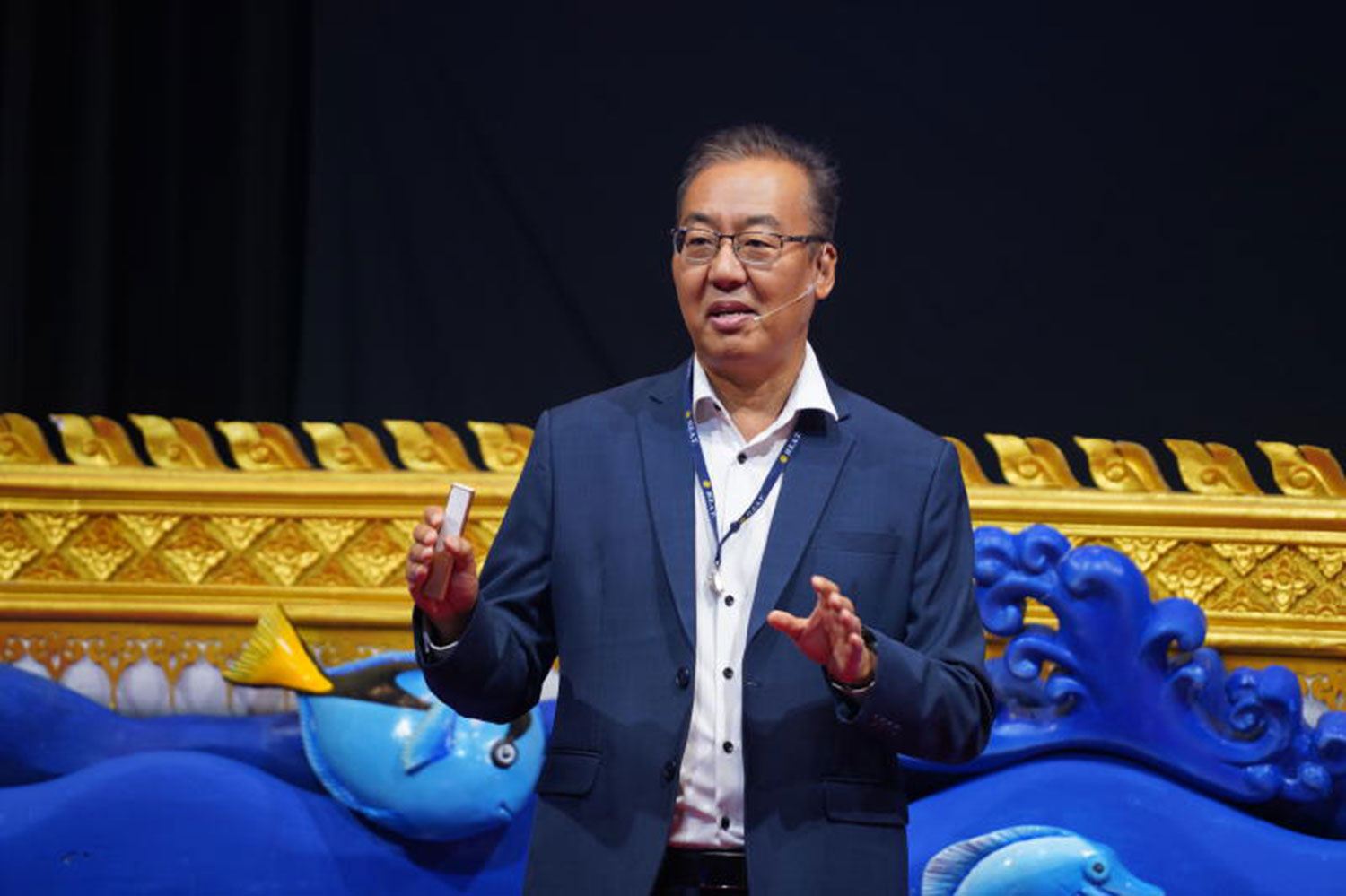
Dr Edwin Lee, a leading American expert on hormonal balance, presents updates on senolytic therapy in humans. (Photo: Wisuttipong Rodpai)
