


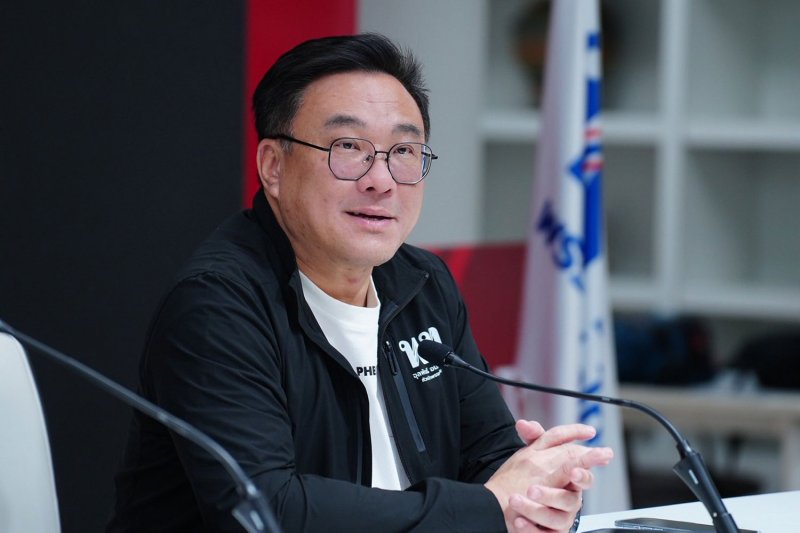
Bhumjaithai Party leader Anutin Charnvirakul was confirmed on Thursday as Thailand’s prime minister in a parliamentary vote that could usher in a rare period of stability for a country long plagued by political drama and turmoil. Here is how the day unfolded:
Anutin secures majority
The result of the roll-call vote in the House of Representatives show Mr Anutin with 293 votes, compared with 119 votes for People’s Party leader Natthaphong Ruengpanyawut and 86 abstentions.
What happens next?
House Speaker Sophon Zaram will now submit the name of the new prime minister‑elect to His Majesty the King for a royal command confirming the appointment. After that, the process of forming a new government can begin.
The incoming administration must assemble a cabinet, vet ministerial qualifications and submit the final list for royal endorsement.
Once the cabinet is endorsed, the new government must deliver its policy statement to parliament within 15 days before formally assuming administrative duties
Debate concludes
Speakers for both government and opposition sides finished their remarks just before 12.15pm. Preparations are now beginning for the roll-call vote by the 498 MPs present in the House out of 499 in total.
Voting procedure
The prime ministerial vote will be conducted by open roll call, with MPs called by their identification numbers to cast individual votes. A candidate must secure more than half of the total number of MPs to be approved.
Debate time on the PM selection is evenly divided between the government and opposition, with each side being given a total of about 70 minutes.
The vote is expected to take around two hours, with the final result to be known around 3pm.
First orange ‘cobra’
The Bhumjaithai-led coalition currently numbers 292 MPs but Mr Anutin received 293 votes. The additional vote, surprisingly, came from a People’s Party MP, according to local media reports.
Suriya Wong-aree, who represents Constituency 7 in Udon Thani, is believed to be the first “cobra” — a term used to describe MPs who defy their party line — within the orange-clad People’s Party.
Manager Online noted that Mr Suriya had previously gone against party directives by collecting his MP certification and reporting to parliament on March 2, well ahead of reporting date of March 9 that was agreed for all 120 of the party’s MPs
Natthaphong’s name proposed
Natthaphong Ruengpanyawut, the leader of the People’s Party, was nominated for prime minister by deputy leader Rangsiman Rome, in a purely theatrical gesture intended to assert the second-largest party’s clear role as the leader of the opposition.
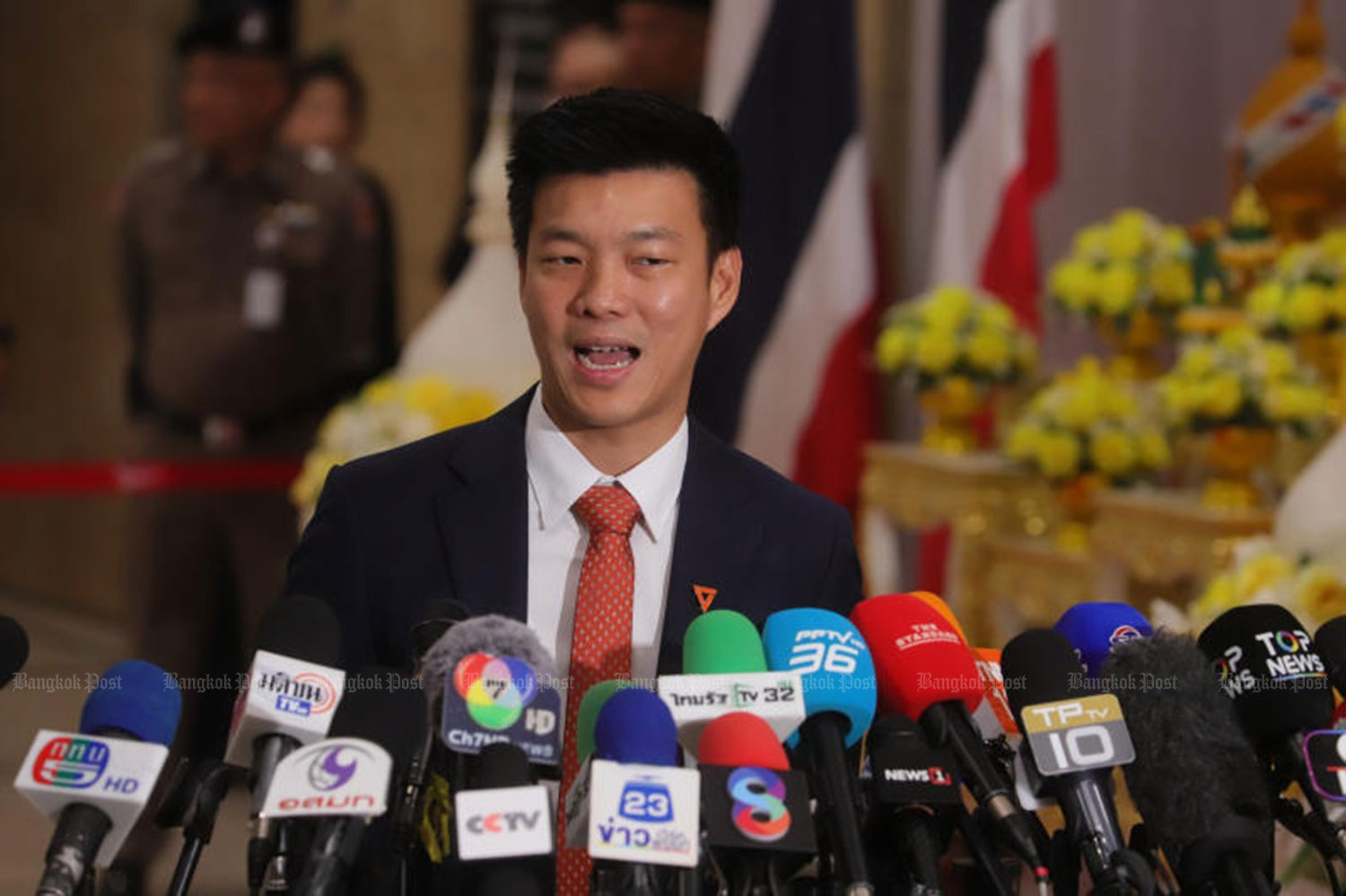
People’s Party leader Natthaphong Ruengpanyawut speaks with reporters before entering the chamber for the vote. (Photo: Pornprom Satrabhaya)
Anutin formally nominated
Mr Anutin was formally nominated by Bhumjaithai list-MP Chaichanok Chidchob to contest the vote for prime minister, as he seeks a mandate to form a new government after Bhumjaithai’s decisive election win in the Feb 8 poll. The Bhumjaithai-led coalition has the support of 292 MPs in the 500-member House of Representatives.
Rangsiman draws boos
People’s Party deputy leader Rangsiman Rome drew some boos from the Bhumjaithai ranks when he voiced his doubts about Mr Anutin’s honesty. Under the current caretaker government, he said, there was a suspicious lack of fuel supplies at petrol stations.
He also pointed to the reshuffles of many district chiefs before the recent general election. Mr Anutin also serves as interior minister, and thousands of staff from that ministry are usually seconded to help oversee polling.
The Speaker cautioned Mr Rangsiman that the day’s proceedings were not intended to be a no-confidence debate.
Abhisit explains abstention
Democrat Party leader Abhisit Vejjajiva said his party could not vote for Mr Anutin because the latter was among those linked to the ongoing investigation into allegations of widespread vote-rigging during the 2024 Senate election, which raised concerns about democracy.
Mr Abhisit said his party also could not vote for Mr Natthaphong because the National Anti-Corruption Commission had found grounds for an ethics case against the latter. He apparently referred to a case against 44 former MPs, including Mr Natthaphong, of the now-defunct Move Forward Party who supported a move to amend the lese-majeste law.
New Speaker
Thursday’s vote is being chaired by Speaker Sophon Zaram. Before the session began, House Secretary-General Siroj Phaetphan read the royal command announcing the appointments of the House Speaker and deputy speakers. Bhumjaithai list-MP Chaichanok Chidchob and United Thai Nation list-MP Atthawit Suwanphakdee then took their oaths prior to assuming duties. A total of 498 MPs were present and eligible to perform their functions. (Story continues below)
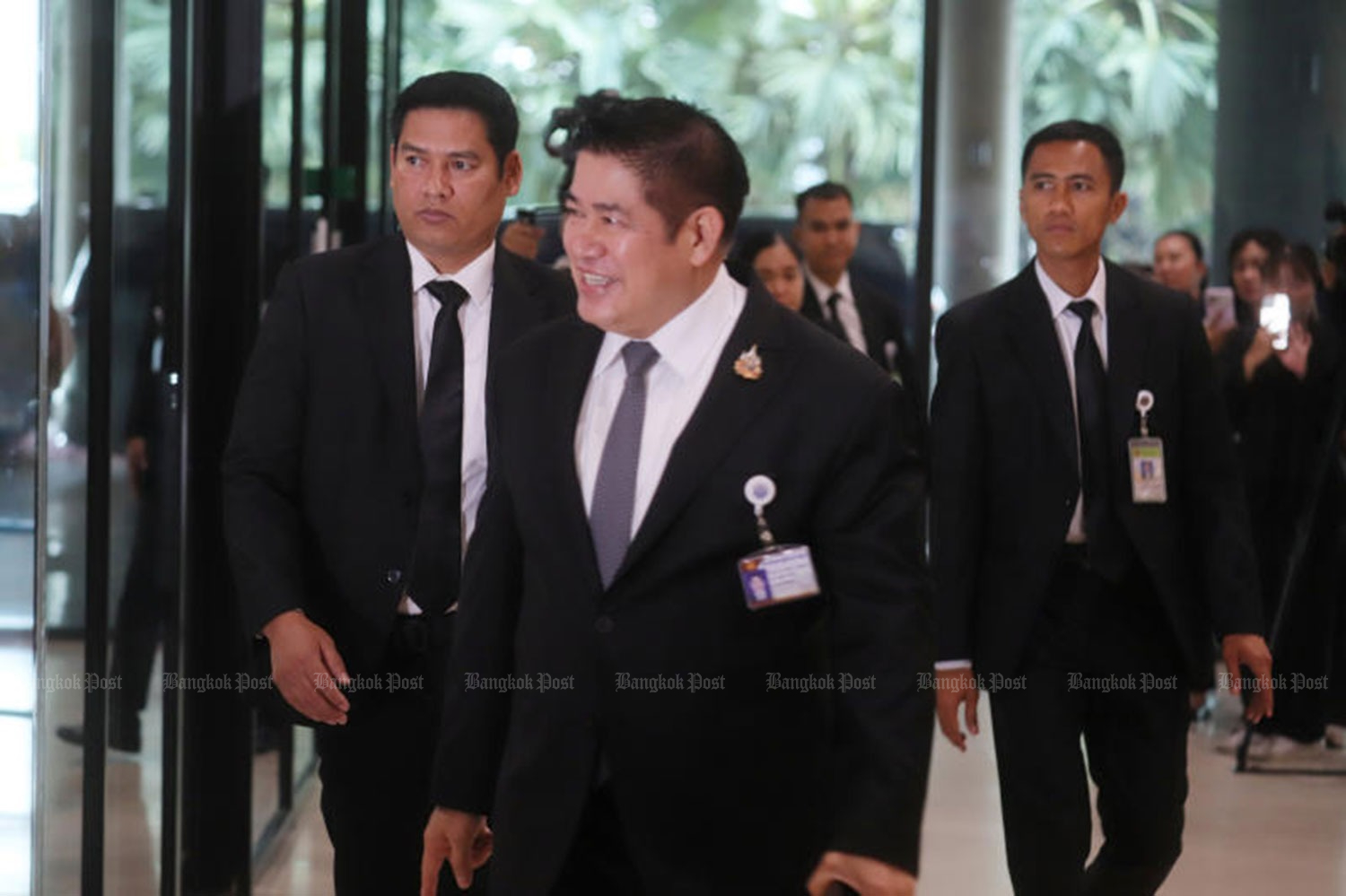
Klatham Party chief adviser Thamanat Prompow arrives for the vote. (Photo: Pornprom Satrabhaya)
Klatham abstaining
Klatham Party chief adviser Thamanat Prompow said the party would abstain from voting, and warned members against breaking ranks.
Speaking before the vote on Thursday morning, Thamanat said all 58 MPs must adhere to the party’s resolution, which was reached collectively.
“If there are differing views, they must be debated [in party meetings]. But once a resolution is reached, no one must break ranks,” said the de facto leader of Klatham, which is sitting in opposition after Bhumjaithai declined to invite it to join the coalition.
Now that it is in opposition, he said, the party’s MPs must play a constructive role in parliament. Any issues raised during parliamentary debates should deliver tangible benefits to the people in MPs’ constituencies and to the country as a whole. (Story continues below)
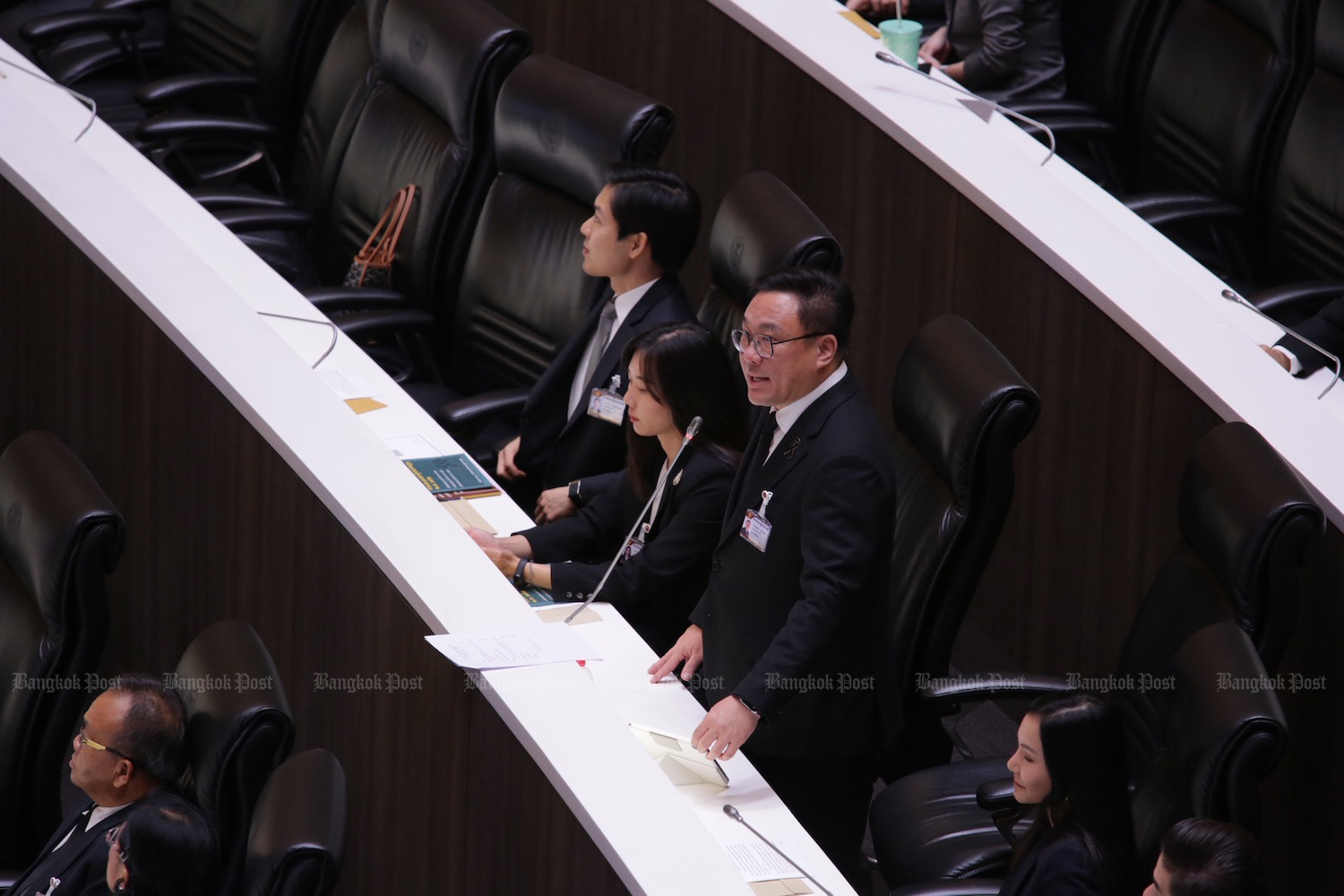
Pheu Thai Party leader Julapun Amornvivat speaks prior to the voting session for the new prime minister. (Photo: Bangkok Post)
‘No dissent’ in Pheu Thai
Pheu Thai Party leader Julapun Amornvivat confirmed that the party would unanimously support Mr Anutin as prime minister, insisting there would be no internal dissent.
Speaking at parliament on Thursday morning, Mr Julapun, also a party-list MP, said Pheu Thai’s stance on the prime ministerial vote was already clear.
The second-largest party in the coalition with 74 seats is ready to move ahead with its work for the public, he said.
Asked whether there would be any dissent within the party, Mr Julapun insisted there would be none, citing a clear mandate from voters who delivered a significant majority, well ahead of the second-placed party.
He said that clarity had existed from before the meeting through to the voting process, and that the people’s will must take precedence.
“There is no close contest between the first-, second- or third-ranked parties. We are ready to move forward,” he said
When asked whether Pheu Thai’s proposed ministerial nominees had already undergone background checks, Mr Julapun said the process would proceed shortly and would require internal discussions.
On whether policy discussions would also take place, Mr Julapun said policy talks were inevitable. The first issue would be cabinet portfolio allocation, which had already been discussed in principle.
Another mini-party signs on
United Thai Nation, with two MPs, is the latest to join the government following the resignation of Pirapan Salirathavibhaga as a party-list MP to allow Atavit Suwanpakdee to enter parliament.
