
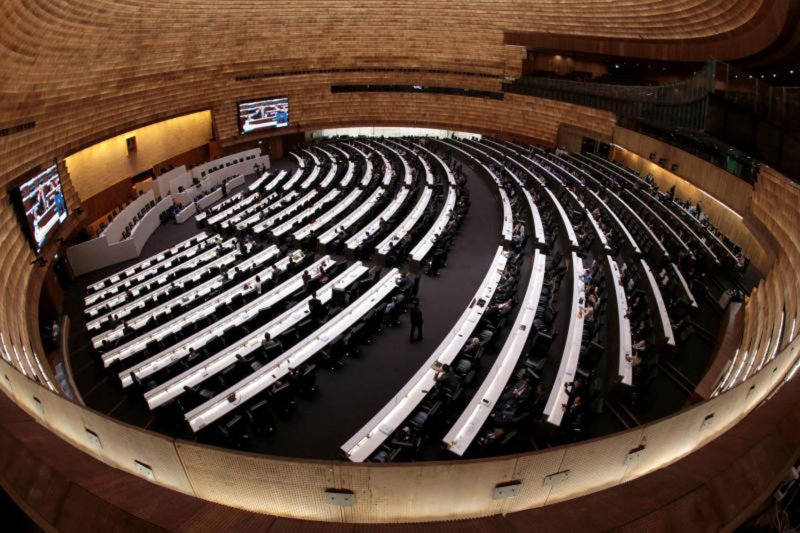
Lawmakers have expressed mixed views over scrapping a pension fund for former MPs and senators, amid concerns over fairness and long-term sustainability.
The Lower House on Thursday debated the financial viability and equity of the fund, which provides lifelong benefits to former legislators. A report presented by parliamentary secretary-general Siroj Phaetphan showed the fund ran a deficit of 23.1 million baht in the 2024 fiscal year, with total income of 211 million baht against expenditure of 234 million baht.
Dr Warong Dechgitvigrom, leader of the Thai Pakdee Party and its sole party-list MP, who has campaigned against the fund, criticised the scheme as a privileged arrangement heavily subsidised by taxpayers. He warned that its structure was unsustainable and risked deeper losses.
"I can say clearly this fund will eventually go negative," he said. "We contribute 3,500 baht per month but receive benefits that far exceed that. It is unfair to the public."
Dr Warong pointed to benefits including pensions, medical coverage of up to 130,000 baht annually, education support for up to two children through to university, and disability payments. He argued the pension system, which can grant lifelong payments starting at 21,300 baht after only one year in office, was excessive.
"In this situation, we MPs and senators are volunteers in politics. When we no longer hold office, should the public really have to support us for life?" he asked. "I propose scrapping pensions altogether."
However, opposition came from within the chamber. Noppol Leuangthongnara, a Pheu Thai MP from Phitsanulok, argued that abolishing pensions could undermine financial security for former lawmakers.
"Some former MPs have no home and must live in shelters," he said. "This role is public service, but people still need to live. If benefits are removed, can we guarantee there will be no under-the-table payments?"
He added that contributions over decades did not yield excessive returns compared with other savings options, and supported adjustments rather than abolition.
Meanwhile, Bhuntin Noumjerm, a Bangkok MP of the People's Party, highlighted structural concerns, noting the fund relies heavily on state subsidies.
"This is not a self-sustaining fund. Around 90% of spending goes to pensions," he said. "In future, taxpayers may have to shoulder hundreds of millions of baht annually."
He proposed freezing the expansion of pension rights, tightening eligibility criteria and improving transparency, including requiring quarterly board meetings.
Criticism also extended to MPs' performance. Chris Potranandana, a party-list MP of the Economic Party, questioned whether lawmakers were delivering value for money.
"Are MPs worth taxpayers' money?" he asked, citing concerns over the quality of parliamentary debates.
In contrast, Chuti Krairiksh, a Bhumjaithai Party MP from Phitsanulok, urged a broader perspective, noting that fewer than 10% of former MPs had claimed benefits.
"There have been 27 parliamentary terms, with a total of 9,643 MPs, and only about 1,291 have claimed benefits, less than 10%. We must ensure those who serve are not left without support."