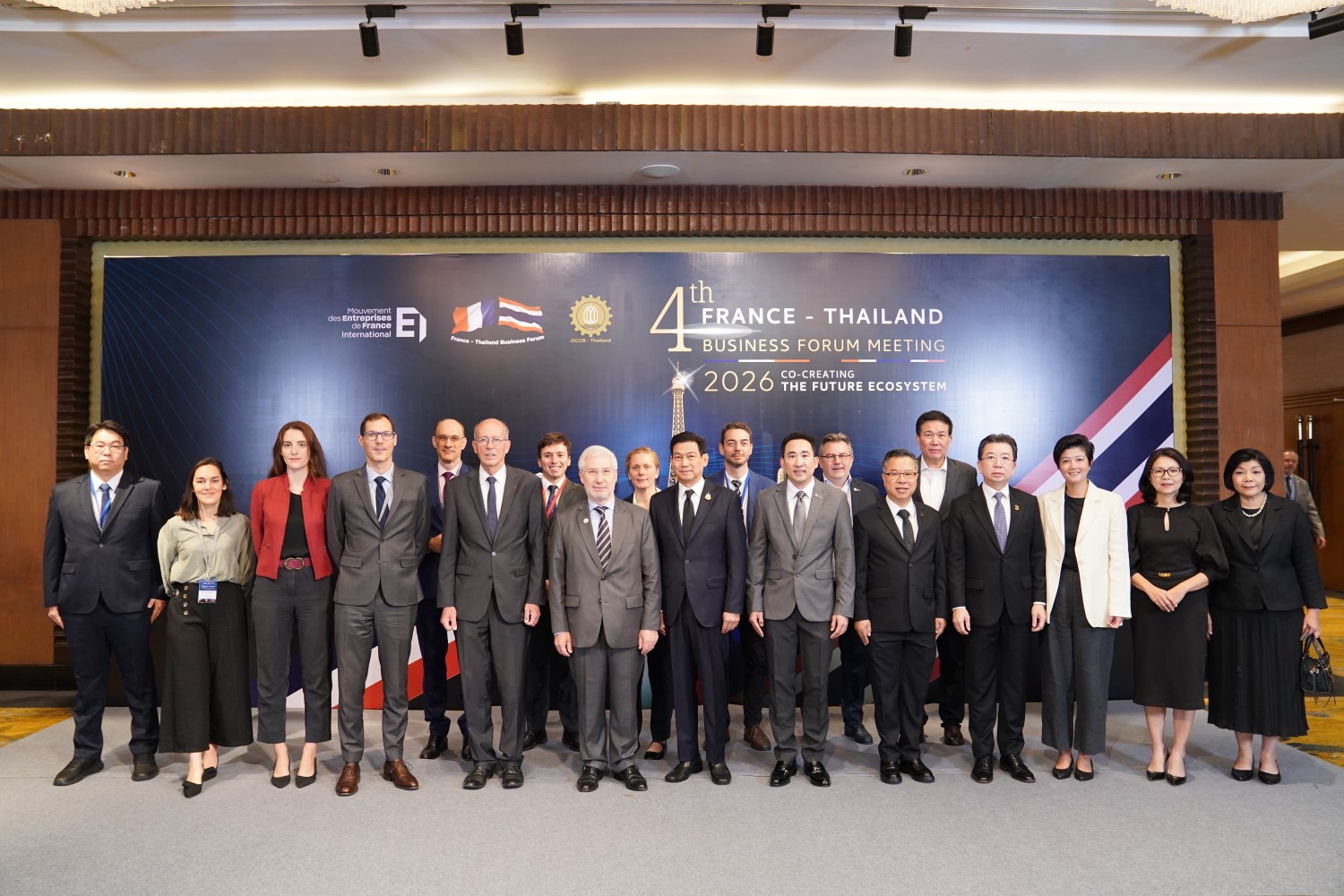
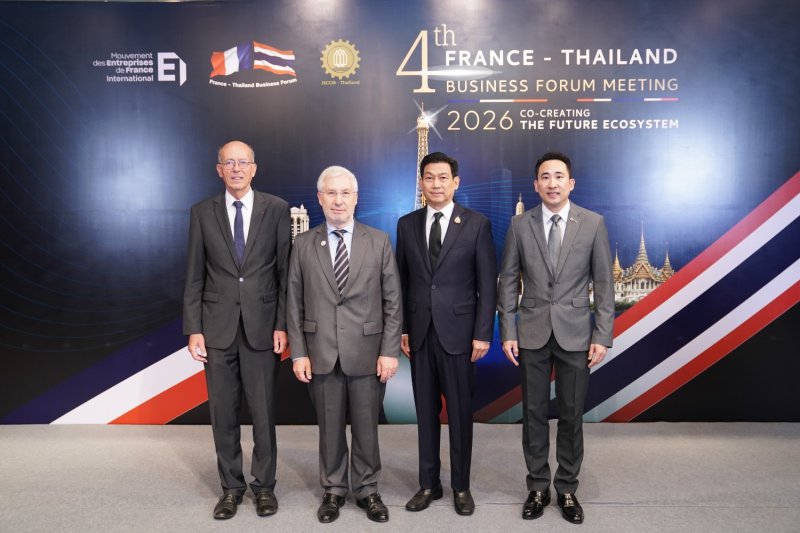
Thailand’s national oil and gas conglomerate PTT PLC has emerged as a pivotal force at the 4th France-Thailand Business Forum (FTBF), underscoring its commitment to advancing industrial cooperation, digital innovation, and mobility and transportation between the two nations.
The forum, held earlier this month in Bangkok, brought together more than 120 senior officials and executives from both the public and private sectors.
The event marked a turning point in bilateral relations building on the successful visit of the Prime Minister of Thailand and his delegation to France in May 2026, as well as the forthcoming signing of the Thailand–France Joint Action Plan 2026–2028. These developments set the framework for deeper collaboration in future-oriented sectors.
DIALOGUE TO EXECUTION
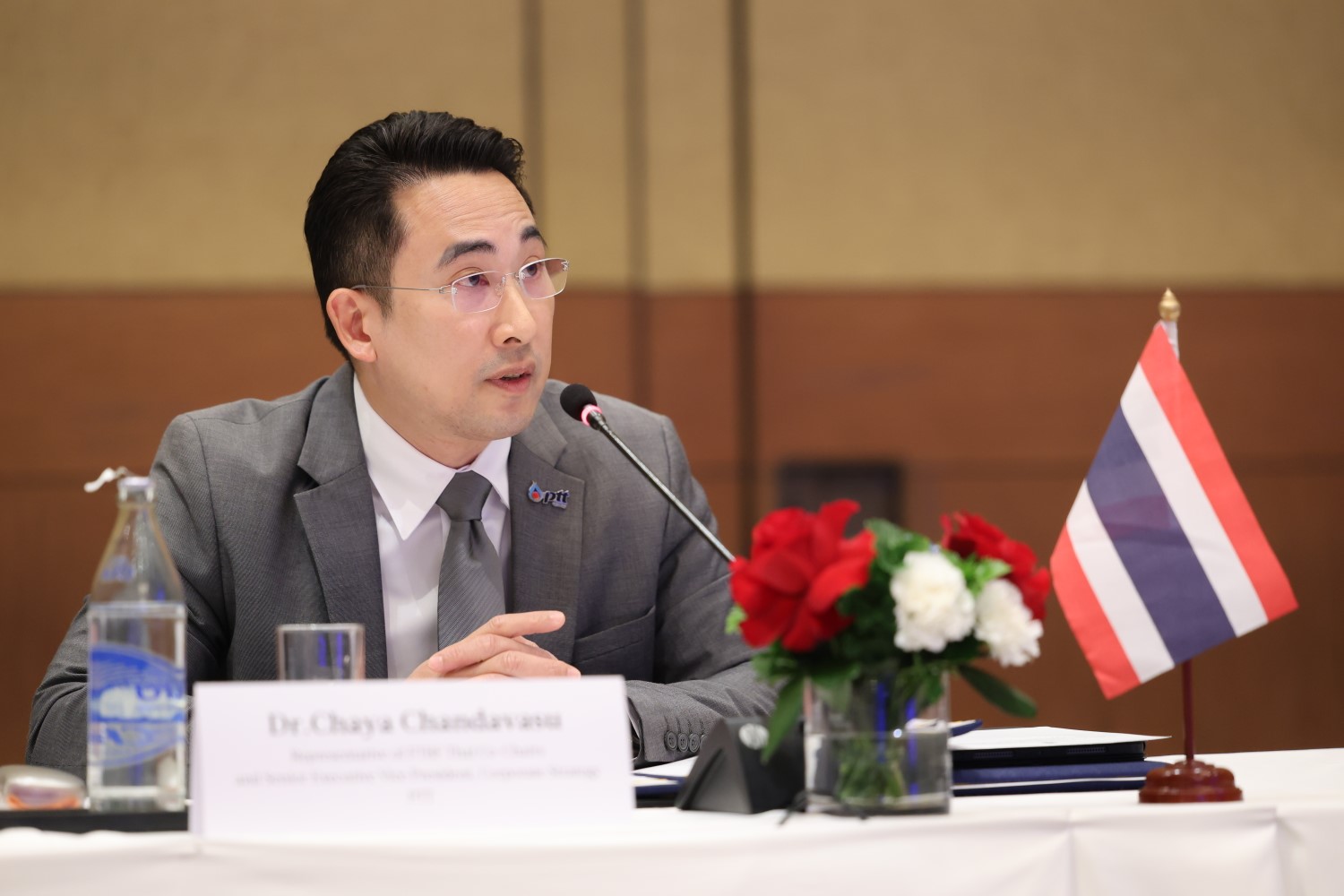
Dr. Chaya Chandavasu, Senior Executive Vice President, Corporate Strategy, PTT Public Company Limited (PTT) and Representative of Dr. Kongkrapan Intarajang, PTT CEO and FTBF Thai Co-Chair, said the forum has successfully evolved from exploratory discussions into concrete action.
“Nine years after the establishment of FTBF, this year has seen a significant increase in activity from France following the invitation from FTBF,” he said.
France’s strengths in energy, transportation, artificial intelligence, digital technology and quantum technology align closely with Thailand’s ambitions.
For PTT, this convergence presents opportunities to forge strategic partnerships in advanced industries, boosting efficiency and competitiveness.
CLEAN ENERGY
As Thailand accelerates its green transition, PTT is spearheading private-sector efforts to transform high-level diplomatic commitments into multi-billion-baht commercial ventures.
France, recognised as a global leader in clean energy and carbon capture technologies, offers expertise that complements Thailand’s net-zero objectives.
In addition to the clean energy discussions highlighted at the forum, PTT also pointed to carbon capture and storage as an area that could support Thailand’s long-term sustainability roadmap. The collaboration is expected to enhance Thailand’s energy transition while opening doors for French companies to expand their footprint in Southeast Asia.
BALANCED STRATEGY
Mr. Chaya also stressed the importance of shifting toward balanced bilateral trade.
Thailand is no longer content to remain a passive investment recipient; instead, PTT and FTBF are encouraging Thai investments in France.
Target sectors include luxury food, biotechnology and digital services — areas where Thai firms can leverage their strengths while tapping into French markets, Mr. Chaya said.
POLICY FRAMEWORK
H.E. Dr. Parnpree Bahiddha-Nukara, Chairman of the Advisory Board to the Deputy Prime Minister and Minister of Foreign Affairs, noted that the Thai government’s recent visit to France had laid a strong policy foundation for cooperation.
The Joint Action Plan 2026–2028, agreed upon by Prime Minister Anutin Charnvirakul and President Emmanuel Macron, provides a clear framework for collaboration, with the Ministry of Foreign Affairs serving as the central coordinating body.
“We are coordinating between economic agencies including the Ministry of Commerce, the Board of Investment and The Tourism Authority of Thailand, stands ready to facilitate and support for French investors.” Dr. Parnpree explained.
The Thai government is also working toward a free trade agreement (FTA) between Thailand and the EU. If achieved, the FTA would accelerate the implementation of bilateral projects and further strengthen economic ties.
FRANCE’S PERSPECTIVE
H.E. Mr. Jean-Claude Poimboeuf, Ambassador of France to Thailand, reaffirmed Thailand’s role as one of France’s most reliable trading and investment partners in Asia.
He said future growth in economic relations between the two countries would depend on both structural improvements and new areas of cooperation.
On the structural side, Mr Poimboeuf highlighted the importance of enhancing the ease of doing business together. This includes progress toward a Thailand-EU FTA and Thailand’s ongoing efforts to join the Organisation for Economic Co-operation and Development.
These steps would provide a stronger foundation for long-term collaboration and encourage greater investment flows.
Mr. Poimboeuf also pointed to opportunities in future-oriented sectors. Energy transition, digital innovation and sustainable infrastructure are areas where both nations can combine their strengths to create meaningful impact.
France’s expertise in clean energy and advanced technologies, paired with Thailand’s ambition to become a regional hub for innovation, could pave the way for transformative projects that benefit both economies.