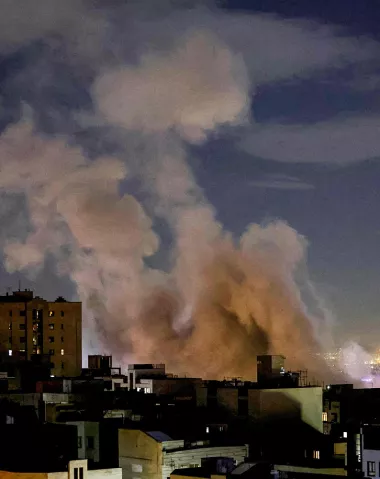
While the fighting between the United States, Israel and Iran remains centred in the Middle East, the situation has raised wider concerns about stability, global energy and the risk of the confrontation expanding beyond the region.
For countries such as Thailand, the situation poses the challenge of navigating geopolitical tensions while preparing for possible economic and security repercussions if the fighting drags on or intensifies.
Wanwichit Boonprong, a political scientist at Rangsit University, said the course of the conflict will largely depend on how far Washington chooses to extend its military involvement.
If the US decides to send ground troops to Iran, its forces will find it difficult to operate due to the terrain, with Iran likely to be the toughest opponent the US has faced since the Vietnam War, he said.
Iran also has networks of allied militant groups in the region, which could open multiple fronts against US and Israeli interests, he said.
Even if the US forces manage to control strategic areas such as the Strait of Hormuz or weaken Iran's military capabilities in the early stage, its own strategic assets and those of Israel could face retaliatory attacks, increasing the risk of prolonged fighting.
However, if Washington decides not to send in ground troops, it could declare victory, drop any attempts for regime changes in Iran and shift its focus back to domestic priorities, he said.
"Under this scenario, it would reduce long-term impact on international industries and oil markets," he said.
Mr Wanwichit said Iran has endured more than a decade of international sanctions and economic pressure with support from major powers like China and Russia.
The US may negotiate with Beijing or Moscow to encourage Iran to scale down the confrontation, which could create an opportunity for Tehran to step back, he said.
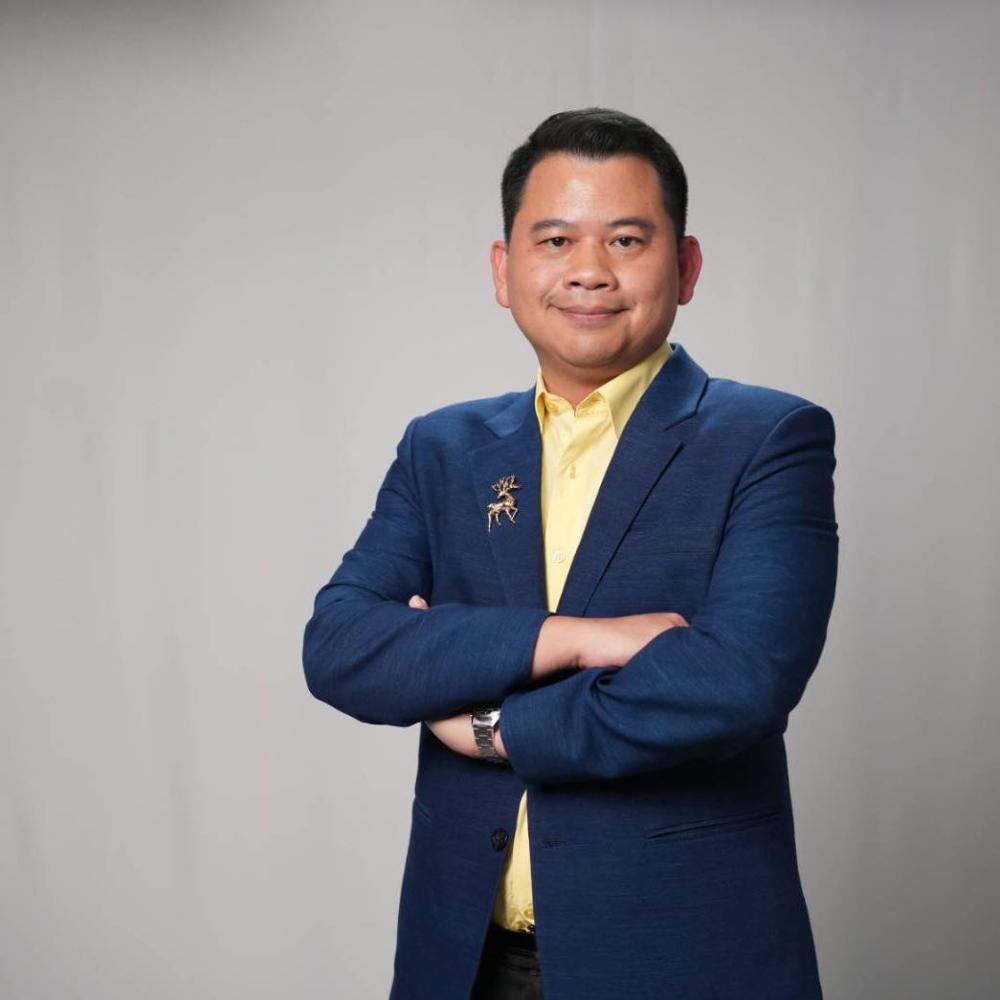
Wanwichit: Govt must remain neutral
Neutrality first
Mr Wanwichit said Thailand should maintain its traditional diplomatic stance of neutrality while emphasising humanitarian concerns.
Highlighting civilian casualties -- such as reports of Iranian schoolchildren killed in the conflict -- would allow Thailand to underline the importance of protecting non-combatants.
Thailand itself has experienced civilian casualties during cross-border attacks with Cambodia last year, and could draw on that experience to stress that civilians should never be drawn into armed conflict. "This stance allows Thailand to uphold humanitarian principles without taking sides," he said.
Mr Wanwichit also warned that prolonged fighting could affect Thai workers in several Middle Eastern countries. Employment opportunities could be disrupted, forcing many workers to return home.
He urged the government to prepare support measures, including temporary employment programmes and assistance for returning workers.
Energy security is another key concern. The government should tell people about the country's energy reserves and supply capacity to prevent panic buying and maintain public confidence.
"If people start worrying on their own and the government does not provide clear information, it could create unnecessary panic. The government should state how long our energy supplies will last and reassure the public that they are sufficient so consumer prices do not rise."
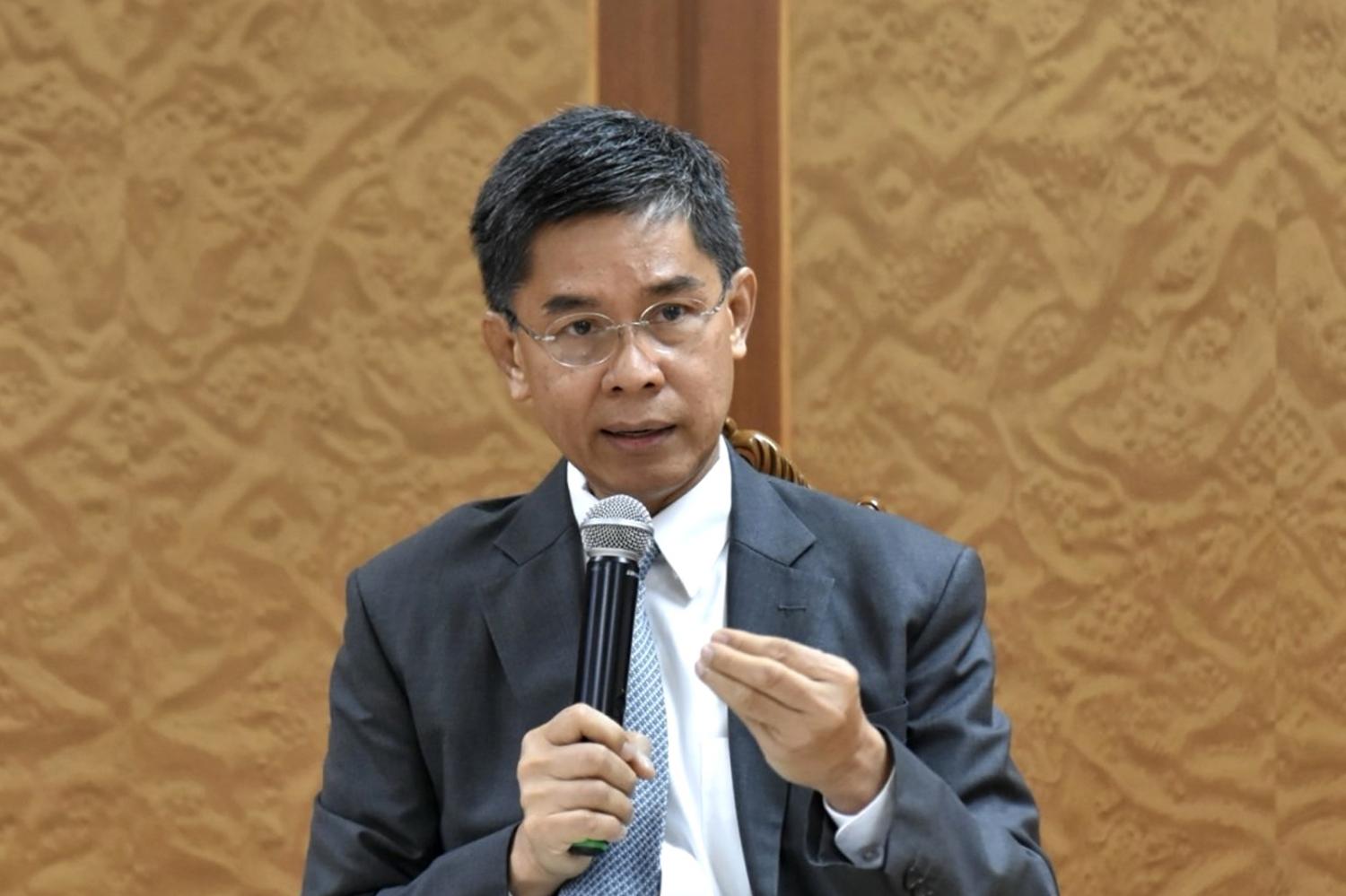
Panitan: US victory not yet complete
Talks within months
Panitan Wattanayagorn, an international relations scholar, said he believes the conflict will gradually move towards negotiations as both sides have managed to stabilise their positions.
From Washington's perspective, the military operations have achieved some strategic progress while Iran has managed to maintain political continuity after appointing new leadership and sustaining its defensive capabilities.
However, he said two key difficulties remain, which could prolong the fighting for weeks or even months. First, Israel may seek to continue operations to further weaken Iran's military capabilities. Second, Iran's new leadership may not yet be in a strong position to enter negotiations.
"The US has won, but not completely," Mr Panitan said. "Its objective of regime change failed, and it has faced criticism for violating international law and norms." At the same time, Iran has suffered heavy losses early in the conflict, including the death of its top leader and damage to its military infrastructure.
Mr Panitan said international powers such as China and France could play an important role in facilitating negotiations.
Iran may need to assure the international community that it will not pursue policies that violate international agreements or destabilise the region, while Israel may also need to reaffirm earlier regional agreements and ease tensions with neighbouring states.
"I understand that attempts to start negotiations are under way, but talks will likely wait until the military situation stabilises, including the reopening of key maritime routes and ensuring the protection of oil tankers," he said.
He estimated negotiations could begin within one to three months as economic pressures and disruptions to energy supplies and logistics intensify.
Keeping distance
Mr Panitan said Thailand should maintain a cautious and balanced diplomatic stance and avoid appearing to support either side while waiting for international institutions such as the United Nations to take the lead.
It could also strengthen its position by expressing concern about violations of international norms that affect smaller countries and use its bilateral relationships with other countries to help protect and assist Thais overseas.
He said the war offers lessons for Thailand's preparedness. Early warning signs of rising tensions in the Middle East appeared months ago, but Thai response measures were relatively slow compared with some other Asean countries, he noted.
"This is a lesson for the future, especially given the volatility we are seeing, including public panic and stockpiling," he said.
Mr Panitan also urged authorities to strengthen monitoring of foreign groups within Thailand as in the past, these groups were concentrated in limited areas, but they are now spreading across tourist destinations, mountainous areas, coastal locations and major cities.
A taskforce of immigration authorities, the Labour Ministry, the Interior Ministry and security agencies could help improve information sharing and screening systems, he added.