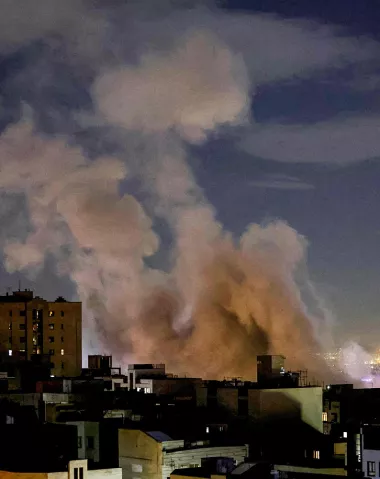
The war between the United States, Israel and Iran is sending ripples across global markets, with Thai exporters reporting disrupted trade flows and increased fuel and transport costs.
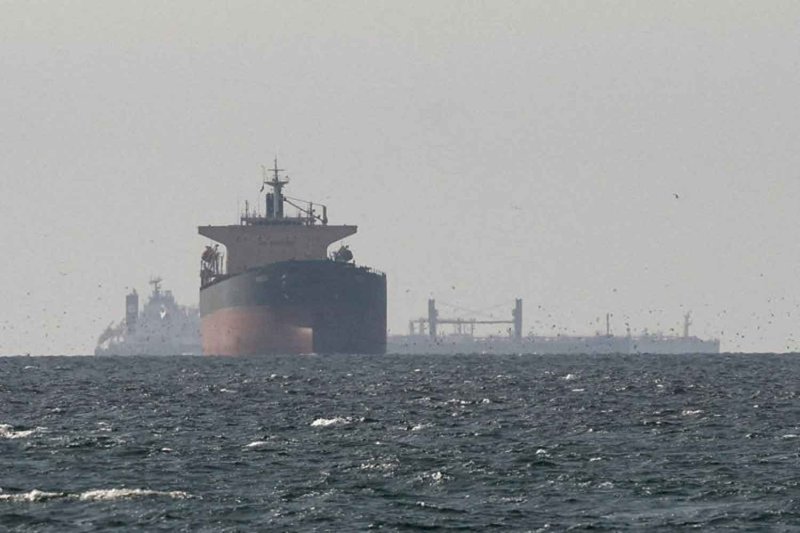
The conflict has triggered volatility in global oil prices and restricted access to the Strait of Hormuz, a critical maritime chokepoint for energy shipments.
This could sharply increase shipping costs and delay deliveries for Thai exporters reliant on Middle Eastern routes.
For exporter Ghanyapad Tantipipatpong, the war is the biggest source of uncertainty in the many decades she has been in the field. She exports canned fruits and some seasoning products around the world, mainly to the United States and Europe.
Her business has weathered Covid-19 and other regional conflicts and uncertainties, but she says the US/Israel strikes on Iran are different. "I think the conflict in the Middle East is more severe than Covid-19," she said.
"There was lower consumption during Covid and everybody was spending less. But this war affects the whole global manufacturing industry. There will be less consumption and higher costs. While the war on Iraq and Afghanistan had some effects, it was a short-term thing. I don't see the end of this war yet."
Thai exporters, including Ms Ghanyapad, enjoyed a recent trade surge only to face a disruption when Israel and the United States launched their strikes on Iran on Feb 28.
Thailand's total exports in 2025 hit a record US$339.635 billion, a 12.9% expansion, while in January 2026 they surged 24.4%, exceeding the expectations of analysts who expected US President Donald Trump's tariffs to hit industry harder. Fortunately for Ms Ghanyapad, a shipment of canned fruit exports to the Middle East from her firm reached its destination just days before the war broke out.
However, she said other exporters have faced difficulties. "Ocean freight charges have surged, as well as cargo insurance. Goods that are about to leave port have been stranded at port, while exporters are concerned about what will happen to goods on their way to the Middle East, and whether they can be loaded there at all."
Alhuda Chanidpattana, a Middle East expert and a lecturer at the Faculty of Communication Arts, Bangkok University, says logistics costs have doubled for goods bound for the Middle East despite the upcoming festive period at the end of Ramadan, where shopping often surges.
"With the hajj season approaching in a little over a month, demand is usually strong at this time of year. There are also many small spa-related businesses exporting products, as Saudi consumers tend to purchase a lot during festive periods.
"Shipping costs for many items have increased. Freight rates have surged -- container costs have risen from about $3,500 to $7,000 [113,600 to 227,200 baht]. War-risk insurance premiums have increased by 50–100%.
"As a result, exporters have to shoulder much higher costs, which only large companies can afford. Smaller operators may have to suspend shipments altogether," she said.
"For now, businesses are waiting to see how the situation develops. Some may pause exports for a few months because they cannot compete."
Ms Alhuda said the Middle East is an important market for Thai exports, and Commerce Minister Suphajee Suthumpun visited in December after assuming office.
"In the Gulf Cooperation Council [GCC] market, the top destinations are Saudi Arabia, followed by the United Arab Emirates and Qatar, along with Kuwait, Oman and Bahrain," said Ms Alhuda.
"Thai products and services are well regarded in areas such as medical treatment, hospitality and service standards, which have helped build trust in the Middle East. "Thai people are often seen as having a friendly and respectful manner that resonates well with Arab culture," she said.
WAIT AND SEE
Kavin "Salman" Pohsa, a Thai exporter of incense agarwood, essential oil and perfume to the Middle East, said goods he sent prior to the conflict have been delayed, while future orders have stalled.
"Orders for January and February have been shipped. Some customers have placed orders to be shipped in early March, but others have reduced orders or suspended orders," he said, adding one air shipment placed two days before the war had to reroute in Germany instead of going directly to Bahrain, its destination. "In wartime, people focus on rice, food and medicine. My products are luxury goods, so when there is conflict, people do not order them."
Mr Salman has a shop in Riyadh, Saudi Arabia, as well. While the location is far from the fighting, he plans to diversify his exports to markets closer to Thailand.
The conflict may settle within six months, if it doesn't expand to include China and Russia, he believes. In the meantime, he is looking for new markets such as China, India and Indonesia, which are closer to Thailand and can help keep logistics costs down.
Bambang Brodjonegoro, Dean and CEO of the Asian Development Bank Institute (ADBI), suggests firms look to the Asean market.
"If the war escalates and lasts a long time, oil and gas prices will skyrocket, which will slow global economic growth and bring high inflation. Thai businesses and SMEs should strengthen inter-regional trade within Asean and strengthen Asean supply chains."
Trader Manoj Atmaramani, an exporter of tea and coffee products to the Middle East, said Thai businesses must look for "supply gaps" as Middle Eastern importers may need to look for new suppliers as well.
"This conflict shakes up everything, and nothing will be the same. Business or shipment deals that were fixed may change, and that can be an opportunity for us," he said.

Alhuda: 'Logistics costs have doubled'

Ghanyapad: 'Strikes on Iran are different'

Kavin: 'People focus on food in wars'

Bambang: 'SMEs must strengthen trade'