


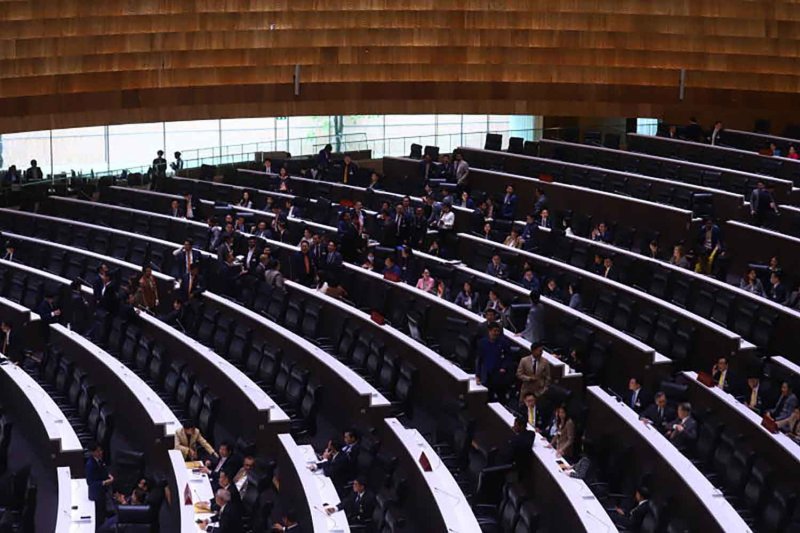
Surging living costs have intensified scrutiny of parliamentary spending, with proposals by Dr Warong Dechgitvigrom triggering widespread reactions across political and public spheres.
The debate emerged during the first sitting of the House of Representatives on March 15, where Dr Warong, a party-list MP and leader of the Thai Pakdee Party, raised concerns beyond the agenda, focusing on MPs' food allowances, the number of assistants and pension arrangements.
"In today's climate, people are uneasy. MPs receive salaries of 113,560 baht, so why should taxpayers fund their lunches?" he told the chamber. "In many countries, MPs pay for their own meals."
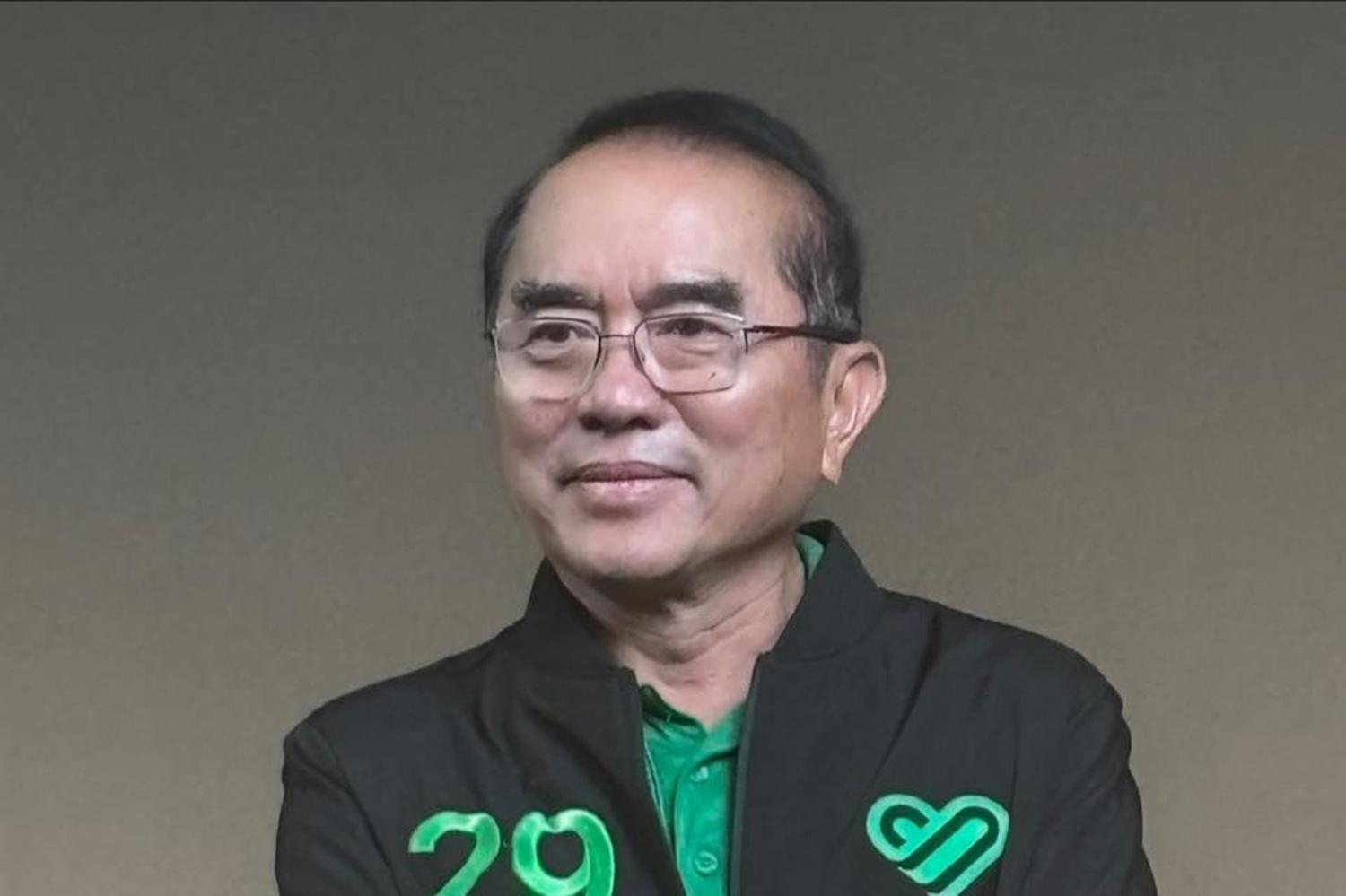
Warong: Free lunches a waste
His intervention, though brief, quickly drew interruptions from fellow MPs, with acting chair Pairote Lohsunthorn advising that such issues should be addressed through formal parliamentary committees rather than during the speaker selection session.
Yet the remarks have resonated beyond parliament. At a time when households face mounting expenses amid volatile energy prices and stagnant incomes, public expectations for fiscal discipline have sharpened.
Dr Warong outlined three proposals: scrapping the daily food allowance of around 1,000 baht per MP, reducing the number of assistants from eight to three, and reviewing the pension fund for former MPs.
The figures involved have fuelled public debate. Combined food allowances across parliament amount to hundreds of thousands of baht per day, prompting comparisons with average household earnings. Similarly, the current allowance of up to eight assistants per MP, with salaries set to rise to 18,000 baht from Oct 1, 2026, has been questioned as excessive.

Phanthil: Meal allowance needed
Public reaction has largely aligned with the direction of the proposals. Online discussions and civic commentary have framed the issue not merely as budgetary arithmetic, but as a matter of perceived privilege.
Taken together, the three areas of spending have come to symbolise what many see as disproportionate benefits, particularly during economic hardship. The debate has rapidly expanded beyond parliament, drawing support from taxpayers who view the issue as directly tied to their contributions.
However, responses within political circles have been mixed.
Phanthil Nuamcherm, a Bangkok MP from the People's Party, defended the need for meal support during long parliamentary sessions but proposed reforms.
"MPs attending all-day meetings need an off-hour meal, for which allowance remains essential," he said, suggesting a non-transferable refill meal card to prevent misuse and improve cost tracking.
Assoc Prof Jade Donavanik, a legal expert and a prime ministerial candidate of the Rak Chart Party, which does not yet have an MP, offered a more structural approach.
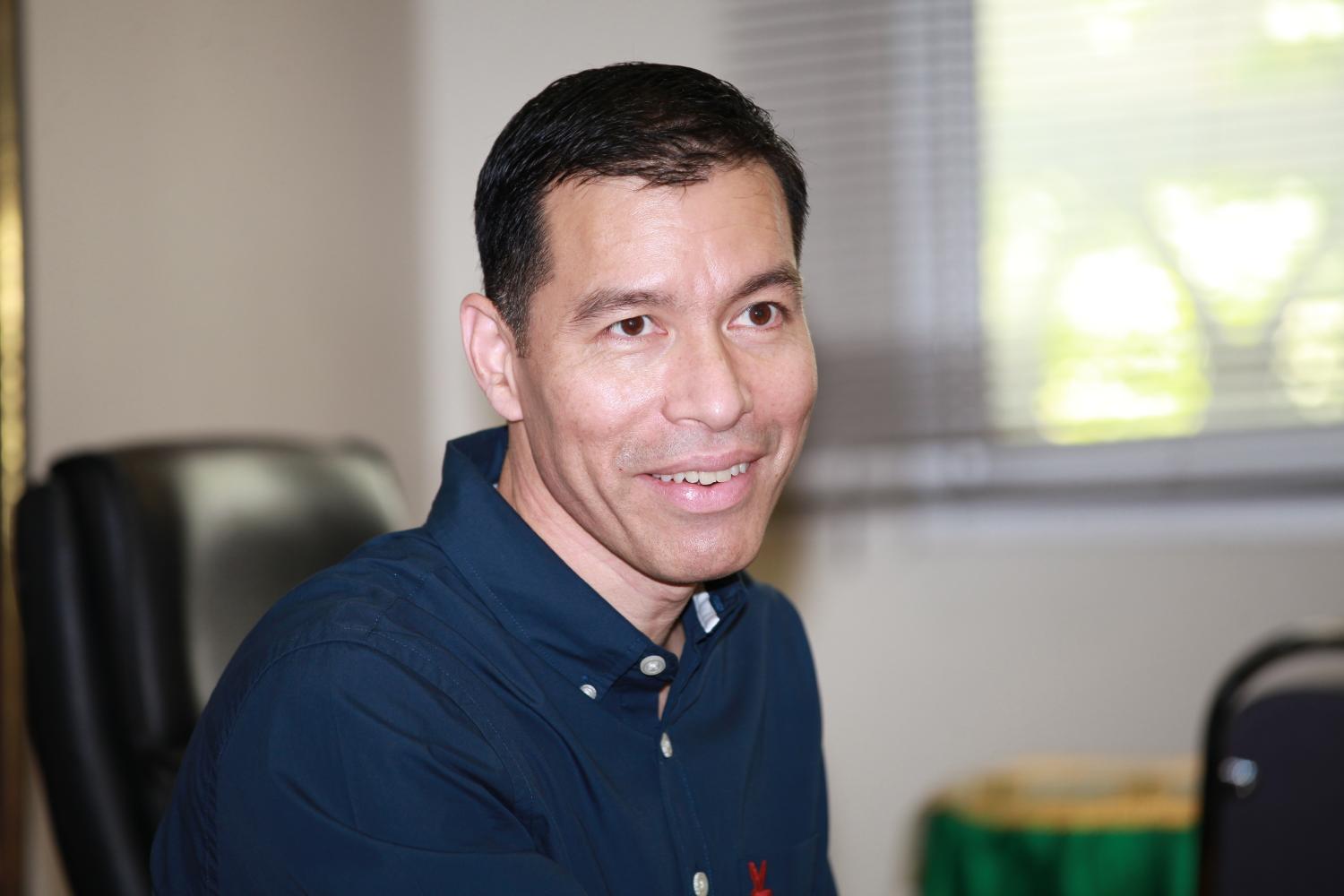
Jade: Issue 'not a priority'
"Parliament may consider establishing an in-house cafeteria to facilitate MPs and ensure consistent sales for vendors," he said. "The allowance could be reduced to 200 baht per meal."
On staffing, he supported reducing assistant headcount. "I agree with the proposed number of three assistants per MP overseeing necessary tasks, including document preparation, meeting arrangements and general secretariat work."
He also highlighted concerns over transparency, particularly the employment of family members and close associates. Cutting assistant numbers, he noted, could save up to 540 million baht annually.
Mr Phanthil added that the issue extended beyond headcount.
"The number of assistants is not as much of a concern as the employment of family members. This raises scrutiny over potential abuse of benefits." He cited international practices in which budgets are allocated with clear performance indicators to ensure accountability.
The pension system has also come under renewed examination.
Currently, MPs contribute 3,500 baht monthly to a fund that provides former members with payments ranging from 9,000 to 35,600 baht, depending on tenure. Payments typically last for a period equivalent to twice their time in office.
Mr Jade proposed replacing the pension scheme with a provident fund model. "A provident fund system could be more effective, with government co-contributions. MPs' deductions could be raised above 3,500 baht a month, exceeding the state's contribution."
Despite the renewed momentum, structural reform remains uncertain. Mr Jade acknowledged the political reality: "The majority of members, who hold the most votes, do not see these issues as a priority."
