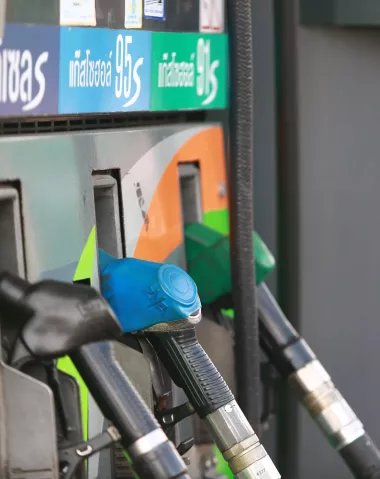
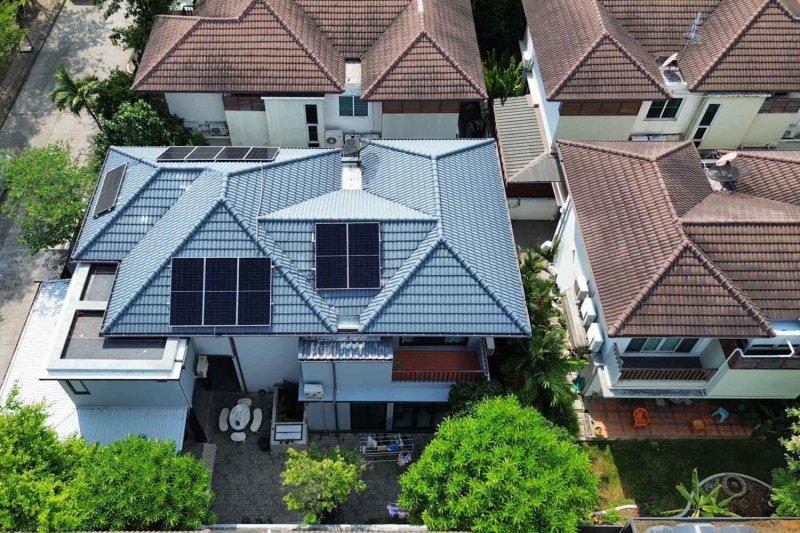
The government's renewed focus on rooftop solar in early 2026 stems from overlapping economic pressures, described by policymakers as a "crisis on crisis".
Global energy costs have surged amid the war in the Middle East, affecting fuel used for electricity generation. This has pushed up the fuel tariff, with further increases expected between May and August.
So, the government is seeking structural solutions to reduce reliance on imported energy and shield households from volatile prices.
Rooftop solar has emerged as a central option, positioned as both an economic and energy security measure.
Energy Minister Akanat Promphan linked the push to longer term reform. "We do not want to focus only on short term fixes. This is about restructuring the energy system so Thailand can rely more on itself," he said.
He added the crisis should be treated as an opportunity. "If we do not act now, we will lose a critical moment to improve our energy structure."
Is it worth it?
At its core, the debate centres on whether installing solar rooftops is financially worthwhile for households.
Areeporn Asawinpongphan, an energy policy researcher at the Thailand Development Research Institute, said rooftop solar is fundamentally cost-effective.
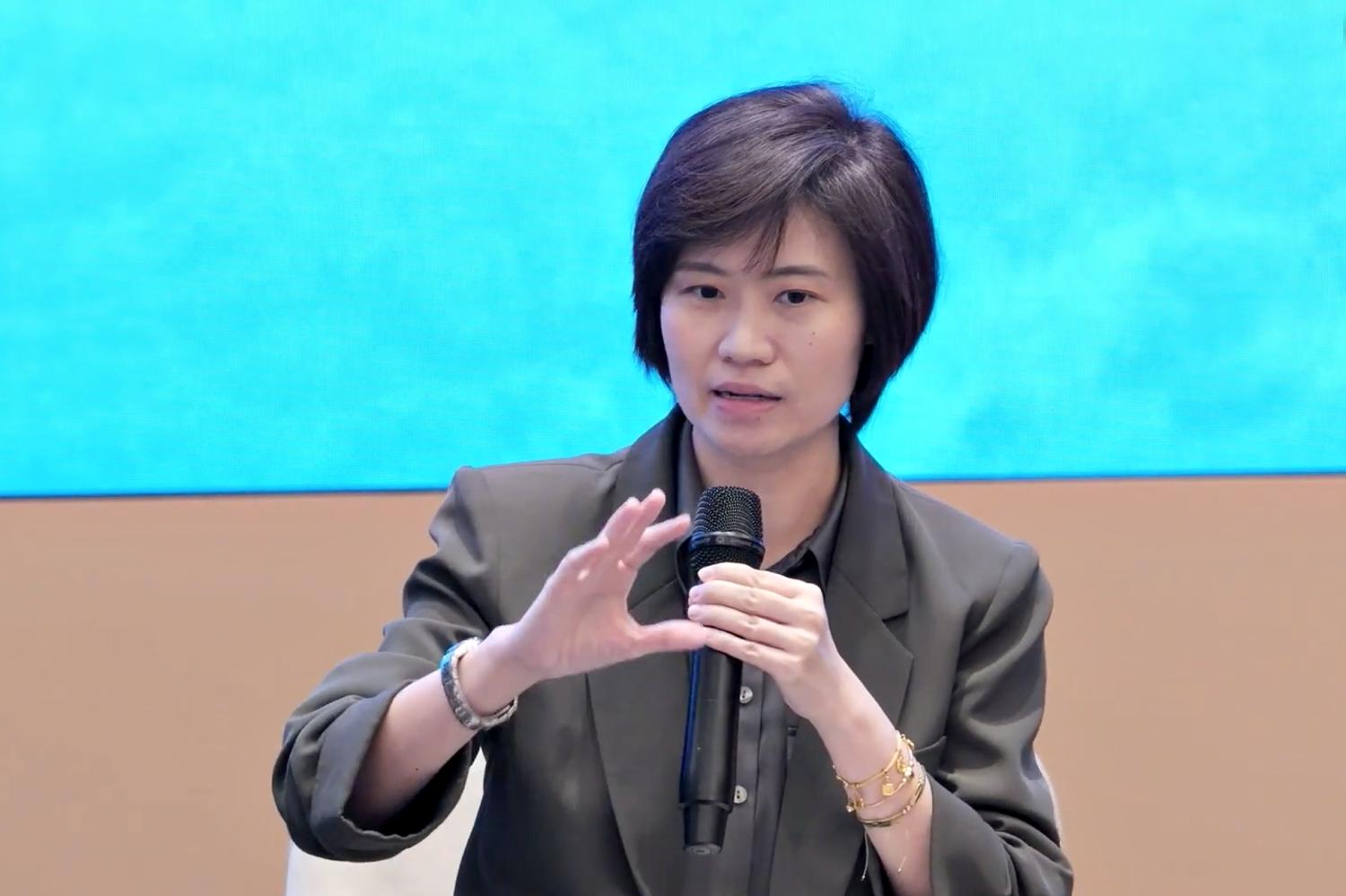
Areeporn: Notes cost of installation
"It supports clean energy and helps households rely more on domestic resources, while reducing electricity bills," she said.
Thailand's solar potential is strong, with abundant sunlight enabling households to generate a meaningful share of their electricity needs. Over time, this can reduce monthly expenses.
However, the main barrier remains the upfront cost. Installation typically requires an investment in the hundreds of thousands of baht, making it inaccessible for many households without financial support.
"Technology is already mature and widely available. The main issue now is the cost of installation," Ms Areeporn said.
Benefits and returns
Government measures such as tax deductions and electricity buyback schemes are intended to improve financial returns.
Tax incentives can lower the effective cost of installation, while selling excess electricity back to the grid creates an additional income stream. Together, these mechanisms can shorten the payback period.
Ms Areeporn said buyback schemes are important in making projects financially attractive.
"If households can sell electricity back, the return becomes more interesting and the system pays for itself faster," she said.
However, participation is limited by quotas, meaning not all households can benefit.
"If the government wants to support this seriously, it should expand the buyback quota," she added.
Technologically, the systems themselves are no longer a major concern. Solar panels are standardised, widely available and meet safety requirements. Differences in quality are minimal.
"The technology has stabilised. There are many providers and safety standards are already in place," she said.
Policy gaps remain
Despite these advantages, critics argue that existing policies do not fully support households.
Energy expert Prasat Meetam, from Thailand Consumers Council, pointed to a key structural issue: most households are not at home during the day, when solar panels generate peak electricity.
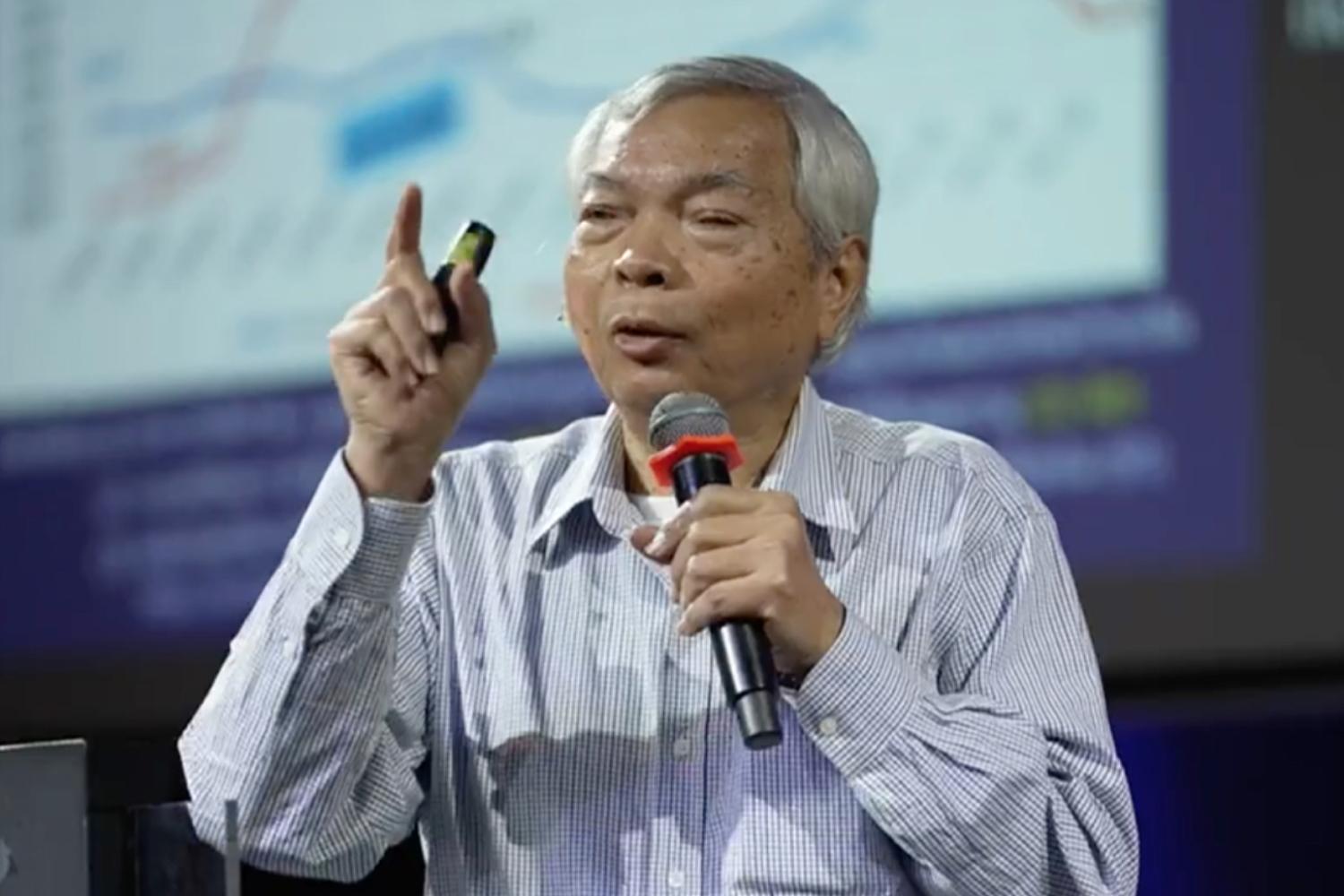
Prasat: 'Tax break doesn't help much'
Under normal conditions, surplus electricity would flow back into the grid. However, current metre systems prevent households from reclaiming that energy later.
In practice, this means the grid does not function as a form of storage. A net metering style system would allow households to "deposit" excess electricity during the day and draw it back at night, effectively using the grid as a virtual battery.
By contrast, the country's net billing model allows surplus electricity to be sold back, but at a lower rate and without full offset against future consumption.
"If the system follows physics, it will be worth it. But if the government blocks the flow, it will not be," Mr Prasat said.
Cost and barriers
Financial accessibility remains a major concern.
Although the government offers tax deductions of up to 200,000 baht, the actual benefit depends on income levels. A household earning 50,000 baht per month may receive only around 10,000 baht in tax relief on a 200,000 baht installation.
"For most people, the tax measure does not help much. Many do not earn enough to benefit fully," Mr Prasat said.
Low interest loans are being introduced to address this gap. The Government Savings Bank has allocated part of a 100 billion baht soft loan programme to support solar installations, with 5 billion baht specifically earmarked for solar and electric vehicles.
Loans of up to 500,000 baht are available without collateral, with interest rates starting at 3.50% for the first two years. Secured loans can reach 1 million baht, with repayment periods of up to seven years.
The aim is to structure repayments below typical electricity bills, making adoption more manageable.
However, Mr Prasat argued financing is not the primary issue.
"The main problem is not loans or interest rates. It is that people are not allowed to use the electricity they produce," he said.
Storage dilemma
In response to grid limitations, some households invest in battery storage systems to capture excess electricity.
While this improves energy independence, it adds to the cost. Installing batteries can require an additional investment of around 150,000 baht.
"I installed batteries myself. It works, but it requires more investment," Mr Prasat said.
For smaller households, battery storage can cover most electricity needs outside peak summer months. However, it extends the payback period.
From a technical perspective, space requirements are relatively modest. Approximately 2m² are needed per kilowatt of capacity. A 3 kilowatt system, capable of producing about 300 units per month, requires roughly 10m² of roof space.
Mr Prasat proposed an alternative solution.
"If the system is below 3 kilowatts, the electricity should be allowed to flow back into the grid and be used later. That would make it clearly worthwhile," he said.
Future direction
The household sector accounts for about 29% of electricity consumption, equivalent to roughly 220,000 million units per year. This highlights the scale of rooftop solar adoption.
The government says it could streamline installation processes, aiming for approval within 30 days, or one week for systems used solely for self-consumption.
There are also plans to allow households to sell excess electricity at around 2.20 baht per unit.
Energy Minister Akanat said reform must go beyond temporary relief. "We must use this moment to accelerate change and move towards a more sustainable energy structure," he said.
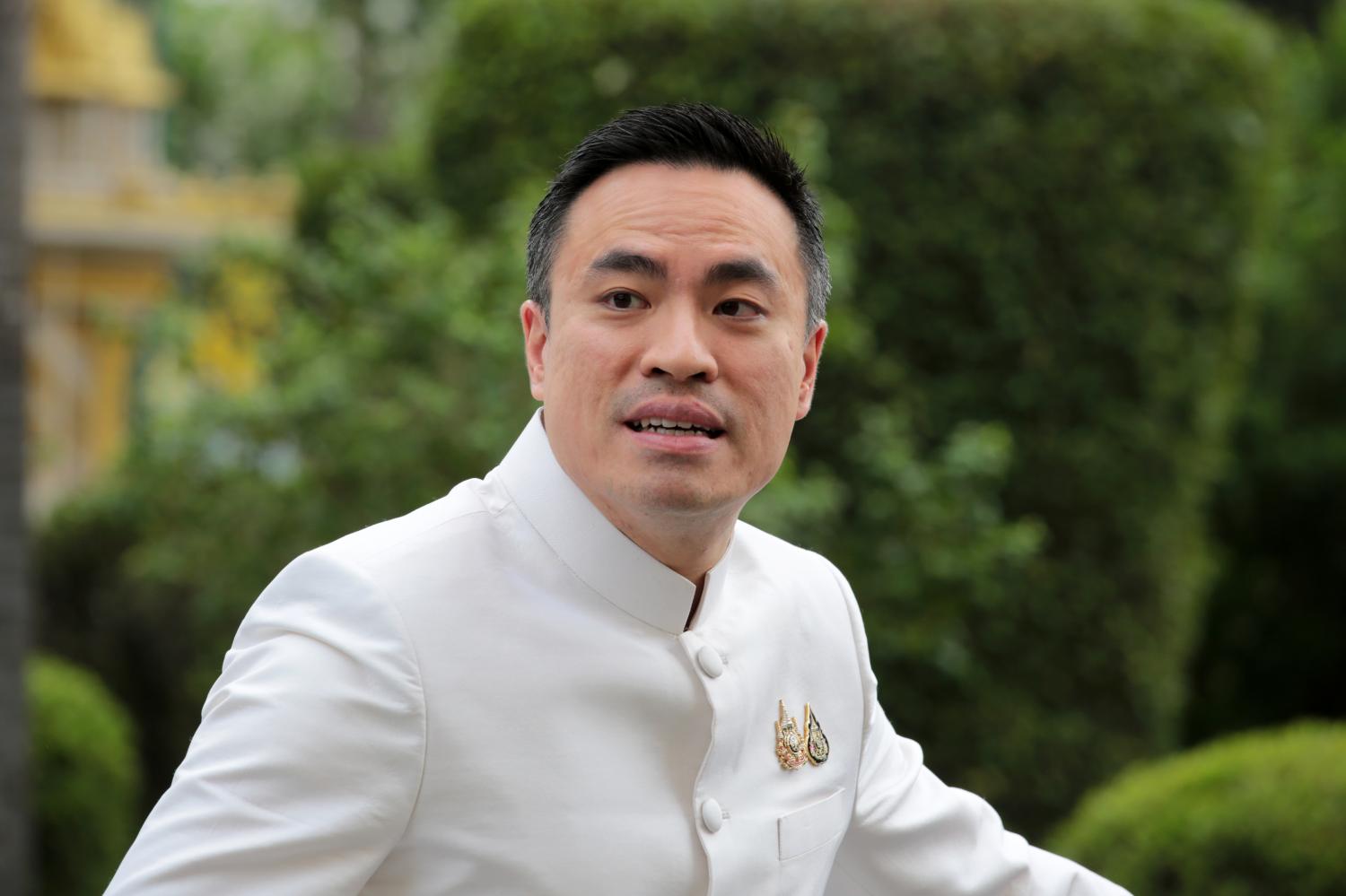
Akanat: 'Focus on self-reliance'
Balancing reality
Rooftop solar in Thailand sits at the intersection of opportunity and constraint.
The technology is mature, the resource is abundant and long term savings are achievable.
Yet high upfront costs, uneven incentives and regulatory limitations continue to shape outcomes. As energy prices rise and global uncertainty persists, the urgency of resolving these issues is increasing.
"The question is not whether solar works," Mr Prasat said. "It is whether the system allows people to benefit from it."