
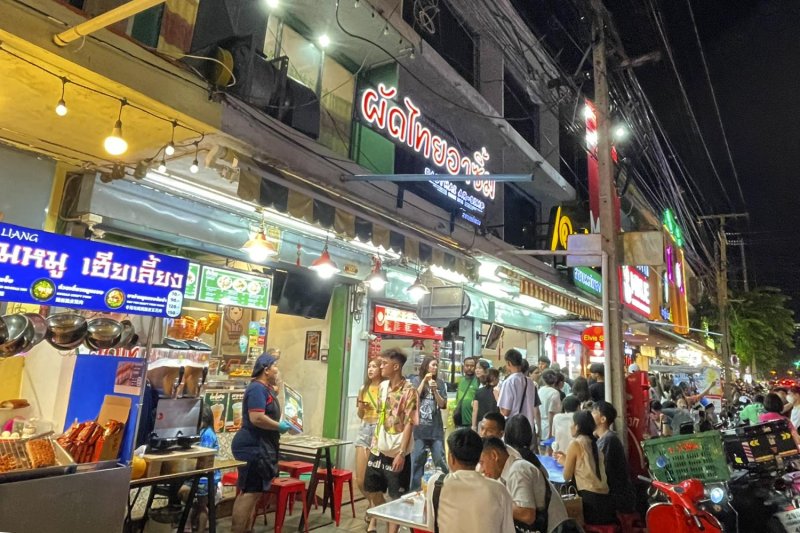
Restaurants are bracing for less vibrant sales during the Songkran holiday this year, which runs from April 11-15, according to the Thai Restaurant Association.
With the Middle East war driving up the cost of living and reducing consumer purchasing power, Thaniwan Kulmongkol, president of the association, said food is often the first thing people cut from their budgets.
She said she expects this year's Songkran to be less festive than last year.
Although many Thais will still travel during this period, they may opt for more budget-friendly places to eat.
Some may reduce how often they dine out, while others could switch from established restaurants to food courts or even convenience stores, said Mrs Thaniwan.
In tourist destinations, restaurants often rely on foreign visitors to offset Thai diners, as many are independent travellers with high spending power, she said.
The Tourism Authority of Thailand forecasts revenue from foreign and domestic travellers during Songkran will reach 30 billion baht, up 6% from 2025.
"But restaurants in non-tourist areas, which depend mostly on Thai diners, might record a bigger drop in business than those in tourist destination provinces," said Mrs Thaniwan.
ELEVATED COSTS
The conflict has pushed up raw material costs across the board, driven by a surge in fuel prices. For example, the retail price of palm oil for cooking has jumped from around 40 baht to 51 baht per litre, she said.
Mid-sized and large restaurants with healthy cash flow are stocking up on ingredients and packaging, concerned about possible shortages, said Mrs Thaniwan.
Large restaurants have greater flexibility in their cost structure, allowing them to trim expenses while maintaining menu prices, as they stocked up before prices rose.
She said she is concerned about small restaurateurs, as they are more exposed to daily fluctuations in raw material prices. Without sufficient cash flow, some may have to take out loans or turn to loan sharks, said Mrs Thaniwan.
She remains a strong advocate for the relaunch of the "Khon La Khrueng Plus" co-payment scheme, saying it would help lift consumer spending. This programme allowed registered participants to pay half the price for goods purchased from local shops, with the government paying the remainder.
"The scheme could help restaurants increase sales and sustain their income, as profit margins dip due to rising raw material costs," said Mrs Thaniwan.