
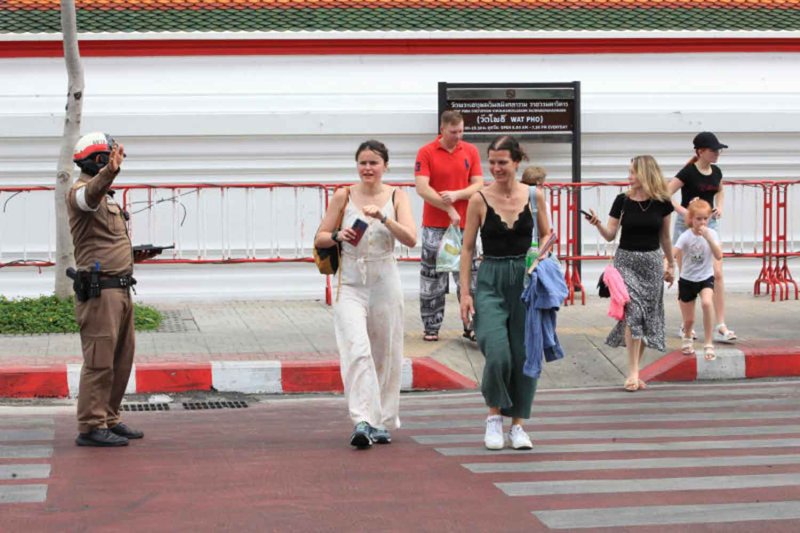
Thailand is pushing for regulations that would require international tourists to obtain accident insurance before entering the country, as rising unpaid medical bills and accident risks place a mounting strain on public healthcare.
At Vachira Phuket Hospital, the financial burden is already apparent. Dr Weerasak Lorthongkham, the director of the hospital, which serves 400,000 registered residents and more than 1 million visitors, said the facility absorbs high unpaid costs each year.
"Each year, we absorb about 10 million baht in treatment costs for foreign patients without insurance," he said.
He pointed to recurring patterns among tourists, particularly inexperienced motorcycle use and substance consumption. "Many visitors come to Phuket and try riding motorcycles for the first time, which increases accident risks."
Dr Weerasak recalled a severe case involving a Russian tourist who suffered a spinal injury and required long-term care.
"The patient could only move his head. The treatment cost more than 1 million baht, and there was no payment. The family could not be reached, and the embassy could only assist administratively," he said.
The hospital ultimately arranged and funded the patient's return home, he said. "This is not a single case. It happens across nationalities."
Growing national burden
Such cases reflect a broader national trend.
The Ministry of Public Health estimates unpaid medical bills from foreign patients amount to at least 100 million baht annually, with major tourism hubs such as Phuket and Chiang Mai most affected.
Dr Somruk Jungsaman, the ministry's permanent secretary, said officials are compiling detailed data to better understand the scale of the problem.
"We need clear data to assess the scale of the problem and design appropriate measures," he said. "Both the level of insurance and payment mechanisms will be discussed with relevant agencies."
Emergency care cannot ethically be delayed, meaning hospitals often treat patients regardless of their ability to pay, leaving health facilities to absorb the financial costs.
Accidents drive costs
Data shows that road accidents remain a leading cause of hospitalisation among tourists, particularly those unfamiliar with Thai roads. Motorcycle use is a major risk factor, especially during peak travel periods.
Globally, emergency medical claims averaged about 60,000 baht in 2025, reflecting rising healthcare costs, reports say. Yet many visitors to Thailand still arrive without adequate coverage.
Industry data shows that travel insurance for a two-week stay costs about 1,100 baht and typically provides medical coverage of 3.6 million–9 million baht. Despite the relatively low cost, uptake remains inconsistent.
For years, Thailand prioritised visitor numbers over safeguards, allowing many travellers to enter uninsured, particularly under visa-free schemes. That approach is now under review as costs escalate.
Sisdivachr Cheewarattanaporn, chairman of the Association of Thai Travel Agents, said earlier policies focused on growth rather than risk management.
"Mandatory fees and insurance were not prioritised before, as we focused on attracting tourists," he said.
A proposed 300 baht entry fee for air arrivals remains under cabinet review, but attention is shifting towards compulsory insurance as a more targeted solution.
"Travel insurance is now affordable, but proper verification is needed to ensure travellers are covered," he said.
Limited recovery options
Efforts to recover unpaid bills through diplomatic channels have yielded little progress.
Dr Supakit Sirilak of the Health Systems Research Institute said embassies generally consider medical costs a personal responsibility.
"I support limiting the ministry's burden. If insurance cannot be enforced, tourism agencies should help subsidise the losses," he said.
Hospitals cannot detain patients over unpaid bills, as this would damage Thailand's global image.
Mandatory travel insurance is already required in several regions, including the Schengen Area, the United Arab Emirates, Russia and Cuba. In many cases, insurance is integrated into visa applications or bundled with travel costs to ensure compliance before arrival.
Industry observers suggest Thailand could adopt a similar model by linking insurance requirements to entry procedures or ticket purchases. Such measures would protect public finances while improving safety for travellers, particularly those engaging in higher-risk activities.
As global conditions shift, including higher fuel costs and more cautious spending, the tourism sector is reassessing its priorities. Moving from volume-driven growth to a value-based approach is increasingly seen as essential.
"Implementing stricter entry regulations could benefit both the country and its visitors," Mr Sisdivachr said. "It would ensure safer travel and reduce pressure on public healthcare."
Minister signals action
At the policy level, momentum is building.
Public Health Minister Pattana Promphat indicated the government is ready to move forward. "We are ready to push this forward and already have plans in place."
He stressed that determining appropriate coverage levels remains key. "The issue is how much coverage is appropriate and the total burden from foreign patients across the country."
The minister added that any framework must account for different groups, including tourists and migrants, particularly in border areas. "Strengthening this mechanism will help reduce the burden and improve the overall system," he said.
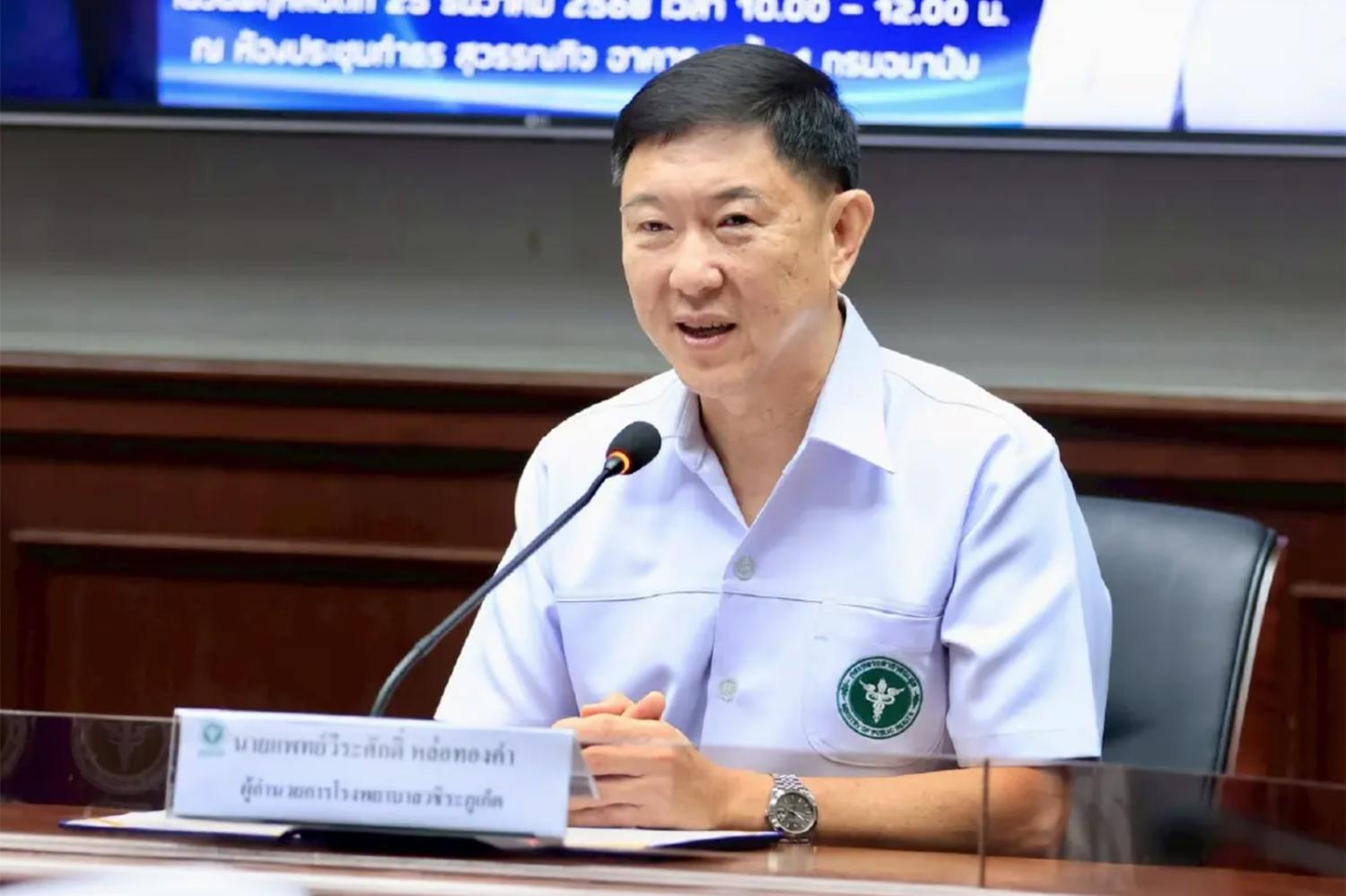
Weerasak: 'B10m in costs absorbed'

Somruk: Assessing the true scale

Sisdivachr: Travel insurance 'affordable'

Supakit: 'Agencies should help'