
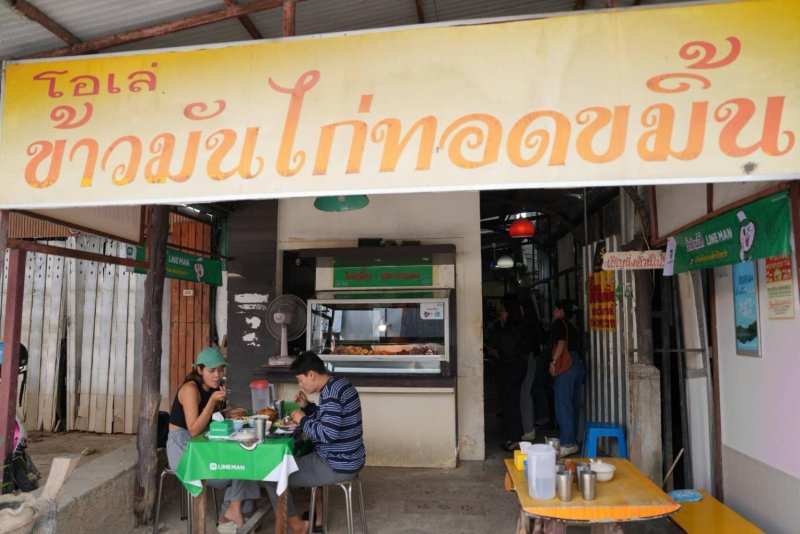
Most businesses in Songkhla's Hat Yai district have resumed operations following the devastating 2025 floods, but they are now having to grapple with surging energy prices, which are affecting sales.
Songpon Changsirivathanathamrong, president of the Songkhla Chamber of Commerce, said that about 90% of hotels and 85-90% of restaurants in Hat Yai have reopened.
The ongoing war in the Middle East has pushed up energy prices, resulting in hotel cancellations and dampening the recovering tourism sector.
The province, a popular short-trip destination for Malaysian holidaymakers travelling by car, is feeling the impact of higher fuel costs. These increases are raising expenses for both tour operators and travellers, weakening demand.
Hotel and restaurant sales in March are expected to drop by 30–40% compared with the same period last year, largely due to the effects of the conflict.
For the upcoming Songkran Festival 2026, Mr Songpon expects traveller numbers to remain steady compared with last year.
RISING GOODS PRICES
He said that the logistics sector is crucial to businesses in the province, as products must be transported from the Central region.
If the situation worsens, product prices could rise and shortages may occur.
He noted that consumer goods currently remain available.
However, construction material prices are rising. For example, concrete prices have jumped by 300-400 baht per cubic metre.
SUPPORT MEASURES
Mr Songpon said government attention concerning flood prevention in Hat Yai has waned.
In December 2025, the government set up five sub-committees to address disaster preparedness, including teams for prevention, impact reduction, emergency response, post-disaster recovery, and coordination.
He urged the government to establish clear action plans and strategies for prevention, to improve infrastructure, and develop evacuation plans before the onset of the rainy season.
"The government must communicate clear plans to residents and business operators. Some businesses remain closed because they fear a repeat of past disasters," he said.
He called for longer-term, low-interest soft loans for affected businesses, proposing a 0% interest rate for the first six months, followed by a 1.5% fixed rate for up to five years, to better match the recovery timeline.
The government must maintain the short-haul travel market, including Malaysia, through continued promotion and potential tourism incentives, he noted.
He suggests additional economic stimulus initiatives, such as the "Khon La Khrueng Plus" co-payment scheme, to help reduce living costs.