


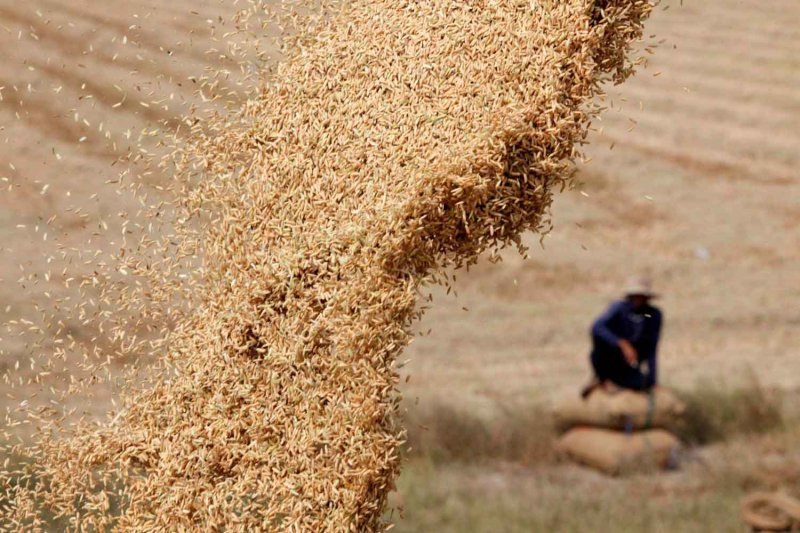
The likelihood of a "super El Niño" poses a serious threat to Thailand's agricultural sector, particularly rice production, potentially increasing food security risks.
Amid the ongoing crisis in the Middle East, the agricultural sector already faces rising energy and fertiliser prices, and it has long struggled with low crop prices, leaving farmers with limited incomes and a greater risk of indebtedness.
Severe drought, rising input costs and market inefficiencies are likely to further squeeze producers, while limited pricing power curtails potential gains, weakening domestic demand and heightening social and political risks.
HEAT IMPACT
This year's super El Niño could trigger a chain reaction in the agricultural sector, hampering economic growth, warns an independent academic in agricultural economics focused on rice. The terms refers to extreme weather conditions that are often hot and dry, with Pacific Ocean temperatures rising 2°C or more above average.
According to Somporn Isvilanonda, the heat dome expected to cover Thailand this year will likely prolong extreme heat through September, causing typical rainfall during May to June to be sparse.
As a result, both main-season and off-season rice cultivation in many areas will face insufficient water supply, except in parts of the lower Chao Phraya basin. Fruit orchards in water-scarce areas may struggle with dead trees, he said.
Farmers already affected by rising energy and fertiliser prices stemming from the Middle East conflict will be further burdened by the severe drought, said Mr Somporn.
In addition, inefficiencies in the agricultural market, such as the wide margin between the prices received by farmers and those obtained by wholesalers, put farmers at a significant disadvantage.
Coconuts provide a clear example: in Bangkok, consumers pay 20-25 baht per coconut, while farmers receive only 2.50 baht for small coconuts and about 5 baht for larger ones. This disparity may partly be due to rising marketing costs, such as higher transport expenses, as well as inefficiencies within the system, he said.
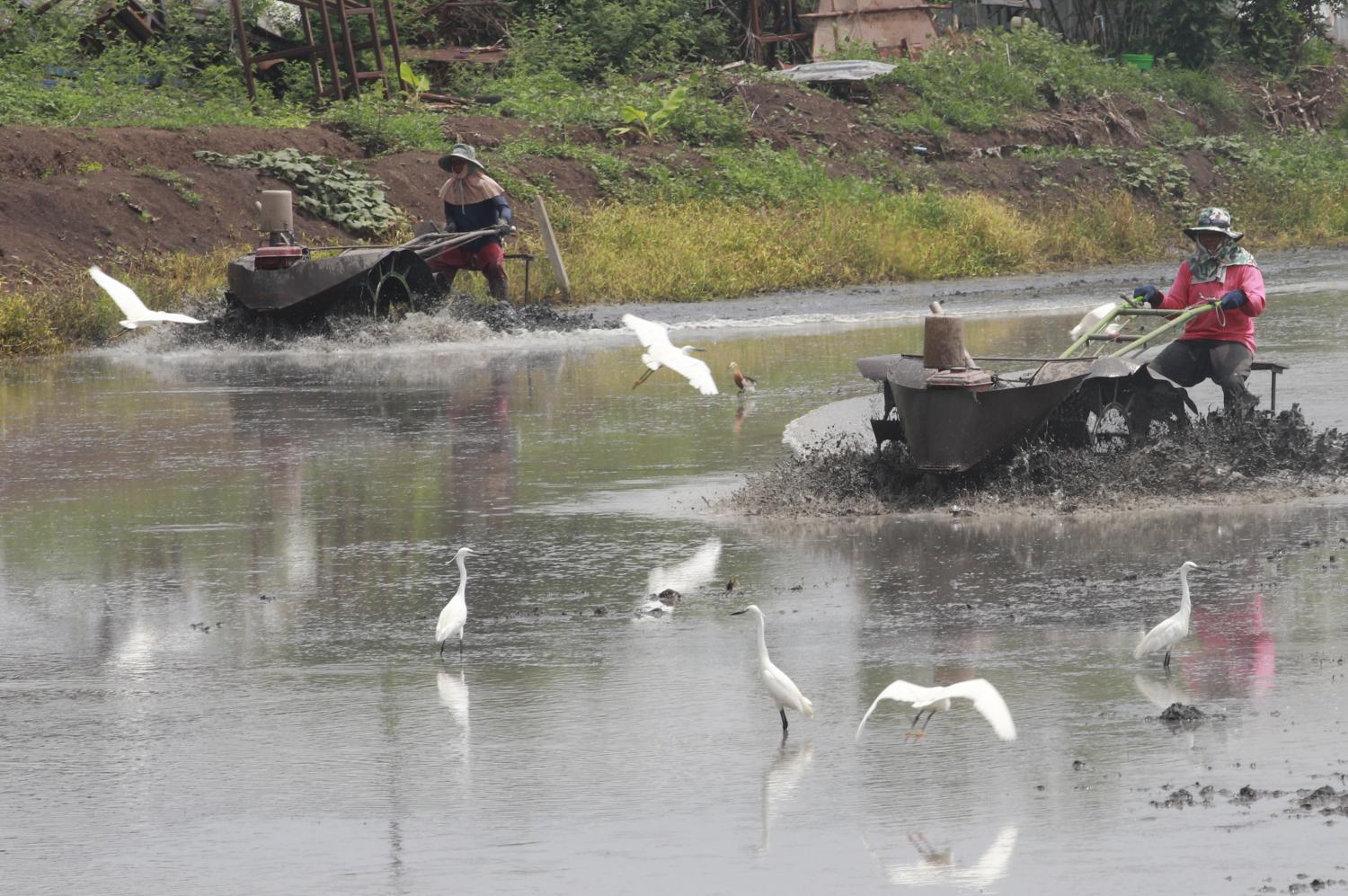
With an extreme drought predicted this year, rice farmers are likely to feel the pinch. Pattarapong Chatpattarasill
REVENUE DRIES UP
Mr Somporn said the severe drought will reduce farmers' incomes and could increase non-performing loans in the agricultural sector.
This effect may drive up household debt nationwide and potentially lead to farmers losing ownership of land, causing a ripple effect that weakens domestic purchasing power as farmers represent a significant consumer base, he said.
A contraction in farmers' income may also fuel dissatisfaction and potentially lead to political unrest, noted Mr Somporn.
The agricultural sector accounts for only about 8% of the country's GDP, a share that has steadily declined over two decades from more than 11-12%. He said this decline can be attributed to two factors: the rising share of industrial output and the slowdown in agricultural growth, particularly in export-oriented agricultural products.
Despite employing a large workforce of 13-14 million people and utilising vast land resources of around 150 million rai, the sector contributes relatively little to GDP. This imbalance makes it difficult for the country to escape the middle-income trap, said Mr Somporn.
Past government policies have often relied on direct subsidies to farmers, which have limited structural adjustment.
In contrast, Vietnam has pursued agricultural reforms under its "Three Reductions, Three Gains" approach, shifting towards higher-value agricultural production and reducing rice cultivation areas, with a national export target capped at no more than 7 million tonnes per year.
"Government policies in recent years have not truly transformed the agricultural sector. They have largely been populist in nature, focusing on quick wins and short-term fixes without considering long-term consequences," he said.
DOUBLE WHAMMY
Kasikorn Research Center (K-Research) warned the forecasted weather phenomenon would affects several crops, especially rice, sugar cane and cassava, which are highly water-dependent crops.
The manufacturing sector may face a risk of water shortages for its production processes, while hotels and accommodations could feel the pinch as air pollution causes tourists to reduce travel and outdoor activities, noted the think tank.
"Businesses must prepare for these events by reducing unnecessary water usage to ensure sufficient supply, planning for adequate water stockpiles for consumption to prevent business disruptions, and implementing water recycling systems," said K-Research.
Rujipun Assarut, assistant managing director at the research centre, noted rising fertiliser prices and supply shortages stemming from conflict in the Middle East are already pressuring farmers. Crop production is expected to decline this year compared with previous years, both in domestic and global markets, he said.
"Although the output of these agricultural products has declined, Thailand's export prices cannot be raised significantly due to intense competition. For example, rice export prices may increase by only 2-3% compared with last year," said Mr Rujipun.
According to London-based BMI, a unit of Fitch Group, Thailand is vulnerable to El Niño impacts, projected to occur in the second half of 2026.
The US's National Oceanic and Atmospheric Administration (NOAA) predicts a 62% probability the weather phenomenon will occur in June and August, persisting until the end of the year. The NOAA assigned a 33% likelihood of a strong El Niño developing in the fourth quarter of the year, putting farmers at greater risk of drought and floods.
FOOD SECURITY AT RISK
"An El Niño occurring in the second half of 2026 would raise drought and flood risks in several major economies, with impacts varying depending on local conditions," noted BMI in its ESG Country Weekly Digest report.
On average, the last three El Niño events to occur in the second half of the year have more than doubled the share of cropland exposed to droughts in Colombia and Indonesia, and nearly doubled in Australia, Bangladesh, Peru, Thailand and Vietnam, it reported.
"This increase is typically from a low base as most cropland in these markets tends to be located in areas that do not experience significant drought in the second half of the calendar year," said BMI.
"Agriculture accounts for a substantial share of national income and employment in many of the affected markets, implying higher risks to economic growth in the fourth quarter of 2026 and in 2027."
Meanwhile, energy prices and immigration have increased globally following the beginning of the US-Iran war.
"The US-Iran war is heightening agricultural price risks by introducing a cost shock that could overlap with weather-related production stress if El Niño materialises," noted BMI.
Disruption to transit through the Strait of Hormuz is lifting fertiliser, fuel and freight costs via higher war-risk premiums, rerouting and tighter delivery schedules.
"If crop prices do not rise enough to offset these higher input and shipping costs, producer margins will be squeezed, raising the likelihood of lower fertiliser application and weaker yields. This would intensify food price inflation and worsen food insecurity, especially in import-dependent and climate-vulnerable markets," noted the report.
Risks would rise with an El Niño event in the second half of the year, as elevated input costs could coincide with drought- and flood-related output losses, said BMI.
REDUCED YIELD AND QUALITY
Visit Limlurcha, chairman of the Processed Food and Future Food Committee at the Thai Chamber of Commerce, said in the second half of the year the country is likely to have less rainfall than last year.
The reservoirs still have sufficient water from last year's rainfall, which should benefit farmers in irrigated areas, he said. For farmers outside these areas, the damage will depend on their access to water resources.
"Farmers may need to rely on pumped water. Elevated fuel prices increased production costs, and there are concerns about the availability and cost of fertilisers," said Mr Visit.
Some farmers are hesitant to cultivate crops because they are unsure about production costs and water resources, he said, adding an El Niño event would significantly impact crops that require substantial water for cultivation, such as rice, with corn and vegetables affected to a lesser extent.
Extremely hot weather will reduce yields of vegetables, fruit and other crops, with some irregular sizes, lower quality and shortened shelf life, said Mr Visit. In addition, livestock animals will grow more slowly under these conditions.
"Average crop production is anticipated to decline by 10%, depending on the severity of the situation," he said, adding the outlook could worsen next year due to lower water levels in reservoirs.
Mr Visit suggested the private sector collaborate with farmers and offer support for raw material logistics. Processed food producers may need to diversify their raw material sources to ensure adequate supplies for production.
He urged the government to support independent farmers in transporting their products to collection centres and markets. Given the challenges to the sector, Thailand should transition agriculture towards greater sustainability, said Mr Visit.
"The government should encourage farmers to adopt solar pumps, rooftop solar and other forms of solar power generators to reduce production costs and provide power sources," he said, with sustainable production touted as a selling point.
Mr Visit also called for government soft loans for manufacturers to upgrade machinery, which would enhance competitiveness and reduce long-term production costs for labour, electricity and water.
ADDITIONAL BURDENS
A severe drought would add financial burdens to key industries, prompting the manufacturing sector to upgrade and be more environmentally conscious, said Industry Minister Varawut Silpa-archa.
He expressed concern that manufacturers may be heading for a new headache later this year after reeling from oil price and supply shock for raw materials such as plastics following the attacks on Iran.
El Niño events are driven by ocean warming and reduce rainfall, potentially leading to water scarcity, while La Niña events are linked to ocean cooling and raise the risk of heavy downpours and floods.
Powerful El Niño events can lower water volumes in reservoirs, affecting farming, agribusiness and food processing, said Mr Varawut.
"Every year the industrial sector and industrial estates have to spend money to brace for the impact of these weather events, adding a cost that businesses eventually pass on to consumers. It is an unnecessary burden," he said.
Because global warming can intensify El Niño, Mr Varawut encouraged industries to step up efforts to reduce carbon dioxide emissions, which are blamed for increasing global temperatures. The Industry Ministry is preparing to establish a new panel to monitor the amount of carbon dioxide emitted from factories.
"Each factory must prepare a report on its carbon dioxide emissions," he said.
Industry officials will work with the Thailand Greenhouse Gas Management Organization and the Pollution Control Department to inspect CO2 emissions from factories, using the continuous emissions monitoring system technology to measure and report emissions from industrial sources in real-time, said Mr Varawut.
WATER RESOURCE COMPETITION
The National Broadcasting and Telecommunications Commission said licensed data centre operators in the country now exceed 20, raising concerns about the sector's heavy usage of electricity and water.
Data centre deployment in Thailand has not yet reached the large-scale "farm" level observed in other countries, reducing the potential risk of resource competition, Morragot Kulatumyotin, managing director at cloud and digital platform provider INET, told the Bangkok Post, meaning resource conflicts are unlikely to become a major factor for 1-2 years.
Traditional data centres primarily use recirculated water systems, while artificial intelligence data centres increasingly rely on cooling technologies that do not require large volumes of tap water, she said.
However, in certain areas or designated zones such as the Eastern Economic Corridor capacity constraints may begin to emerge. Future data centre investments should carefully consider the readiness of supporting infrastructure, said Mrs Morragot.
The government may need to establish a dedicated agency, such as the Digital Economy Promotion Agency, to develop a data centre master plan that ensures long-term preparedness in terms of water, electricity, and alternative energy resources, she noted.
Suphachai Chearavanont, chairman of True Corporation, said True and its parent Charoen Pokphand Group have a long-term strategy to manage and mitigate energy costs focusing on accelerated adoption of renewable energy, with solar power already comprising 70-80% of total energy consumption relative to the group's energy expenditure. If geopolitical conflicts continue to drive up energy costs, the group plans to diversify its investments into alternative energy, he said.
Additional reporting by Lamonphet Apisitniran, Suchit Leesa-nguansuk and Komsan Tortermvasana
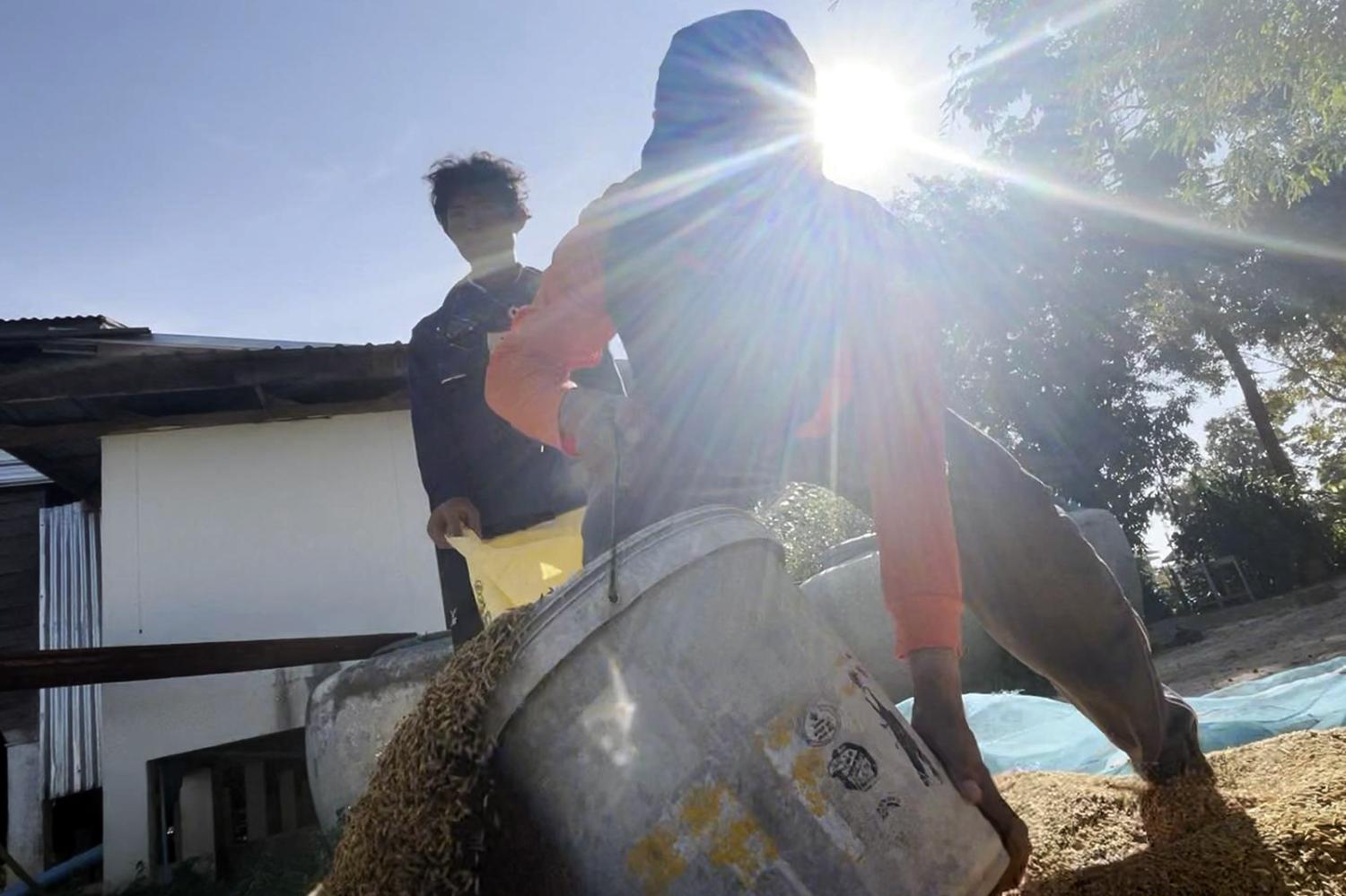
The agricultural sector faces a greater risk of drought and floods this year. Chakkrapan Natanri


