


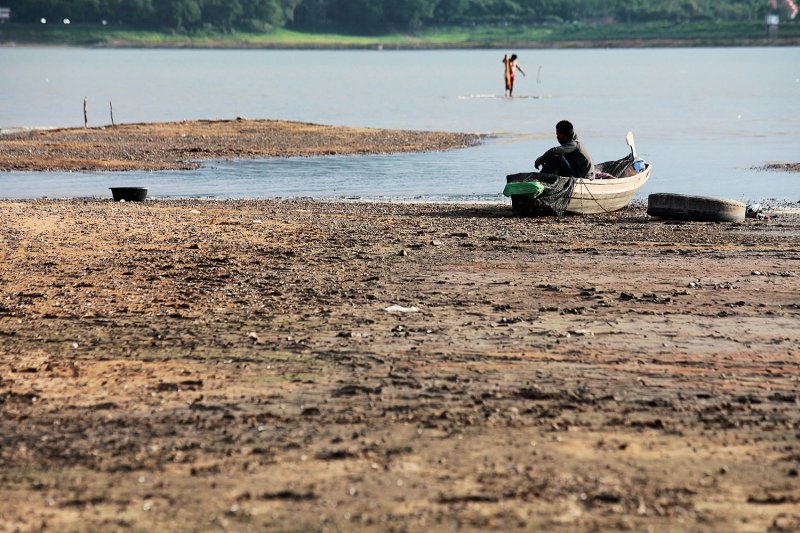
Environmental experts have warned that Thailand is at risk of entering a Super El Niño phase, bringing extreme heat, severe drought, and prolonged dry spells.
Yesterday, Sonthi Kotchawat, an environmental and health specialist, cautioned via social media that outdoor temperatures could reach 39C, with humidity above 60%.
This combination would push the heat index to nearly 59C, a level considered "very dangerous" and posing high risks of heat stroke.
Exposure to such conditions may raise people's core body temperature to 40C within 10–15 minutes. Staying outdoors for 45 minutes could cause heat-regulation failure, red, dry skin, and unconsciousness. Prolonged exposure of one hour may lead to neurological collapse and even death.
The El Niño phenomenon is expected to intensify to the level of Super El Niño in the second half of this year. Anticipated impacts include hazardous heat levels and dangerous heat index readings, severe drought and delayed rainfall, increased wildfire risks, and direct damage to agriculture and the economy.
Mr Sonthi urged the government to prepare effective water management plans, adding that farmers should plan their cultivation carefully. Citizens are advised to avoid outdoor activities during peak heat hours.
Meanwhile, the Thai Meteorological Department is expecting widespread hot weather in upper Thailand, with isolated thunderstorms and gusty winds. Its forecasts say the South will face thunderstorms and strong winds, while Bangkok and surrounding provinces will experience generally hot to very hot conditions.
Air quality remains a concern. The northern, northeastern, and upper central regions are suffering from PM2.5 haze pollution, driven by forest fires and cross-border hotspots.
Also, the Pollution Control Department has warned that the Songkran festival, which kicked off yesterday and will run till April 15, will coincide with hazardous air quality across much of the country.
Bangkok and surrounding provinces are expected to face heavy haze pollution, with the northern region, including Chiang Mai, to be the hardest hit. All 17 northern provinces continue to suffer from high levels of PM2.5.
Authorities have launched a "stop burning before Songkran" campaign, which successfully reduced hotspots in northern Thailand by 55% -- from 5,083 on April 4 to 2,269 by April 6.
However, neighbouring countries still report significant fire activity.


