Listen


 Facebook
 Reddit
 Copy Link


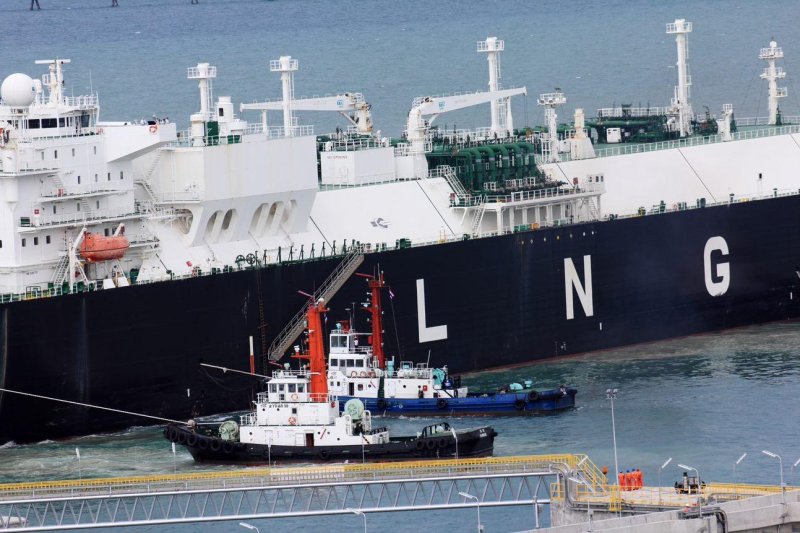
Thailand faces growing pressure from soaring global energy prices, with spot liquefied natural gas (LNG) rates nearing US$30 per million British thermal units (mmBtu), raising concerns about the ability of households and businesses to cope with rising living costs.
A senior energy official who requested anonymity described the situation as "a crisis piled upon a crisis", warning that persistently elevated energy prices are creating knock-on effects across the economy.
"Prolonged high prices are not a short-term phenomenon and have triggered a dangerous chain reaction," he said.
What initially began as disruptions to global energy supplies has evolved into broader supply chain constraints, fuelling inflationary pressures and weakening economic activity.
"Thailand faces widening fiscal and trade shortfalls, culminating in ballooning public debt," said the official.
As a net importer of energy, Thailand is particularly vulnerable to fluctuations in global commodity markets.
"Every dollar increase in imported fuel costs drains national wealth, squeezing household budgets and reducing funds available for development," he said.
The official said accelerating the deployment of renewable energy, battery energy storage systems and even small modular reactors is no longer solely an environmental objective, but an economic necessity.
"Breaking away from volatile fossil fuel markets is the only path to long-term stability," he noted.
"The longer the transition is delayed, the more vulnerable the country's economy will become."
He said the Energy Regulatory Commission plans to fast-track regulatory reforms aimed at facilitating investment in clean energy projects, with additional measures to strengthen market stability expected to be announced next month.
According to the Energy Ministry's market update on Oct 20, the Platts Japan-Korea Marker, the benchmark for spot LNG prices in Asia, rose to $29.89 per mmBtu.
The increase was attributed to disruptions to shipping routes in the Middle East and a seasonal surge in pre-winter demand across Northeast Asia.
The rate adds pressure to Thailand's electricity generation costs, as natural gas remains the country's primary fuel for power production.
To mitigate the impact on consumers, authorities have prioritised the use of long-term gas contracts, which are less volatile than spot purchases, while also maintaining measures to stabilise domestic oil prices.
Meanwhile, Dubai crude oil prices remained elevated at $107.90 a barrel. Ongoing tensions in the Middle East continue to be the key driver of prices, with restrictions on transit through the Strait of Hormuz sustaining a significant risk premium in global energy markets.