Listen


 Facebook
 Reddit
 Copy Link


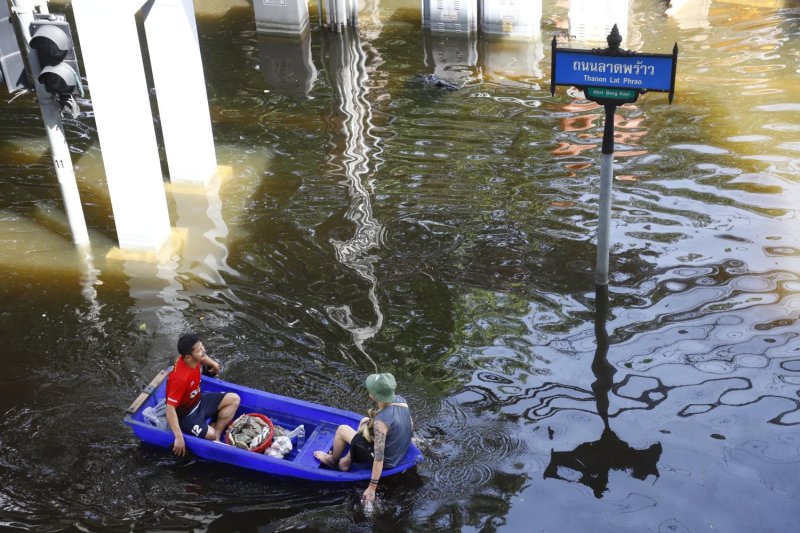
Extreme weather poses a growing challenge to the global tourism industry, disrupting travel plans, damaging properties and threatening destinations.
Beyond business losses from operational disruptions, infrastructure and tourist confidence are also affected.
For countries and cities where tourism is a major economic contributor, such as Thailand, the impacts extend across the supply chain. For example, heavy rainfall in many parts of the nation cause severe flooding during every monsoon season.
Destinations need to adapt to these climate emergencies through more resilient strategies, while remaining economically competitive and supporting tourism and urban well-being.
LOCAL TOURISM
The Organisation for Economic Co-operation and Development (OECD) estimated severe weather events reduced regional GDP by 2.2%.
Most surveyed countries reported weather-related events directly disrupted tourism activities through road closures, infrastructure damage and festival cancellations. Indirect impacts included sullying destinations' reputations and deterring future visitors.
Siripakorn Cheawsamoot, director of Designated Areas for Sustainable Tourism Administration (Dasta), said climate adaptation plans have been incorporated into local community and tourism destination upgrades in areas under the agency's oversight the past three years, as climate change becomes a top development priority and attracts international funding opportunities.
"We need to integrate climate change and extreme weather considerations into every tourism development and promotional plan. This can also be an opportunity to boost tourism competitiveness," he said.
"If we fail to adapt, we risk losing out to other countries that have invested in infrastructure upgrades."
Thailand has an advantage in hospitality and an attractive climate. Local operators are also highly resilient in adapting to new challenges, as demonstrated by the Phuket Sandbox project during the pandemic, said Mr Siripakorn.
Dasta recently coordinated with the Geo-Informatics and Space Technology Development Agency to propose a climate adaptation plan to the UN Industrial Development Organization for funding to develop its designated area in Chiang Rai.
He said the agency wants to make the province a pilot destination for climate-resilient tourism, as it regularly faces climate challenges such as floods, storms and wildfires.
Funding could support physical infrastructure upgrades, satellite image data-sharing systems, communication and early warning systems, as well as personnel training to prepare for unprecedented events, said Mr Siripakorn.
The OECD report identified risk assessments, early warning systems and emergency response as essential to protect tourism destinations from extreme weather threats.
Tourists are sometimes uninformed about conditions at destinations they plan to visit due to poor coordination among communications systems, he noted.
One recommendation from the OECD is for lodging to consider offering vouchers for tourists to return once a disaster subsides, as businesses need to understand potential threats and adopt adaptive measures, including flexible bookings, refund policies and temporary changes to tourism routes.
When storms or floods hit a province, rescue teams may be unable to reach all tourism areas due to a lack of integrated data-sharing between organisations. These issues require better coordination among relevant organisations through a centralised, one-stop emergency coordination centre.
"Local stakeholders are now more aware that extreme weather has a real impact on their businesses. If left unaddressed, tourists may stop visiting their communities," said Mr Siripakorn.
He said a bottom-up approach, which allows local communities to voice their challenges and identify the tools they need, would help national government channel development funding towards shared goals.
As many tourism businesses are small and medium-sized enterprises with limited investment funding to prepare for future climate threats, the OECD suggested the government offer them accessible and affordable support such as subsidies, tax incentives for facility upgrades, and insurance policies.
Public-private co-financing could also support infrastructure, such as flood defence and renewable energy grids that benefit multiple stakeholders at one destination, noted the organisation.
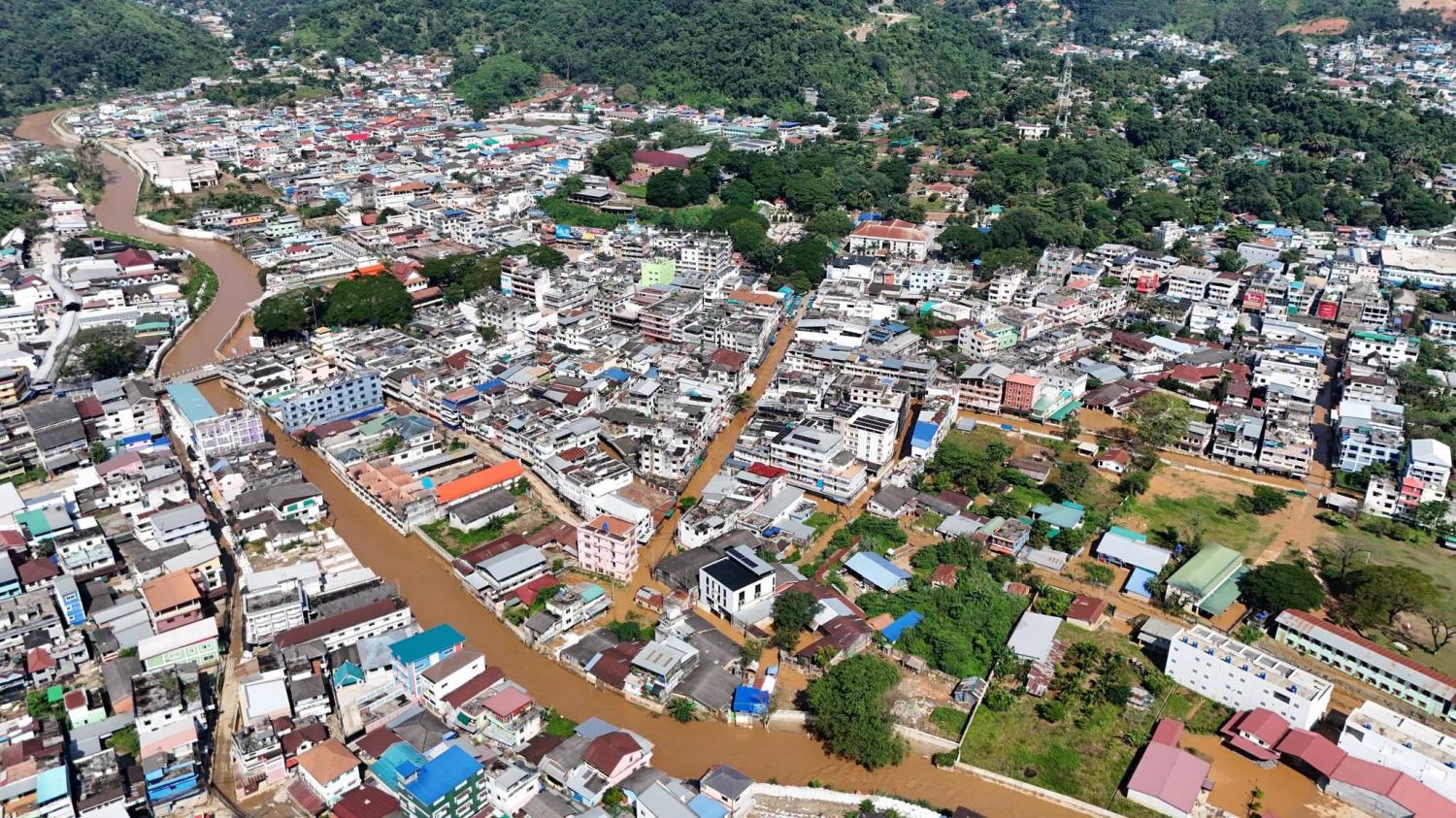
Chiang Rai, which is prone to various disasters, is part of a pilot project for climate-resilient tourism.
CITY PLANNING
While Bangkok ranks as one of the world's top destinations annually, severe flooding last month highlighted the challenges posed by unregulated urbanisation and inadequate infrastructure.
Panit Pujinda, a lecturer on urban planning at Chulalongkorn University, said the difference between this year's flooding and the 2011 disaster is the former was not caused by water released upriver, but rather persistent rainfall.
Bangkok's drainage system can only handle 80 millimetres of rain per hour, far below the 300mm per hour reported last month.
In principle, urban planning must consider both cities and the countryside: areas where water causes damage and those where it provides benefits, respectively.
Neither should exist in isolation. Cities serve as economic centres, housing essential facilities such as banks, hospitals and government offices, while rural areas depend on water to sustain agriculture and fisheries.
This approach to planning was evident in the historic kingdom of Ayutthaya, where water inundated paddy fields surrounding the city island.
However, current water retention areas in major destinations have gradually shrunk due to unplanned urbanisation, allowing buildings and factories to expand, said Mr Panit.
Bangkok's floodway areas outside the royal embankment were designated to receive water during the rainy season since the 1980s. These areas prohibited large-scale land subdivision for commercial residential developments, such as housing estates. Individual detached houses were permitted, provided they followed specific designs that allowed water to flow unobstructed.
However, as regulations were not fully enforced, numerous housing and property projects emerged, he said.
With fewer areas available for water to flow, it now results in flooding that damages properties and harms the economy, said Mr Panit.
Similar urban planning approaches can be found in other countries, including France and Germany, where infrastructure development is restricted in outlying areas.
Extreme rainfall and flooding also highlighted the vulnerability of low-income workers, who are often among the hardest-hit, he noted.
They tend to live in lower-rent areas, mainly on the city outskirts or in floodways, and commute to work in the city, supporting Bangkok's economy.
NEVER TOO LATE
"I believe it is never too late to address this issue and prevent extreme flooding from disrupting the city," said Mr Panit.
City expansion into new areas requires adequate infrastructure, including roads, electricity, water supply, and waste and rainwater management systems, which should be reinvested to handle higher water levels as extreme weather intensifies, he said.
Properties and developments near canals, riversides and waterways should consider redesigning buildings to accommodate water, as utilised in traditional Thai houses with raised ground floors.
In addition, the property sector should not be left to operate solely according to market forces, noted Mr Panit. Rising land prices have made city living unaffordable for middle-class and low-wage workers, forcing many to settle in floodway areas where housing is cheaper.
Many cities intervene in the market to provide affordable housing for middle-income groups and workers. For instance, Barcelona has transformed old city buildings into mixed-use developments, with commercial spaces on the ground floor and housing above.
Beyond legislation, the government could subsidise part of the purchase price of condos built by private developers in the city, attracting workers and homebuyers back from floodway areas, he said.
Government agencies also own urban land that could be developed into mixed-use projects combining offices, commercial spaces and affordable housing, noted Mr Panit.
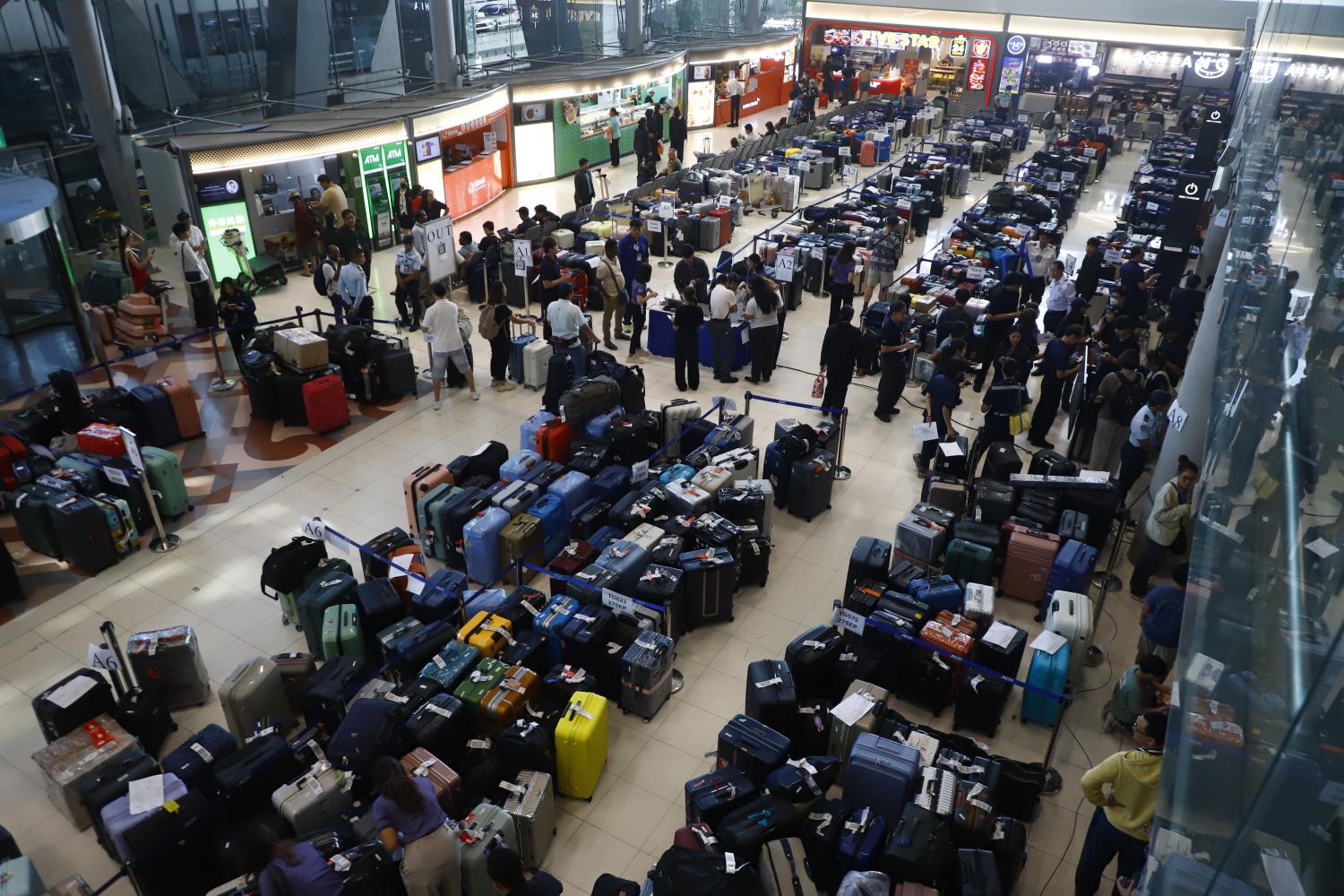
Thai Airways did not have enough staff for ground handling operations because workers were unable to travel from flooded residential areas to the airport. (Photo: Nutthawat Wichieanbut)
URBAN HEATWAVE
Cristina Gregorio, regional climate finance specialist at the UN Development Programme (UNDP), said the organisation has partnered with the Bangkok Metropolitan Administration (BMA) to develop the city's urban heat financing strategy and map climate-vulnerable areas across Bangkok.
The UNDP helps Asian countries mobilise and optimise climate finance for potential projects.
The agency warned that Bangkok is projected to become Southeast Asia's hottest major city by 2050, affecting public health, worker productivity and energy demand.
"It is one thing to have a plan, but another to have an investment strategy," said Ms Gregorio.
Government plans are sometimes designed around mandates without considering how the private sector views investment opportunities, whether through purely commercial funding or co-financing.
The climate vulnerability map can help to target investments more effectively in new projects that drive economic growth.
The 2026 BMA Urban Heat Management Action Plan has a framework that aims to identify the most suitable financing mechanism for each project, outlining two paths to climate finance: funding BMA-led adaptation projects through public budgets and appropriate external resources, and mobilising private investment directly into Bangkok, with the BMA acting as an enabler through regulatory and partnership mechanisms.
The plan suggested smaller projects requiring retrofitting or infrastructure upgrades are better suited for public grants, while larger, more capital-intensive investments could combine public and concessional finance with private sector participation.
The second approach is relevant when private investment can complement public funding, or when BMA planning can incentivise private actors to integrate climate adaptation into their investments.
For instance, private developers could install misting and water-spray systems along mass transit route skywalks.
The report suggested partnerships and incentives would enable the BMA to scale up urban heat mitigation projects without relying solely on public funds.
The UNDP also recommended addressing barriers to climate finance, including regulatory and institutional bottlenecks, and engaging key financing partners to improve access to funding.
To develop a pipeline of bankable projects, the BMA is urged to strengthen project design by providing clear empirical evidence of climate risks, vulnerability patterns and affected communities' needs.
AIRLINE PREPARATIONS
According to the World Economic Forum, the financial impact of extreme weather is expected to reach US$500 billion by 2050 due to incidents such as flight cancellations, rerouting, airport closures and infrastructure damage.
The recent floods in Bangkok, which lasted several days, left airlines short of workers and thousands of pieces of luggage were not processed by Thai Airways at Suvarnabhumi airport.
Other airlines were less affected, including Thai AirAsia, Thailand's largest low-cost carrier, thanks to its crew management. Chief executive Phairat Pornpathananangoon said the airline prioritises emergency preparedness in order to respond to situations in a timely manner.
"Teamwork is crucial during a crisis," he said. "Staff from various bases, including Phuket and Chiang Mai, volunteered to support operations at Don Mueang as local colleagues were unable to work due to flooding in Bangkok."
Bangkok-based employees wishing to work were provided with company transport and accommodation, which enabled the airline to maintain normal flight operations.
Mr Phairat said the airline has incorporated climate factors into its strategies, alongside new aviation policies such as carbon taxes and emissions offset and reduction schemes.
AirAsia Group has begun conducting climate scenario analyses to assess the potential impact of natural disasters at various airports. Other measures include adjusting flight schedules based on weather forecasts, notifying passengers in advance, maintaining business continuity plans and managing long-term energy costs.