Healthcare is often a topic that sparks debates among the 30-something and over-50 set, from discussions over treatments, physicians and insurance policies to preventive care, which has now become an industry of its own.
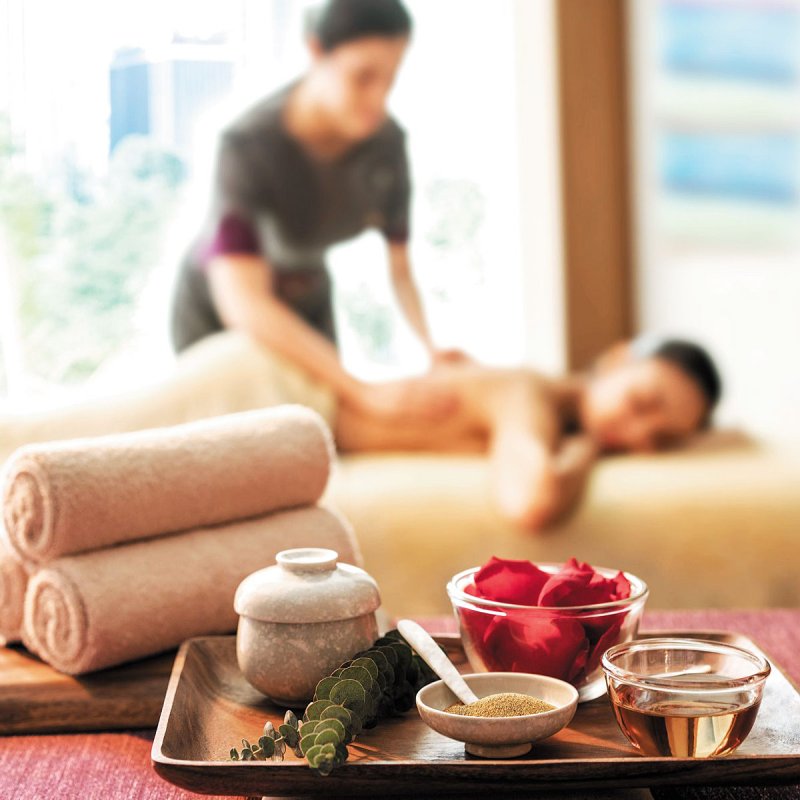
Thailand has risen to become a leader in medical wellness, boosting wellness tourism amid strong domestic demand for IV drips, self-care practices and high-end spa services. It's risen to become one of our leading money-making verticals, so much so that the Tourism Authority of Thailand launched its "Healing Is The New Luxury" campaign at the Amazing Thailand Health And Wellness Trade Meet 2026 last week.
This is part of the government agency's push towards high-value tourism and a way to leverage Thailand's strengths in hospitality, medical excellence, local ingredients and its scenic ecosystem. All that is well and good and arguably true markers of "The Good Life", but it got me thinking about what it means to be healthy in today's society.
Isn't that often the case in a fast, trend-forward capital such as Bangkok? Trends and cultural signals evolve so rapidly and people trip over themselves to capture these opportunities and to not miss out on the craze. As with many other cultural shifts, a deeper look at what's going on under the surface can also be telling.
The glossy "Healing Is The New Luxury" is an incredibly strong export product, and a catchy tagline we'd like to aspire to. However, the concept is not easily accessible to most people in Thailand.
Whilst Thailand is primed to gain from the projected US$7.9 trillion global wellness economy this year, the opportunity also highlights a contrasting reality against our country's lagging economic backdrop and consumers pulling back from "nice to have" splurges.
Wellness in 2026 is defined by time, freedom and an expensive quest for longevity. It's often said now that one of the truest markers of wealth is having the freedom to design your life, but that sentence is layered with privilege and leads you to think about how well-being has shifted over time.
Wellness revenue is up in the double digits, highlighting that we can maintain people's health, but at an expensive price.
This is part of what the TAT has labelled the "Life Economy", which is a strong and viable growth engine for Thailand, and we should capture this demand if we execute it meaningfully. But what I am equally interested in is the birth of the Life Economy itself. In today's social-media-driven world, looking after yourself and exercising are considered key components of modern life.
Thailand is becoming a place of contrasts. Alongside the luxury wellness and longevity boom sits the serious implications of an ageing society and, reportedly, one of the world's lowest birth rates. The country is now selling a paradox whilst filling up with elderly people, selling longevity at a premium to an international population.
Meanwhile, Thais are spending money to enhance their well-being. This extends to all aspects of life, from expensive urban hobbies such as padel to wellness treatments and checking into expensive retreats to feel refreshed. Meanwhile, the country's ageing society is arriving in real time, whilst still needing infrastructure, fiscal support and upskilling as we navigate AI disruption and challenging economic conditions.
An interesting economy is emerging from these complexities. Thailand is becoming a global leader in extending life and wellness, and the longevity economy is a strong way to monetise that aspiration. However, we may become a generation that extends our well-being through holistic treatments, but a very real challenge of an ageing society is creeping up on us.
The average Thai household is not buying cryotherapy and these costly wellness programmes can create a sense of pressure that health and well-being need to be something you constantly invest in. The longevity economy can feel like a productive way to tackle health if you can afford it, but sometimes, we forget about the steps we can take to live a good life.
At times, well-being returns to the fundamentals and basic approaches that apply to everyone. Lumpini Park's 100th anniversary is a strong reminder that sometimes accessible public spaces and a place to exercise, whilst remaining part of a community, are the key to it all. This philosophy has explained the rise of sociable run clubs, padel, pickle and even at its core, Hyrox's rapid rise in popularity.
Bangkok is a city where stark contradictions come to life and intersect. The luxury wellness market may be booming, but it also acts as an aspirational burden for many households. Not only do you have to compete and send your offspring to the best schools, upskill yourself and stay on track with understanding the likes of Claude, you now also have to make time and splurge on longevity procedures in order to enhance and extend your quality of life. Sometimes, it's exhausting to be a functional adult.
Niki Chatikavanij is the founder of BitesizeBKK, a digital media outlet. She can be reached at bitesizebangkok@gmail.com.