Listen


 Facebook
 Reddit
 Copy Link



A passionate project, Bees Bar by Narisawa is a sustainable cocktail bar created by Japanese chef Yoshihiro Narisawa.
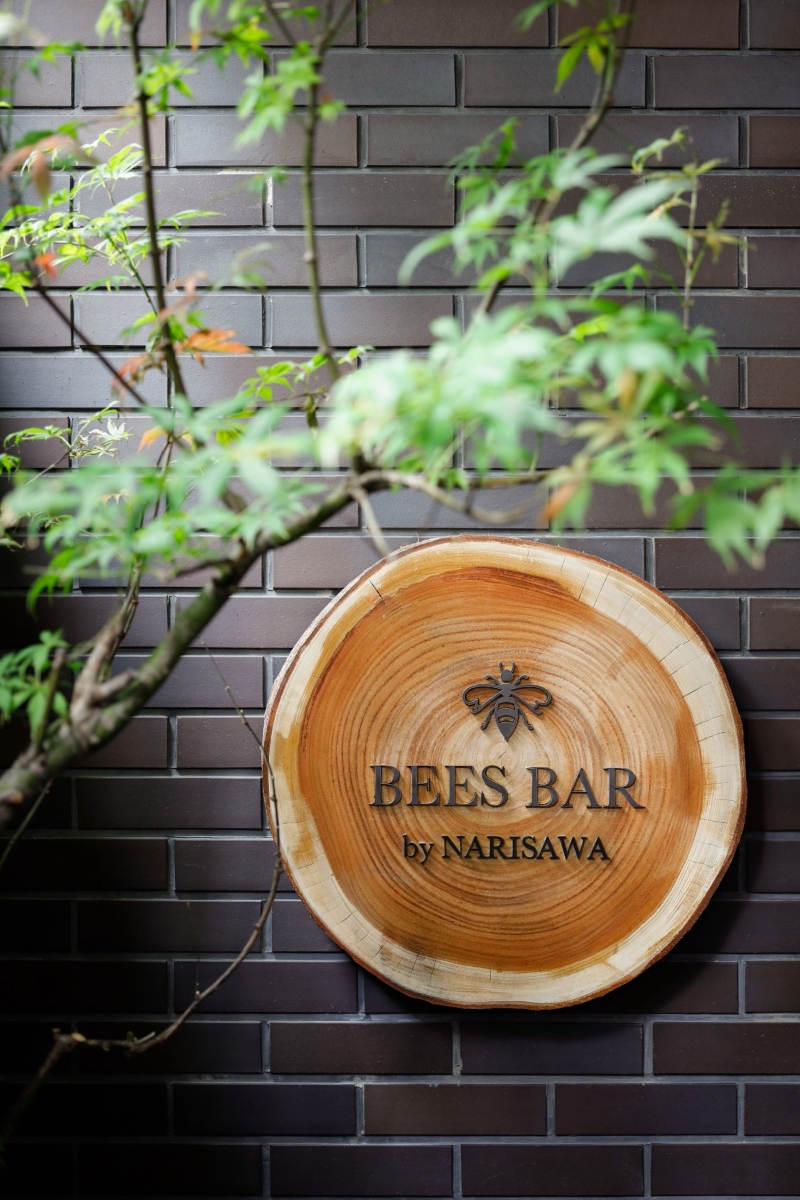
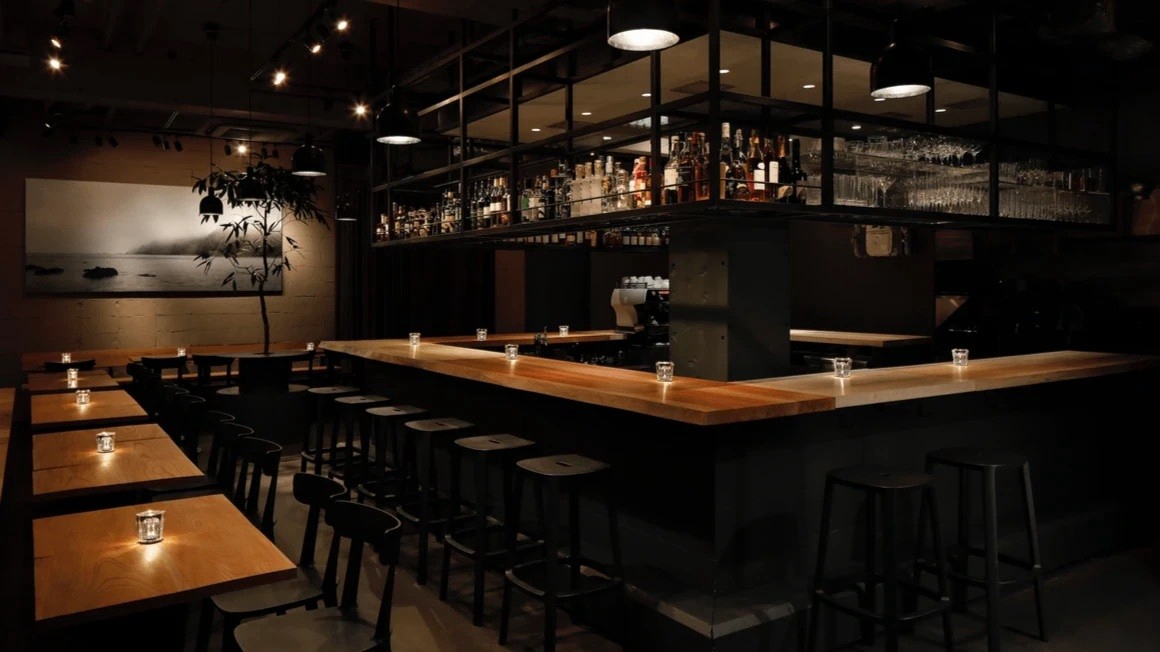
A walkable distance from the acclaimed chef's Tokyo restaurant in Minami-Aoyama, the bar opened in 2018, creating a place where guests can enjoy rare spirits sourced from around the world in a relaxed and social atmosphere, offering a different experience from his restaurant.

At the heart of Bees Bar lies chef Narisawa’s long-standing fascination with the bar culture of Latin America. Throughout his travels, he has been inspired by the hospitality and skill he encountered, experiences that eventually led him to build one of Japan’s largest private tequila collections. Bees Bar was created not only to showcase that collection, but also to share the culture and spirit behind it with guests in Tokyo. Guru By Bangkok Post speaks to chef Narisawa about Bees Bar.
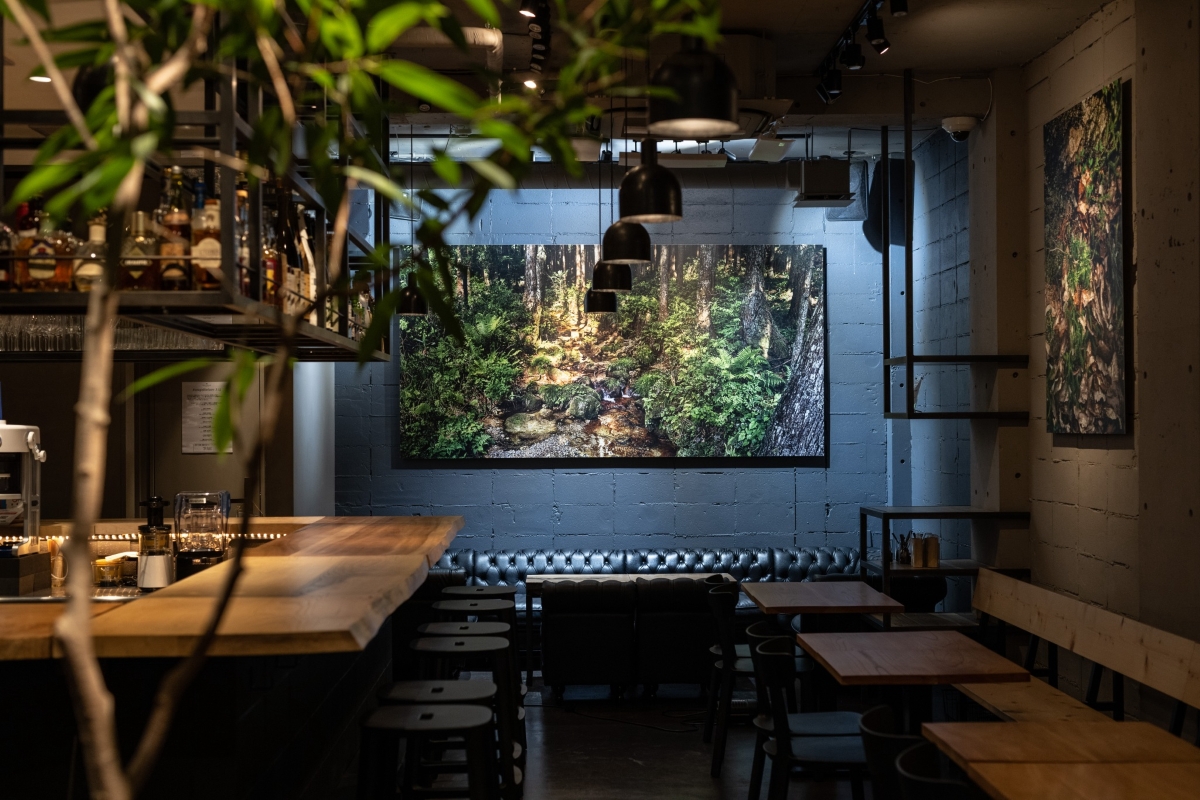
Why the decision to open a bar? Have you always been interested in cocktails?
Bees Bar was born from my deep interest in the bar culture of Central and South America, which I had held for many years. During my many visits there, I became strongly fascinated by the enjoyable atmosphere of the bars, the warmth of the people and the craftsmanship I encountered. Bees Bar was conceived as a place to share that hospitality of bar culture in Tokyo.
Another reason I decided to open the bar was that there is a very strong affinity between Japan's satoyama culture, which is the theme of my work, and the elements of a bar, such as cocktails and spirits. At the restaurant, we use ingredients from the forest in our cuisine and many of those same ingredients can also be made into cocktails. Alcohol was created by our predecessors through their relationship with nature as a way to enjoy its blessings. I felt that there could be a place in Tokyo where people could experience Japan's satoyama while reflecting on the roots of alcoholic beverages.
Why this particular name for the bar?
The honeybee has long been the symbol of Narisawa. Bees play an essential role in nature and because of their sensitivity, they also serve as indicators of changes and disturbances in the natural environment. The philosophy of my restaurant — "living together with the forest" — is equally shared by this bar. That is why I chose the name Bees Bar.
Please explain the concept of the bar and the drinks.
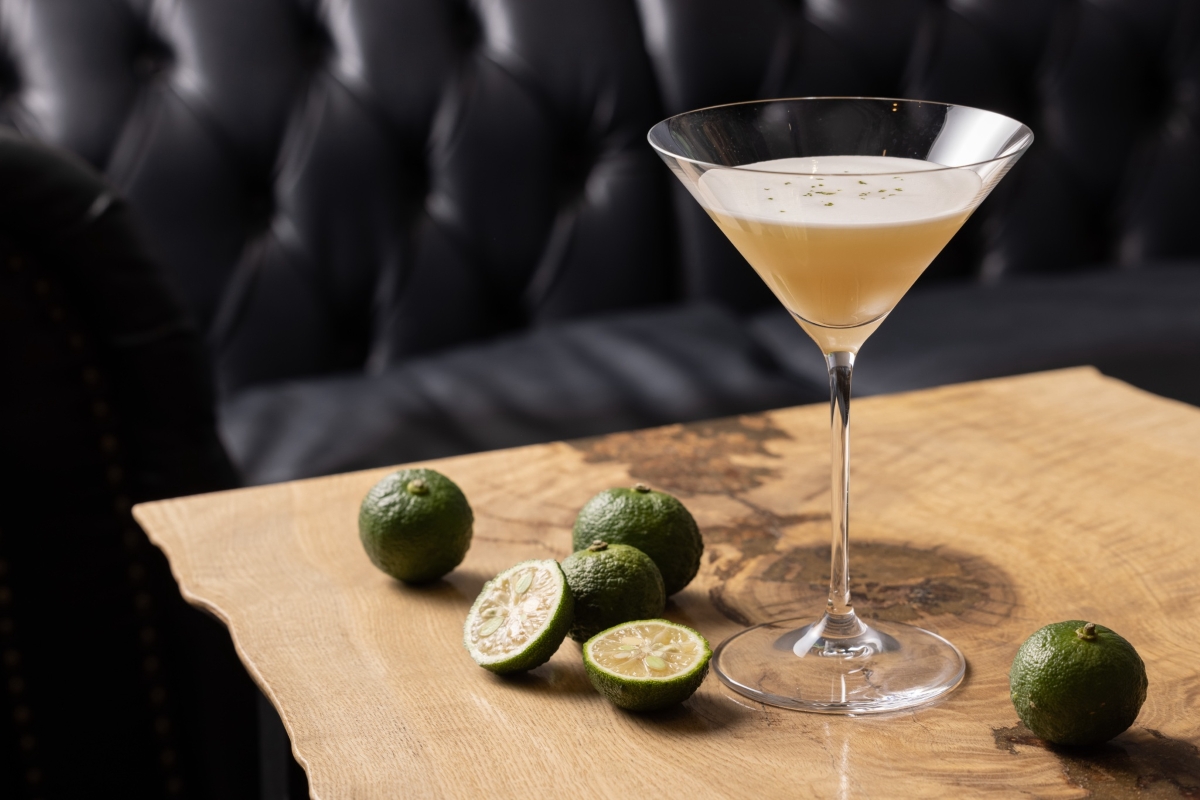
Bees Bar by Narisawa is designed as a casual bar that offers a more relaxed and social style of hospitality than the tasting menu experience at Restaurant Narisawa. At the heart of the bar is my personal collection of rare spirits gathered during my travels around the world. For this summer's Mexican residency, we are taking that concept further by recreating the atmosphere of an authentic Mexican cantina. The drinks feature genuine Mexican spirits, including Siete Leguas, making its first appearance in Japan, alongside original cocktails that combine Mexican techniques and ingredients with Japanese elements.
Why the decision to have smoothies and cold slow juice in a bar?
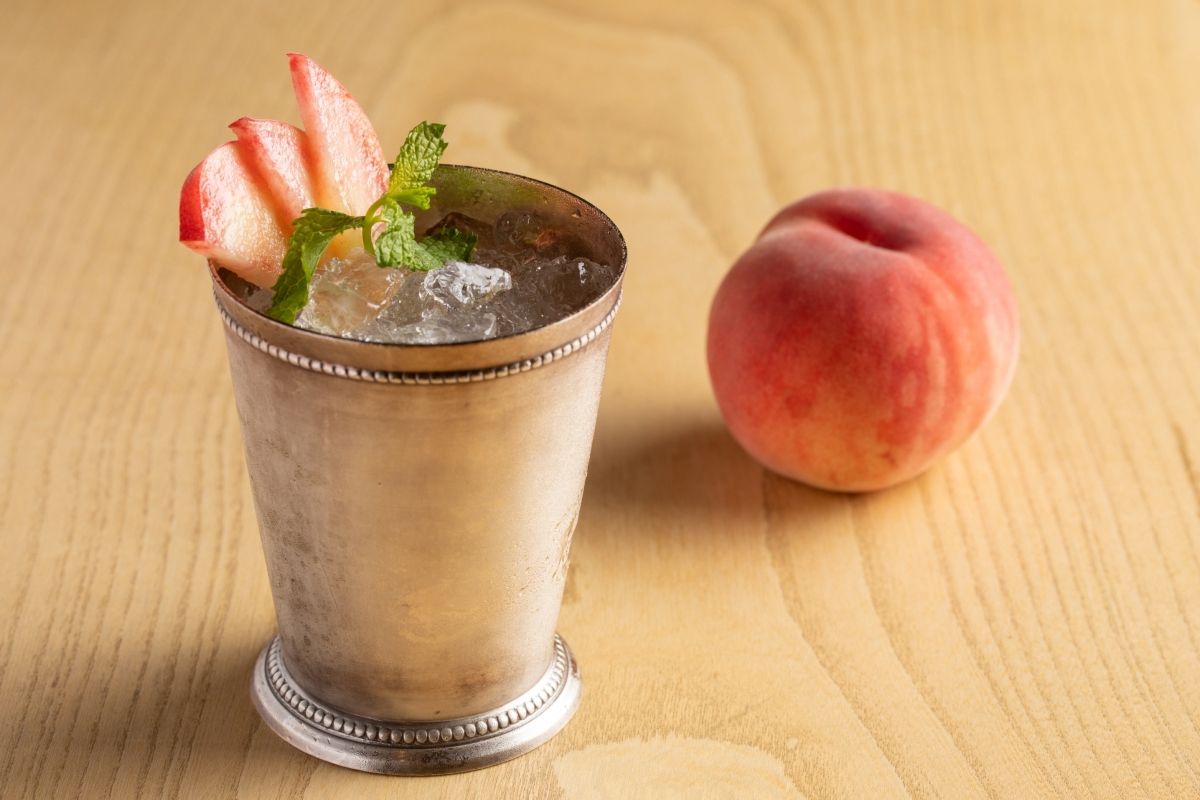
The philosophy of Narisawa — "Beneficial and Sustainable" — is equally important at Bees Bar. Using an abundance of seasonal produce, including fresh fruits delivered directly from producers across Japan, we aim to offer non-alcoholic drinks that are both beneficial to people's health and environmentally sustainable.
The bar snacks are quite eclectic, offering Mexican, Japanese and Spanish. How do these fit into the Narisawa narrative?
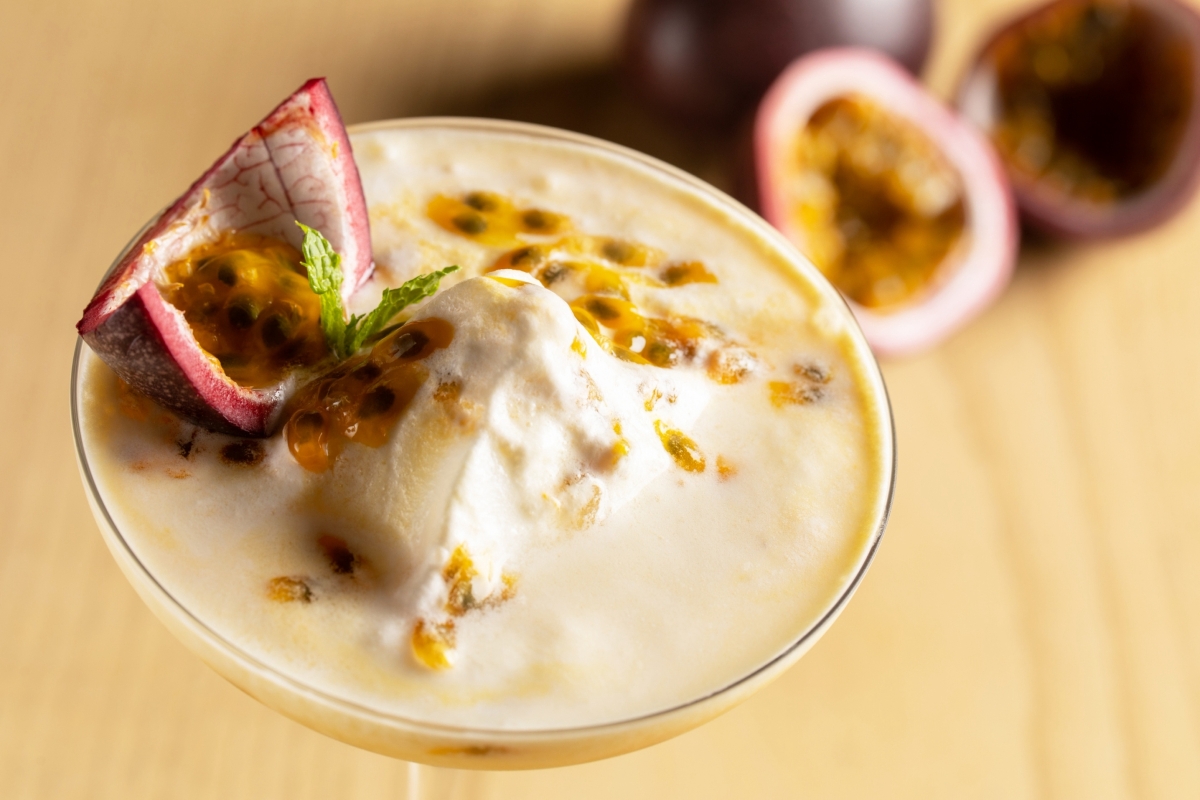
Although Bees Bar is a bar, we have developed a substantial food menu so that guests can also enjoy it as a dining destination. The dishes are simple and ingredient-driven — foods that I personally enjoy eating while having a drink. We use the same sustainably sourced ingredients as those served at Restaurant Narisawa.
For the Residencia Mexicana en Tokio pop-up, our goal is to create an authentic fusion between Mexican food culture and the finest ingredients available in Japan. Rather than adapting Mexican cuisine to Japanese tastes, we aim to faithfully express authentic Mexican cuisine and bar culture using the highest-quality ingredients that can be sourced in Japan.
Why the need to serve kakigori?
I had the wonderful opportunity to collaborate with Yondaime Tokujiro, the renowned producer of natural ice from Nikko. As I have always been fascinated by kakigori, it felt like a natural addition to the menu.
How often does the menu change? Does the seasonal menu always offer only two best of the season?
Every ingredient has its peak season, so our menu changes frequently depending on what is atits very best.
What’s your favourite cocktail on the menu and your favourite food pairing with it?
One of my favourites is the Shiso Smash, made with a fragrant syrup from fresh shiso leaves andKyushu sweet potato shochu. Its refreshing aroma stimulates the appetite, making it an ideal first drink. It pairs particularly well with fresh fish carpaccio and fried dishes.
Mexican residence in Tokyo
Until Oct 31, Bees Bar by Narisawa is hosting its first-ever pop-up concept, “Residencia Mexicana en Tokio". In collaboration with Edo Kobayashi Hospitality, Bees Bar transforms into an authentic Mexican cantina, bringing the spirit and flavours of Mexico to Tokyo. Experience traditional Mexican cuisine alongside tequila and mezcal, including Siete Leguas, making its debut in Japan, longside seasonal fruits such as white peach, mango and passion fruit, as well as original cocktails, embodying the spirit of Mexico’s bar culture.
The menu has been curated under the supervision of chef Narisawa, featuring premium seasonal ingredients sourced from trusted producers throughout Japan. Centred around traditional Mexican dishes such as tostadas, tacos and enmoladas, the menu combines the finest Japanese seafood, vegetables and meats in a special collection available only during the residency.
To complete the experience, a music selection curated by López will be played through a high-fidelity sound system, creating an immersive atmosphere that allows guests to experience the spirit of Mexico through not only its food and drinks, but the entire environment.