In early 1976 in California, Steve Wozniak had just completed the design of a computer circuit board he intended to share with fellow hobbyists at a local club. His friend Steve Jobs also saw a business opportunity to manufacture and sell the boards, and thus Apple was born.
The company turns 50 on Wednesday. Its rise has shaped both the technology industry and popular culture by making first desktop computers and then smartphones mainstream, popularising mobile apps and showing how tightly integrated devices and software can work.
But the iPhone maker is now under pressure to show it can remain a technology powerhouse in the age of artificial intelligence as software rivals Alphabet and Microsoft spend tens of billions of dollars to seize a lead.
Its stock is the second-worst performer among the “Magnificent Seven” since OpenAI launched ChatGPT in November 2022.
Despite embedding machine learning features in its chips since 2017, analysts and investors say delays in roll-out of features, including a revamped Siri, suggest Apple was underprepared for how consumers would use AI.
Rivals such as OpenAI are also planning to launch AI devices that aim to shake the long-held dominance of smartphones.
Still, Apple’s devices remain widely popular.
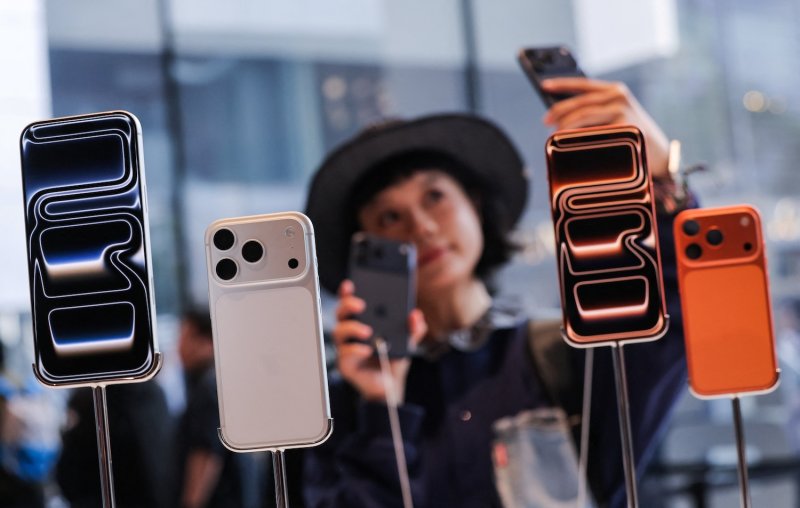
Strong demand for the latest iPhone 17 series drove its December-quarter earnings, while the $599 MacBook Neo — its cheapest laptop ever — had a strong launch.
“The company made it fifty years with no one truly competing with its integrated business model; the fate of its next fifty years may rest on the question of just how compelling AI ends up being — and if OpenAI can out-Apple the original,” independent tech analyst Ben Thompson said on Stratechery.com on Tuesday.
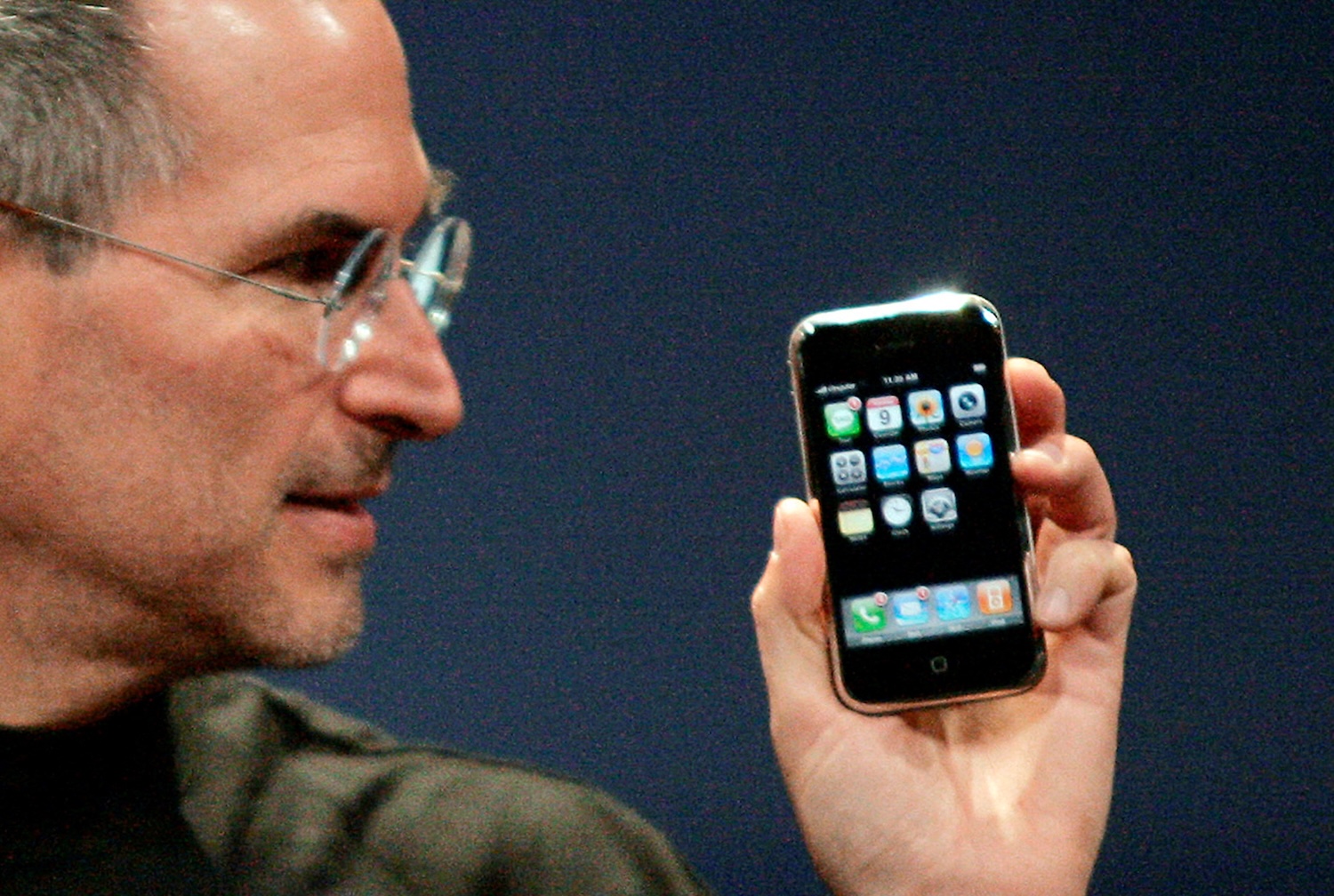
Apple CEO Steve Jobs introduces the first iPhone in San Francisco, on Jan Jan 9, 2007. (Photo: Reuters)