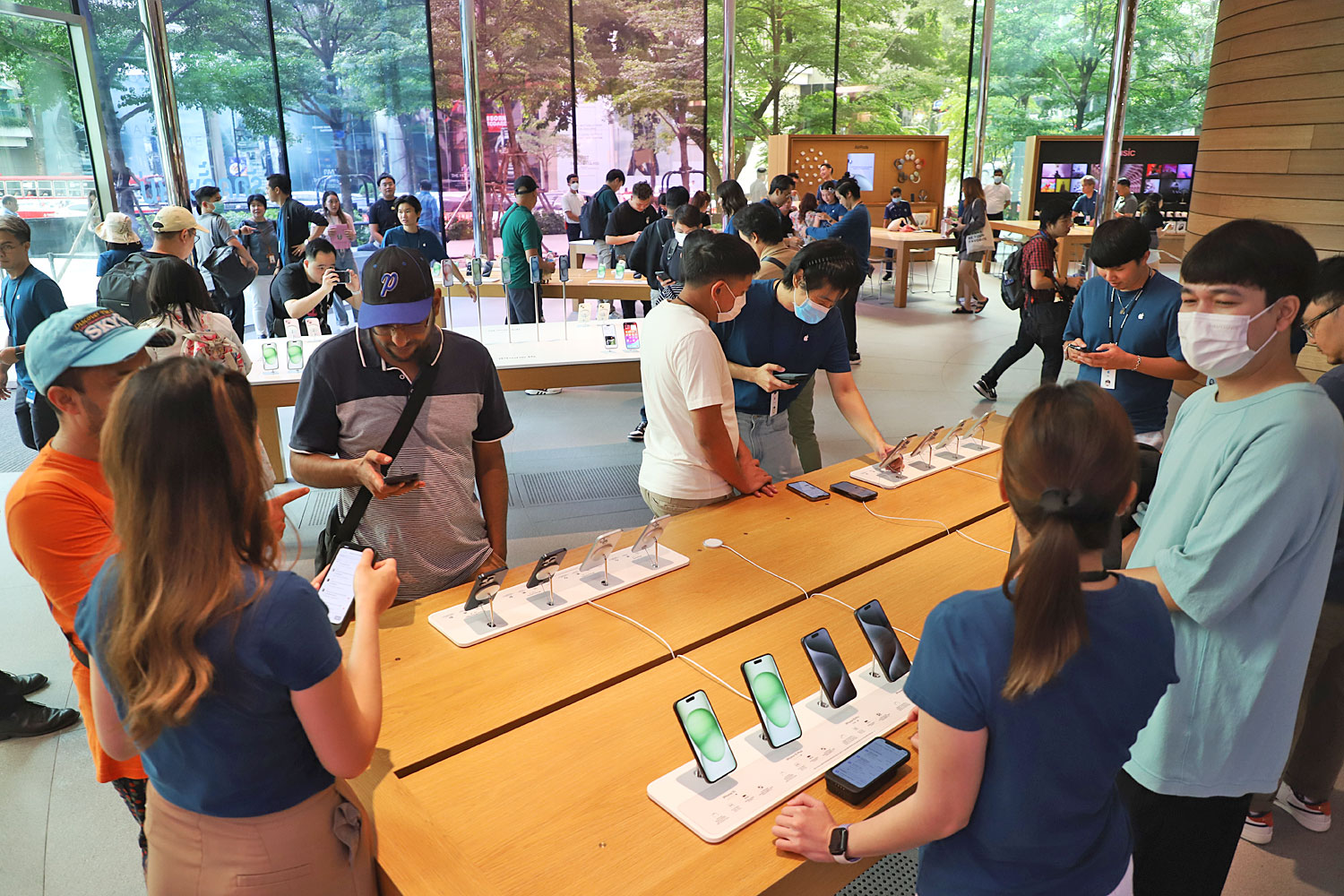

Android 17 is starting to feel real. For expats in Thailand, that can only mean one thing: another round of looking into phone features promising to make daily life smarter, smoother and possibly a little less stressful than Sukhumvit at rush hour. Google's next Android update is now firmly in the public spotlight, with artificial intelligence at its core and a likely landing window from mid-year, just in time to disrupt your carefully tuned phone habits.
Interest spiked this week when Android 17 popped up among Google Trends, a reliable signal that the annual "what will my phone do next?" season has begun. Much of the online chatter has swirled around Google's pre‑I/O "Android Show", where chief executive Sundar Pichai and the official Android account leaned heavily on two themes: Android 17 itself, and something Google calls Gemini Intelligence.
For users in Thailand, the practical questions are less about buzzwords and more about usefulness. Google is pitching Gemini as an operating‑system upgrade that works across apps, not just as a chat window you forget about after showing it off to friends. In everyday terms, that means Android 17 is designed to notice what is already on your screen and help you act on it.
Take online shopping, a national sport for anyone trying to avoid Bangkok traffic. With Gemini built into the system, Android 17 can scan a long list of items on your screen, such as a shared grocery list in a messaging app, and turn it into a ready‑to‑order shopping cart in a delivery app. Instead of copying, pasting and swearing quietly, you could go from "we're out of everything" to checkout in a few taps.
Typing, or more specifically not typing, is another focus. Android 17 introduces "Rambler", a new Gboard voice feature designed to clean up messy dictation. If you have ever dictated a message such as "uh… I'll be late, um, traffic again" while walking to the BTS, Rambler aims to remove the filler words and turn it into something you can send without apology. The idea is fewer awkward voice notes and less editing before hitting send.
(Photo: 123RF)
Commuting also gets an upgrade. Android Auto is set to receive deeper Gemini integration, a refreshed look and more customisable widgets. Google Maps will stretch edge‑to‑edge on the display with immersive 3D navigation, useful for spotting which flyover you are supposed to be on before it is too late. While parked, supported cars will even allow YouTube playback, which could make waiting for someone "five minutes away" slightly more bearable under the punishing Bangkok sun.
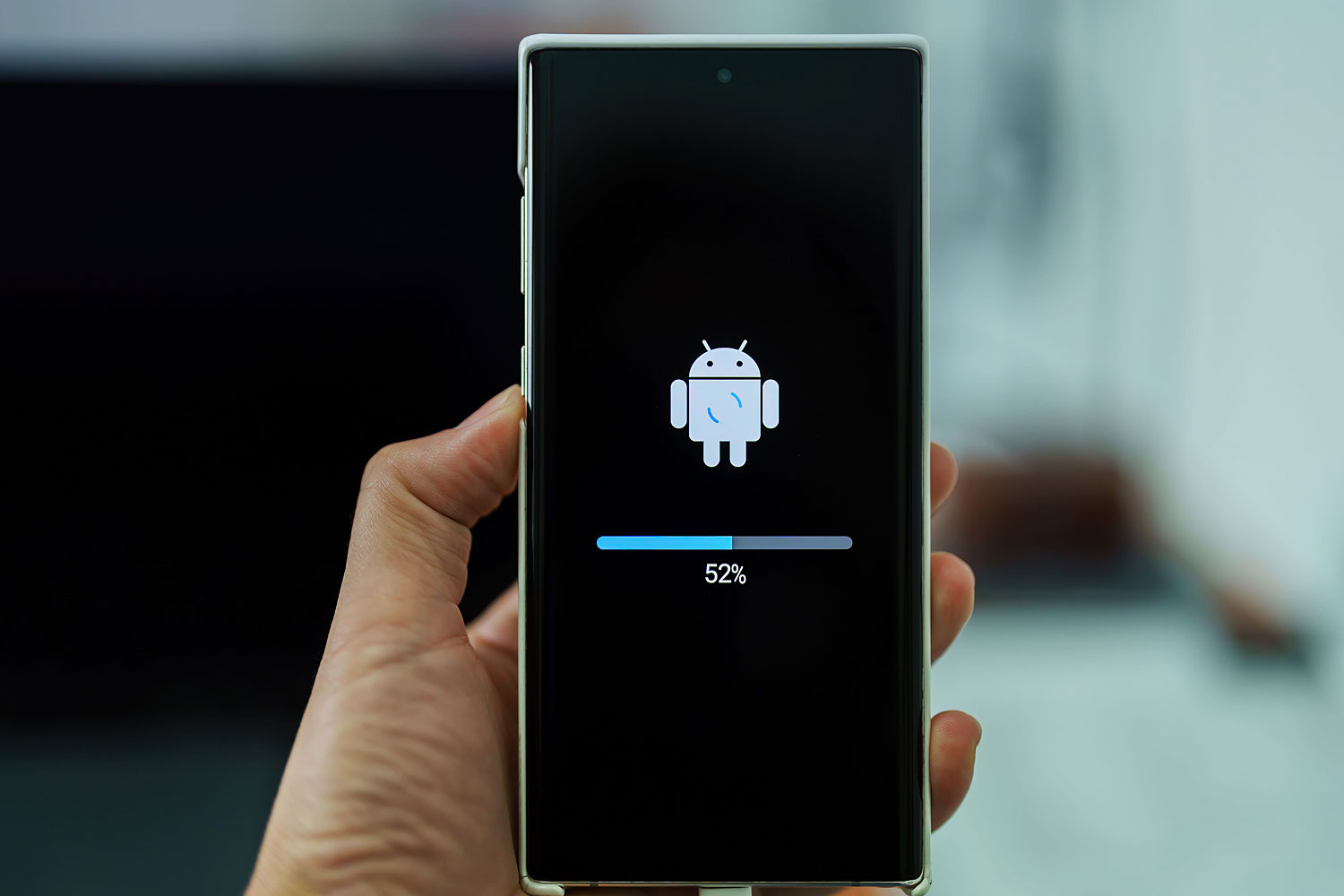
Not all the changes are flashy, but many will be welcome. Behind the scenes, Android 17 tightens system rules to improve stability and security. Google says new app memory limits should reduce random slowdowns, and restrictions on background audio are aimed at cutting down on those moments when your phone starts making noise for reasons known only to itself.
Developers are also being pushed into stricter boundaries. Apps targeting Android 17 or higher will have local network access blocked by default unless they request a new permission, and certificate transparency will be switched on by default. For users, the practical effect should be fewer surprise behaviours and more control over what apps are doing in the background, though it may take some developers time to adjust.
As for when all this arrives, Android 17 is expected to reach a stable release around June 2026. Google's Pixel phones usually get first access, followed by other brands in stages. It remains a familiar frustration for Thailand-based Android fans that Pixel phones are not officially sold here, adding a small hurdle between curiosity and early adoption.
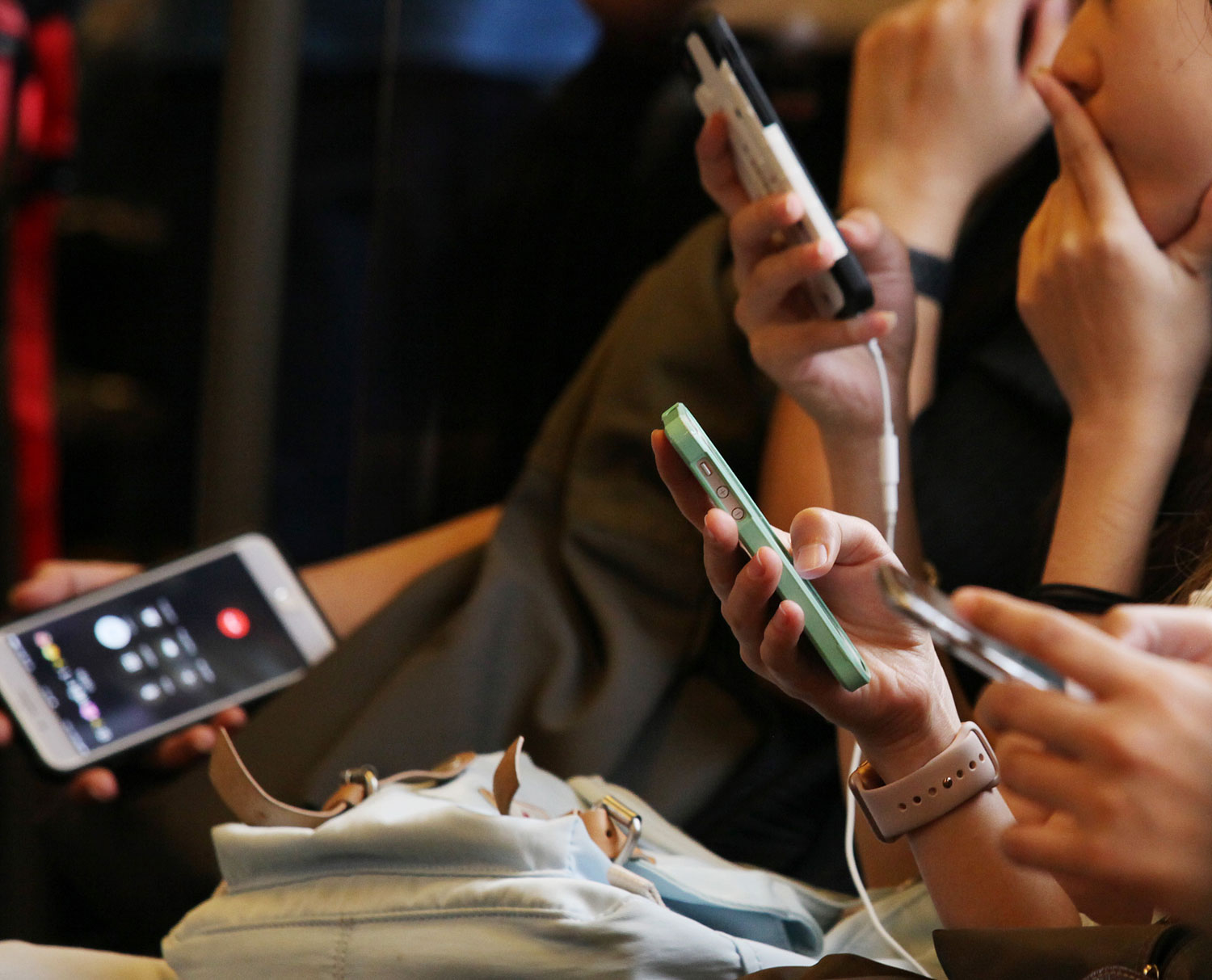
iOS 27 meanwhile, is shaping up to be a quietly important update. For people in Thailand, it could make the iPhone feel more like a helpful assistant and less like a demanding pet. Expected to be unveiled at Apple’s Worldwide Developers Conference in June, the new software focuses on intelligence, stability and everyday usefulness, rather than dramatic visual changes. That may be a relief for users who already deal with enough surprises on Thai roads and in Thai bureaucracy.
The biggest change is Siri, which Apple is reportedly rebuilding almost from scratch. iOS 27 is expected to introduce a dedicated Siri app with a chat‑style interface, memory of past requests and the ability to work across apps. In practical terms, that could mean asking Siri to find a visa reminder buried in email, add it to the calendar and message a colleague, all in one go. After years of polite misunderstandings, Siri may finally understand what you want, not just what you said.
Apple is also expected to weave artificial intelligence more deeply into everyday apps. The Camera and Photos apps could gain features such as scanning food labels for the Health app, saving phone numbers from business cards, or lightly enhancing photos without turning Bangkok sunsets into science fiction.
Performance improvements are another theme, with iOS 27 tipped to focus on stability and smoothness, which matters when your phone doubles as wallet, map and translator in Thailand.
A word of caution, especially for the adventurous. Installing a beta version for both Android 17 and iOS 27 before a visa run, a border trip or the day you must scan a QR code to pay for lunch is a bold life choice. If your phone decides that exact moment is perfect for "optimising" or rebooting, Bangkok will not apologise, and neither will your operating system.