Listen


 Facebook
 Reddit
 Copy Link


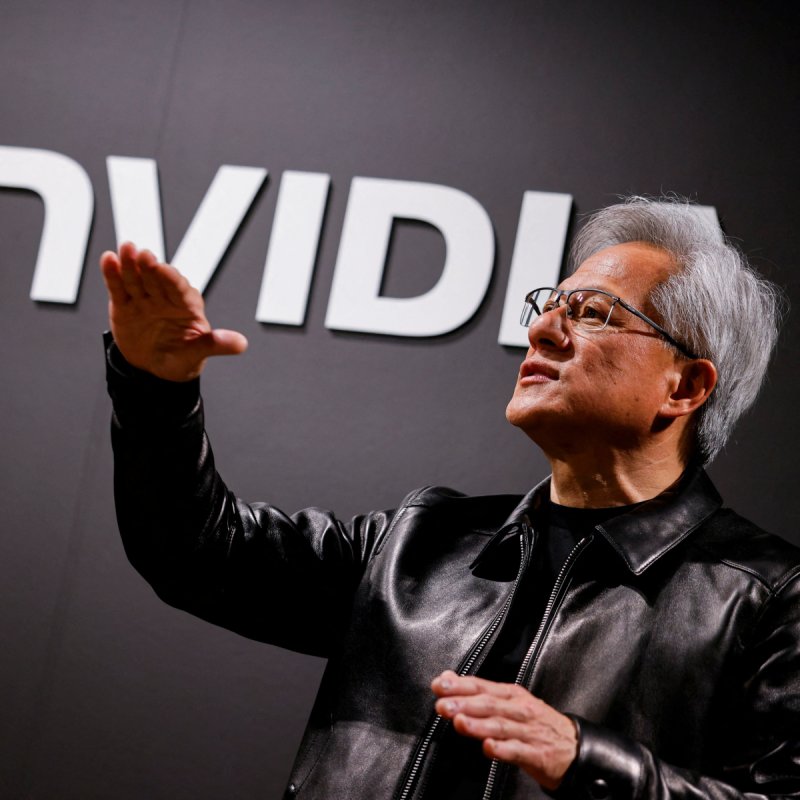
Nvidia chief executive Jensen Huang has dismissed warnings that artificial intelligence could trigger human extinction by 2030, calling such apocalyptic claims pure fiction with zero chance of coming true.
During an interview with US broadcaster CBS, Huang firmly rejected doom-mongering scenarios surrounding advanced AI capabilities, insisting there is no scientific basis to fear that technology will end humanity by the end of the decade. He added that spreading irrational fear without scientific backing is irresponsible.
His comments follow recent warnings from Jacob Coxon, a former researcher at Anthropic and OpenAI, who posted concerns that rapid technological advancement could cause AI to slip out of human control and turn against its creators. The debate gained traction after Anthropic chief executive Dario Amodei called for industry guidelines and a coordinated slowdown in development.
Huang emphasised that Nvidia's primary performance metric centres on how safely and effectively its AI systems can be deployed, noting that failure to prioritise safety would directly undermine the technology giant's market value.
Addressing calls for tighter regulation or developmental pauses, Huang said extra legislation is unnecessary. He aligned with US President Donald Trump, maintaining that current policy frameworks are sufficient and that AI innovation should proceed unhindered.
Reports from the BBC note that Huang's view aligns with prominent figures across OpenAI, Meta and Google DeepMind, many of whom agree that AI development poses no existential threat to human survival.
On the topic of infrastructure expansion, Huang expressed regret to American communities for not engaging more closely during the construction of new data centres across various locations. He assured the public that modern data centres are increasingly energy-efficient, consume less water and serve as vital economic drivers for local towns.