Listen


 Facebook
 Reddit
 Copy Link


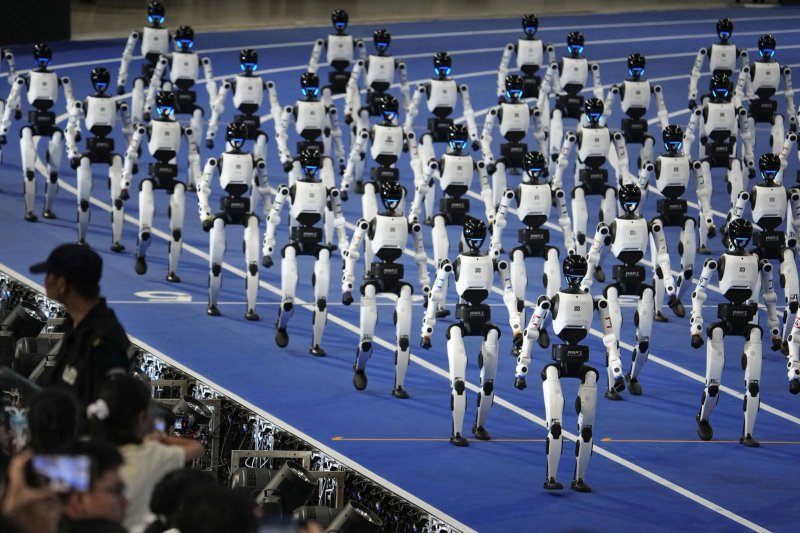
KYODO — The number of humanoid robots could exceed 10 billion and outnumber the global human population by the 2080s, a recent analysis by United States and European researchers showed Thursday.
The scenario in the paper, published on the news website RealClearScience by a team from the University of Milan, the University of Exeter and The Rockefeller University, assumes adequate power supplies and autonomous android-mediated production.
Researchers, however, stressed that "numerical crossover should not be confused with social, political or economic dominance."
The United Nations (UN) projects that the global human population will peak at about 10.3 billion in the mid-2080s before beginning a gradual decline.
According to the study, androids could outnumber humans by around 2083 if they participate in manufacturing themselves and sufficient electricity and parts are available.
The scenario is one of over 4,000 possible combinations considered, based on market forecasts that more than 1 billion humanoid robots will exist by 2050.
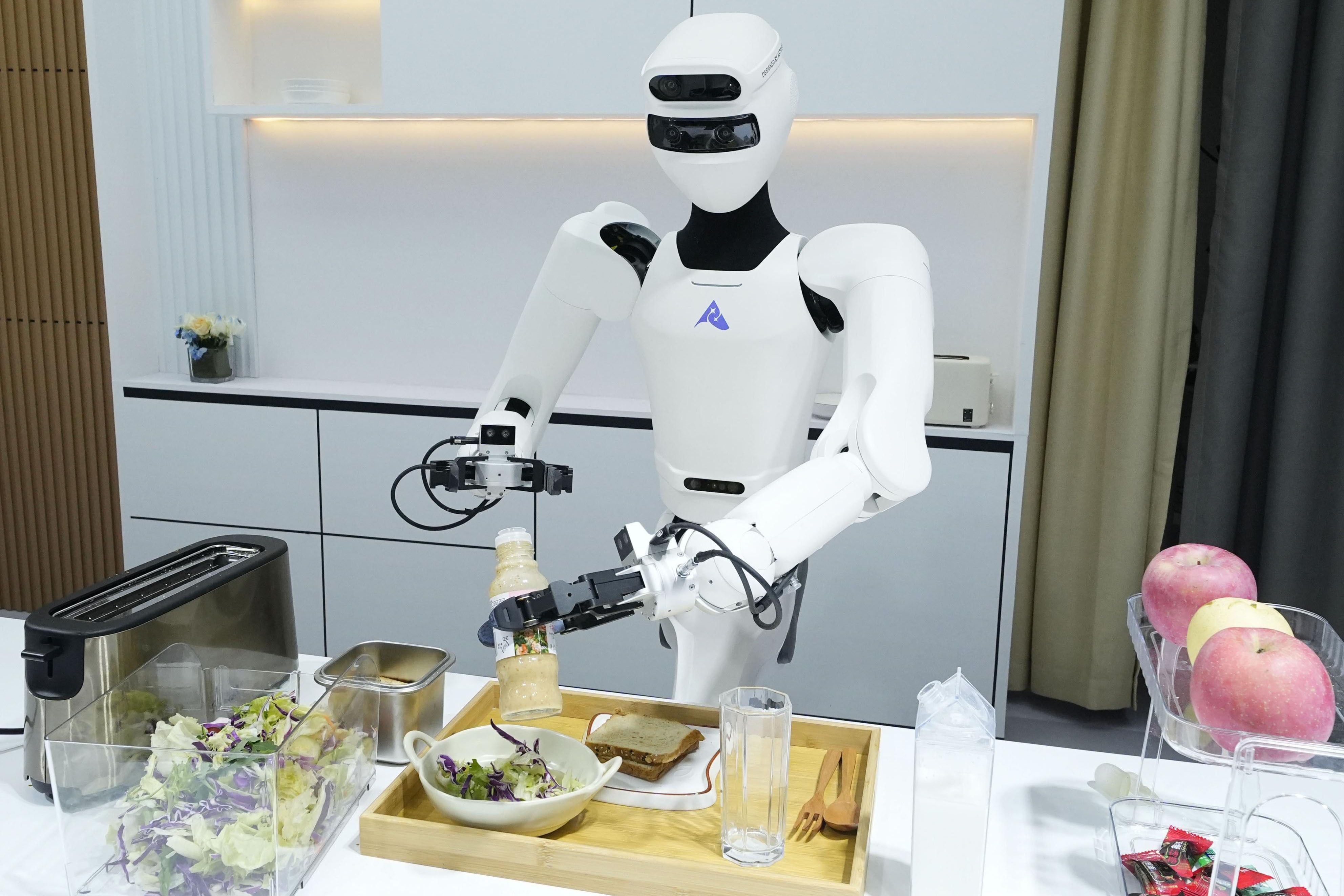
File photo taken in August 2025 shows a humanoid robot preparing a meal at the World Robot Conference in Beijing. (Photo: Kyodo)
An estimated 10,000 humanoid robots currently exist, with expected uses in factories and warehouses, household assistance and caregiving.
Without an additional android-mediated production channel, growth at the current pace would put their numbers at around 4 billion in 2100, still well below the projected human population of about 10.2 billion, according to the paper.
"Once the technological population can replace its losses and amplify its own productive capacity, the dynamics change qualitatively," the team said, adding that measuring the transition "may become as important as counting the machines themselves."
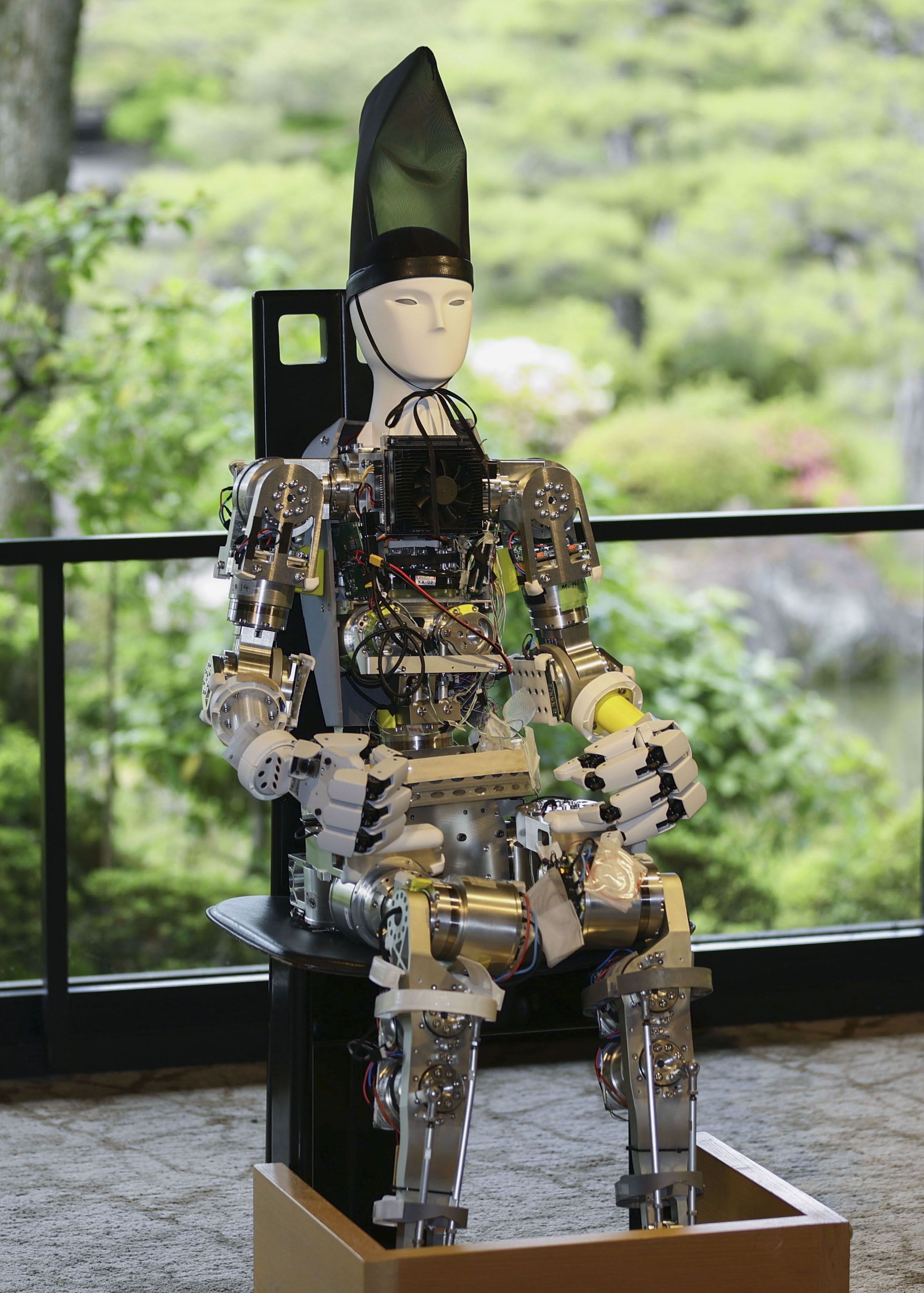
File photo taken in April 2026 shows Seimei, a prototype of a humanoid robot produced entirely in Japan. (Photo: Kyodo)