Listen


 Facebook
 Reddit
 Copy Link


There is something appealing about travelling to the last major habitable land to be populated by humans.
Home of Middle-Earth, Aotearoa New Zealand or the land of the long, white cloud is so breathtakingly beautiful, it is worth the long hours of travel. Divided into Te Ika-a-Māui (the Maori name for North Island) and Te Waipounamu (South Island), I decided to explore the North.
The first words you’ll need to know as soon as you’ve stepped off the plane are “Kia Ora”. A Māori phrase, which has entered New Zealand English, and translates literally as "have life" or "be healthy”. Though after a few days, you’ll soon realise it’s also used to greet people or say “goodbye”.
Auckland
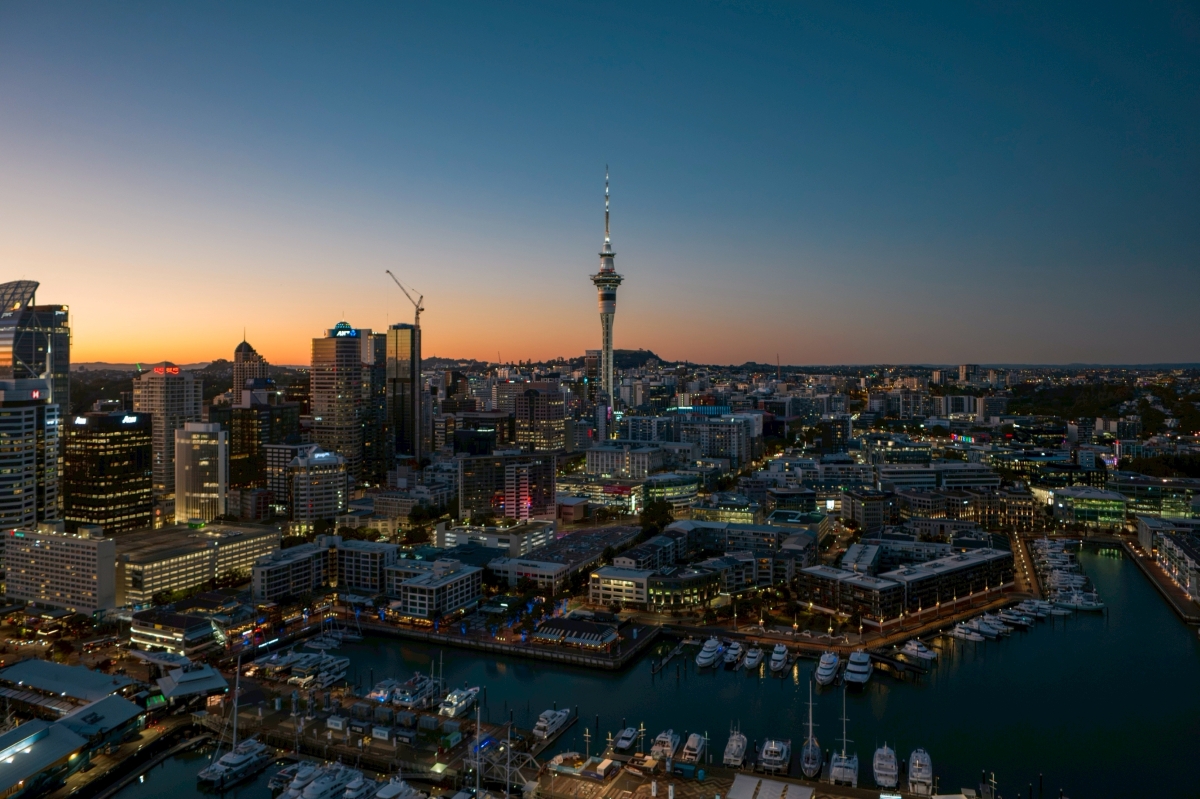
At first look, Auckland looks like any modern city of the world, with skyscrapers dotting the skyline and then thinning out as the eyes move into the suburbs. Set among volcanic islands, this coastal city is the largest in New Zealand. It is also known as the City Of Sails and on a Friday afternoon you can see why. The Waitematā Harbour, which connects to the Pacific Ocean, is dotted with sail boats on Friday afternoons and throughout the weekend.
The weather in Auckland can be quite unpredictable and you may have four seasons in a day. While walking about may get a tad tiring due to it being hilly, the first stop that is a must. The All Blacks Experience is an immersive tour of the culture, history and pride of the country. Not only does the tour take you 120 years down the road, it lets you participate in the game and be part of the team. No spoilers here.
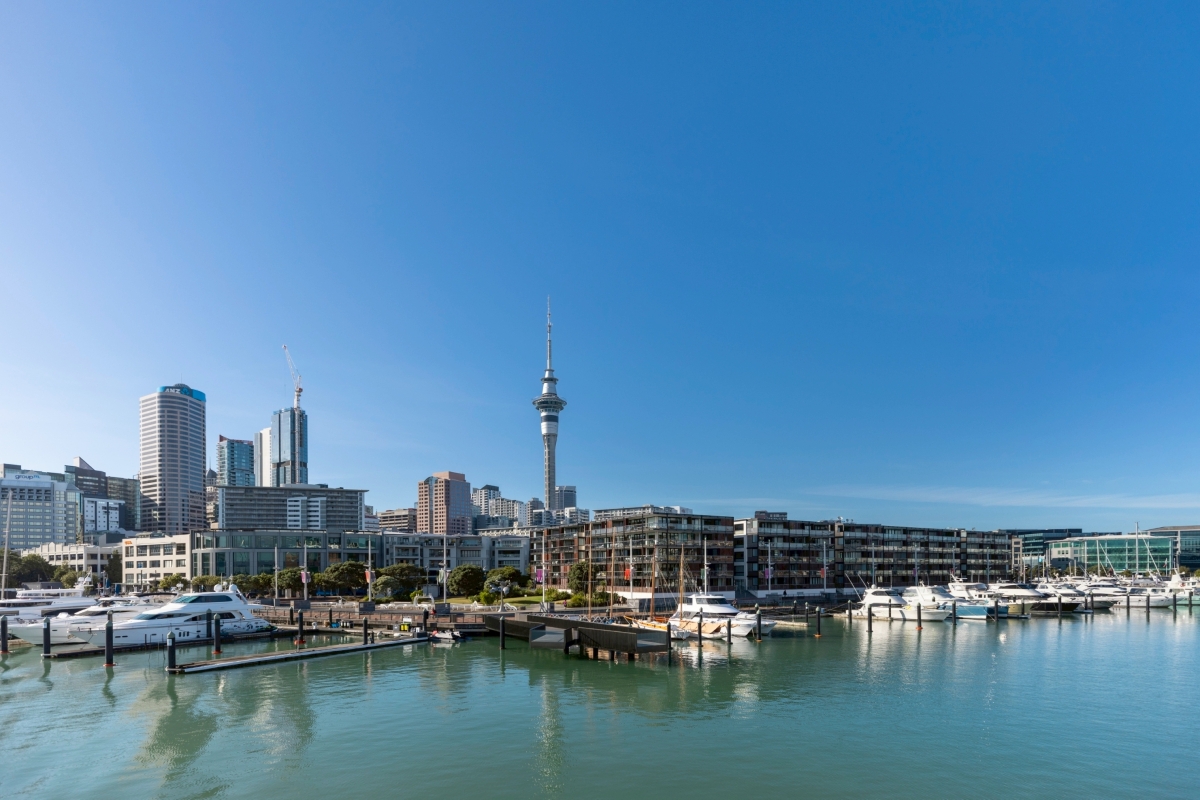
The next stop is to get a good lay of the land and round the corner is Sky Tower, which offers a bird’s eye view of Auckland and its surroundings. Standing 328 metres tall, the Sky Tower has dominated the Auckland skyline for more than 28 years, offering stunning 360° views. There are five levels to look out of, including a bar and a restaurant. I highly suggest going up to the Sky Deck on the 60th floor. At 220m above street level, it offers the best views of the city. The glass is marked with key landmarks, the 53 volcanoes and other historical locations.
If you're on the lookout for thrills, head to level 53. It is on this level that the Sky Jump and Sky Walk are conducted. Falling 192m down is for true daredevils, though walking around the 1.2m-wide platform on the edge of the tower’s pergola, with a full body harness and overhead safety lines, isn’t for the faint of heart either.
The Sky Bar, New Zealand's highest bar, on level 50 is a great spot for sundowners. A majestic 182m in the clouds, it is also the best place to view the sunset and watch the city’s lights come on. Since seating is limited, reservations are a must, as is the ordering of a glass of Champagne to accompany the view.
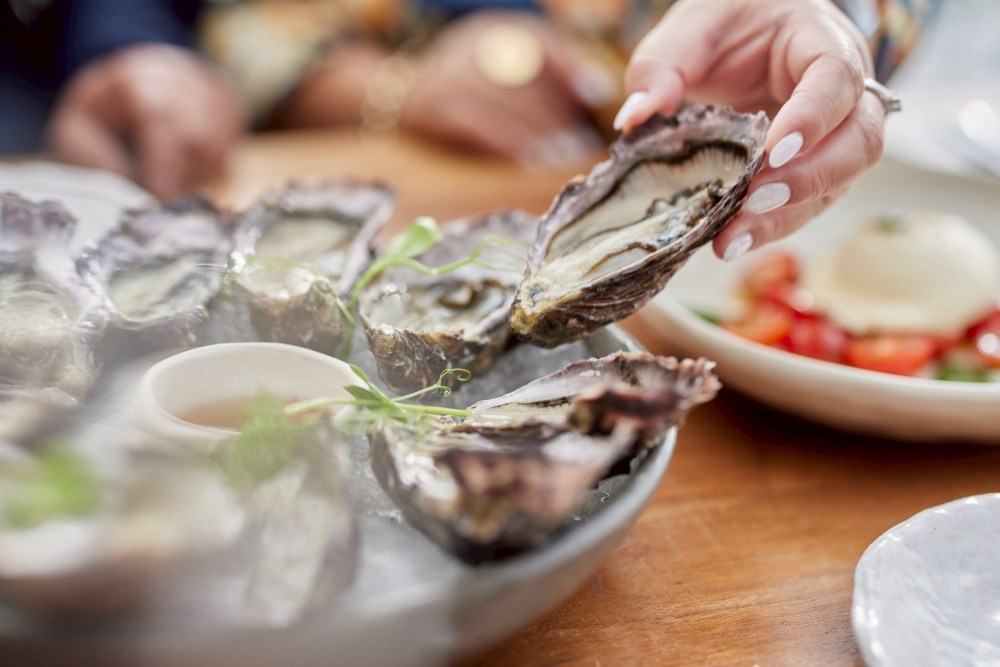
At the base of the tower, Depot Eatery is one of the best places for fresh seafood and a good spot to catch local vibes. The eatery does a selection of small plates, perfect for sharing and for our Asian souls. Since we are minutes from the coast it would be a shame not to order the freshly-shucked oysters. The oyster variety in New Zealand is quite extensive and if it were upto me, I’d just eat all of them for dinner and forget mains. But there are also clams and the famous mussels to be tried.

Another slightly more upmarket dinner place is Kingi, which offers a cosy, warm interior though a table facing the open kitchen, my favourite place to sit, will offer eye-pleasing sights and serve mouth-watering bites. #iykyk
Walking around Auckland is best done on a sunny day as there are some amazing wall art and graffiti to be seen. The city is a mix of old and new architecture, and the stroll to the harbour front offers the artworks at Takutai Square. Near the harbour is also The New Zealand Maritime Museum in a lovely colonial-style building. It is here at the harbour where one takes the ferry to go to the next adventure.
Waiheke Island
A 35-minute ferry ride from Auckland, the island is renowned for its vineyards, olive groves, and white-sand beaches and is the weekend getaway for most locals.
Regular ferry services run from Auckland to Matiatia Bay, with options to bring cars or use local buses/taxis once on the island. Taking the Fullers360 ferry is probably the best bet, though its slightly more expensive than the regular ferry, the boat is less crowded offering views for miles. As it leaves the harbour, it is a good time to look back for a great view of the Auckland skyline.
Once on the island, book the Waiheke Wine Tours to take you around the island. The tour offers a variety of options like the scenic wine tour with tastings, scenic quintessential wine tour with lunch by the sea, along with private wine tours and bespoke luxury itineraries.
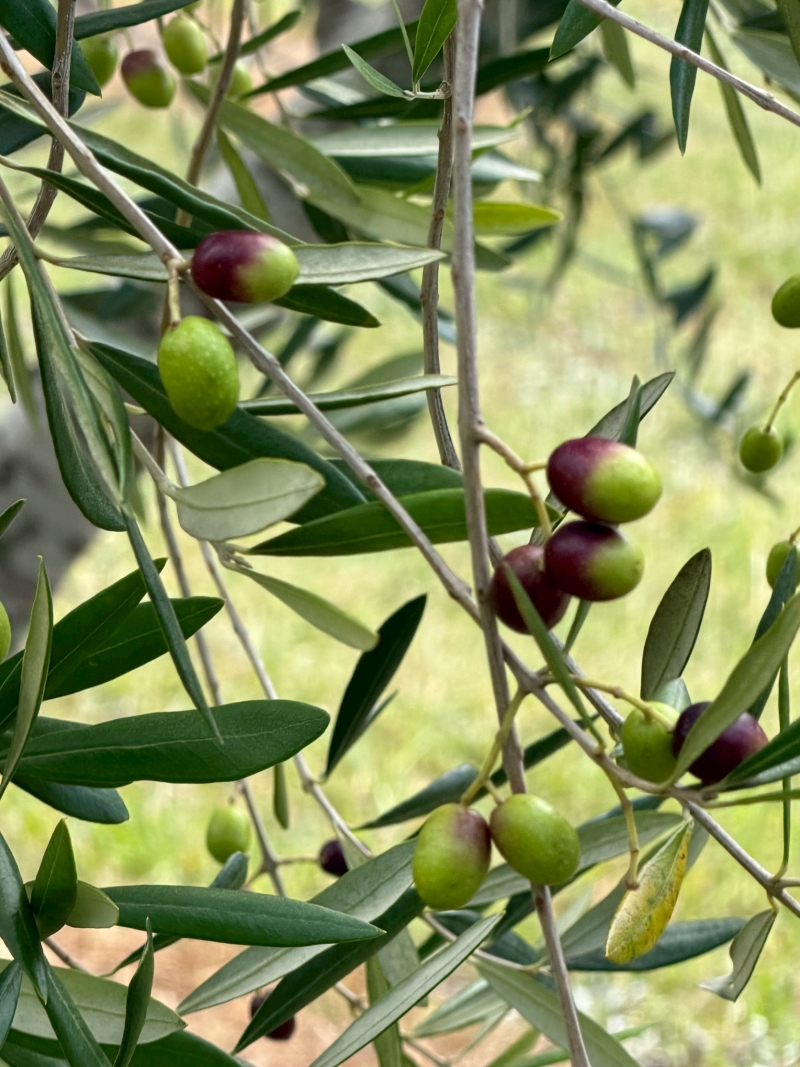
The first stop I made was to AllPress olive grove, where I got a short tour of the plantation and the processing of the olive oil, along with a quick tasting. Due to Waiheke’s micro-climate, olives and grapes flourish magically under the sun.
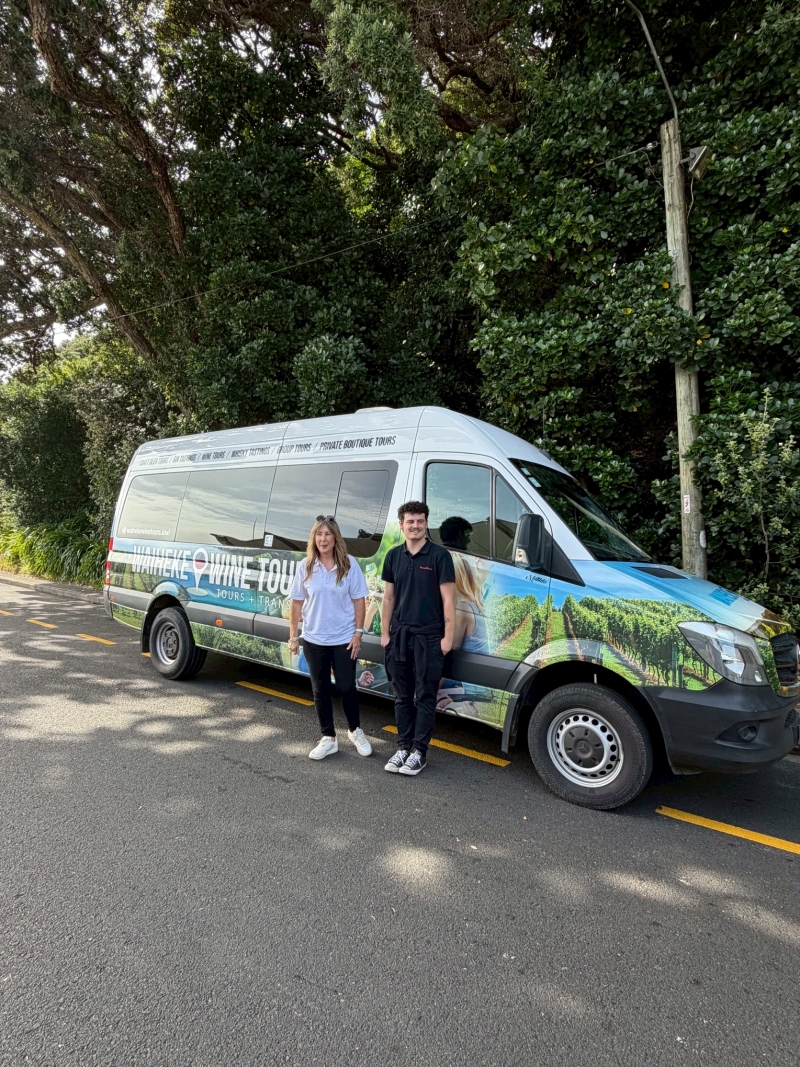
All the vineyards on the island offer wine tastings and all of them have restaurants, so you can carry on with the wines you like and a meal.
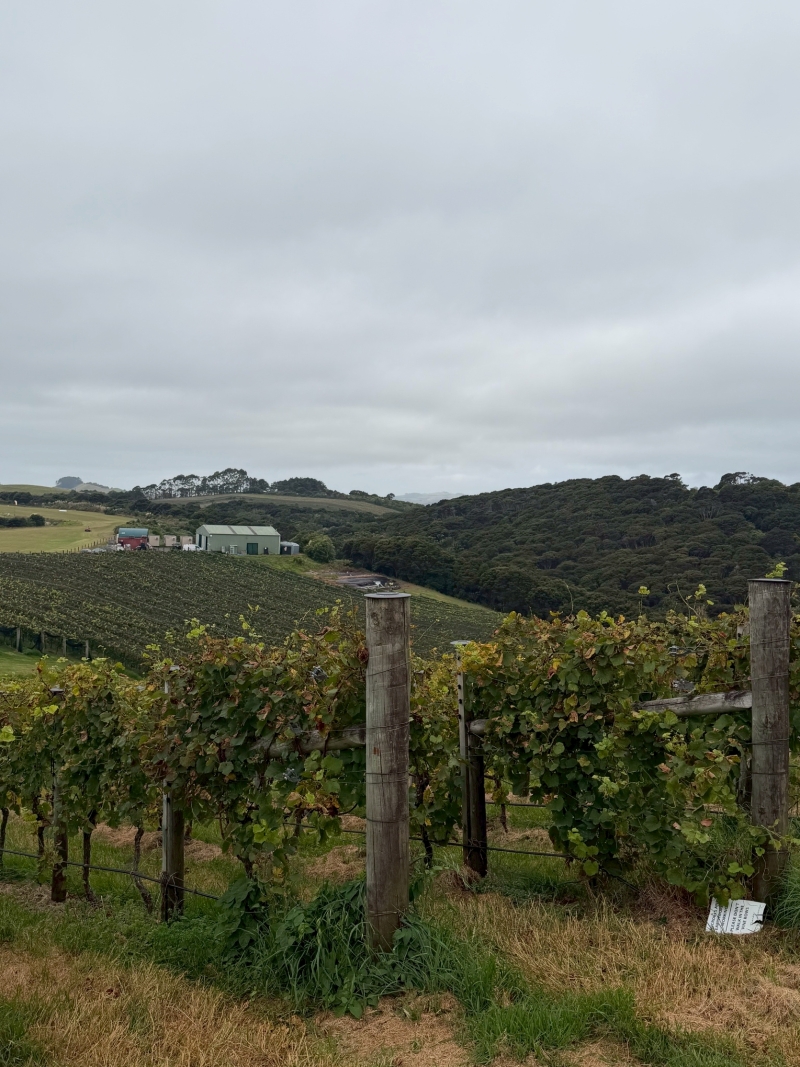
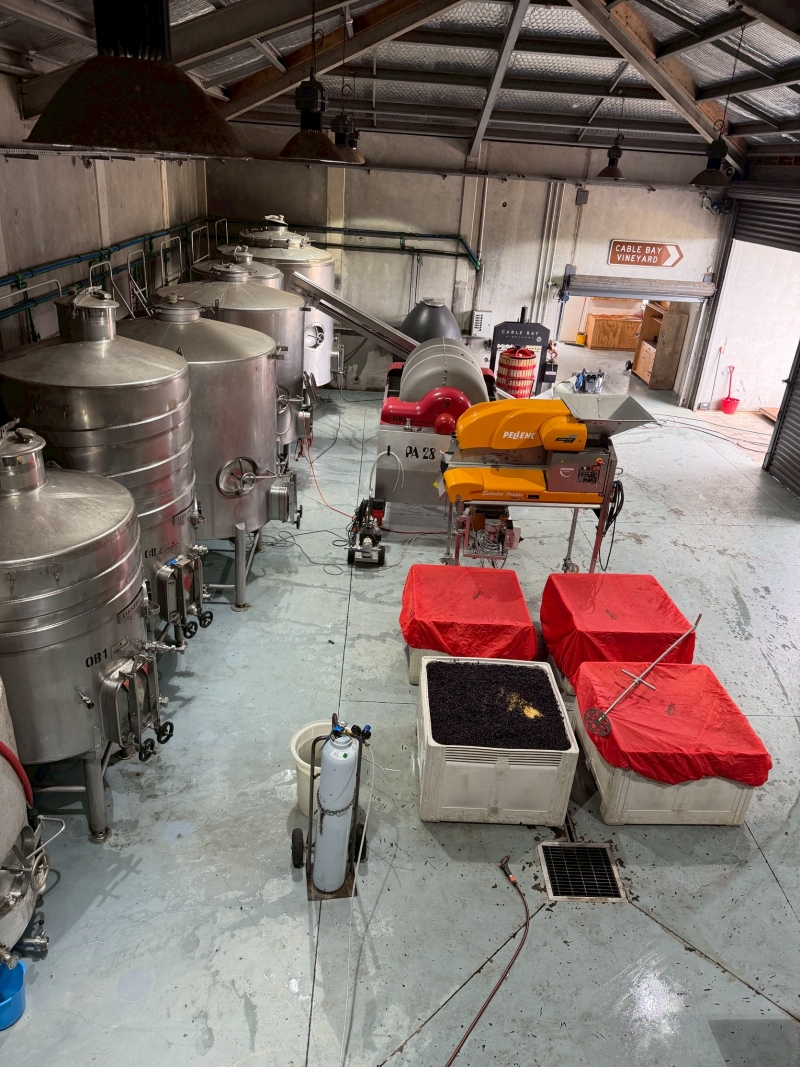
Set against stunning coastal views, Cable Bay offers award-winning wines and refined dining. Their Waiheke vineyards, located at the western end of the island, are planted with Pinot Gris, Viognier, Marsanne, Chardonnay, Syrah, Merlot and Malbec. The Cellar Door is for tastings and a peek into their processing plant.
Batch Winery is a good place for lunch, though it can get a tad too busy. The views make up for it, though. Considered a “destination vineyard”, it offers 360° views of the Hauraki Gulf, Auckland and Coromandel Peninsular… on a clear day.
The island centre has a few shops for browsing or if you ever get tired of wine and vineyards, you can always head to one of the many beaches. There is a lot of accommodation on the island and spending a few days here, would give you a good lay of the land.
Rotorua
No longer is New Zealand known for having more sheep than people and the three-hour drive from Auckland down south to Rotorua will confirm this.
The first animals I spotted once we left the confines of the city were cattle, and lots of them. In fact, it was a while before I actually saw the cute Romney sheep.
Though you can rent a car and do the drive yourself, it is much safer and more comfortable to hire a van with a driver (Thai style), while you enjoy the scenic drive, count the cattle and sheep, or catch a wink or two! One of the best is family business, Ready 2 Roll Tours and Transfers, owned and run by husband-wife team, Alan and Carleen Dahya.
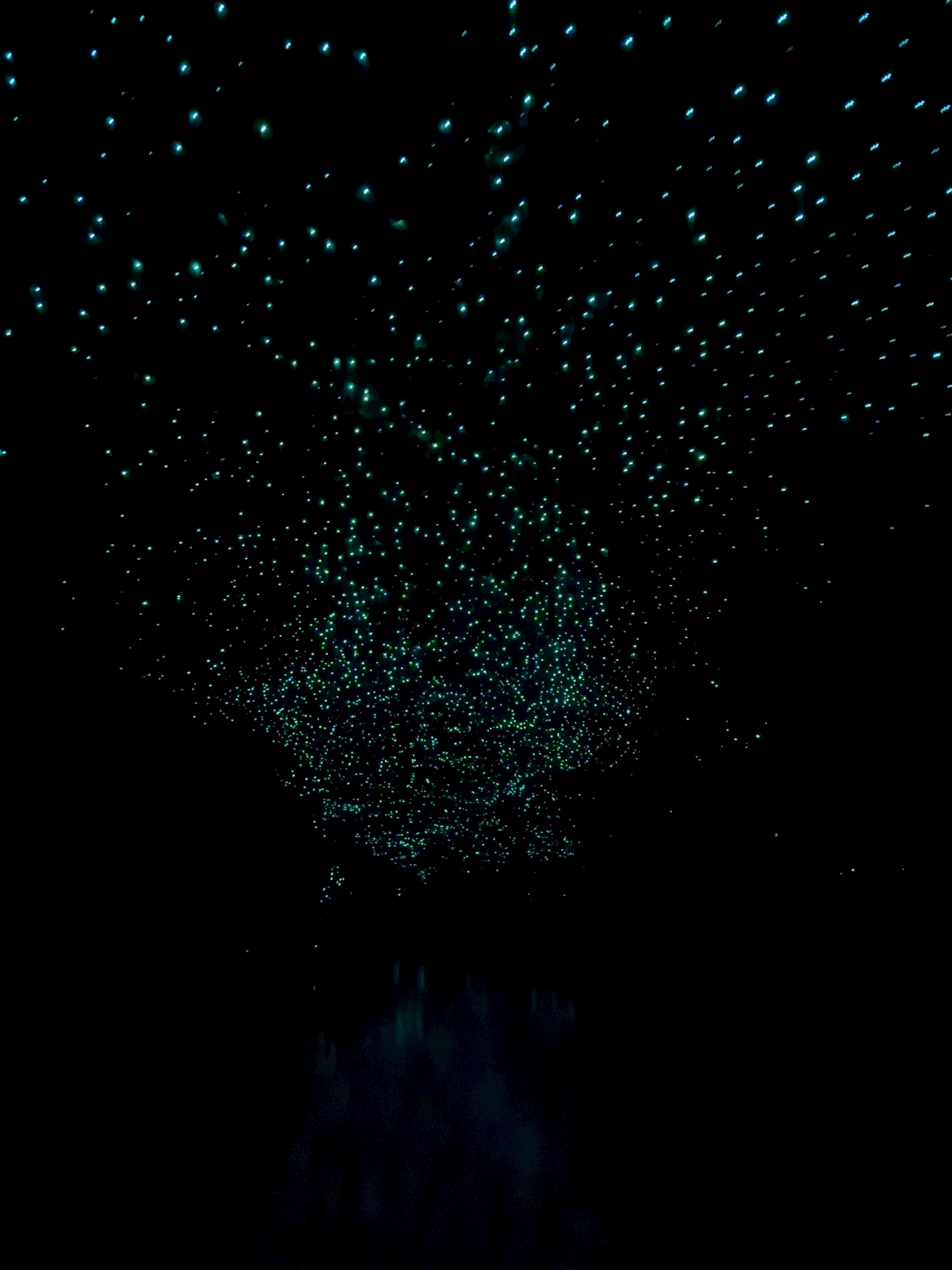
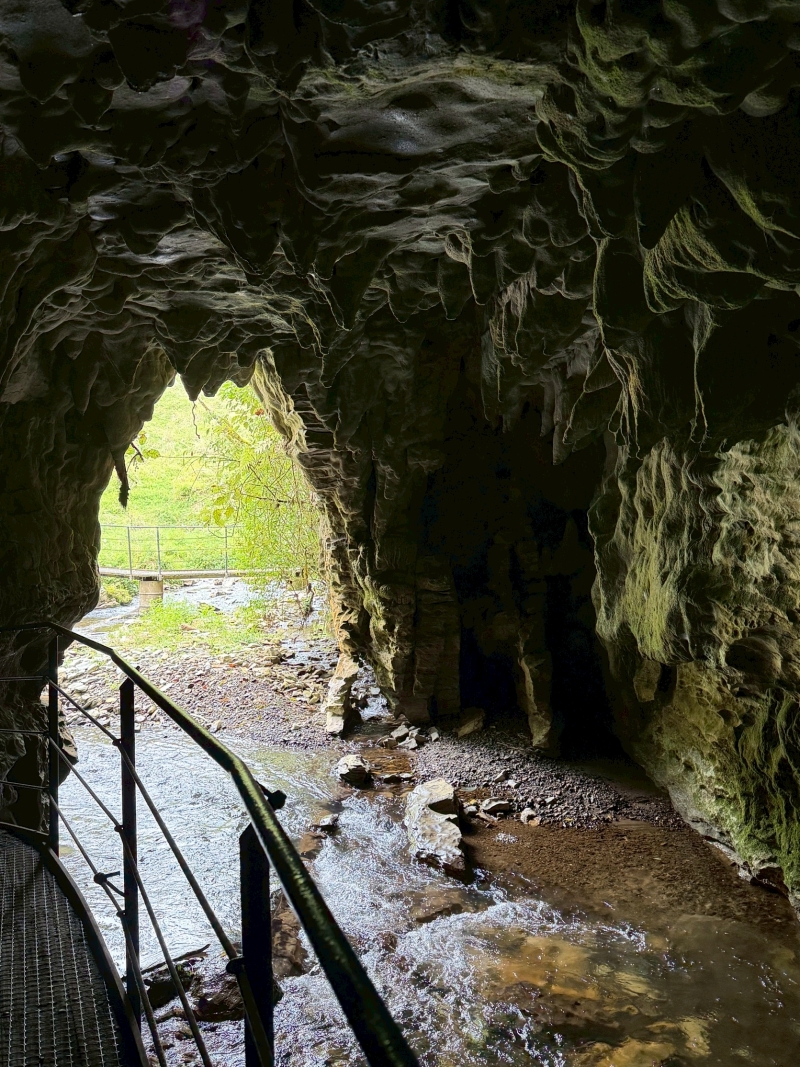
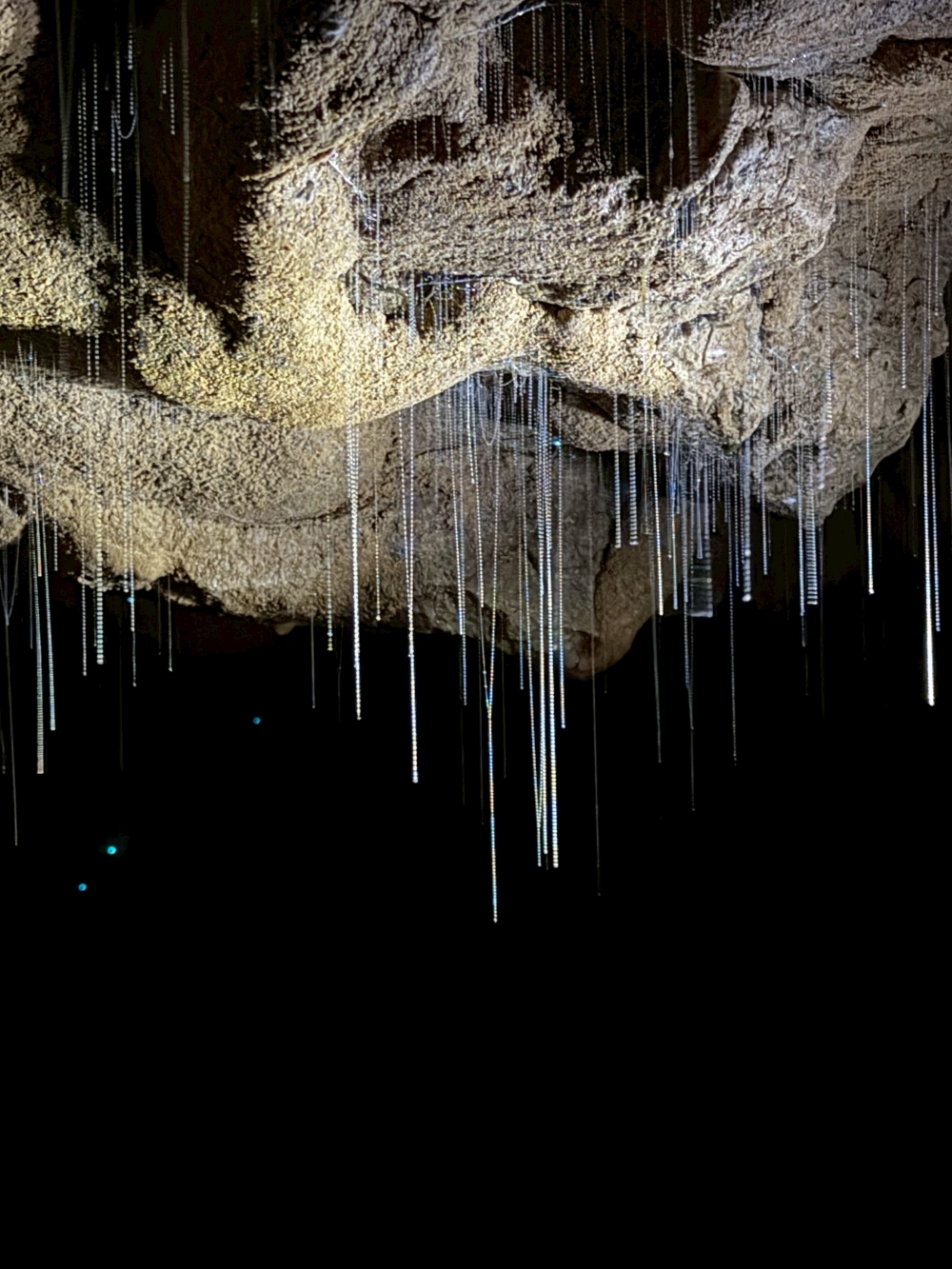
Though before getting to Rotorua, a stop at the Waitomo Glow Worm Caves is a must and I will insist you book with Spellbound Tours, simply it is another a small family-owned business. Their tours are in partnership with the Mason Family and Graymont Quarry, the cave’s owners, and tour owner Pete is a recipient of the New Zealand Order of Merit for his contribution to New Zealand tourism. He is also the first person I’ve seen pick up an eel with his bare hands and then feed it snails. Note: the tour hadn’t even started as yet!
The Essential Glowworm Tour includes a short tour of the land you’re on and a 20-minute boat ride within the cave. Though no amount of time would be good enough to see the glowworms. They are a sight to behold!
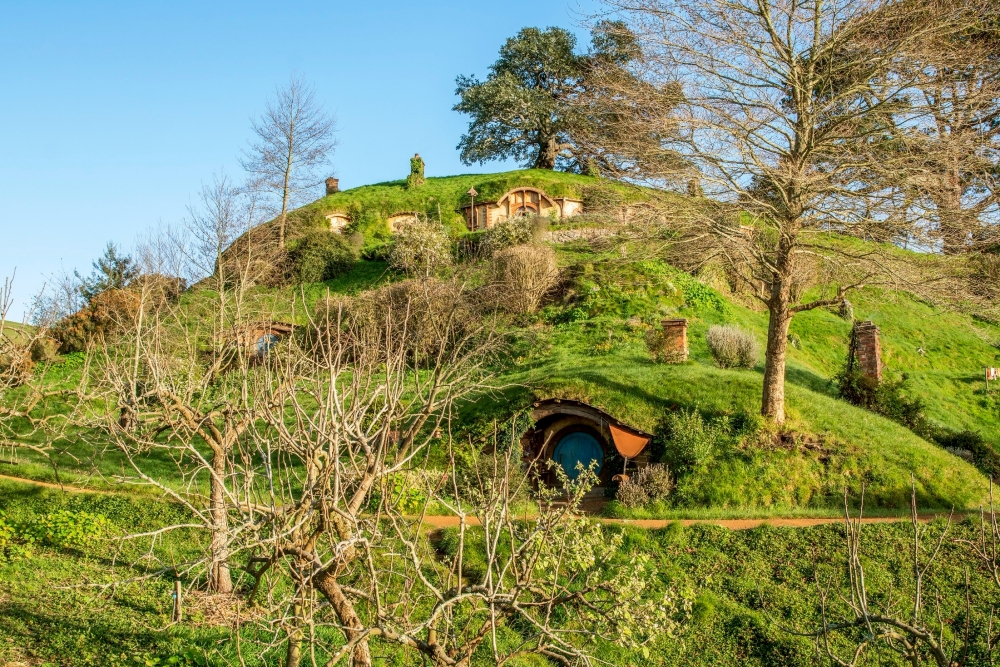
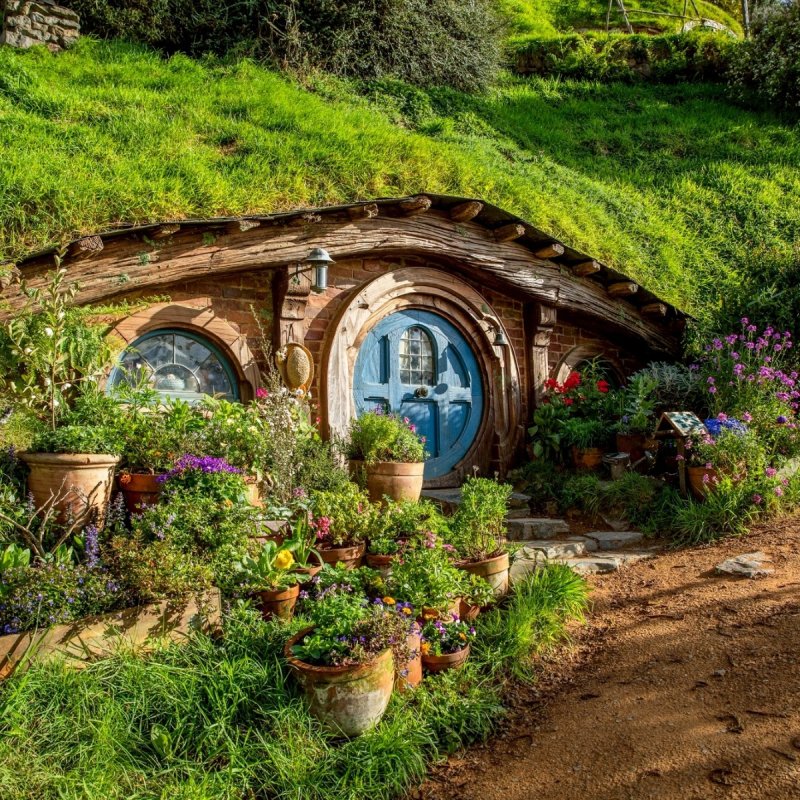
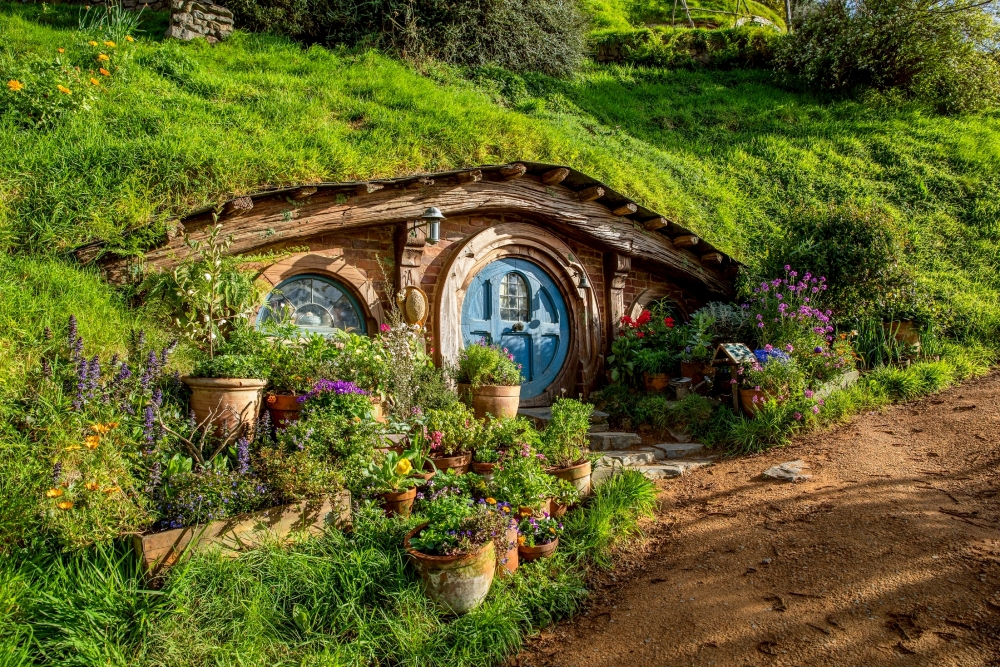
It was to be a day of magic as we headed off to Hobbiton or the Lord Of The Rings film set. Though this isn’t the original set, it was all built to replicate the original to a T. The newest attraction is the opening of one of the Shire houses where you can see how the Hobbits lived. The tour of Hobbiton takes 2.5 hours, though I did not want to leave and would have moved in, if allowed. I am not even a fan of the movies, so imagine if you are!
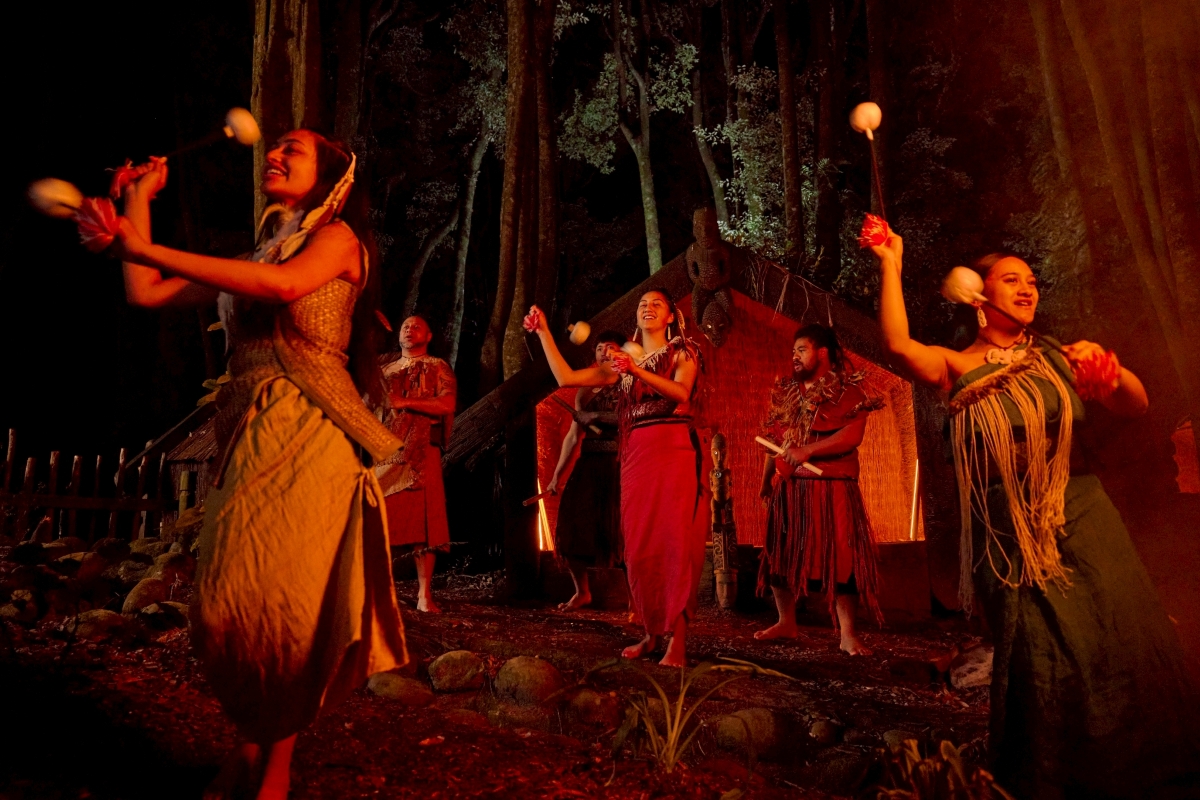
Once the tour is done, it’s back into the van towards Rotorua to prepare for an evening of immersion into the Maori culture. Rotorua is the heart of Māori culture in New Zealand, combining indigenous traditions with geothermal activity. Each of the Maori villages are run and owned by Maori families and Te Pā Tū is no different.
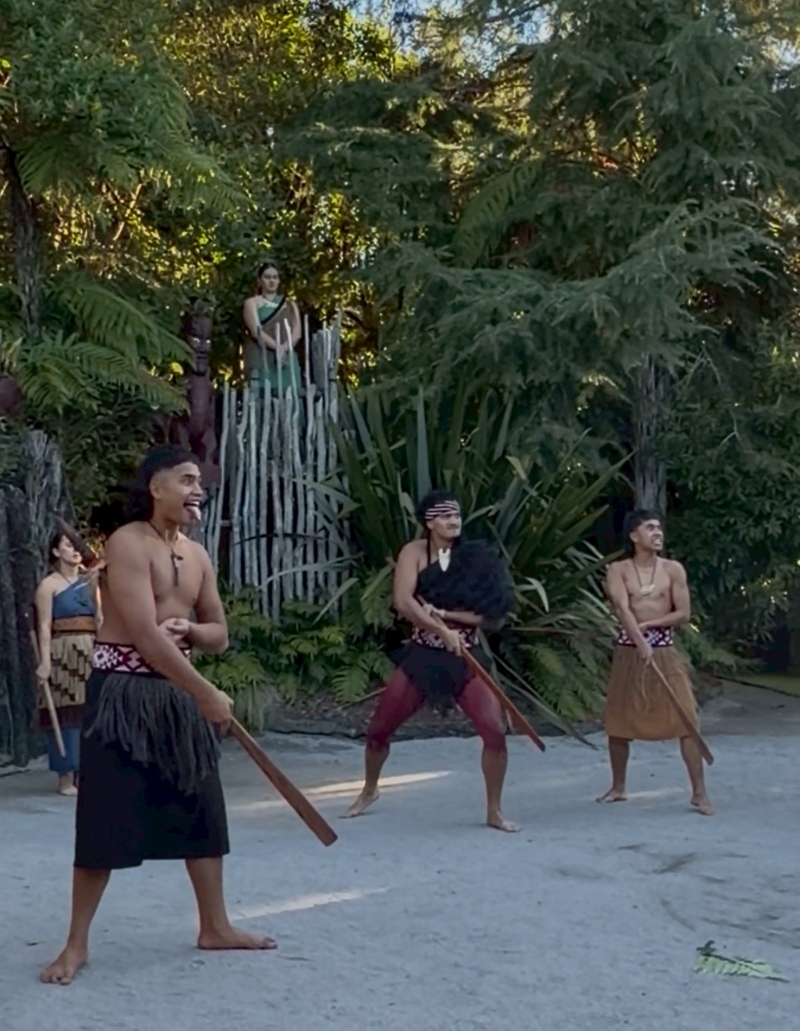
Once you’re in the village, you’re given a traditional Maori welcome with an explanation of the significance of each tradition. This is followed by an engaging evening of Maori games, snacks, folk songs, dancing and performances. The evening concludes with a traditional Hangi meal, where the food is buried in a pit below ground and is cooked using the natural volcanic heat and a combination of steam heating. There are meats and vegetables and is served Chinese banquet-style at each table. Though the dishes are quite modern, so fear not.
A trip to Rotorua wouldn’t be complete without a stop at the “birthplace” of tourism in Aotearoa New Zealand — Waimangu Volcanic Valley. Beautiful walking and hiking trails weave through a natural volcanic system and a narrated boat cruise around Lake Rotomahana takes you to the final resting place of the legendary pink and white terraces.
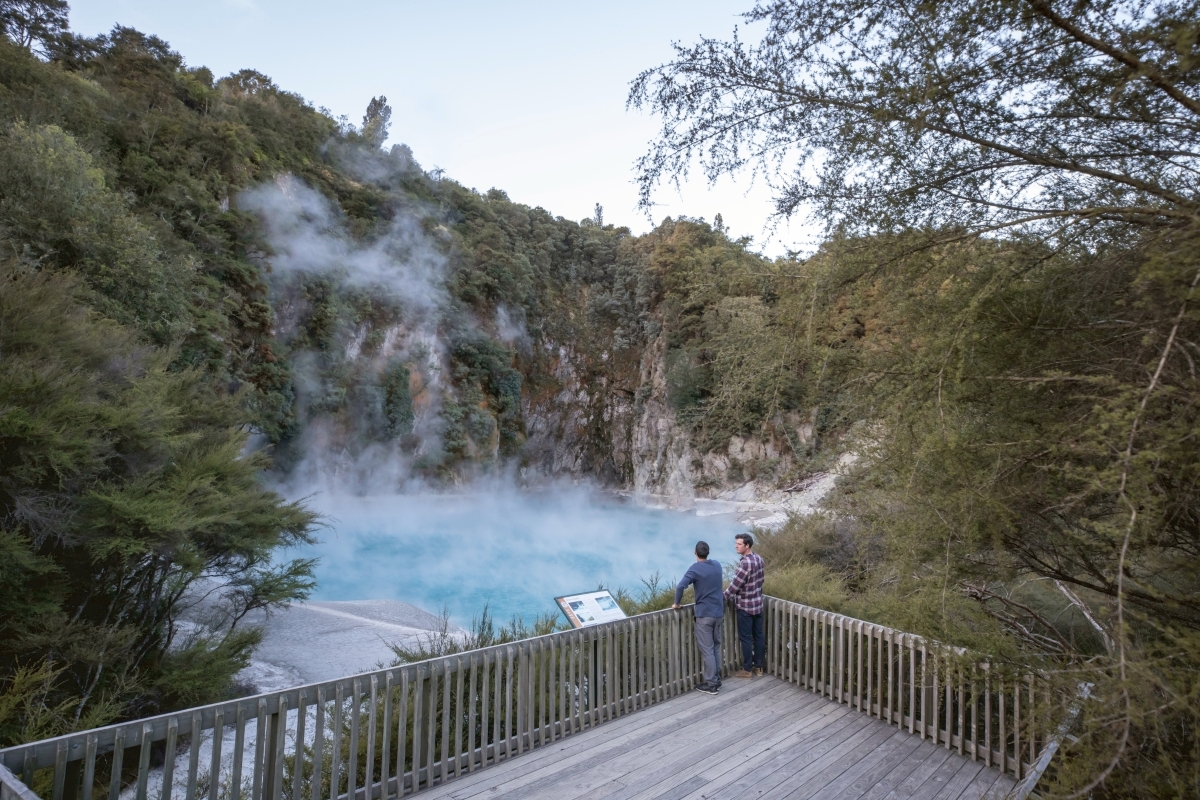
A visit to Te Puia is one that is also a must, if only to see the kiwis (the birds not people), as they are hard to spot anywhere else. The Te Rā guided experience is a 90-minute tour through the geothermal valley of this Maori village, Kiwi Conservation Centre and the New Zealand Māori Arts and Crafts Institute, followed by a 30-minute cultural performance in a carved meeting house. There is a hāngī buffet lunch on offer, should you want to make half a day of it. I would suggest it as the afternoon is all about indulgence.
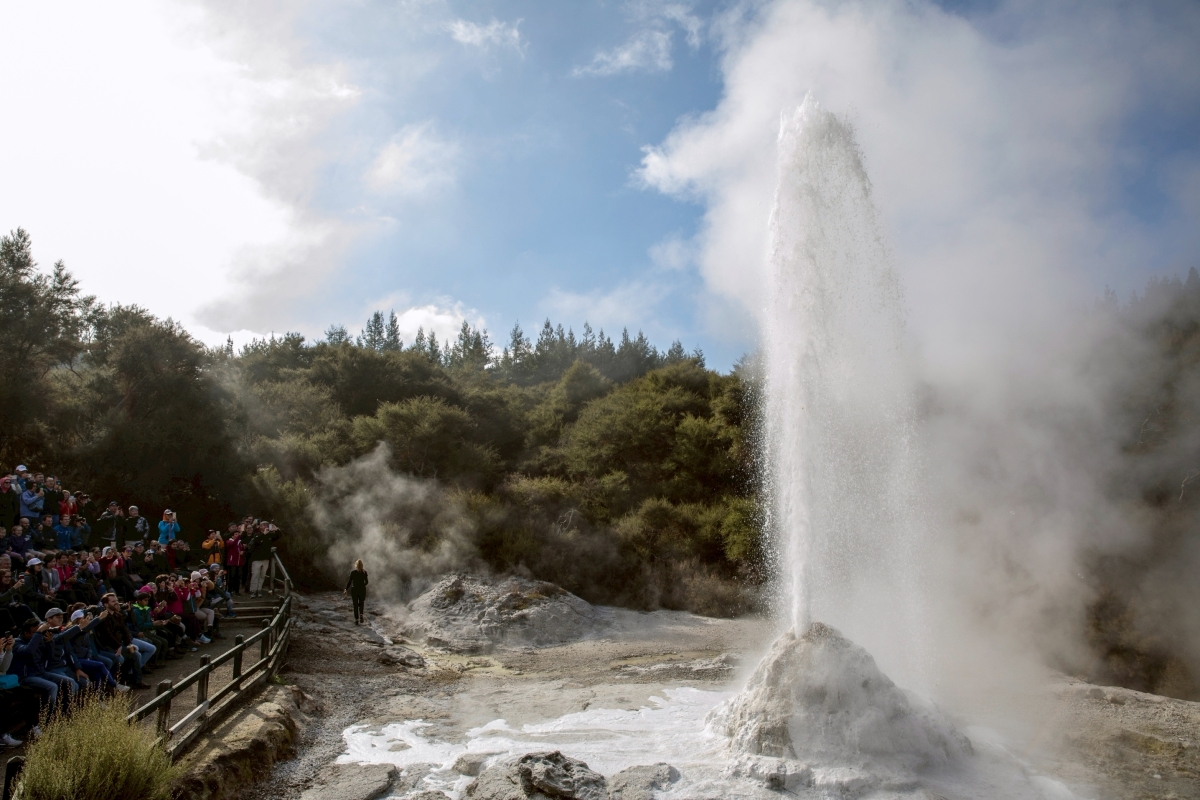
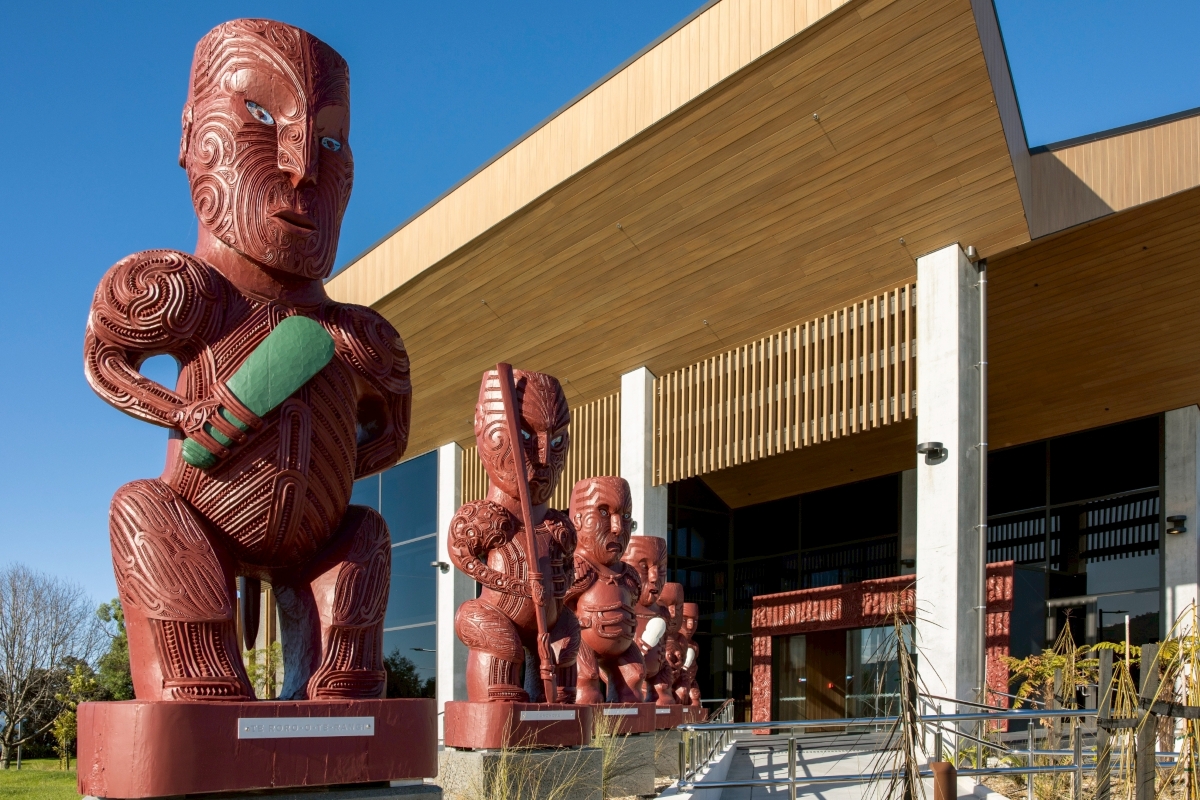
There is no point in viewing all that geothermal activity if one isn’t going to experience it. Hence, a trip to Wai Ariki, on the shores of Lake Rotorua, is the best way to spend an afternoon in Rotorua city centre. A luxury Māori cultural wellness destination, Wai Ariki is built on the legacy of Ngāti Whakaue healing practices. The two-hour restorative journey offers the healing elements of geothermal heat, water, mud and steam. Curated to rejuvenate mind, body and spirit, the seven-step therapeutic journey draws on the centuries-old legacy of Ngāti Whakaue practices and culture.
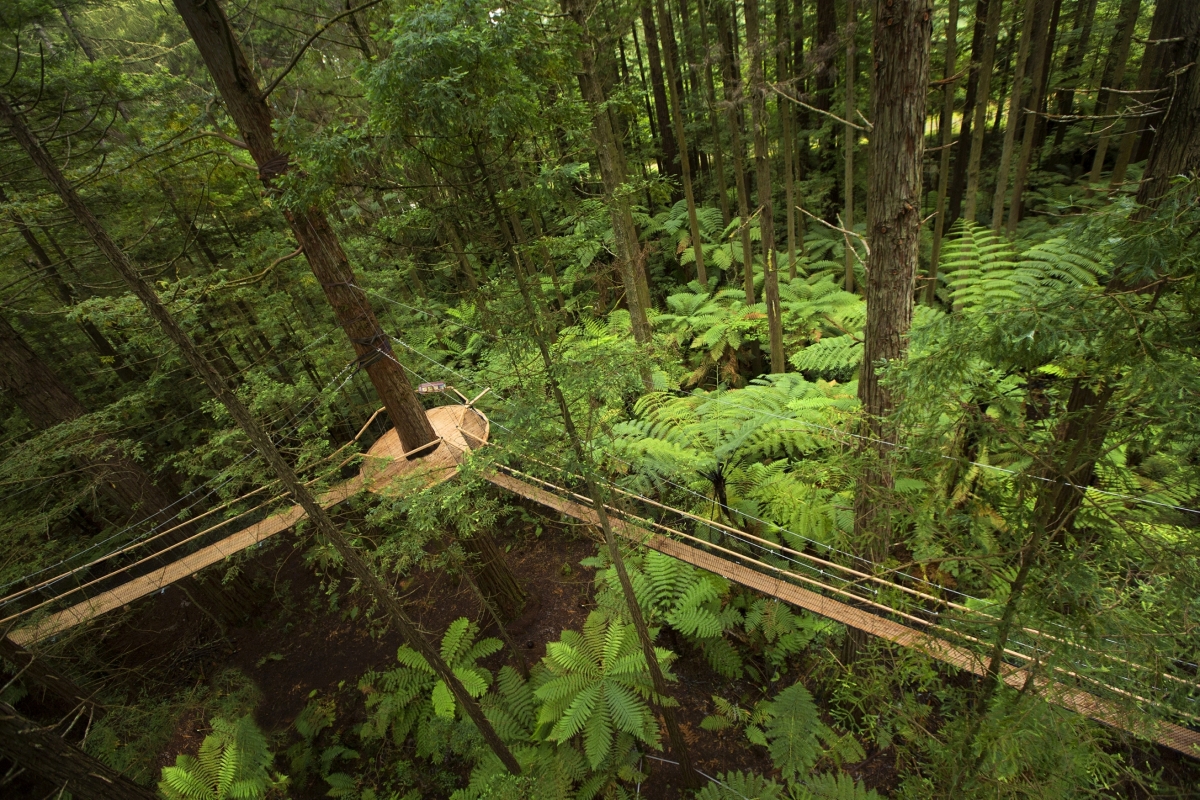
It would be a shame to leave Rotorua and not do some redwood forest bathing. The Redwoods Whakarewarewa Forest is a 5,600-hectare home to the oldest exotic forests in New Zealand. What began in 1901 as an experiment to test the suitability of different native and exotic forest species for commercial planting has become the Redwoods Whakarewarewa Forest It’s a serene place to unwind and rejuvenate your senses — literally taking you to new heights.
Taupō
While still on the geothermal belt, the next stop would be a delightful small town on banks of New Zealand’s largest freshwater lake — Lake Taupō. Fun fact: The lake is roughly the size of Singapore…. how is that for scale?!
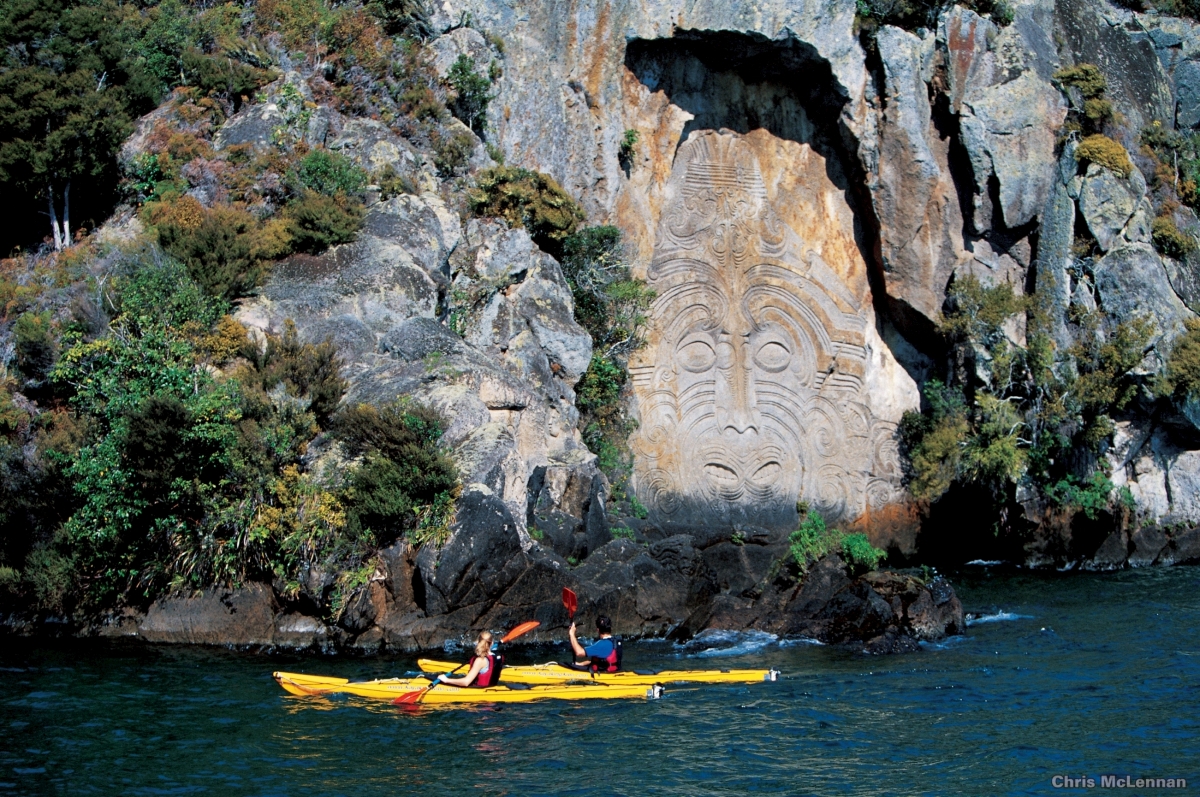
The long promenade makes sunset walks enjoyable though nothing beats a boat ride to the middle of the lake to have a look at all the pretty houses that dot the hills on the lake shores and the Ngātoroirangi Mine Bay Māori rock carvings. The Mine Bay Māori rock carvings can only be reached by boat and are best viewed up close from a Chris Jolly boat.
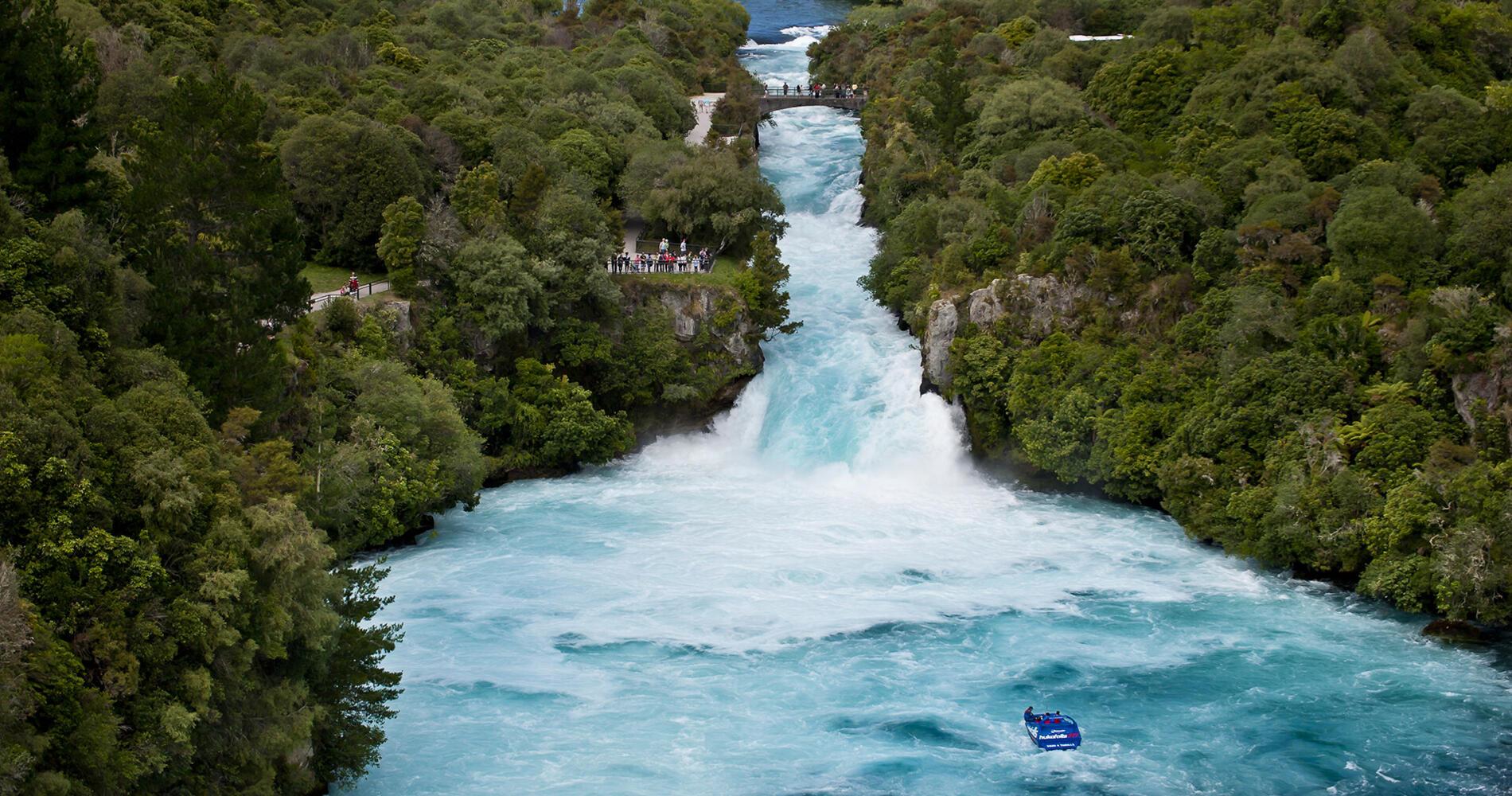
One of the main tourist spots in the area are the Hula Falls, which are breathtaking. New Zealand seems to do that a lot.
The Huka Falls on the Waikato River is one of the area’s offers a free look at watching huge volumes of water pass through the rock canyon and down the falls. The gushing sound of water, which roars, as it goes along, is oddly calming and I could have stared at this for hours. Around the falls are hiking trails and if you’re a walker, you can walk from town to the Huka Falls in around two hours.
Though the fun way would be to take a jet boat. Run by Te Pā Tū, the Rapids Jet offers a thrilling 35-minute jet boat ride. Enjoy exciting spins and splashes of Waikato’s pure blue water, while getting a view of the Aratiatia Rapids. Wet and wild comes to mind!
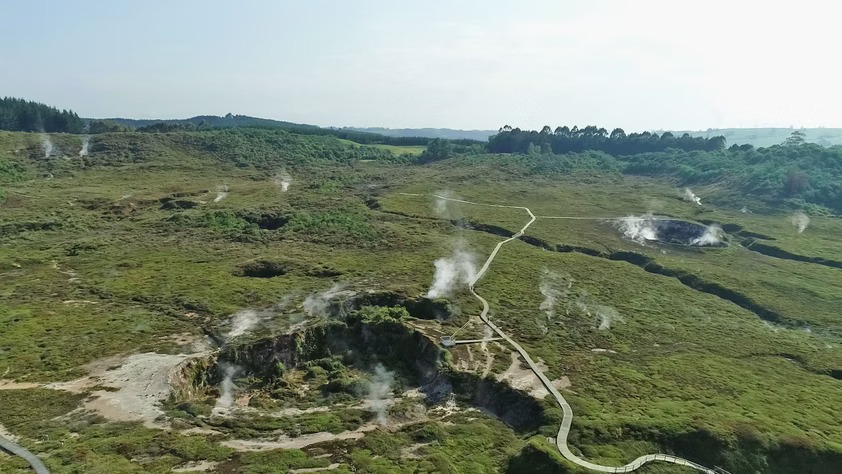
While we are on the geothermal belt and I couldn’t get enough, a visit to Craters Of The Moon is a must (if only for the name, too!) The attraction gives you access to a large area of thermal activity accessed by one boardwalk. It is probably as close to geothermal activity as you can get without being supervised. Unlike those in Rotorua, this area is moody (the overcast day also helped), smoky and smelly, with the sounds of boils, bubbles and the occasional burst of geysers. You’re immediately aware of why it was named Craters Of The Moon. Stunning.
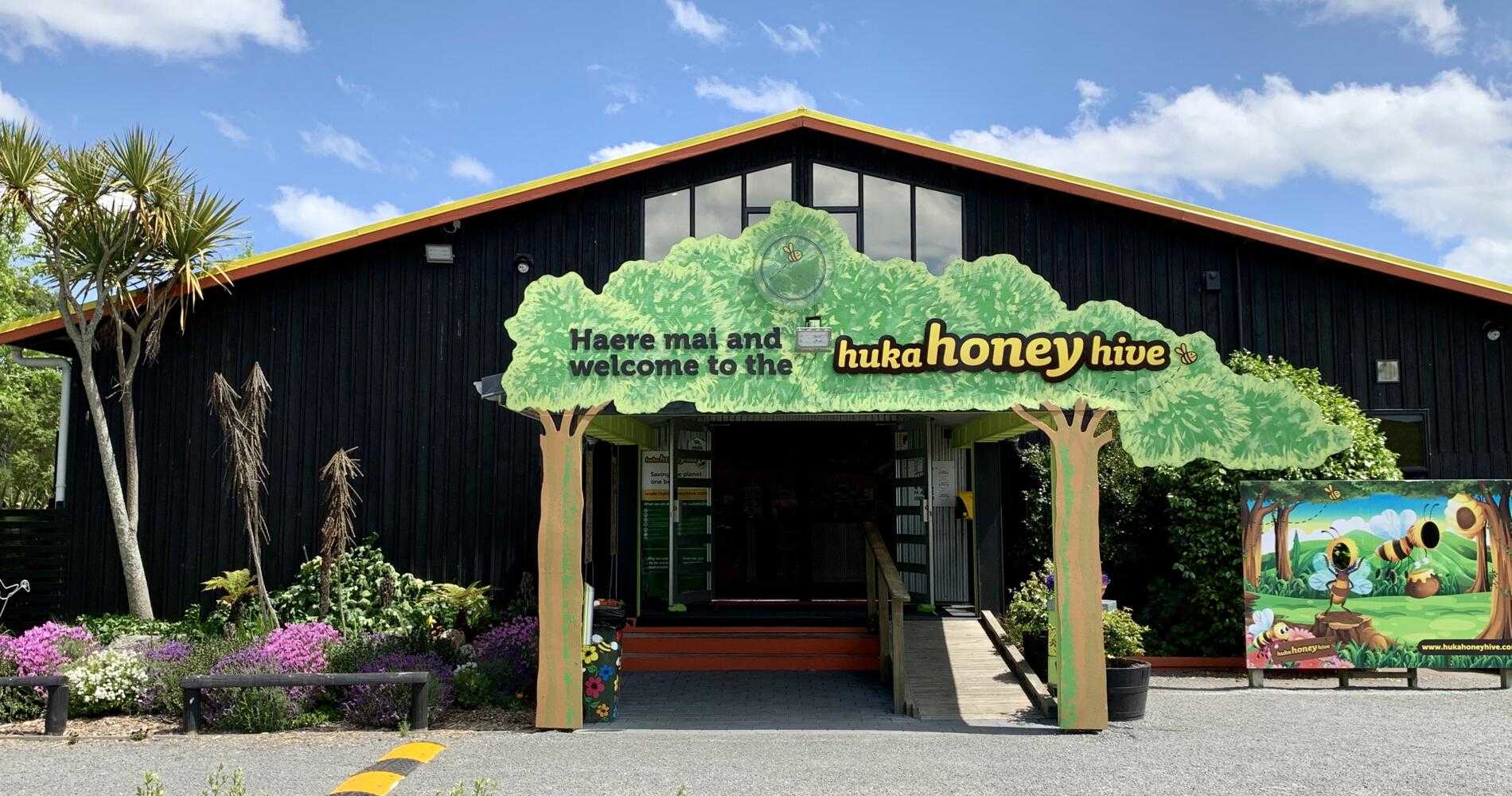
Another stop that is an absolute must is to the Huka Honey Hive. It is no secret that New Zealand is known for the queen of all honeys — Manuka. It is also no secret that Manuka is one of the world’s most expensive honeys, known for its antibacterial and anti-inflammatory properties. The Huka Honey Hive offers a glimpse (and a tasting) of all the honeys made in New Zealand, including Manuka. It also has one of the most reasonable pricing for the honeys. Apart from honey, you can also buy (and taste) spirits and liqueurs made with money and a small masterclass in the working of bees.
Nothing is better than rounding a holiday in Taupō than having a good dinner at Embra, which is in a residential house that blink and you’ll miss it. Embra offers modern Kiwi cuisine with French and British cooking techniques and locally-grown and sourced produce.
Taking a flight out of Taupō to Auckland is a must, for the airport and the plane. Living in Southeast Asia, I am used to small airports, though this one may be even smaller.
When planning a trip to New Zealand, make sure to visit the Tourism New Zealand site as it offers a host of itineraries to suit all budgets. Though nothing will prepare you for the beauty of the place and people in a land that’s further than down under.
Getting there
From Thailand, the best and easiest way to get to New Zealand is via Singapore. Thai Airways plans to re-launch their Bangkok-Auckland flights in December, however due to the current fuel situation, that could be in limbo.
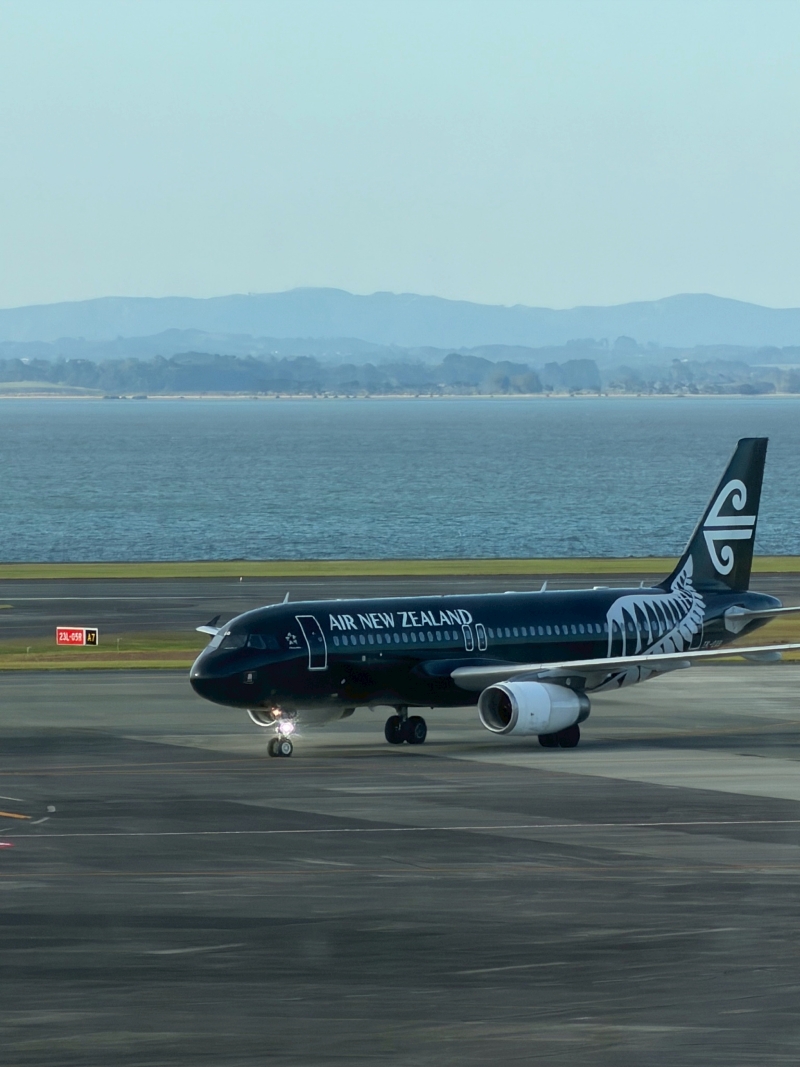
Until then take advantage of the Singapore Airlines and Air New Zealand package. Pro tip: Both are part of Star Alliance, so you can earn miles or make use of miles. Travel economy via Singapore airlines and then switch to either premium economy or business class on Air New Zealand. While the business class may have the herringbone-style seats, which offer no privacy, at least you can lie down and stretch out.
Having said that, I would love to try the Economy Skycouch. These are standard economy seats, except each has an adjustable leg rest that can be raised or lowered individually. Lift the leg rests halfway up for a perfect recline or all the way up to a 90° angle to create a lie-flat couch space.
Whichever you choose, Air New Zealand makes sure you arrive bright-eyed and bushy-tailed for your Kiwi adventure!