With bubbling earth, lush forests and Māori culture, Rotorua, a three-hour drive from Auckland on New Zealand's North Island, is an immersive city.
And by that I mean, Rotorua embraces you and gets you down and dirty with all things Kiwi, literally. Rotorua is famous for its geothermal sights (which you may smell as soon as you enter city limits) and is also a thriving centre for Māori cultural experiences. The city centre is built around the southern shores of Lake Rotorua, which is a large crater lake. A walk along the lake shore at sunset or sunrise is stunning.
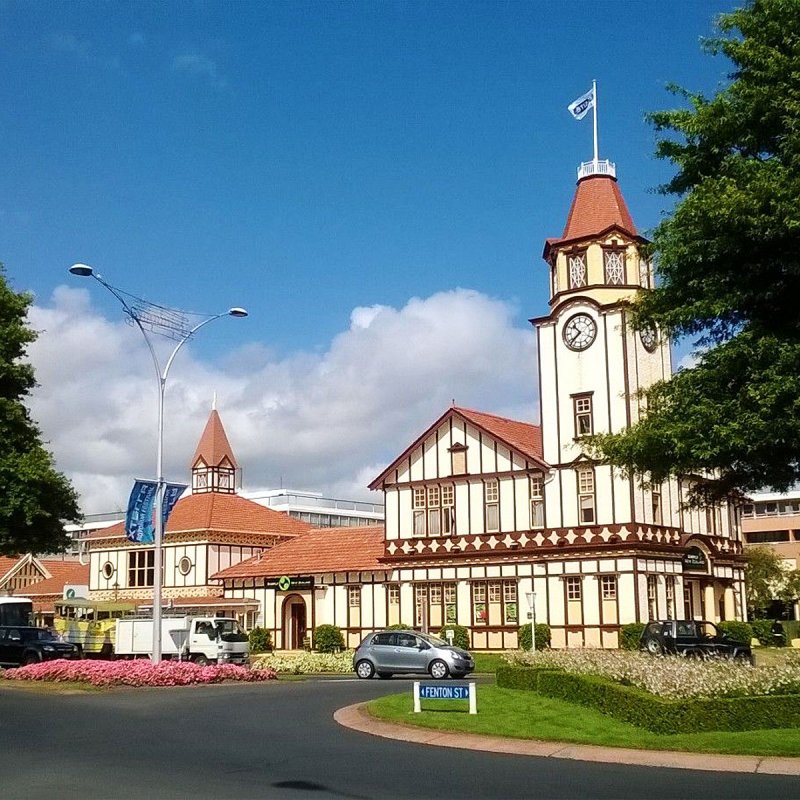
Even the visitor's centre building looks more like a historical site than an office. With a bustling food scene, there is an entire street dedicated to food called Eat Street. Though a rather unique way to have lunch is at Secret Spot Hot Tubs.
Nestled alongside the serene Whakarewarewa Forest, the place has an onsite food truck where you can choose from a menu and then eat with your feet soaking in a cedar hot tub. The Shinnie Dip tubs are free with any purchase from the food truck.
Te Pā Tū
Rotorua is the birthplace of Māori tourism, the one place to immerse in the rich traditions, customs and beliefs of New Zealand's indigenous Māori people. The first stop would be an evening spent at Te Pā Tū, which begins with the spine-tingling traditional pōhiri (welcoming ceremony). You will also experience the call of the kuia, learn to dance with poi or perform the powerful haka.
Te Pā Tū celebrates seasonal kai (food), all cooked in the traditional hāngī (steamed) way. For Māori, kai is integral to any special gathering, so you'll step into the tawa forest canopy for seasonal kai horotai (canapés) and after the fun and games have ended, a lavish three-course family-share hākari (feast).
Tū Te Ihi, available May through October, is the four-hour Matariki feast linked to the Matariki cluster of stars and marks the start of the new year for Māori. Tū Te Rā, running from November through April, is the summer offering, aligned with the maramataka, the Māori lunar calendar. It explores concepts, rituals and stories of ancient Māori warfare and of peace. Though each feast is what the Māori eat today, which is quite modern, showcasing how evolving yet traditional the culture is.
Te Puia
Another immersive, yet slightly different experience is at Te Puia, hidden within the Te Whakarewarewa Thermal Valley. A visit here also gives you a look at the ever elusive kiwis (the bird, not the people) at the specially-designed nocturnal enclosure in the Kiwi Conservation Centre, dedicated to preserving the iconic animal.
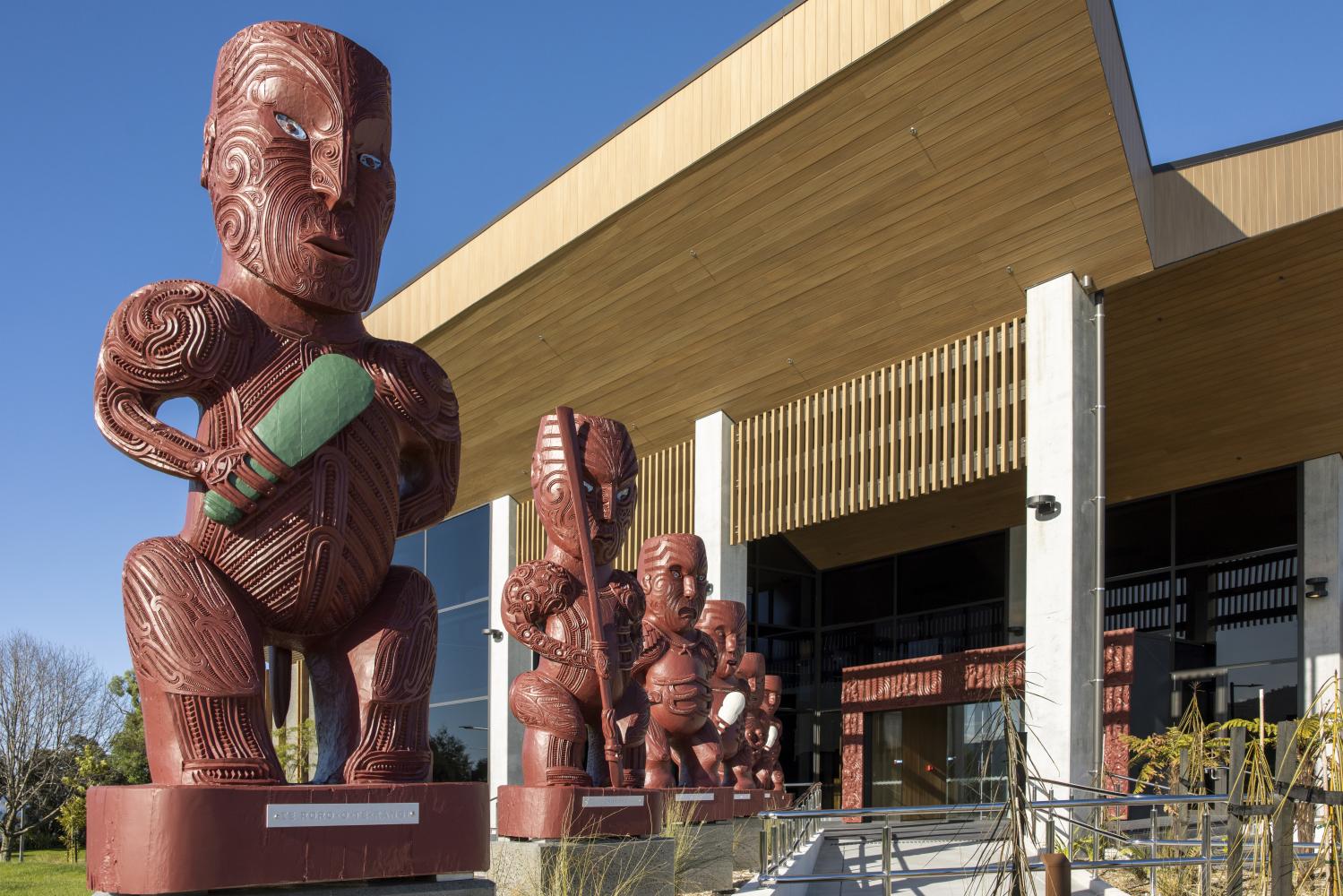
Te Puia Rotorua geothermal park. (Photo courtesy of Tourism New Zealand)
A guided tour takes you through dramatic geysers, bubbling mud and beautiful native bush, where you'll be introduced to the trees that produce the honey that New Zealand is so well known for -- manuka.
On the walk, you can get up close (though not personal) to the Pōhutu Geyser, the largest active geyser in the southern hemisphere.
If you manage to take your eyes off the geysers, you can also catch carvers and weavers keep traditional skills alive at the New Zealand Māori Arts and Crafts Institute, where students learn weaving, wood, stone and bone carving. The wānanga (school) serves as a beacon for indigenous culture and don't worry, there is also a shop and an art gallery for the fancier and more expensive works.
At Te Puia, you can also witness a Haka though it may vary from Te Pā Tū and are treated to traditional Māori cultural performances. To end your visit, dine at Pātaka Kai Restaurant, which overlooks the geothermal valley.
Wai Ariki Hot Springs and Spa
New Zealand's only luxury Māori cultural spa, on the shores of Lake Rotorua and owned by local tribe Ngāti Whakaue, Wai Ariki Hot Springs and Spa is where you slow down, breathe deeply, reconnecting with yourself, nature and with the healing geothermal waters.
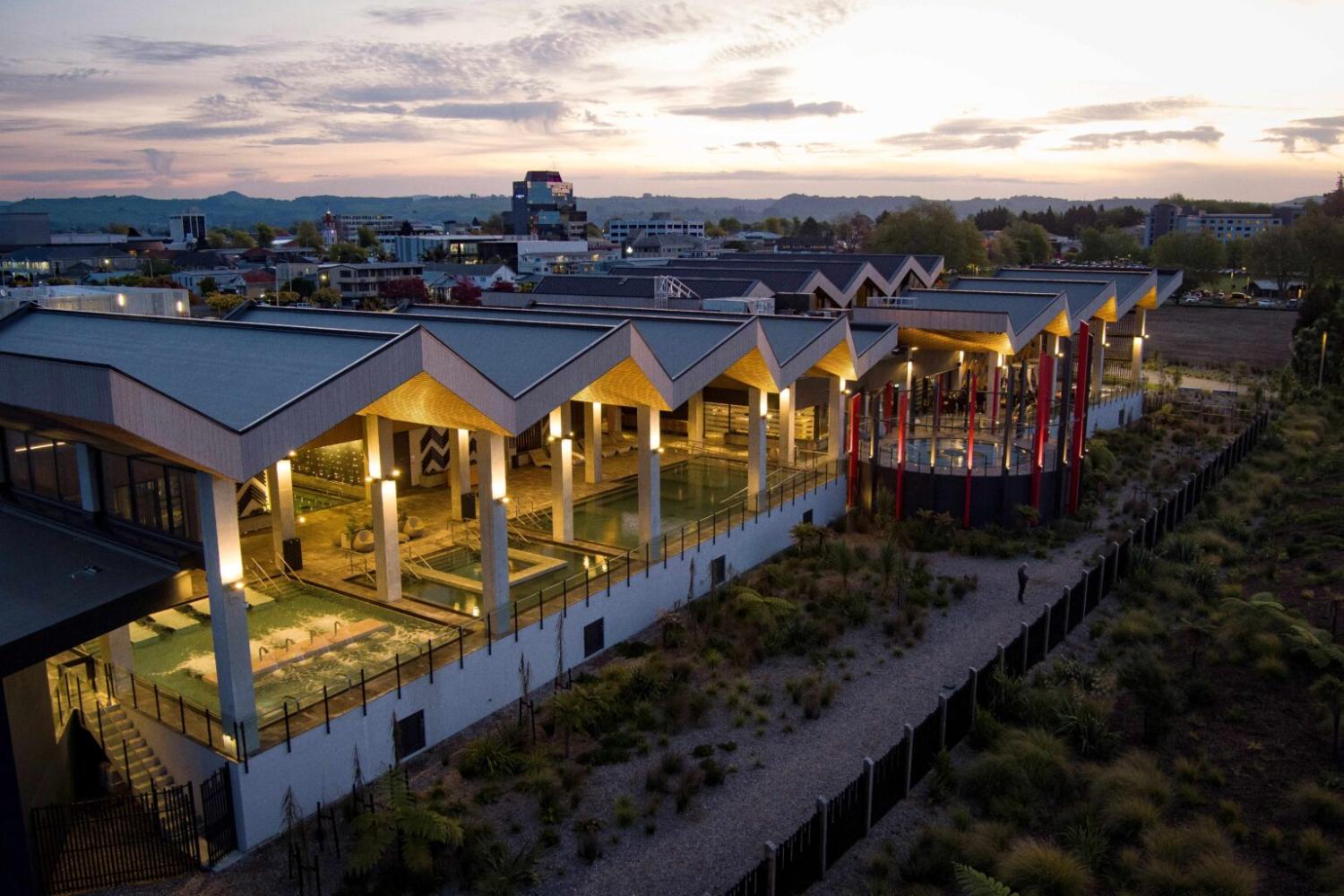
Wai Ariki Hot Springs and Spa. (Photo courtesy of Wai Ariki Hot Springs and Spa)
The spa features Wai Whakaora -- The Restorative Journey, a signature two‑hour, seven‑step experience blending geothermal bathing, steam, mud therapy, contrast therapy and sacred spaces. Also, enjoy the Puna Tūmataiti Geothermal Private Pools or Ngāwhā Private Baths, offering a deeply intimate geothermal soak enhanced with Māori‑infused products and therapeutic mud.
If communal destressing isn't your thing, the Āhuru Mōwai Spa Sanctuary offers luxury massage, facials and body rituals grounded in te ao Māori or native botanicals, essential oils and traditional healing practices.
Waimangu Volcanic Valley
Between the 1840s-1880s, Rotorua was a magnet for travellers drawn by the allure of a spectacular geothermal wonder -- the Pink and White Terraces. These breathtaking silica formations, often hailed as the Eighth Wonder of the World, featured cascading pools of hot, mineral-rich water that offered the perfect setting for a rejuvenating bath.
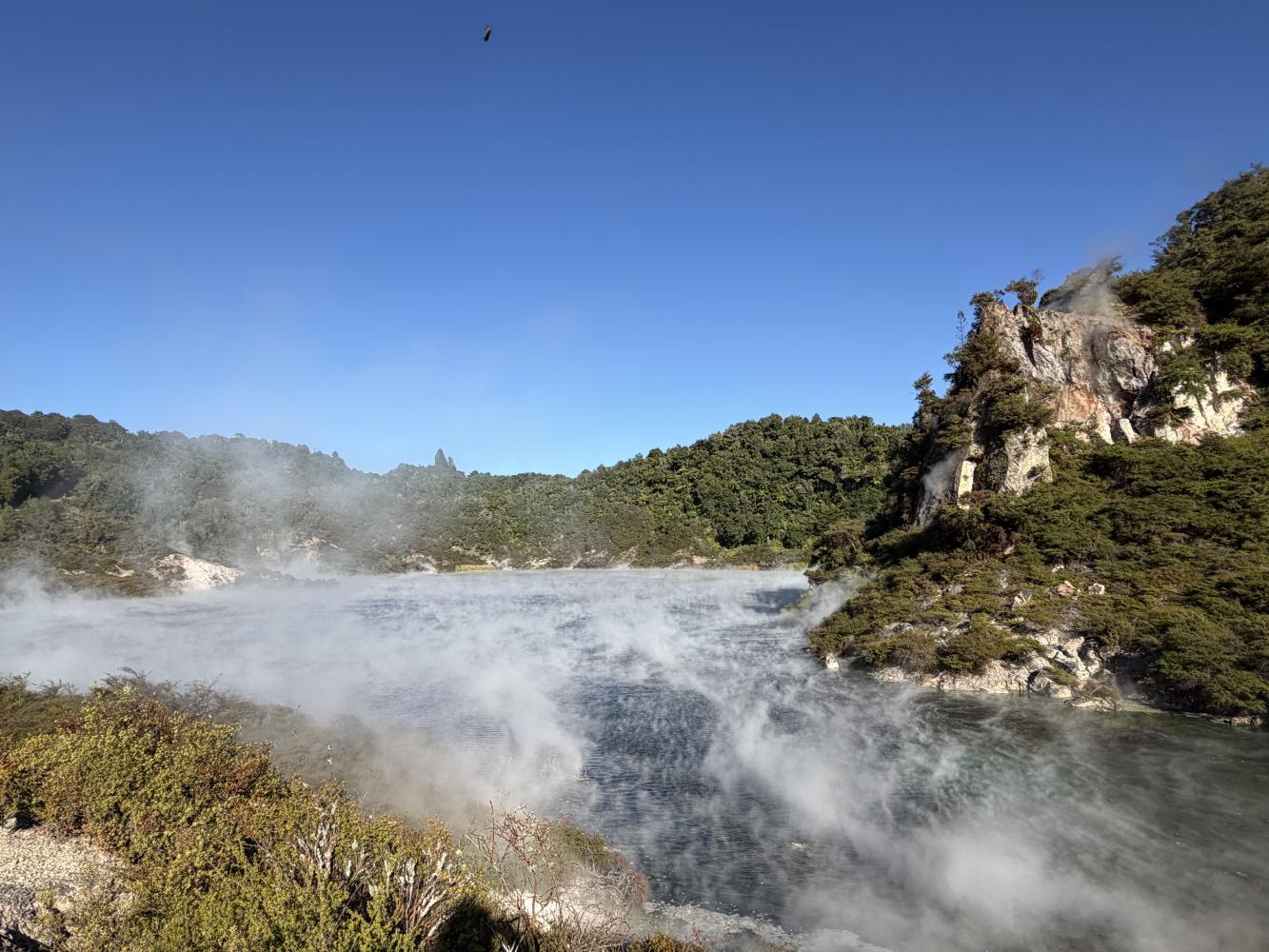
Waimangu Volcanic Valley. (Photo courtesy of Waimangu Volcanic Valley)
The eruption of Mount Tarawera in 1886 may have buried the Pink and White Terraces, but left dramatic landscape changes that created the world's youngest geothermal valley. It is a place that showcases spectacular volcanic craters, enormous hot water springs, beautiful geothermal features, rare and unusual plant life, brilliantly coloured microbiology and a wide array of birds.
The two-hour, self-guided walk offers some of the best walking trails in Rotorua, set amongst awe-inspiring volcanic craters and incredible geothermal activity. It's all mostly downhill, through pristine New Zealand bush and there is nothing like it. Along the trail, you'll pass the world's largest hot spring, the Mount Haszard trail and the brilliant blue Inferno Crater.
Though it does end in a treat at the beautiful Lake Rotomahana, where you can take a 45-minute cruise at the final resting place of the Pink and White Terraces. It is a rather peaceful and exciting boat trip offering views of geothermal activity only accessible by boat and rare native birdlife.
Fear not, there is a shuttle bus to take you back up to the Waimangu Visitor Centre.
Redwoods Whakarewarewa Forest
A 5,600-hectare enchanting wonderland home to the oldest exotic forests in New Zealand, the Redwoods Whakarewarewa Forest began in 1901 as an experiment to test the suitability of different native and exotic forest species for commercial planting. Today, it is a place where forest bathing takes you to new heights.
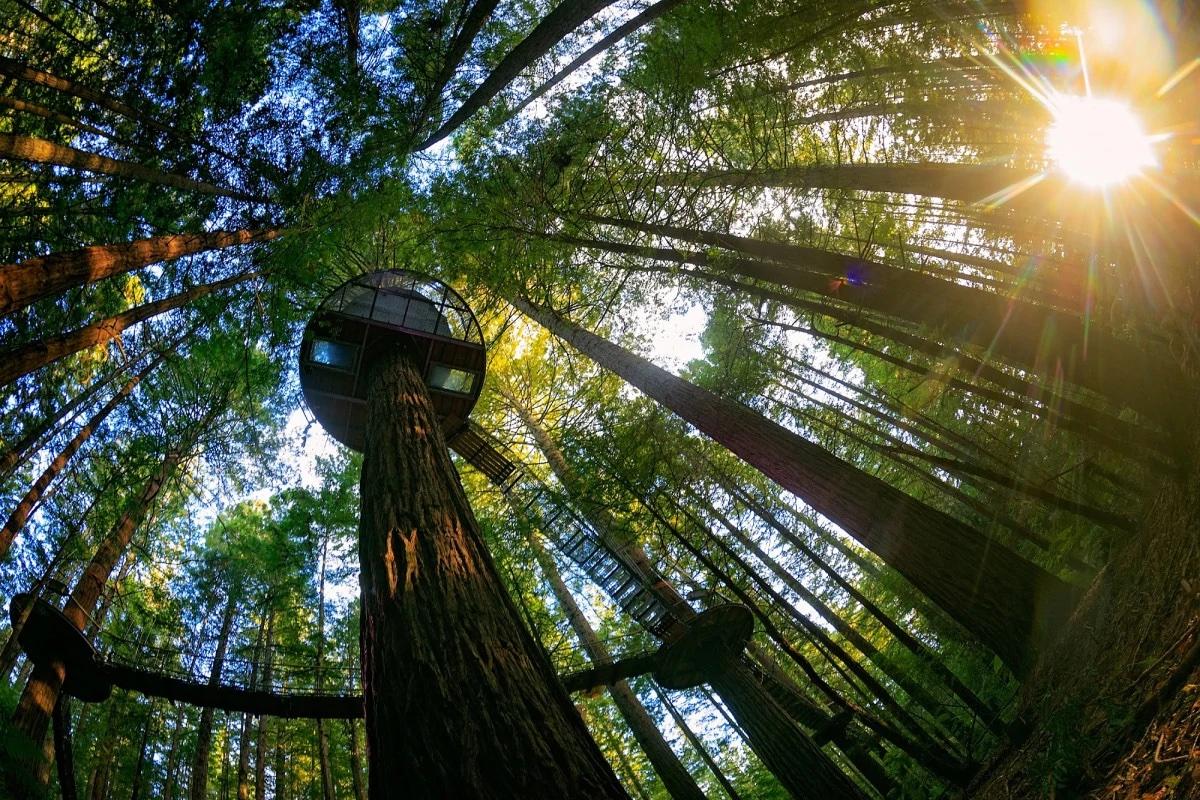
Redwoods Whakarewarewa Forest. (Photo courtesy of Redwoods Whakarewarewa Forest)
The treewalk is 700m long, spans 28 suspension bridges, has 27 platforms and takes some 40 minutes to complete if you don't stop and sit and do some forest bathing meditation, like I did.
With the walkway ranging from 9m-20m, it gives you a unique bird's-eye perspective of the forest below and the treetops above, amid the 120-year-old redwoods. Don't forget to spot the New Zealand iconic silver ferns, too!
Rotorua is where Māori culture is alive and celebrated, the earth steams and bubbles beneath your feet, and lush forests meet sparkling lakes. Whether you're unwinding in natural geothermal spas or hiking trails, Rotorua offers something for everyone, leaving a lasting impression.
Be spellbound
While travelling by road from Auckland to Rotorua, a stop at Waitomo is a must as magic awaits. Home to New Zealand's brightest glowworm caves, Waitomo has many tours that take you through the caves. However, I highly recommend the Spellbound tour and make sure to request that Pete, the owner be your guide.
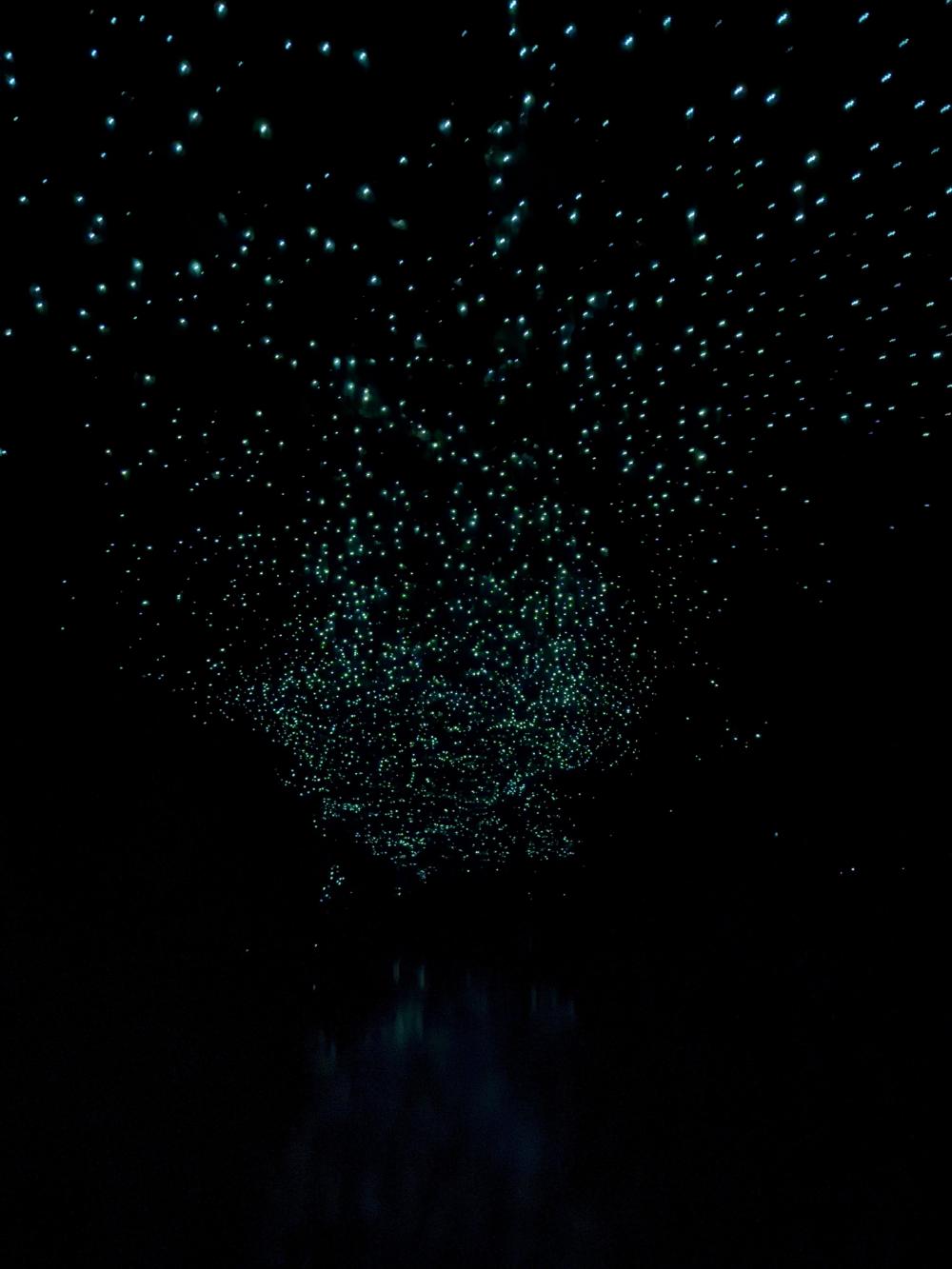
Glowworm caves in Waitomo. (Photo: Nianne-Lynn Hendricks)
There are three tours to choose from and I went for the The Essential Glowworm Tour. A short drive and walk to look at the beautiful landscape is much needed before heading downhill, walking alongside a stream to get you to the mouth of the cave. At this point, you may see Pete pick up wild eels in the stream and move them closer to the cameras to feed them snails. A sight to behold, really!
Though, it is the walk inside the cave that is the real beauty. Give your eyes some time to adjust to the darkness and once they do, lo and behold, tiny, magical flashing blue lights appear to dot the ceiling of the cave. You are quickly ushered into a small boat and taken on a 20-minute ride into the cave to see the brightest glowworms. And, fear not, Pete is well-versed in all the camera angles and settings, so you'll have plenty of proof that you were in the cave.
Fun fact: Waitomo's brightest glowworm cave as filmed by Sir David Attenborough.
In the Shire
It would be a shame not to stop over at Hobbiton enroute to Rotorua. Home of the Hobbiton Movie Set where The Lord Of The Rings and The Hobbit trilogies were filmed. Located on a 505-hectare sheep and beef farm nestled in the rolling green hills just outside of Matamata, The Shire is where Middle-Earth stands.
The Hobbiton Movie Set. (Photo courtesy of Hobbiton Movie Set)
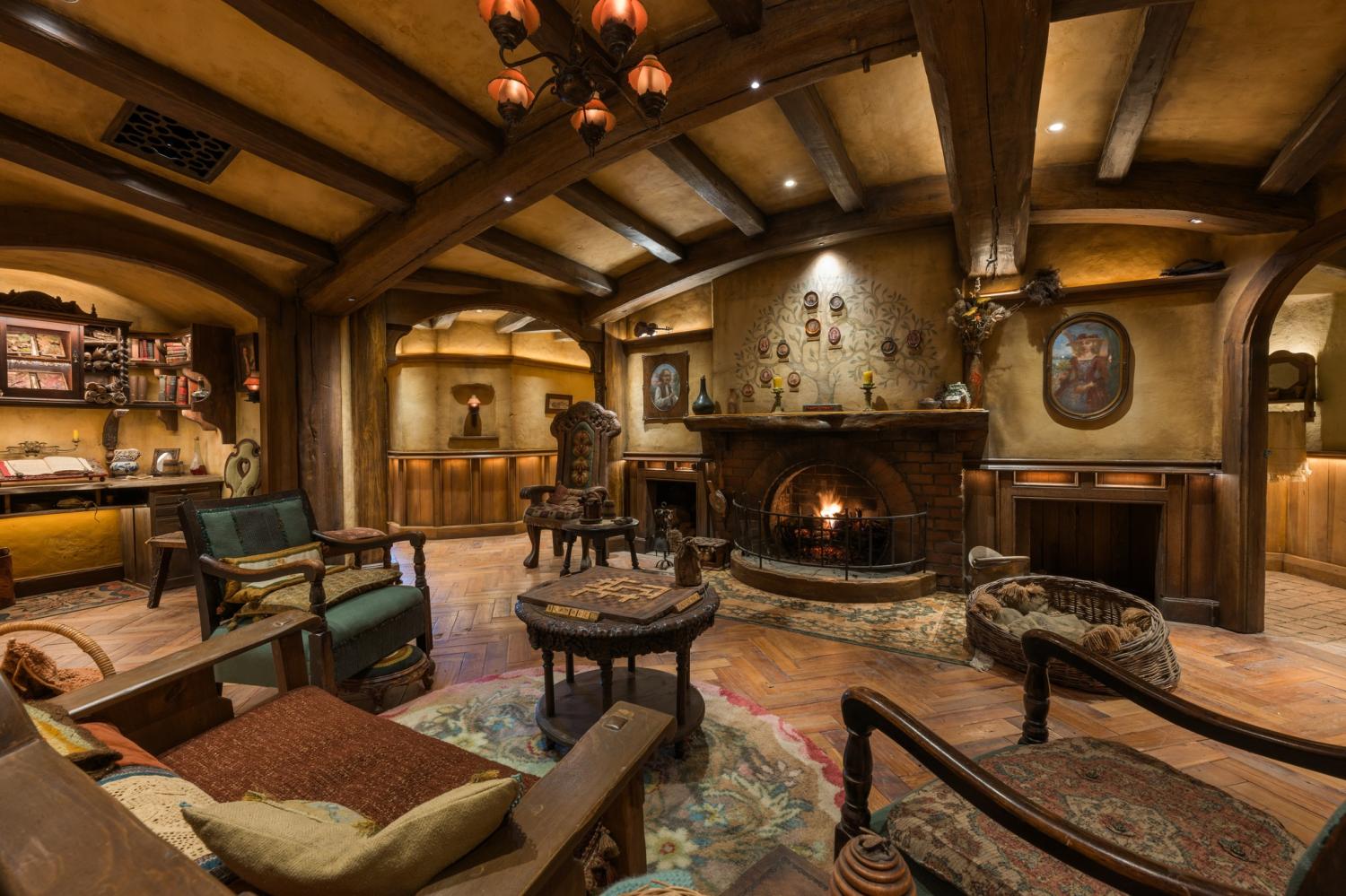
The tour takes some 2.5 hours through the movie set, showcasing the intricate details, pointing out the most famous locations and explaining how movie magic was made. Journey past the colourful Hobbit Hole doors that scatter the hillsides, including the iconic Bag End, home of Bilbo and Frodo Baggins, before arriving at Bagshot Row for a glimpse of the interior of a humble Hobbit's home.
Designed and crafted by the creative teams behind the film trilogies, Bagshot Row offers a glimpse into the charming dwellings of Hobbits going about daily life in the Shire. I wanted to move in and not leave, it is that cosy and inviting.
Continue along the pathways past The Millhouse, across the double-arch stone bridge and into the world-famous Green Dragon Inn, where you can enjoy a complimentary ginger beer from the Hobbit Southfarthing range to end the Middle-Earth adventure.