
While Thailand remains highly competitive in tourism, hospitality and wellness, competition is intensifying.
William Heinecke
Founder and chairman, Minor International
Thailand must move faster to seize its next chapter of growth
After nearly six decades in Thailand, William Heinecke reflects on the country’s strengths and what it must do to stay ahead, writes Molpasorn Shoowong
As Thailand looks ahead to its next phase of development, few business leaders have witnessed the country’s transformation as closely as William Heinecke.
The founder and chairman of Minor International arrived in Thailand as a young student and went on to build one of the country’s most successful hospitality, restaurant and lifestyle groups. Next year, Minor International will celebrate its 60th anniversary, having grown from humble beginnings into a global company operating more than 640 properties and over 2,800 food outlets worldwide.
Looking back over six decades, Mr Heinecke sees Thailand’s openness, adaptability and entrepreneurial spirit as key factors behind both the country’s development and Minor’s success.
“Thailand really welcomed me as an entrepreneur when I was very young,” he said. “It has been a very open economy and has given me a lot of opportunities.”
When he founded Minor, Thailand was undergoing rapid economic development. Rising consumer demand and an expanding economy created opportunities for entrepreneurs willing to identify unmet needs and invest for the long term.

The country’s stability, quality of life and welcoming business environment provided the confidence for companies such as Minor to grow alongside Thailand’s economy.
One of the most significant milestones, he said, was Thailand’s emergence as a global tourism destination. Improvements in infrastructure and international connectivity helped position the country on the world stage, while increasing foreign investment, export growth and industrial development diversified the economy and created opportunities across multiple sectors.
For Mr Heinecke, however, Thailand’s greatest strength has always been its people.
“What stood out most is the warmth of Thai people and their natural hospitality,” he said.
That distinctive service culture has become one of Thailand’s most important competitive advantages and has helped establish the country’s reputation as a world-class destination for tourism, hospitality and wellness.
The rise of Thailand’s soft power, from its cuisine and culture to hospitality, lifestyle and wellness offerings, has further strengthened the country’s position internationally.
“Thailand is world-class in hospitality and among the best in the world,” he said.
As Thailand enters a new era, Mr Heinecke believes the country is well positioned to benefit from several long-term global trends. Ageing populations in many countries are creating growing demand for healthcare, wellness and retirement-related services, presenting opportunities for Thailand to attract retirees and long-stay visitors if it positions itself strategically.
At the same time, advances in technology and artificial intelligence are reshaping industries across the world. Businesses and countries that successfully embrace these technologies to improve productivity, innovation and customer experience will enjoy significant advantages in the years ahead.
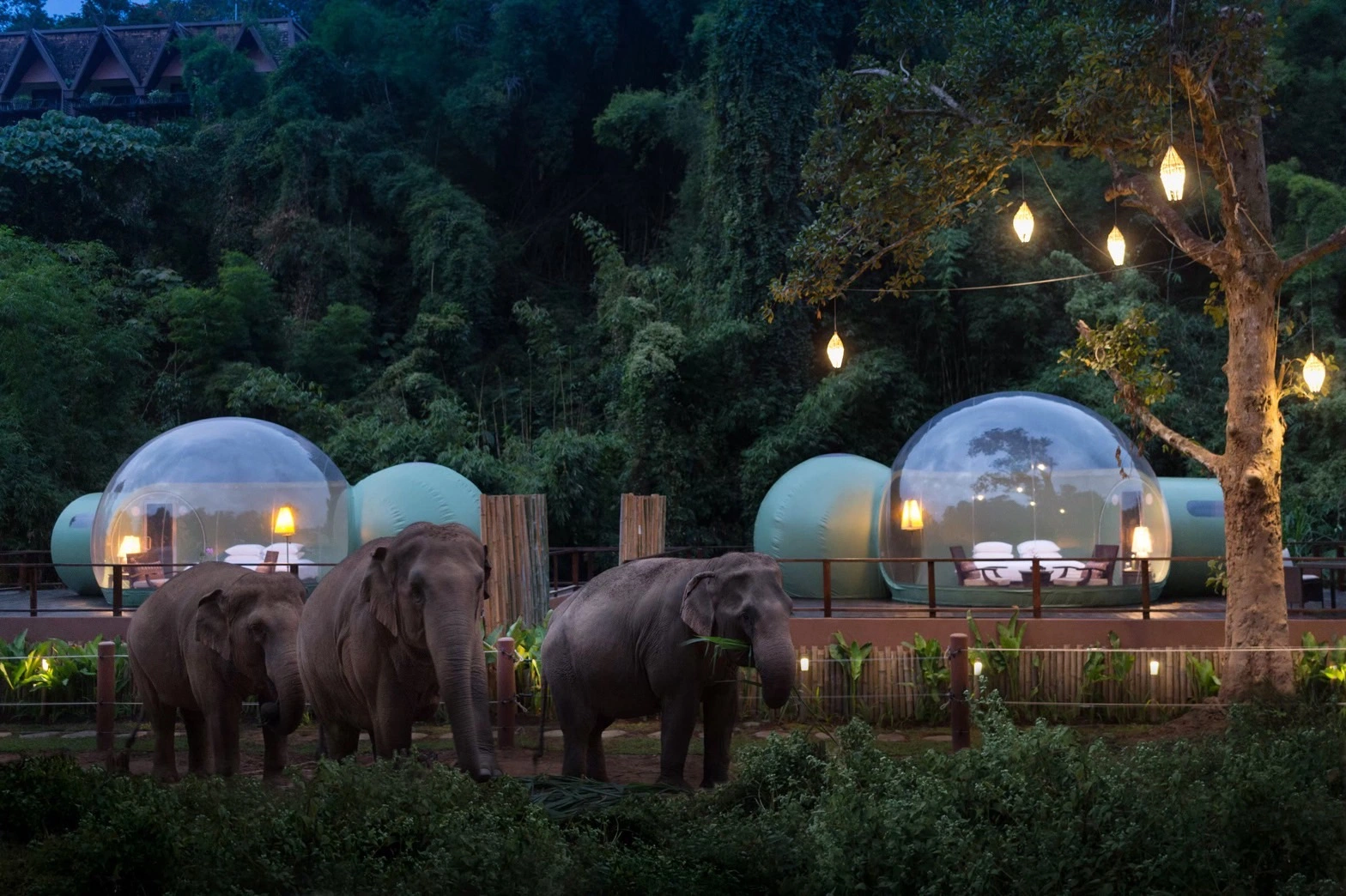
Global uncertainty is also prompting companies to diversify supply chains, investment locations and markets. In this environment, Thailand has an opportunity to strengthen its position as a stable, trusted and well-connected regional hub.
Geopolitical tensions in many parts of the world have reinforced the country’s appeal as a relatively secure location for investment and business operations.
Yet Mr Heinecke cautions that Thailand cannot afford to rely solely on the strengths that have served it well in the past.
“What gives me confidence about Thailand’s future is the Thai people,” he said. “Thais are adaptable, creative, service-oriented, and remarkably capable of building relationships across cultures.”
“My biggest concern is whether we move fast enough.”
While Thailand remains highly competitive in tourism, hospitality and wellness, competition is intensifying. Countries across the region are investing heavily in education, talent development, digital infrastructure and innovation to strengthen their future competitiveness.


To maintain its position, Thailand must continue evolving and adapting to changing global conditions.
Mr Heinecke believes the country should place greater emphasis on attracting higher-value visitors, including long-stay travellers, digital nomads, wellness tourists and entrepreneurs. Achieving this will require policies that encourage investment, improve connectivity and provide long-term consistency and confidence for businesses.
Infrastructure development will also remain critical. He points to destinations such as Phuket, where continued investment could further strengthen Thailand’s attractiveness as a global tourism and lifestyle hub.
“Businesses and investors value clarity, confidence, and the ability to plan for the future,” he said.
Looking beyond tourism and investment, Mr Heinecke believes Thailand’s future success will also depend on leadership.
The next generation of leaders, he said, must be globally minded and capable of understanding both Thailand’s unique strengths and broader international trends. They must be willing to embrace change, empower talented people and build organisations that can adapt in an increasingly complex world.
“We need leaders who empower others rather than controlling everything. The most successful organisations are those that can attract talented people,” he said.
“Equally important is resilience. Leaders need the courage to make difficult decisions, adapt to rapid change, and continue investing for the long term even during periods of uncertainty.”
After nearly six decades of building a business alongside Thailand’s development, Mr Heinecke remains optimistic about the country’s prospects. The qualities that helped Thailand succeed in the past — openness, hospitality, adaptability and entrepreneurship — remain powerful advantages.
The challenge now, he believes, is ensuring that Thailand moves quickly enough to capitalise on new opportunities while continuing to invest in the people, infrastructure and innovation needed to compete in an increasingly dynamic world.