A small beginning
(1946-1956)






























For eight decades, the Bangkok Post has stood unwavering through political upheaval and economic crises, and fulfilled our mission as the newspaper you can trust
(1946-1956)
(1956-1973)
(1973-1976)
(1976-1992)
(1992-1997)
(1999-2005)
(2005-2009)
(2009-2018)

(2018-2023)

(2024-Present)

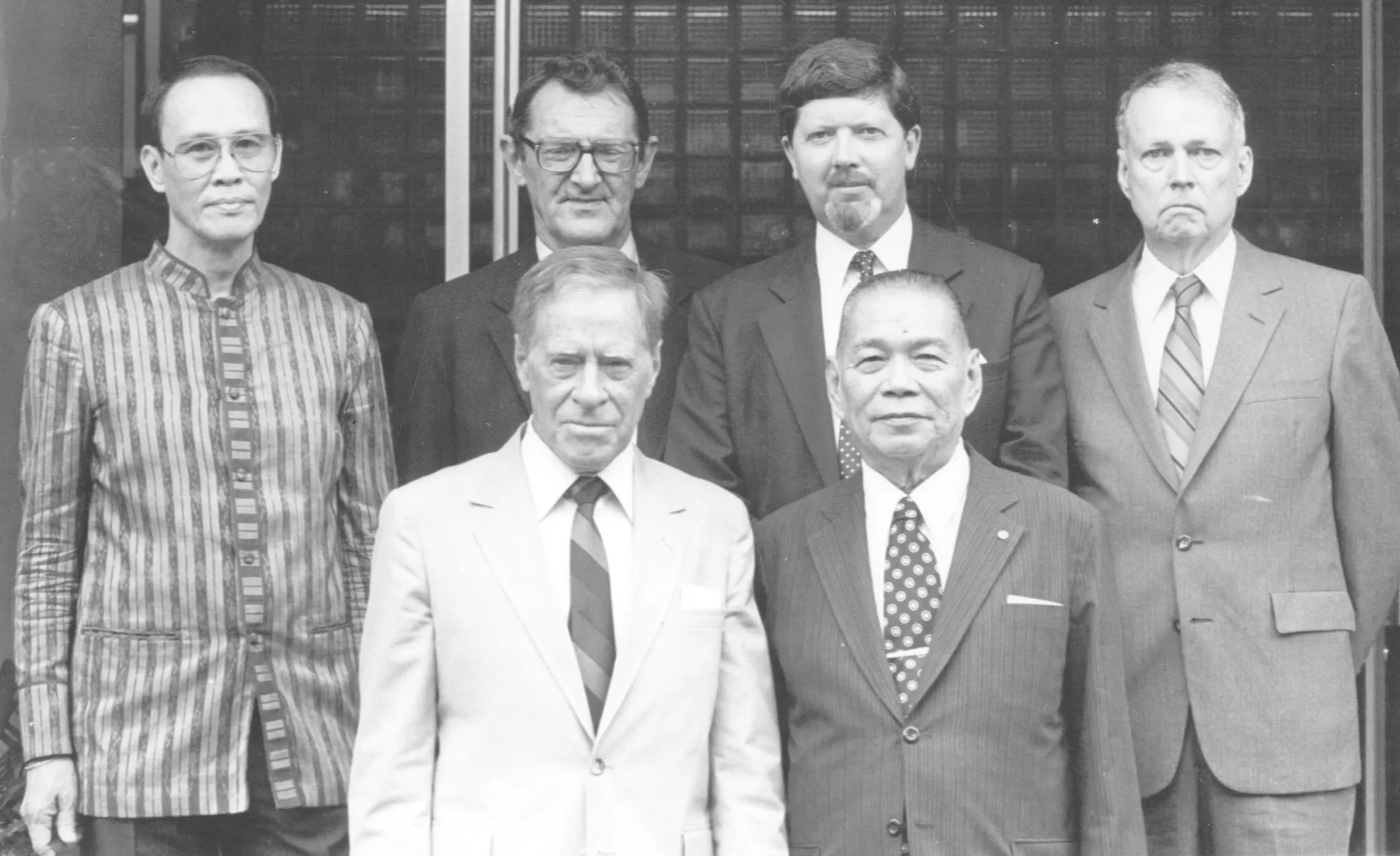
The Bangkok Post was founded by seven passionate people — Alexander "Mac" MacDonald, Prasit Lulitanond, Dr. Thawee Tavedikul, Maj Vilas Osathanon, Ajint Unhanatana, Damrong Duritrak and Chavala Sukumalnantana — working from a two-storey house on Krung Kasem Road, printing on a salvaged Japanese wartime rotary press with typefaces sourced from Singapore.
It launched on August 1, 1946 as a four-page afternoon broadsheet, with 500 copies printed for 200 paid subbscribers.
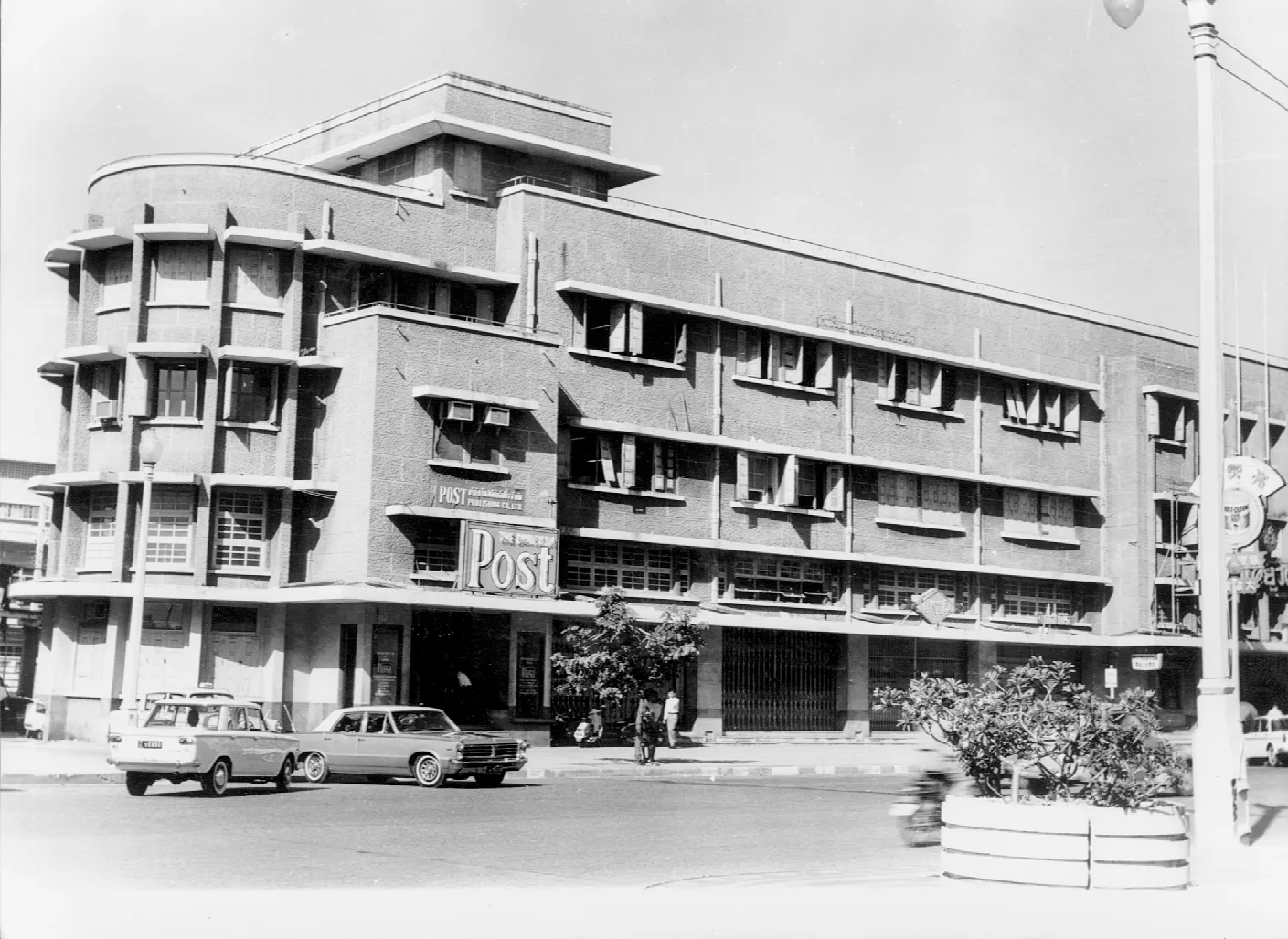
By 1962, the Bangkok Post had relocated twice, both times to addresses on Ratchadamnoen Avenue, buying a new flatbed press and two reconditioned presses along the way.
In 1963, Canadian press baron Lord Thomson of Fleet invested in the paper, boosting its capital and equipment and making it competitive with Bangkok World. The two eventually merged in 1971, with the Post serving as the morning paper as World handled the afternoon.
The Bangkok Post saw production shifts in the following years. At Ratchadamnoen, the production process changed from arranging metal type to punched paper tape.
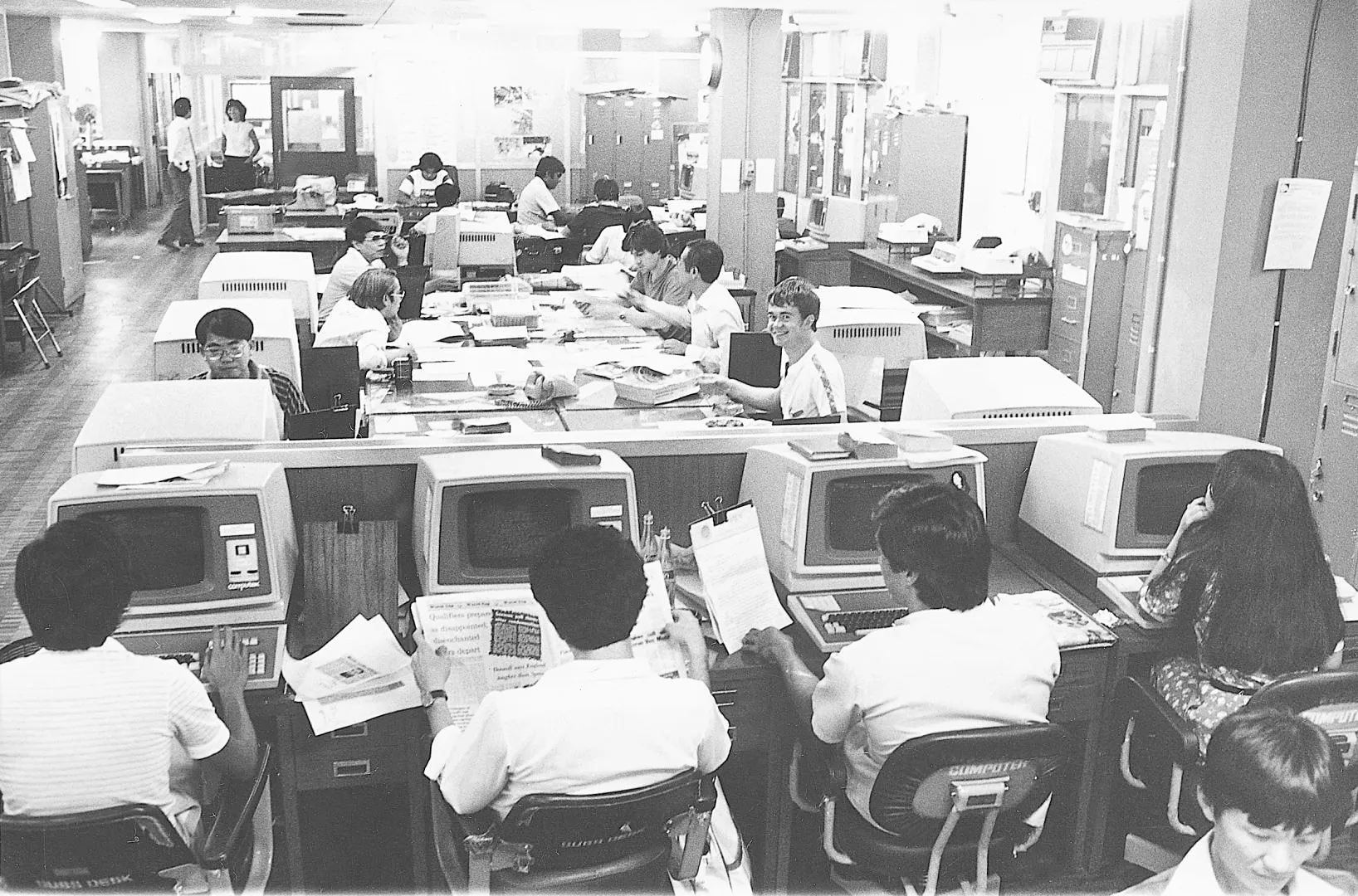
In 1973, it moved to a larger office at U-Chuliang, Rama IV Road, where the newspaper's first computers with floppy disks and green 9-inch screens were introduced, along with specialist sections and overseas training.
In 1976, Lord Thomson's death saw his shares sold to Thai shareholders, including what is now Central Group.
In 1984, the Bangkok Post floated shares on the Stock Exchange of Thailand, cementing its standing as a Thai paper as it grew to run two press lines, the original Goss Community from Ratchadamnoen and a newer, more advanced variant. By the late 1980s, it was expanding rapidly, adding a variety of new sections.
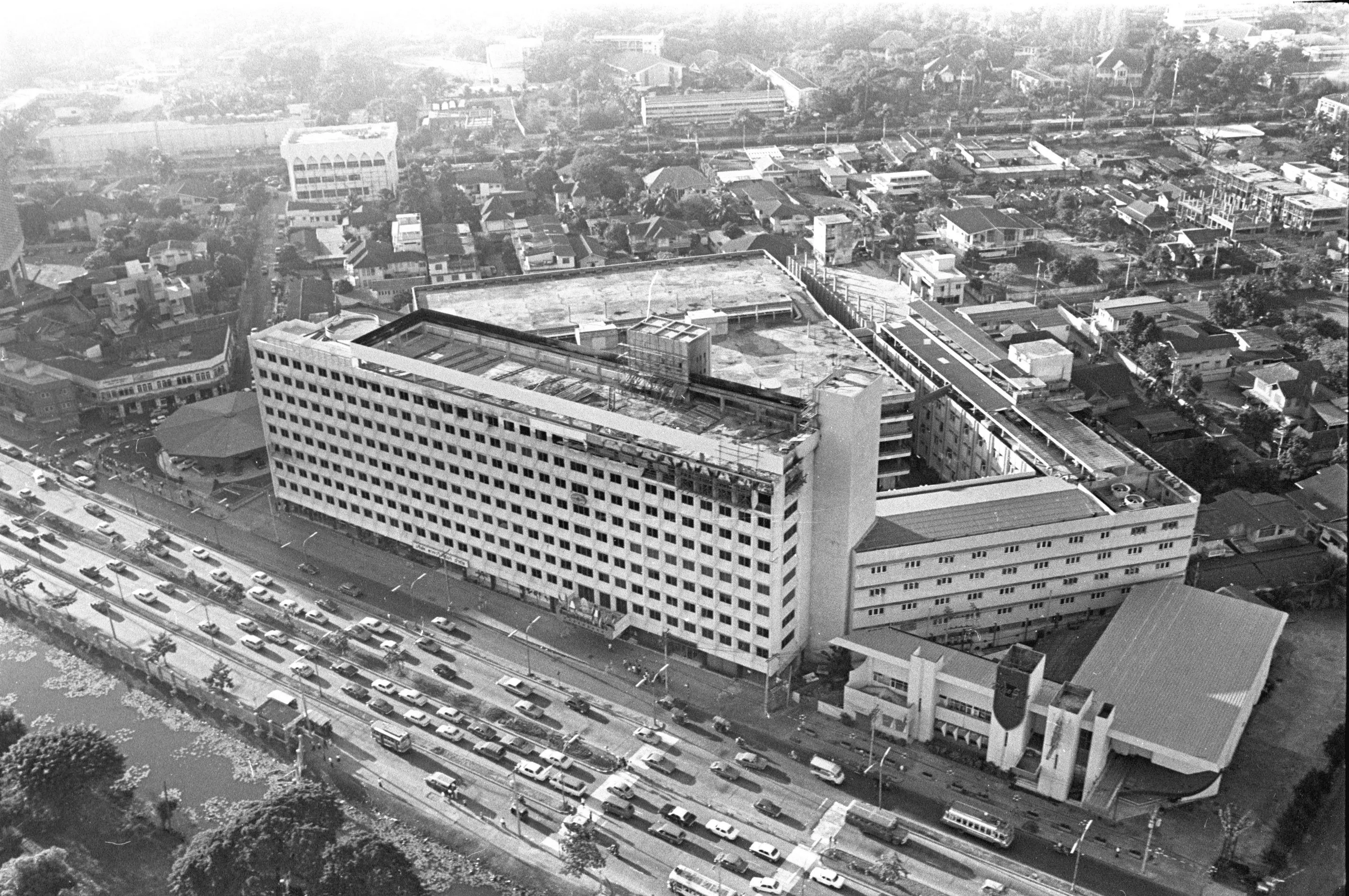
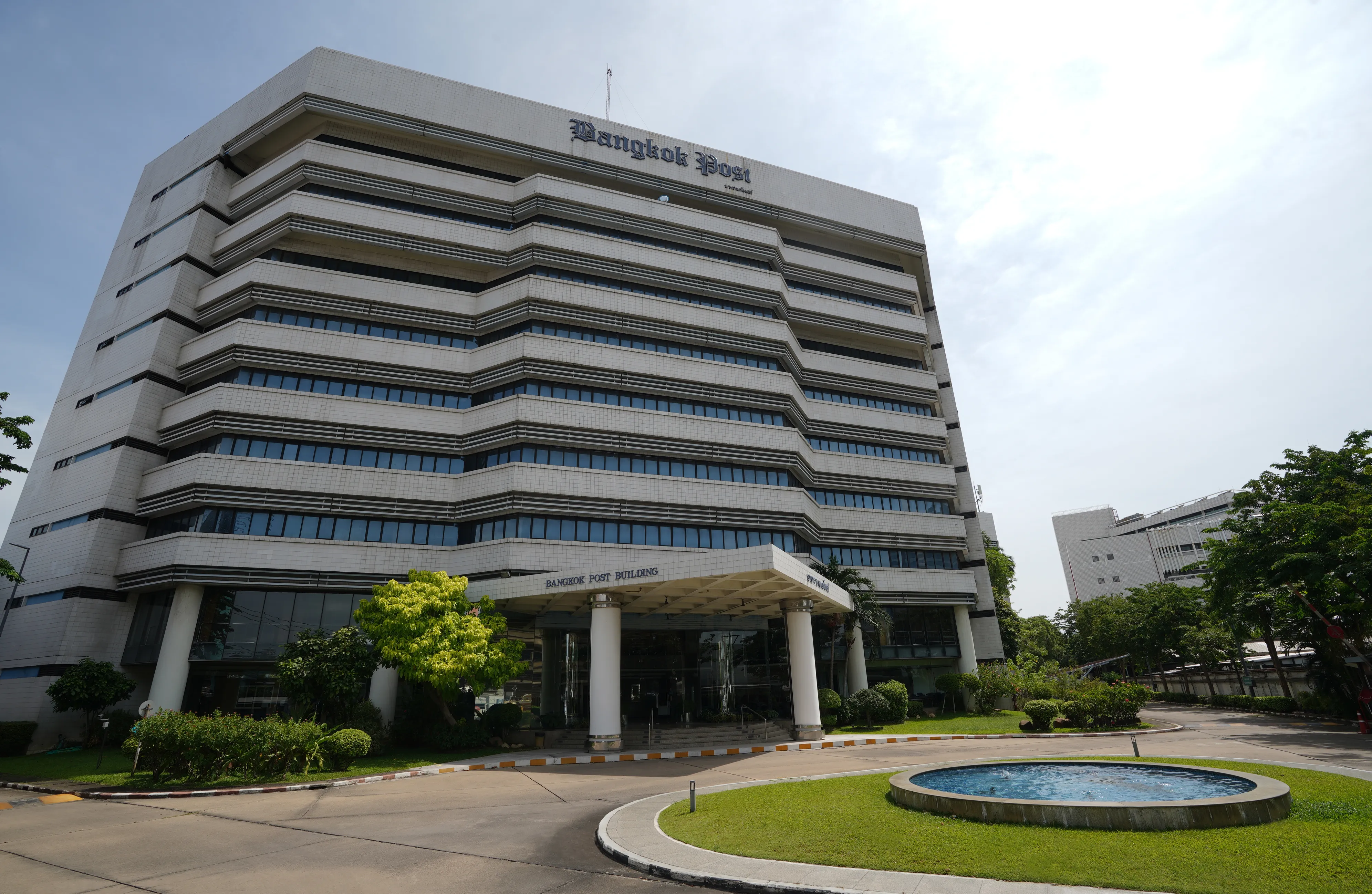
Bangkok Post found its permanent home in Klong Toey in 1992. The opening ceremony was joined by Her Royal Highness Princess Maha Chakri Sirindhorn on November 4, 1992.
Earlier that year, the Bangkok Post launched its Thai-language daily, Siam Post. From 1994, it delved into the magazine business, launching Elle, Elle Decor, Cleo and Marie Claire. Unfortunately, the 1997 financial crisis hit the Bangkok Post hard. Nonetheless, with solid foundations, the Post survived.
In 1999, the Bangkok Post entered a new era of electronic pagination and digital technology. News pages were assembled by computer, and digital cameras replaced film and negatives.
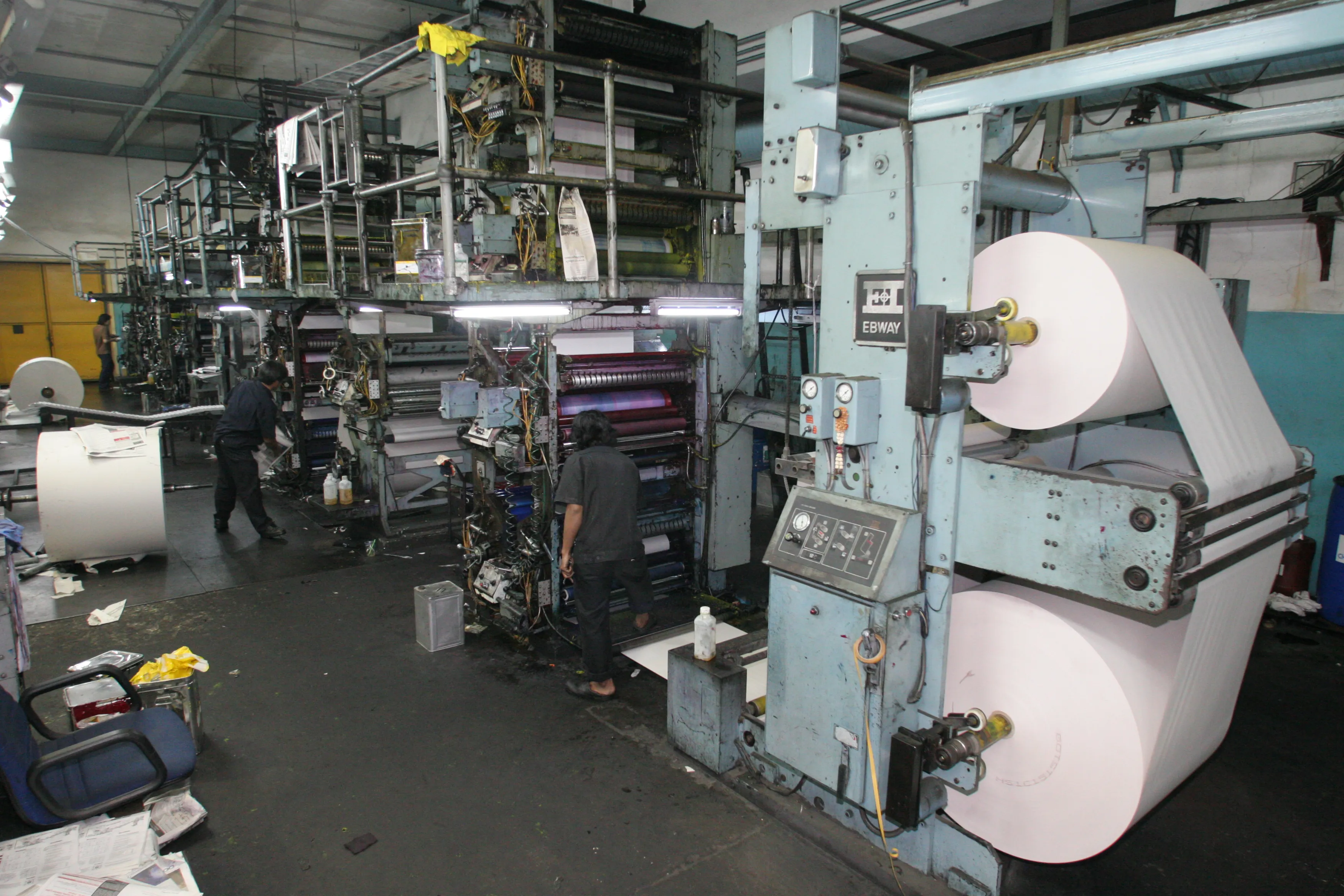
In 2003, The Bangkok Post expanded its audience to the Thai-language market with Post Today. At Klong Toey, a newer Goss Community press was installed, capable of printing 24 pages, 16 in full colour, at up to 30,000 copies per hour.
The mid-2000s saw the Bangkok Post laying the groundwork for a digital transformation, with the establishment of the Post Digital department in 2005 and a new website design to celebrate its 60th anniversary in 2006.
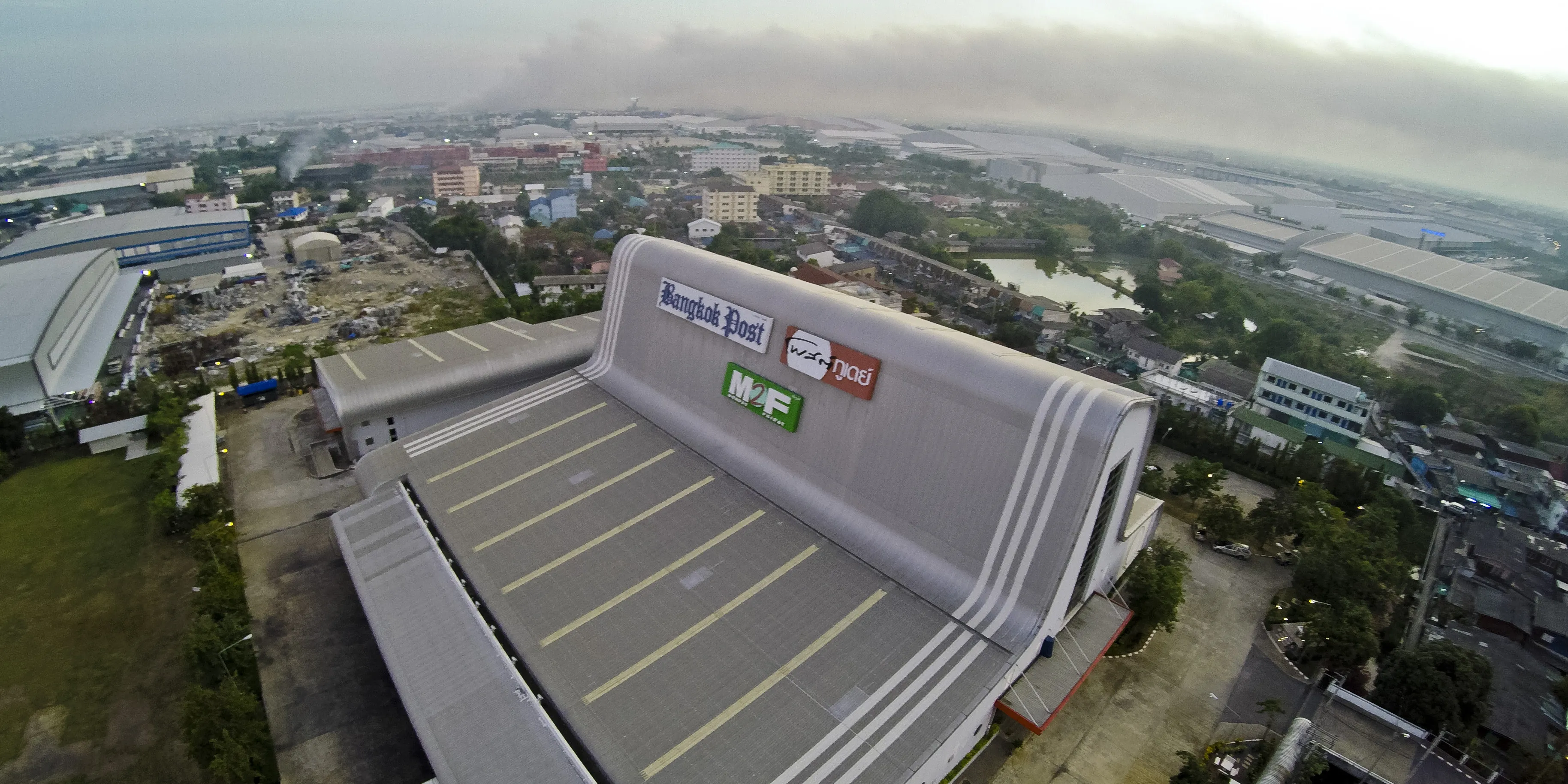
In 2007, Bangkok Post introduced its printing centre in Bang Na boasting state-of-the-art equipment, allowing high efficiency, quality printing and up to 75,000 copies of 32 full-colour pages. CTP (computer-to-plate) technology also let pages be transmitted from Klong Toey to output directly as plates, eliminating film from pre-press entirely.
From 2009, the company accelerated its evolution into a multimedia organisation. The magazine division grew into Thailand's largest by revenue, driven by globally recognised titles and brand extensions like US Forbes in 2013. The launch of M2F, a free Thai-language daily newspaper for urban professionals reached a circulation of 600,000 copies daily by 2014.
During this time, the company expanded into television content production with Post TV, further diversifying its revenue streams and strengthening audience engagement.
From 2018, the company responded to declining print advertising and rising digital consumption by expanding digital products while closing printing facilities and moving some publications online.
The 2020 Covid-19 pandemic further disrupted the industry, cutting advertising spending across all media. The company responded by strengthening its digital capabilities, leading to gradual recovery from 2021 with growing digital readership.
Around 2024, the Bangkok Post sought to tap into younger audiences through social media, introducing educational flashcards and transforming its programmes into podcasts and short videos.
In 2025, the Bangkok Post website introduced AI search, helping users to better navigate and catch up on the latest news.
By 2026, the company had repositioned itself as leaner and more digitally focused, with a diversified business model — print, digital, events and publishing — providing a solid foundation for future growth.









.webp)