
Fans can be a counterweight to commodification. They can influence producers to have social responsibility.
Prof Natthanai Prasannam
Lecturer, Kasetsart University
Boys’ Love is breaking out
The Thai yaoi genre is now a 5 billion baht business, writes Thana Boonlert
Before going global, Thai Boys’ Love (BL) once had its own dark age.
“There was blood, sweat and tears in our history,” said Prof Natthanai Prasannam, lecturer at Kasetsart University’s Faculty of Humanities, at the Thai Book Fair in Queen Sirikit National Convention Center this April.
He described its journey from subculture to mainstream success. Emerging in Japan in the 1970s, yaoi literature portrays the romantic relationship between male couples based on the seme (active) and uke (receptive) dichotomy. When the genre came to Thailand in the 1990s, most published manga were pirated.
Prior to the collapse of the underground market in 2010, a television news programme Loom Dum (Black Hole) reported the subculture of manga, including yaoi (locally referred to as Y or wai), in 2005. However, the exposé characterised them as obscene and having a morally corrupting effect on youth, which provoked fierce controversy on webboards and personal blogs. It then became a debate topic for a television news talk programme Thueng Luk Thueng Khon.
When social stigma reached fever pitch, crackdowns and raids on bookstores followed. Yaoi comics were banned at the National Book Fair in 2007 and 2008. Fans said they could not discuss or buy them openly. Still, it coincided with the success of Love Of Siam (2007), which broke new ground for subsequent BL series. In Thailand, the term BL has now gained popularity.
“The Black Hole era is probably a key turning point in which the genre came to be recognised,” said Prof Natthanai, who serves as the director of the Centre for the Study of Global Boys Love and Queer Cultures.
Prof Natthanai said, however, the incident coincided with shift from analogue to digital technology. Founded in 2006, the forum ThaiBoysLove, known as Lao Ped, created a virtual community for readers and writers of male-on-male romance. Students introduced him to fanfiction for the first time in 2007. It is a subgenre of yaoi literature that features pairings of same-sex pop idols, for example TVXQ and Super Junior.
Modelled on K-pop culture, “shipping” is a fandom term for imagining idols in a romantic relationship, often same-sex. In Thai, they are called khu jin (imaginary couple), a newly coined word that combines khu in Thai (couple) with jin in English (imagine). At the heart of their practice, fans are interested in moments of romantic potential, interpreting male couples on screen and off according to the top and bottom rule.
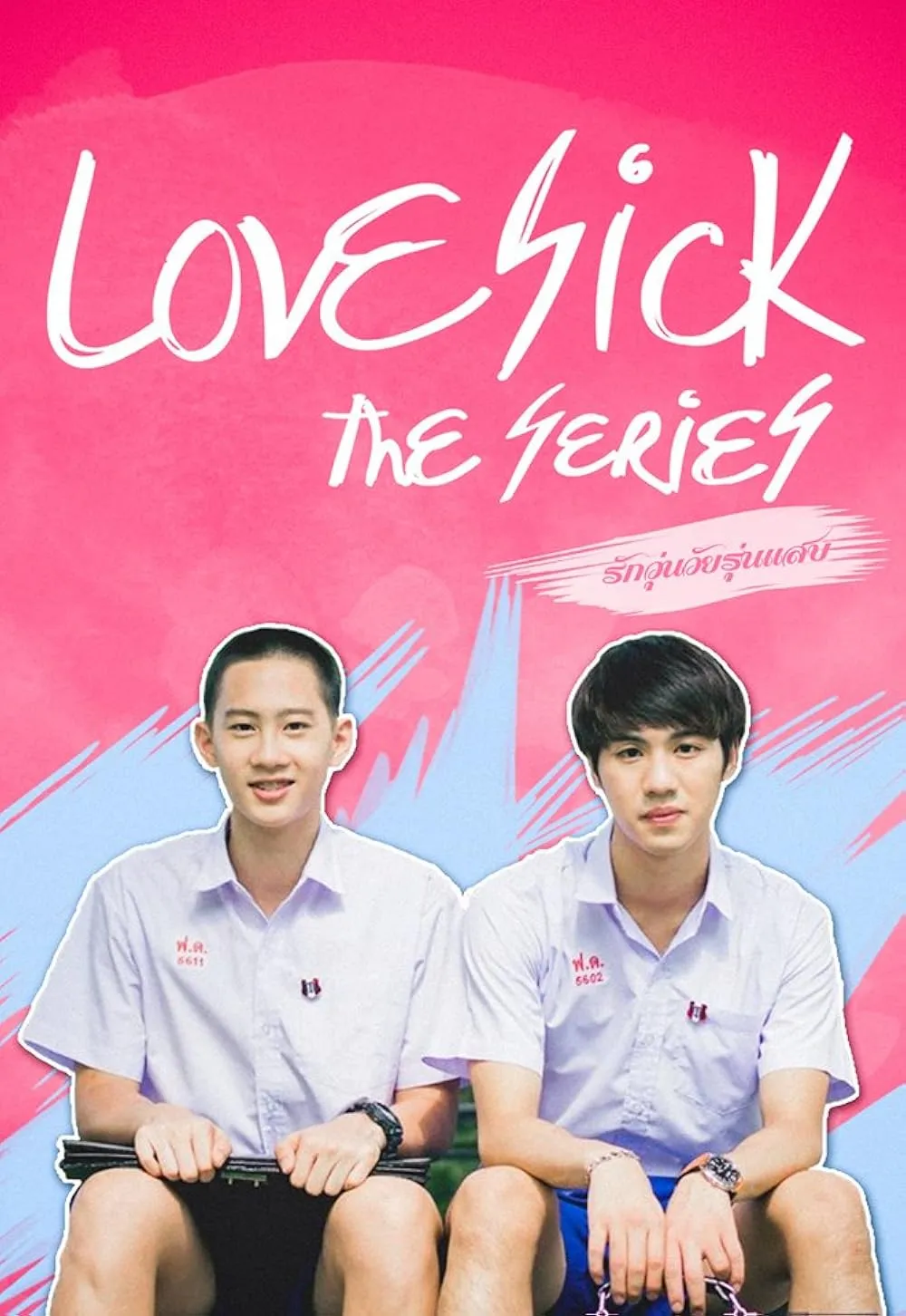
While pursuing a PhD abroad, Prof Natthanai watched pioneering dramas Lovesick (2014) and Sotus (2016). A three-year period marked a crucial moment when yaoi entered the golden era. Producers not only started to adapt novels into series but also organised fan meetings and events. Even when series finish, fans continue to join off-screen activities. Since 2014, yaoi culture has grown substantially.
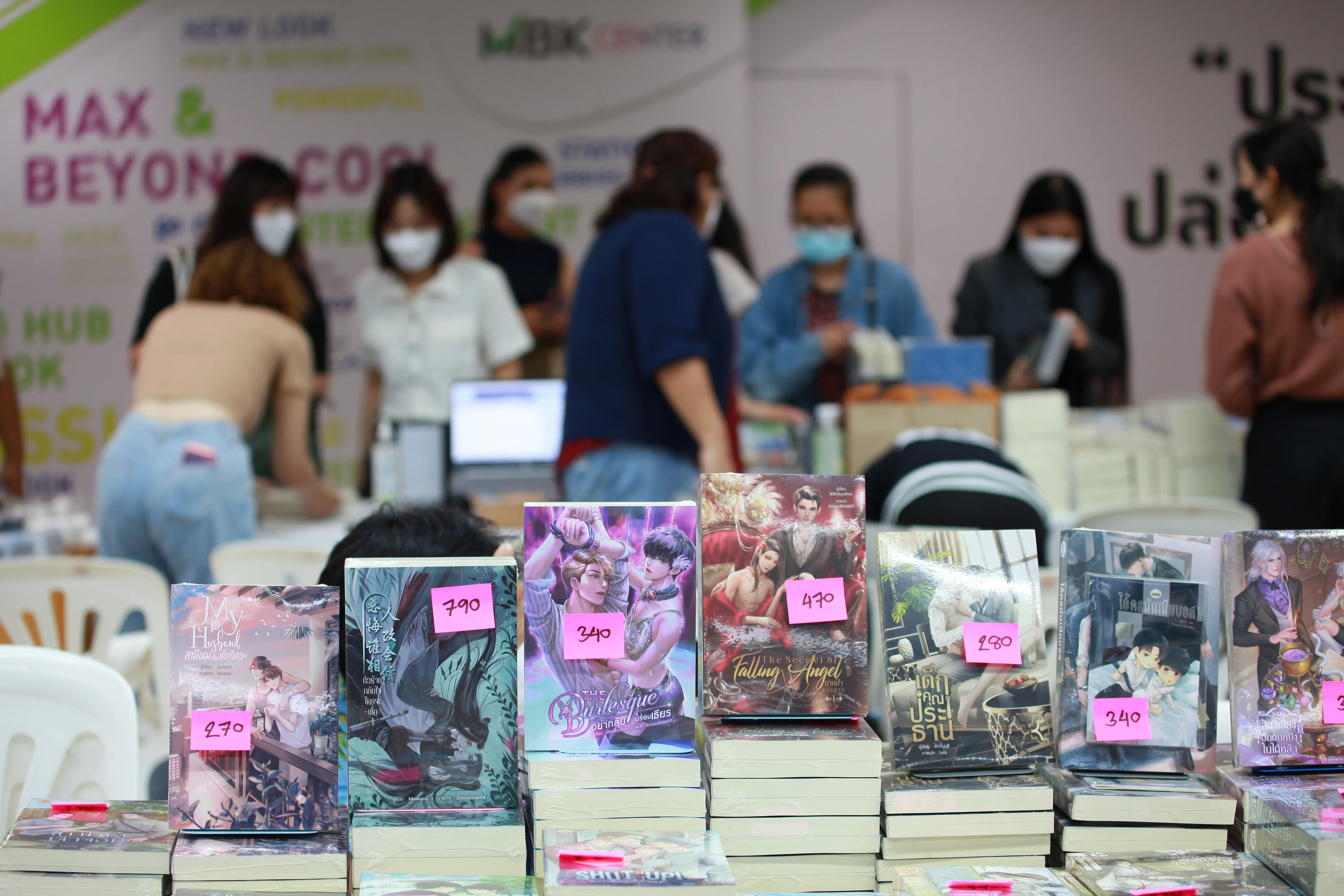
Prof Natthanai said that in Thailand, yaoi is mostly presented in the form of novels, while branching out into visual arts and consumer goods. Nowadays, however, fans question if yaoi content is politically correct.
“Yaoi has a big following to the extent that fans can influence textual meaning, as evidenced by how they ship two male protagonists in a recent historical drama, though they emphasise in an interview that their characters are just brothers,” he said.
In recent years, Thai BL has experienced dramatic growth. According to the SCB Economic Intelligence Centre, the share of Thai BL was expected to rise from 0.7% in 2019 to 3.9% in 2025, accounting for almost 5 billion baht.
As Thai BL is rising on the global stage, it attracts international fans to events and filming sites across the country. Government agencies have used the genre to promote soft power, for example, by featuring idols in campaigns and mini-series to promote cultural diplomacy.
Pornchai Witayalerdpan, senator and chair of the working group on the pink economy, said a huge surge in the popularity of queer romance will make Thailand an “LGBTI superpower”.
Prof Natthanai said most people are still confused about the term soft power. That said, media continue to perpetuate the myth of a queer paradise. Perceived openness to sexual diversity attracts international tourists to Thailand to enjoy freedom that may not be available in their home countries.
“However, fans can be a counter-weight to commodification. They can influence producers to have social responsibility,” he said.
“The genre has now matured. BL is venturing out of school and university to new territory, for example, the supernatural. Following the pro-democracy movement in 2020, it has tackled political issues such as rights and equality.”