
It is imperative that we do more than celebrate the success of marriage equality.
Nachale Boonyapisomparn
Programme officer, International
Trans Fund
The long march
LGBTI activists believe collaboration will overcome bigotry, writes Thana Boonlert
In recent decades, LGBTI people have become more visible in society, but they should collaborate to overcome existing prejudice, said Nachale Boonyapisomparn, a programme officer for the International Trans Fund.
From more than 20 years of experience, the trans activist outlined turning points in LGBTI rights in Thailand.
“Actually, it is not well known that lesbian groups laid the foundation,” Ms Nachale said.
Gaining visibility
After Anjaree, a lesbian group, was founded in 1986, it played an important role in establishing a lesbian community through newsletters, meetings and trips. In 1996, Rajabhat Teachers Institutes imposed a ban on homosexual students, citing grounds of biang-ben thang-phet (sex/gender deviance). Anjaree led a public campaign against the discriminatory practice, which was eventually rescinded.
Ms Nachale cut her teeth at the Rainbow Sky Association of Thailand in 2004, when civil society organisations started to receive overseas funding for HIV/Aids prevention programmes for MSM — Men who have Sex with Men. Campaigners demanded, however, that transwomen not be included in this category. It led to the first-of-its-kind establishment of the Sisters Foundation in Pattaya.
“It made sao praphet song [translated as the second kind of women. It is actually an outdated local term for trans women.] more visible. At the time, transgenders were not yet referred to as khon kham phet,” she said.
Ms Nachale explained that campaigners then introduced sexual orientation, gender identity, expression and sex characteristics in their advocacy work. Although the concept of SOGIE (Sexual Orientation, Gender Identity, and Expression) was dismissed from the 2007 constitution, it was stipulated in its spirit for the first time that sex included not only male and female differences, but also sexual diversity.
Meanwhile, campaigners demanded title changes for women and transwomen. Yollada “Nok” Suanyot, president of the Transfemale Association of Thailand, proposed an extension of the right to the title transwomen. Controversy revolved around whether they should have had gender reassignment surgery. Due to a lack of consensus, the Female Title Act (2008) allows only women to choose Miss or Mrs.
Still, her interview on the Woody Kerd Ma Kui talkshow in 2010 popularised the term khon kham phet. In 2013, Kritipat “Jimmy” Chotidhanitsakul introduced himself as a transman on the Tuen Ma Kui show. But it was only three years ago that the Transmasculine Network for Equality was founded to support toms, transmen and nonbinary individuals.
According to Ms Nachale, the government has recently provided more funding to HIV/Aids programmes. It necessitates expanding communities across the country, for example, to increase access to healthcare benefits. Meanwhile, the advent of social media helps form new communities, for instance, Sapphic Riot, Sapphic Pride and Girl x Girl.
Up and down
Ms Nachale highlighted progress in depathologising sexual diversity on the most unlikely front. Basically, transgenders were exempted from military service on the grounds of “mental disorder”. In 2006, a high-profile lawsuit sought to omit the term from a conscription document. Since the court ordered removal in 2011, the Ministry of Defense has used gender identity disorder or gender dysphoria instead.
“It was a significant moment. However, ICD-11, the International Classification of Diseases 11th Revision, has now replaced 'gender dysphoria' with ‘gender incongruence’ to show that mismatch between sex and gender identity is more of sexual health than mental health. Revision should follow,” she said.
Ms Nachale said the Gender Equality Act (2015) is the first legal protection for the LGBTI community, criminalising discrimination against all sexual identities. Partly due to the bill, Kath Khangpiboon, a transgender lecturer, won a high-profile case against Thammasat University for unlawfully refusing her employment. However, loopholes remain in terms of a sluggish process and lack of power to enforce penalties.
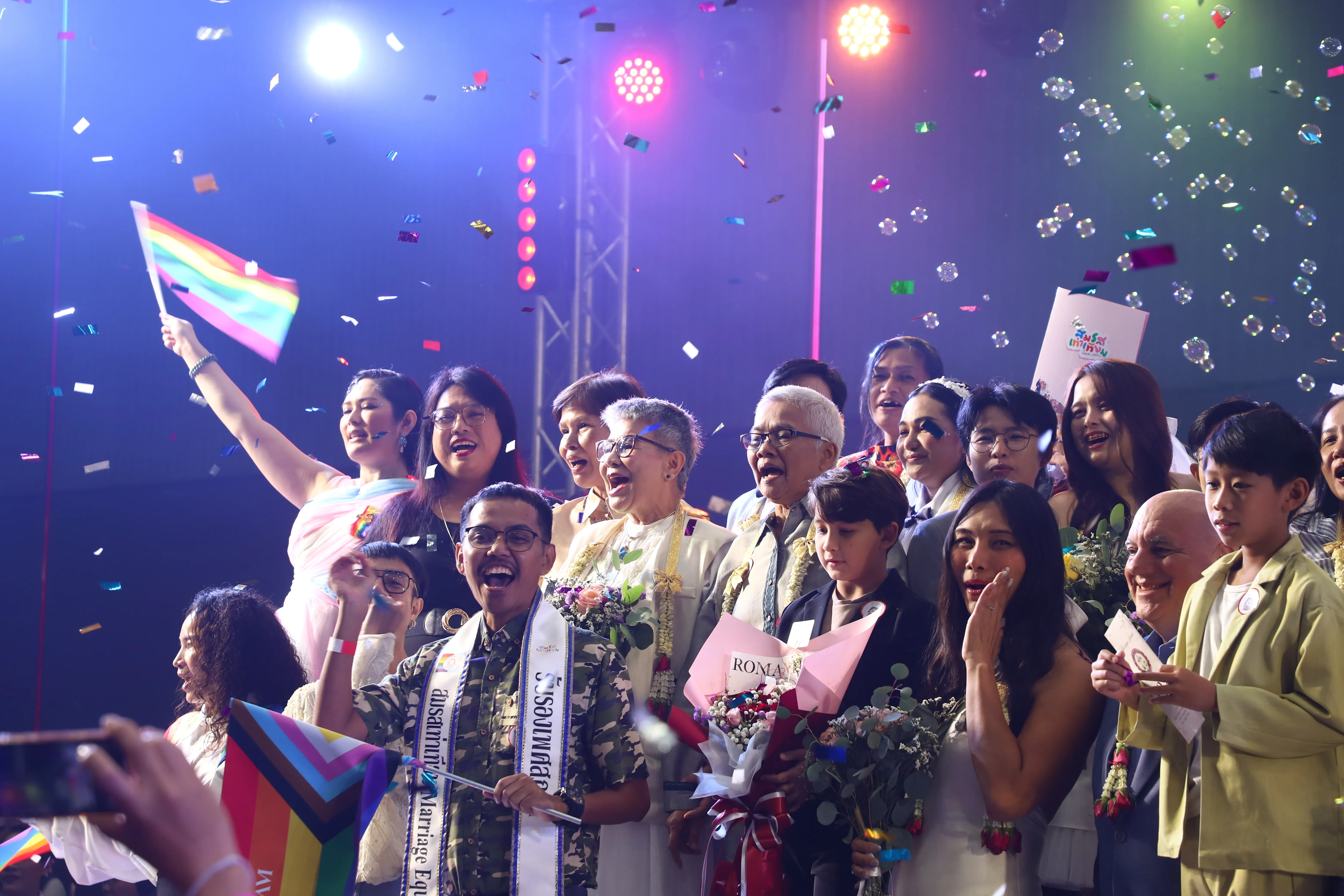
Dating back to a gay couple Natee Teerarojjanapong and his partner who were denied marriage registration with his male partner in 2012, the campaign for same-sex marriage stalled and stumbled, but eventually came to fruition in January 2025. Ms Nachale said this milestone opens up opportunities for other laws. Many factors — back-lash against the court’s homophobic ruling in 2021 that frames LGBTI s as species that are different from men and women ex, an increase in the number of LGBTI politicians, strong advocacy and then-premier Srettha Thavisin’s political will — contributed to the successful passage of marriage equality.
However, overwhelming support may not extend to gender recognition. Ms Nachale said despite early failure in 2008, studies on title change continue. Currently, there are four drafts from civil society groups, a political party and a ministry. It became the subject of controversy again when the People’s Party proposed it in the election campaign earlier this year. Campaigners say it reveals bias and hatred.
“It is imperative that we do more than celebrate the success of marriage equality. I think backlash is a sign that we are on the right track. Opponents may think they lose something, which is not true, and therefore keep their guard up. It takes time to raise awareness, but we ask for our basic right,” she said.
North Star
Ms Nachale said although studies found that gender recognition advances gender equality and democracy, LGBTI issues are usually not high on the political agenda.
“Exclusion creates silos and, in turn, undermines the democratic movement itself,” she said. “We can go far if we go together. Pushback and dwindling resource call for collaboration.”
For her, financial challenges require campaigners to develop thematic focus. Now, advocacy work should not just improve visibility.
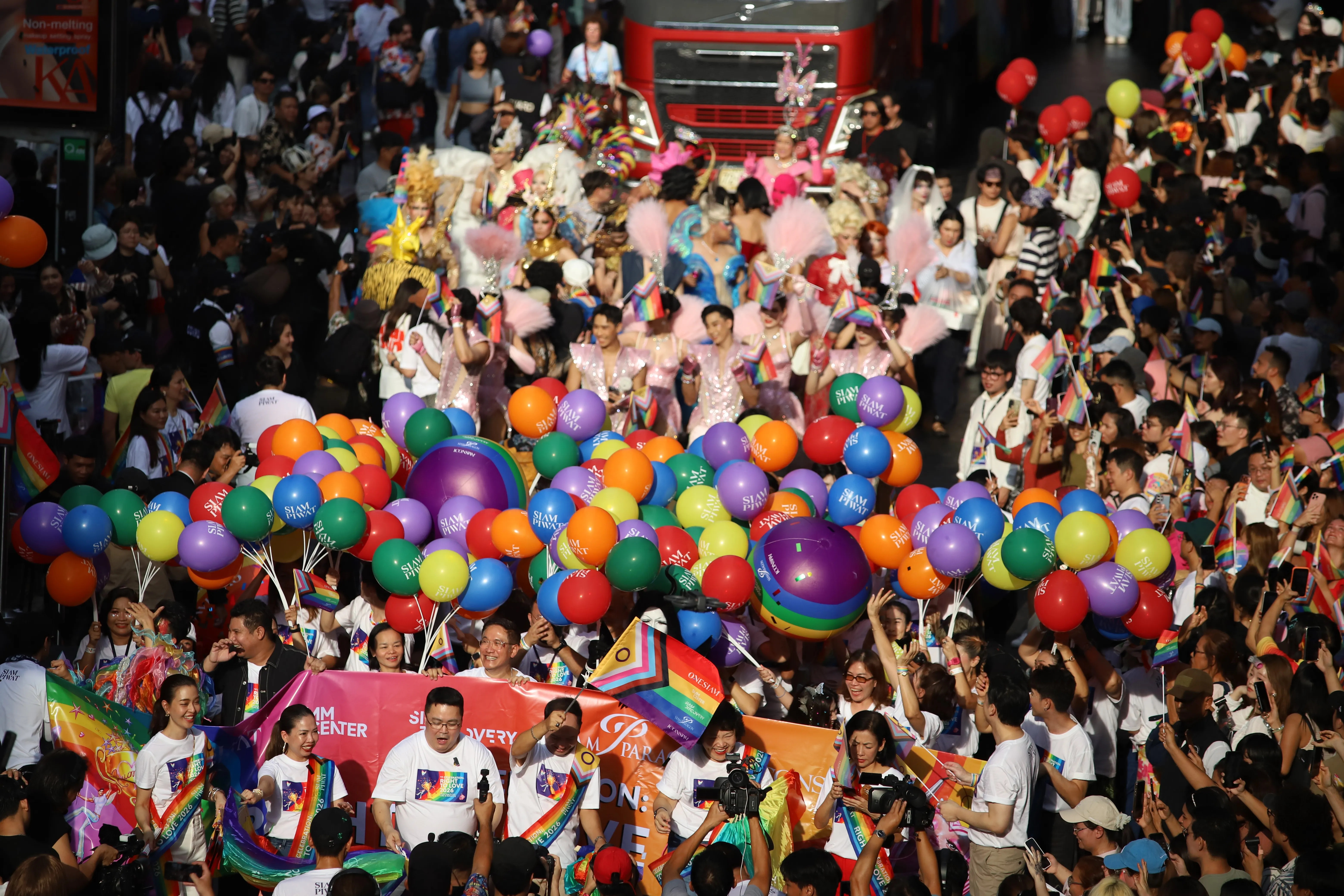
“A colleague asked me what the point of Pride Month is. As a trans activist, I am looking forward to liberation. We can be anything we want. Pride provides space where we can raise our issues. It is the way to the North Star, that is legal protection and freedom,” she said.
That is why visibility is not enough, she noted. “Identity is politics. However, being seen but silenced doesn’t make anything better. We should aim for a bigger goal — putting representatives who really fight for our interests on the negotiating table.”
To some, these turning points may look like a linear progress. At 46, Ms Nachale sees them in terms of rise and fall.
“We never walk in a straight line. There are times when we step back, but it is not defeat. Prejudice remains as long as heteronormativity [the enforcement of heterosexuality as the standard, such as monogamous heterosexual relationship, marriage and familyhood, etc, as opposed to those who follow different paths] and patriarchy are core values of Thai society. That is why we have to work together,” she said.
The Transgender Well-being Charter is an example. It is a collaboration between the Committee on Transgender Well-being Policy, which she chairs, and the Thailand National Health Commission Office. It provides comprehensive guidelines for every agency to improve the well-being of transgender staff.
“After Pride Month, things will remain the same. We are setting sights on a long-term goal,” Ms Nachale said.